Sustainable Storage Styles: Integrating Minimalism with Eco-Friendly Practices at Home
Embracing Minimalism and Sustainability
The modern age brings unparalleled convenience but also an overwhelming influx of material possessions. In the quest for harmony in our living spaces, many individuals are turning to a minimalist approach, seeking to remove superfluous items and priorities to make room for what truly enriches their lives. Alongside this ethos, incorporating eco-friendly practices has become increasingly important, for it not only simplifies homes but also fosters a connection with the environment by minimizing waste.
The minimalist and sustainable lifestyle revolves around several key principles that can transform cluttered environments into serene sanctuaries. Let’s delve into essential aspects of this innovative approach:
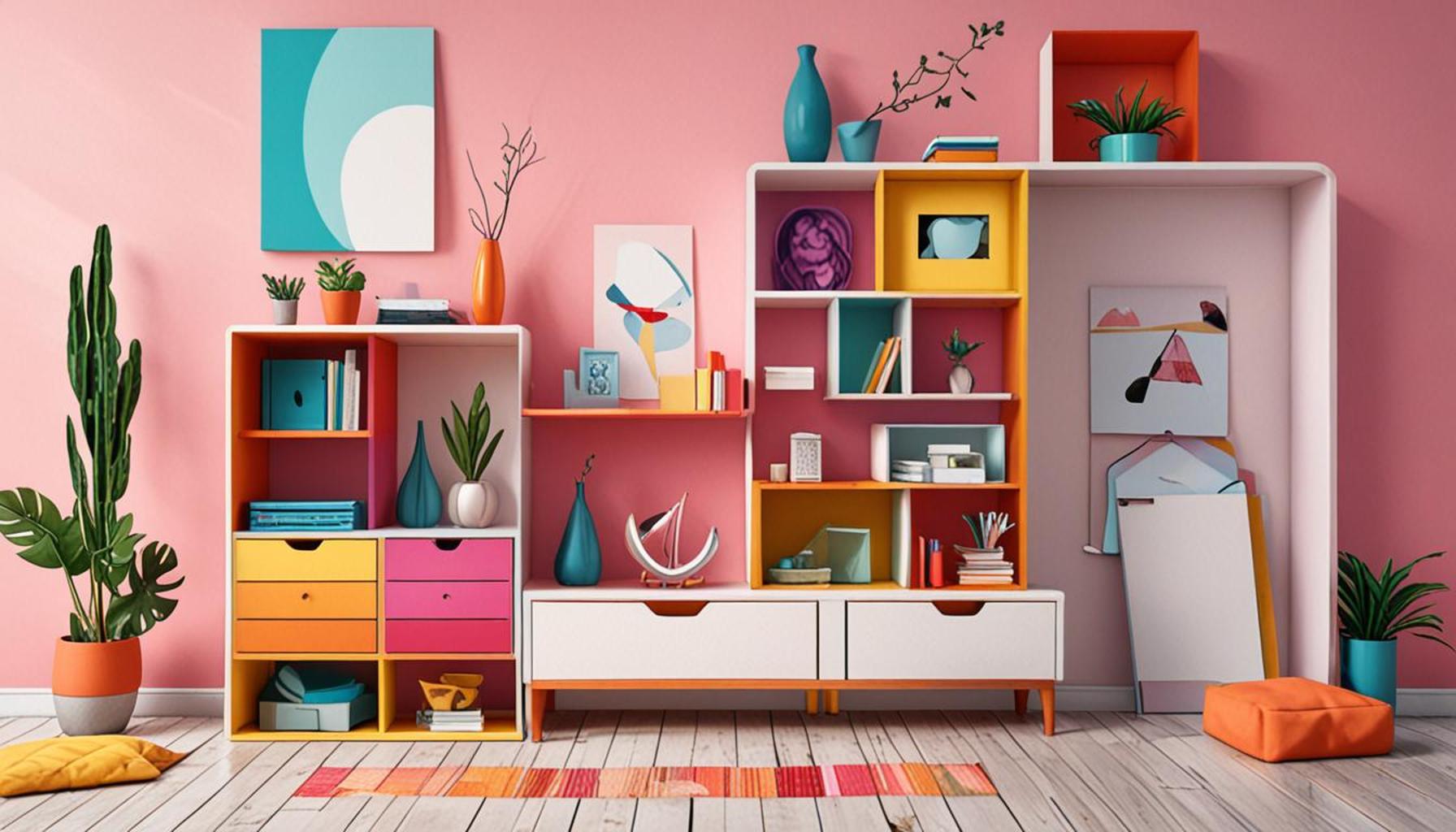
- Natural Materials: Embracing storage solutions crafted from sustainable resources, such as bamboo, reclaimed wood, or recycled metal, can enhance both aesthetics and sustainability in your home. For instance, a bamboo shelving unit adds warmth while being an eco-friendly choice.
- Multi-Functional Furniture: In small spaces, especially seen in urban Nigerian cities like Lagos and Abuja, choosing furniture that is versatile is crucial. For example, consider ottomans that feature hidden storage compartments for blankets or books, effectively reducing clutter without sacrificing style.
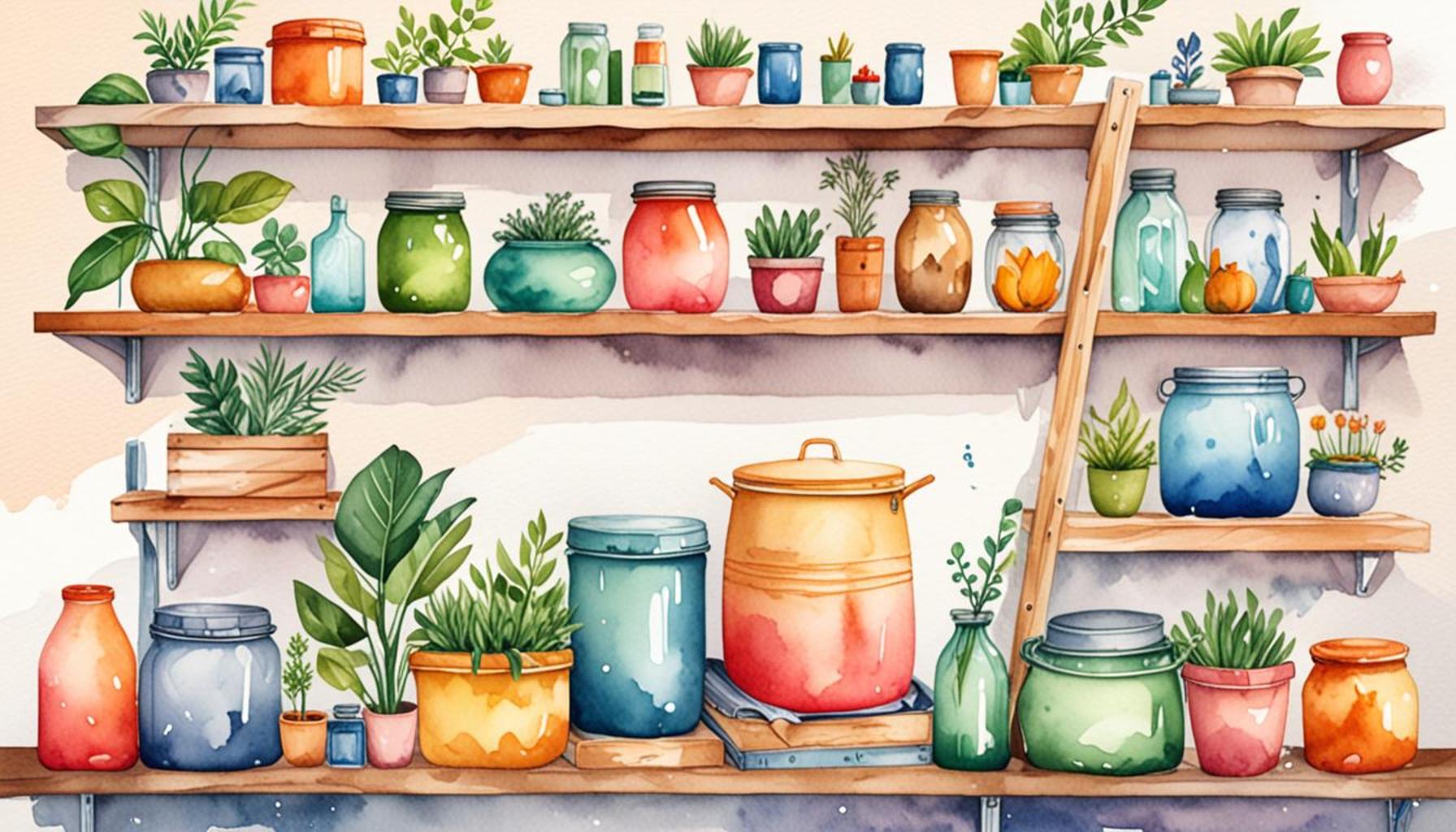
- Upcycling: The art of transforming old containers and wooden crates into chic storage units not only saves money but also reduces waste. A creative project could involve painting old fruit crates to serve as eye-catching bookshelves or storage solutions for toys.
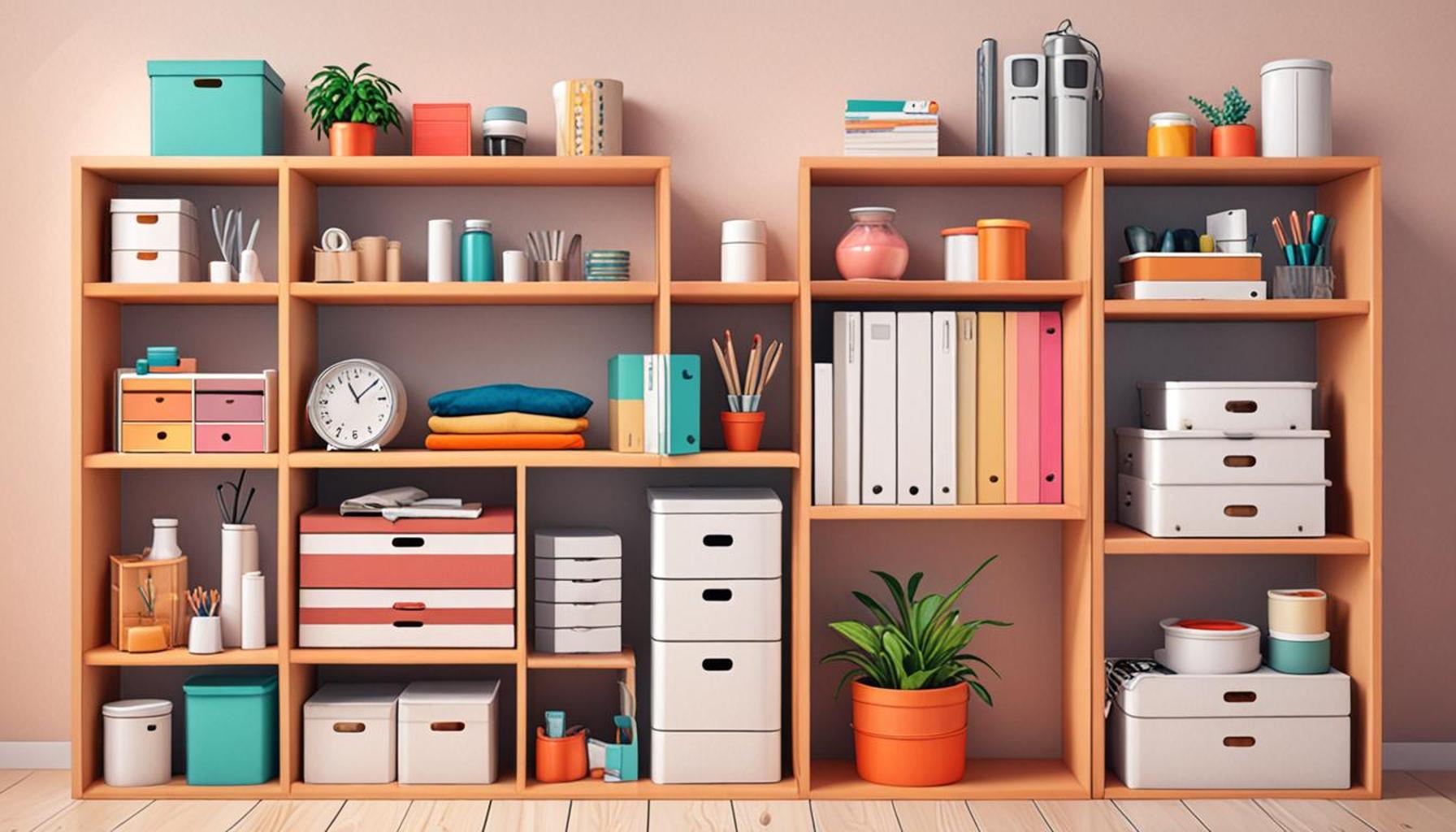
In Nigeria, where rapid urbanization is common, many people face the challenge of limited living space. With the demand for housing on the rise, innovative storage solutions are necessary to maximize functionality while minimizing environmental impact. For example, utilizing vertical spaces through wall-mounted shelves can create additional storage without consuming valuable floor space. Clever organizational systems, such as labeled storage bins or hanging organizers, can also help families make the most of smaller living areas.
As we navigate innovative storage techniques, the overarching goal is to inspire a shift towards a lifestyle that not only respects our planet but also elevates our daily experiences at home. This guide invites you to explore various sustainable storage styles, encouraging a mindful approach to what we own and how we utilize our living environments. Whether through choosing thoughtfully designed furniture or engaging in creative upcycling projects, each step taken towards minimalism brings us closer to a harmonious existence with both our possessions and the Earth.
ADDITIONAL INSIGHTS: Expand your understanding here
Reimagining Storage Solutions for Sustainability
As we delve deeper into the integration of minimalism and eco-friendly practices, it becomes evident that reimagining storage solutions is fundamental. The way we choose to store our belongings significantly impacts the environment and our living spaces. The synthesis of these two philosophies promotes not only a streamlined lifestyle but also a conscious effort to protect our environment. Here are some innovative strategies that can help you achieve sustainable storage at home:
- Smart Organization: An organized home is a peaceful home. Implementing smart organizational techniques, such as categorizing items and using clear labeling, can reduce unnecessary purchases and foster an environment of mindfulness. For instance, using clear bins for seasonal clothing or toys helps families in Nigeria stay organized while minimizing the chances of duplicates in a bustling household.
- Minimalist Aesthetics: In the context of Nigerian interior design, embracing a minimalist aesthetic can be both culturally relevant and sustainable. This can be achieved by opting for less but more meaningful decor that tells a story. Handcrafted items made from natural materials not only reflect local artistry but also have lesser environmental footprints.
- Modular Storage Units: Modular storage systems are highly adaptable and perfect for Nigerian homes where space is limited. These units can be mixed and matched to fit your requirements and are often crafted from recycled materials. By using modular designs, you can tailor your storage needs as your lifestyle and family change over time.
- Decluttering Routines: Regularly engaging in decluttering routines can significantly contribute to both minimalism and sustainability. Establish a schedule, perhaps every month, where you assess items that no longer serve you and explore ways to donate or recycle them. This not only frees up space but also instills a culture of conscious consumption in the community.
While implementing these sustainable storage styles, it’s essential to consider the cultural context of your home and how these practices resonate with your lifestyle. In urban environments like Lagos, where the hustle and bustle can dictate the pace of life, creating a calm oasis through focused storage solutions can provide both relaxation and efficiency. Additionally, many local artisans create beautiful, eco-friendly storage options that you can explore, supporting local economies while beautifying your space.
Ultimately, marrying minimalism with eco-friendly practices paves the way for a serene living environment, contributing not only to your comfort but also positively influencing the greater ecological landscape. By adopting these sustainable storage styles, you are taking strides towards a lifestyle that cherishes both your belongings and the world in which you live, leading to a future where simplicity and sustainability go hand in hand.
| Advantage | Description |
|---|---|
| Space Efficiency | Minimizing clutter with multifunctional furniture allows homeowners to maximize their living spaces. |
| Environmental Impact | Using sustainable materials and eco-friendly practices reduces waste and promotes a healthier planet. |
When delving into sustainable storage styles, it becomes evident that the integration of minimalism with eco-friendly practices creates a harmonious living environment. By prioritizing space efficiency, individuals can enjoy decluttered homes that not only appear more spacious but also allow them to focus on essential items that truly matter. The journey toward minimalism embraces the notion of multifunctional furniture, which enables different spaces to serve various purposes, thus enhancing functionality without overwhelming the senses.Moreover, the environmental impact cannot be overlooked. By selecting storage solutions made from sustainable materials—such as reclaimed wood or recycled metals—homeowners contribute to a reduction in ecological footprints. This approach fosters a sense of responsibility towards the planet, motivating individuals to adopt environmentally conscious habits that extend beyond home organization. As more people discover the benefits of combining minimalism with eco-friendliness, the shift towards sustainable living continues to gain traction.
CHECK OUT: Click here to explore more
Creative Storage Solutions That Embrace Sustainability
As the drive for sustainability intersects with minimalism, the potential for creative storage solutions becomes boundless. In Nigeria, where vibrant culture meets the need for functionality in often limited spaces, rethinking storage practices can lead to innovations that are as environmentally friendly as they are practical. Let’s explore some further sustainable storage strategies that harbor creativity while contributing to a greener household.
- Vertical Storage: Utilizing vertical space is a game changer, especially in compact urban homes. Floating shelves, wall-mounted racks, or even stacked crates can maximize your storage area without compromising floor space. This method enhances minimalism by keeping surfaces clear and encourages the use of often overlooked areas. For example, in kitchens where counter space is at a premium, hanging pots or installing spice racks on walls not only saves space but also adds a touch of aesthetic charm.
- Repurposed Furniture: Furniture that serves dual purposes is vital in sustainable storage. Look for pieces that can function both as storage and as essential furniture. A beautiful trunk can be used as a coffee table while also providing ample storage for blankets or books. Moreover, artisans across the country have mastered the art of reusing materials to craft stunning furniture that tells a story while being eco-friendly. This not only supports sustainability but also connects you to Nigeria’s rich craft heritage.
- Natural and Local Materials: Choosing storage solutions that employ natural and locally sourced materials can greatly reduce your carbon footprint. Bamboo, rattan, and reclaimed wood are excellent choices for storage solutions that integrate perfectly into the minimalist aesthetic. Local markets and artisans often have unique pieces that resonate with cultural significance, ensuring that your choices are both eco-friendly and culturally aligned.
- Seasonal Storage Considerations: Creating designated areas in your home for seasonal items helps streamline your living space. For instance, during the rainy season, items such as winter clothing and holiday decorations can be stored away efficiently in clear, sustainable bins made from recycled materials. By doing so, you maintain a clutter-free environment that allows for easier transitions as the seasons change, keeping your home fresh and organized.
- Digital Storage Solutions: In an age of technology, embracing digital solutions to replace physical items is becoming increasingly beneficial. Transitioning documents, photos, and other important records into digital formats can drastically reduce physical clutter, paving the way for a more minimalist space. Online cloud services enable accessibility while minimizing paper waste, encouraging a shift towards more eco-conscious living.
Exploring these creative storage solutions fosters a lifestyle that values simplicity without sacrificing environmental responsibility. Each unique method contributes to not only decluttering your physical space but also to a cultural dialogue about sustainability in Nigeria. By incorporating such innovations into your home, you can establish a sanctuary that reflects mindfulness, creativity, and a commitment to preserving the planet.
YOU MAY ALSO LIKE: Read read another article
Conclusion
In conclusion, the integration of minimalism with sustainable storage practices at home represents a growing movement that champions both environmental consciousness and efficient living. As urban spaces in Nigeria become increasingly compact, embracing sustainable storage styles not only addresses the challenges of limited space but also contributes positively to our planet. By opting for creative solutions such as vertical storage, repurposed furniture, and locally sourced materials, we can foster a home environment that is both aesthetically pleasing and ecologically responsible.
Moreover, the shift to digital storage solutions underscores the importance of innovating beyond traditional methods, while seasonal storage considerations promote organization and environmental mindfulness throughout the year. Each area of sustainable storage we explored illustrates a commitment to reducing waste and enhancing our connection to cultural heritage, further enriching our living spaces.
Ultimately, adopting these eco-friendly storage practices creates a ripple effect that extends beyond personal benefit; it inspires a larger conversation about sustainability in our communities. By cultivating a home that reflects our values of simplicity and sustainability, we contribute to a greener future for Nigeria and the world. As each one of us implements these practices, we pave the way for a more thoughtful approach to our possessions and our planet, proving that sustainability and style can indeed coexist harmoniously.