How to Create Multifunctional Spaces: Furniture that Optimizes Storage and Minimalism
Understanding Multifunctional Spaces
In an era where urban centers are growing rapidly, the challenge of limited living spaces has become a pressing concern for many individuals, particularly in cities like Lagos and Abuja. These vibrant hubs, filled with life and culture, offer a plethora of opportunities but often come with the caveat of limited square footage in residential accommodations. As such, the concept of multifunctional spaces has evolved from a mere trend to a fundamental necessity in modern living.
Picture a cozy apartment in the heart of Victoria Island, where every square meter is a precious asset. The ability to maximize space without compromising on style is pivotal in ensuring that urban dwellers can enjoy comfort while adhering to a minimalist lifestyle. As you explore the realm of multifunctional furniture, you’ll find numerous innovative solutions that enhance both aesthetics and functionality.
Key Features of Multifunctional Furniture
Below are some compelling features that define multifunctional furniture:
- Convertible Designs: This category includes furniture that easily transforms to serve multiple purposes, such as a sofa bed that seamlessly converts into a comfortable sleeping area for guests or a coffee table that expands to accommodate dining needs. For example, a compact coffee table with drop-leaf sides can adapt from a small surface for drinks to a larger one suitable for meals, making it perfect for impromptu gatherings in tight spaces.
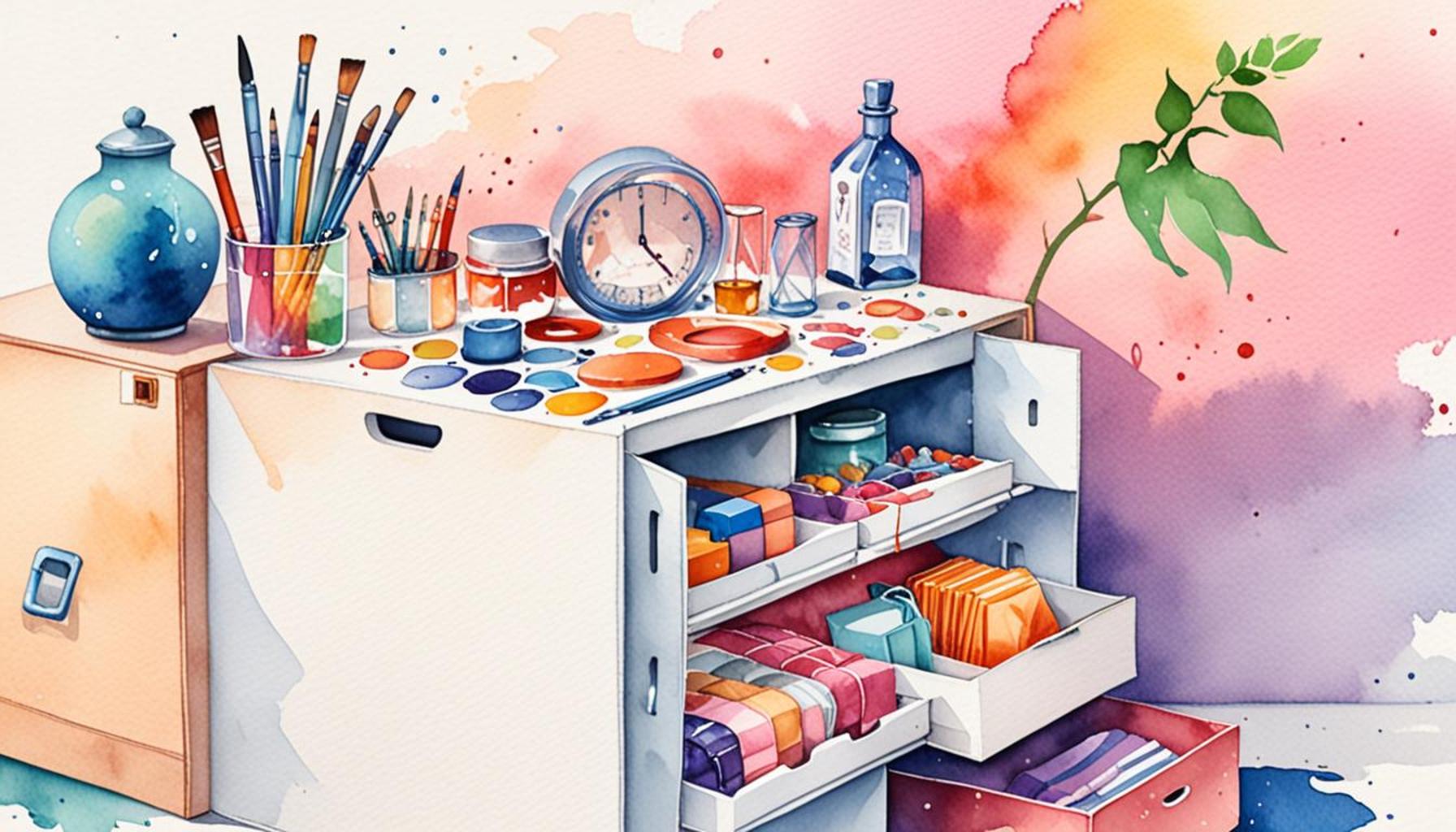
- Built-In Storage: Furniture that integrates clever storage solutions is essential for maintaining order in smaller homes. Consider an ottoman that doubles as a storage unit for blankets or magazines, or a bed designed with drawers underneath to house seasonal clothing or extra bed linens. These pieces not only declutter your living space but also keep necessities close at hand.
- Space-Saving Techniques: Employing furniture with space-saving designs can be a game changer. Think of foldable chairs that can be stowed away after use or wall-mounted desks that free up floor space when not in operation. This flexibility is particularly advantageous in studios or shared accommodations, ensuring that you can fully utilize your environment without feeling cramped.
The exploration of multifunctional furniture leads you to discover not just practicality, but a unique approach to living that resonates with a minimalist ethos. Instead of cluttering your home with single-purpose items, you can curate a versatile environment that adapts to your various needs, whether you’re hosting friends or simply unwinding after a long day.
As urban living conditions evolve, it is vital for residents of cities such as Lagos, with its vibrant street life and Abuja, known for its elite neighborhoods, to embrace these innovative solutions. Multifunctional furniture empowers individuals to thrive within their spaces, combining flair with functionality and making every inch count, ultimately paving the way to a simpler and more organized lifestyle.
LEARN MORE: This related article may interest you
Designing Multifunctional Spaces: Essential Strategies
Creating multifunctional spaces involves much more than simply purchasing a couple of versatile furniture pieces; it requires a thoughtful approach to design and functionality. For urban residents in Nigeria, where space is a premium, whether in the high-rise apartments of Victoria Island or compact homes in Abuja, understanding how to effectively utilize each square meter is crucial. Here are some detailed strategies to help you achieve a harmonious balance between storage optimization and minimalism.
1. Assess Your Space Wisely
Before diving into the world of multifunctional furniture, it’s essential to take stock of your space. Measure rooms accurately and consider how you use each area. Are there corners that feel wasted? Are common areas often cluttered? Mapping out your daily routines can aid in identifying where multifunctional furniture will maximize utility. For instance, a space that predominantly serves as a living room can also function as a workspace or an occasional guest bedroom with the right furniture.
2. Choose Versatile Color Palettes
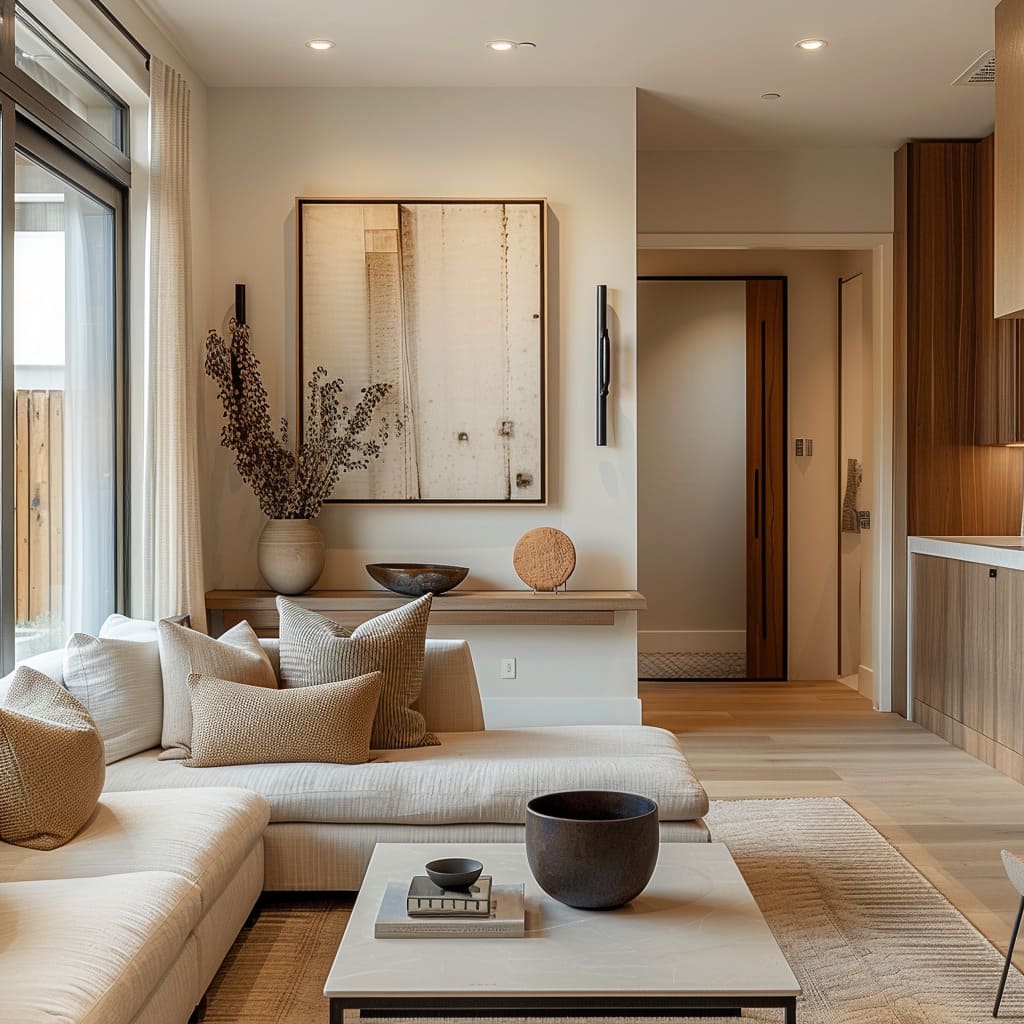
The color scheme in a multifunctional space plays an important role in establishing a sense of openness and cohesiveness. Light, neutral colors can create an illusion of space, making your living area feel larger and more inviting. Consider incorporating shades of white, beige, or soft pastels, which can be complemented by multifunctional furniture in varying textures and materials. This creates visual interest without adding clutter, allowing elements like a sleek grey sofa bed or warm wooden shelving to stand out.
3. Invest in Multifunctional Furniture Pieces
- Modular Sofas: These allow different configurations depending on your needs, making them perfect for both lounging and entertaining. Some designs come with built-in storage, further enhancing their functionality.
- Expandable Dining Tables: A table that can grow to accommodate guests or contracts for intimate dinners is ideal for homes where entertaining is a priority.
- Murphy Beds: For those who often host friends, wall-mounted beds that fold down when needed can free up valuable floor space.
When selecting furniture, always look for pieces that can adapt to the evolving needs of your household. This not only reduces the need for multiple items but also supports a minimalist aesthetic that resonates with contemporary urban living.
For Nigerian homeowners, accessible local markets and online stores now offer a plethora of multifunctional furniture options tailored to suit culturally rich designs while promoting a clutter-free environment. By embracing these products, you can cultivate a stylish yet practical living space that reflects both personal taste and lifestyle needs.
As you implement these strategies, remember that the goal of creating multifunctional spaces is to foster an environment that is both beautiful and functional. By prioritizing clever design, you’re not just managing space; you are enriching your lifestyle, proving that even in the smallest of homes, comfort and elegance can coexist.
Smart Furniture Solutions for Optimal Space Management
Creating multifunctional spaces is an art that combines style and practicality. Using smart furniture solutions, homeowners can effectively optimize their living areas without sacrificing aesthetics. One popular approach is utilizing furniture that offers hidden storage opportunities. For instance, a sofa with built-in drawers can hold cushions, blankets, or even books, transforming an often cluttered area into a tidy retreat.Moreover, consider incorporating modular furniture into your layout. This adaptable furniture allows you to rearrange pieces according to current needs, giving you the flexibility to modify your space as required. Pieces like stackable chairs or expandable dining tables are not only versatile but also provide the perfect solution for small homes that demand efficiency.Additionally, vertical storage options can significantly enhance any room’s functionality. Wall-mounted shelves, hooks, and tall cabinets utilize underused vertical areas, making the most of limited floor space. By strategically placing such storage solutions, you create an organized environment that promotes minimalism while ensuring everything has its designated spot.Lastly, integrating multifunctional elements, such as a coffee table that doubles as a work desk or an ottoman with internal storage, can simplify your life and reduce clutter. These furniture pieces often embody the principles of both minimalism and maximal utility, catering to the modern lifestyle.Discovering how to effectively implement these ideas can transform your home into a space that not only looks great but feels functional and welcoming. Exploring furniture options that prioritize dual functionality will unveil a world where storage and design coexist harmoniously.
RECOMMENDED: Check out this similar article
Maximizing Functionality: Creative Solutions for Small Spaces
As cities in Nigeria continue to grow, the demand for multifunctional spaces has become more pressing. This is where creativity meets necessity, and innovative designs pave the way for efficient living. In finding furniture solutions that prioritize storage and a minimalist approach, there are several additional strategies that can help in achieving the ideal living environment.
4. Explore Hidden Storage Solutions
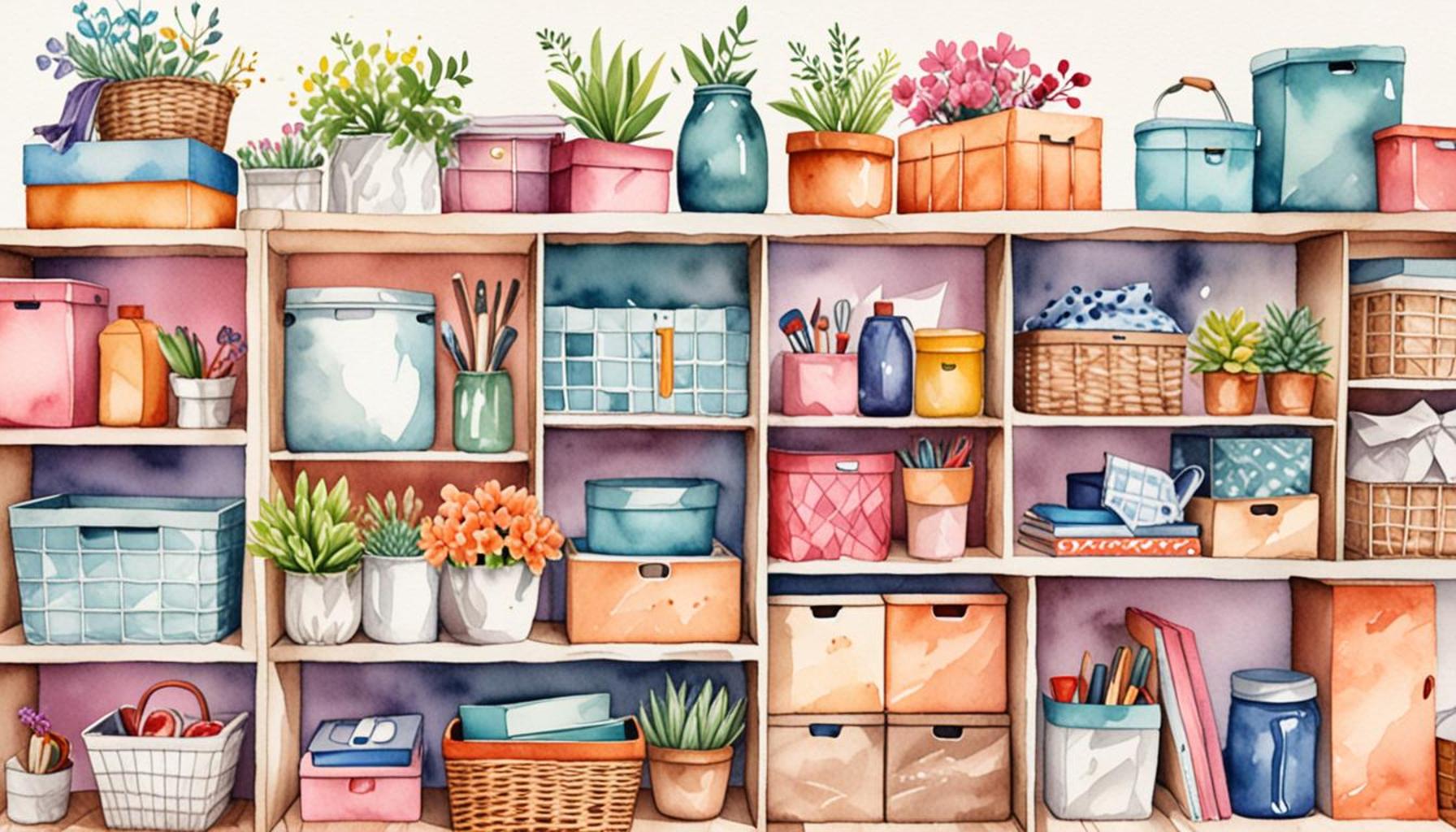
In a compact room, every inch counts. Hidden storage solutions are an essential element of a minimalist lifestyle, contributing significantly to reducing clutter. Consider using ottomans with storage, which can serve as both seating and a space to stow away blankets or magazines. Additionally, beds with built-in drawers or lift-up mechanisms are especially beneficial for maximizing under-bed storage. These choices not only enhance organization but also allow the room to maintain a clean and orderly appearance, crucial for a peaceful environment.
5. Use Vertical Space Efficiently
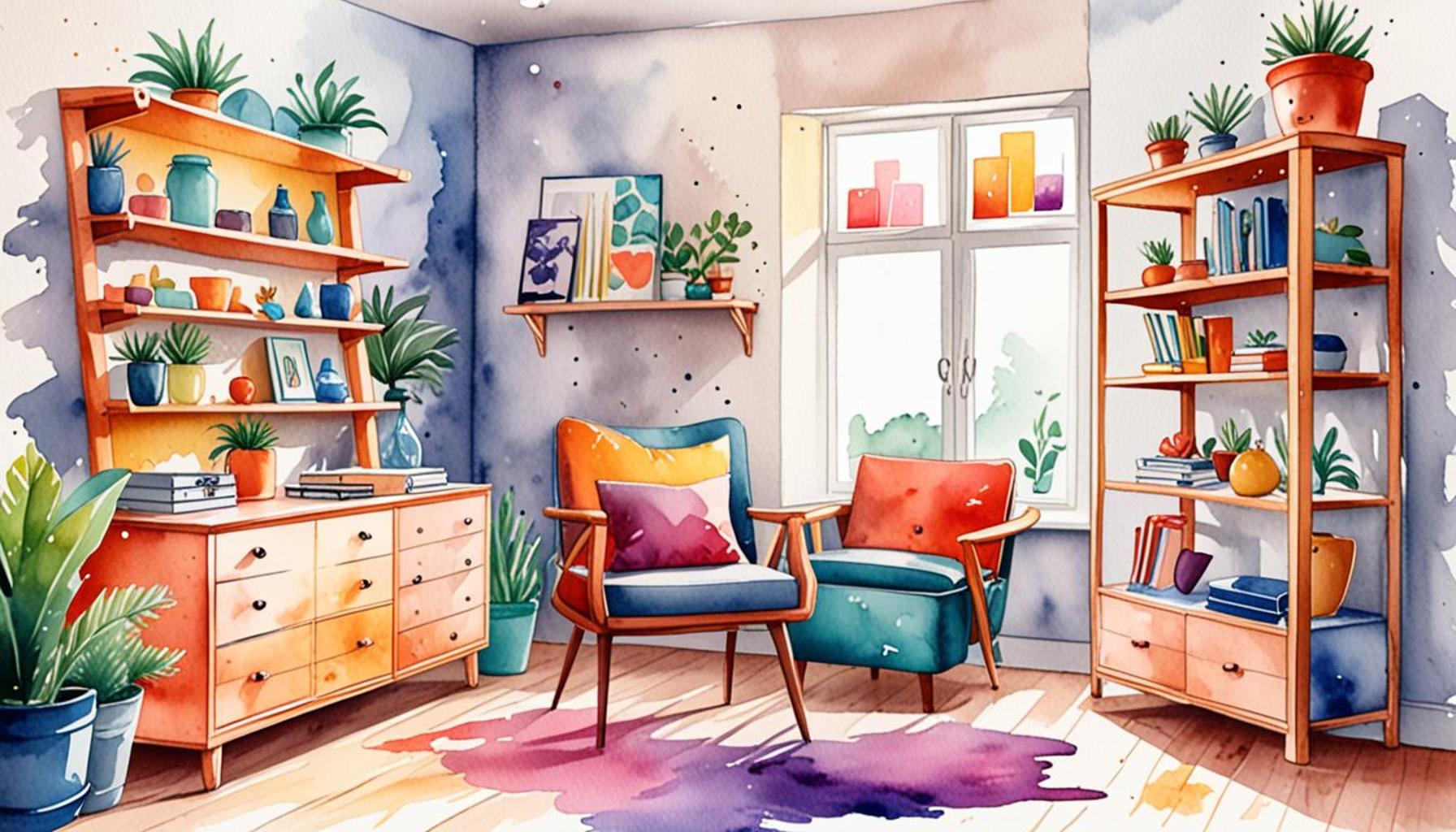
In multifamily apartments or smaller homes, utilizing vertical space is key to creating an open and spacious aesthetic. Wall-mounted shelving comes in various designs and can serve as a platform for books, decorative items, or even kitchen ware. By taking shelves up to the ceiling, you not only draw the eye upwards—making the room feel larger—but also free up valuable floor space for other functions. A vertical garden or floating planter can also transform walls into an eco-friendly focal point, perfect for urban dwellers who want to connect with nature.
6. Designate Zones with Multifunctional Rugs
Rugs serve as practical tools for zoning, defining different areas within a singular space. In a studio apartment, for example, a plush area rug can distinctly signal the living area from the workspace without erecting physical barriers. This not only maintains an open feel but also helps in organizing the layout effectively. Opt for rugs that complement your overall color scheme and blend seamlessly with your multifunctional furniture, creating a cohesive look throughout the space.
7. Embrace Minimalist Accessories
The essence of minimalism is in the details; accessories play a significant role in maintaining this balance. Collections of functional decor items—such as artistic boxes that double as accent pieces or minimalist lamps that provide adequate lighting while being visually appealing—can enrich your space without overwhelming it. Select a few impactful pieces instead of cluttering surfaces with numerous small items. This idea also extends to kitchen gadgets—opt for sleek appliances that seamlessly integrate into your decor rather than bulky versions that detract from aesthetic simplicity.
As you explore these strategies for creating multifunctional spaces, consider the cultural context unique to Nigeria. Incorporating local crafts and vibrant textile patterns into your furniture choices can ensure that your space reflects personal identity while retaining its multifunctionality. The balance of aesthetics and practicality not only enhances the living experience but also acknowledges and celebrates the rich heritage that defines your environment.
Ultimately, optimizing space through thoughtfully selected multifunctional furniture and innovative design techniques transforms how we interact with our homes. By prioritizing storage and reducing clutter, an efficient and harmonious living space is achievable, where every corner serves a purpose without sacrificing style.
LEARN MORE: This related article may interest you
Conclusion: The Future of Multifunctional Living
As urban living in Nigeria becomes increasingly intricate, the importance of multifunctional spaces tailored for both comfort and practicality cannot be understated. Adopting innovative design principles that emphasize storage optimization and minimalism offers a pragmatic approach to combating the challenges of limited space. By creatively integrating hidden storage solutions, utilizing vertical space effectively, zoning with multifunctional rugs, and investing in minimalist accessories, individuals can cultivate environments that are not only aesthetically pleasing but also remarkably efficient.
Looking forward, the rise of multifunctional furniture that serves dual purposes signifies a transformative shift in how we perceive and interact with our living spaces. In a culturally rich context like Nigeria, the melding of local craftsmanship with modern design can yield extraordinary results, providing a unique expression of personal identity while enhancing functionality. Furthermore, as we embrace principles of minimalism, we also pave the way for a sustainable lifestyle, where each piece in our homes is invaluable and purpose-driven.
Ultimately, creating a harmonious living environment that embraces both style and practicality is not just a trend; it is a necessity for modern life. Standout choices in furnishings and innovative designs can lead us toward a future where smaller spaces no longer compromise our quality of life. By continuing to explore and implement these strategies, anyone can transform their home into a multifunctional haven, ensuring that every nook and cranny serves a vital role in their daily lives.