The Importance of Diversity in Literature: Representation and Marginalized Voices in Modern Works
The Role of Diversity in Literature
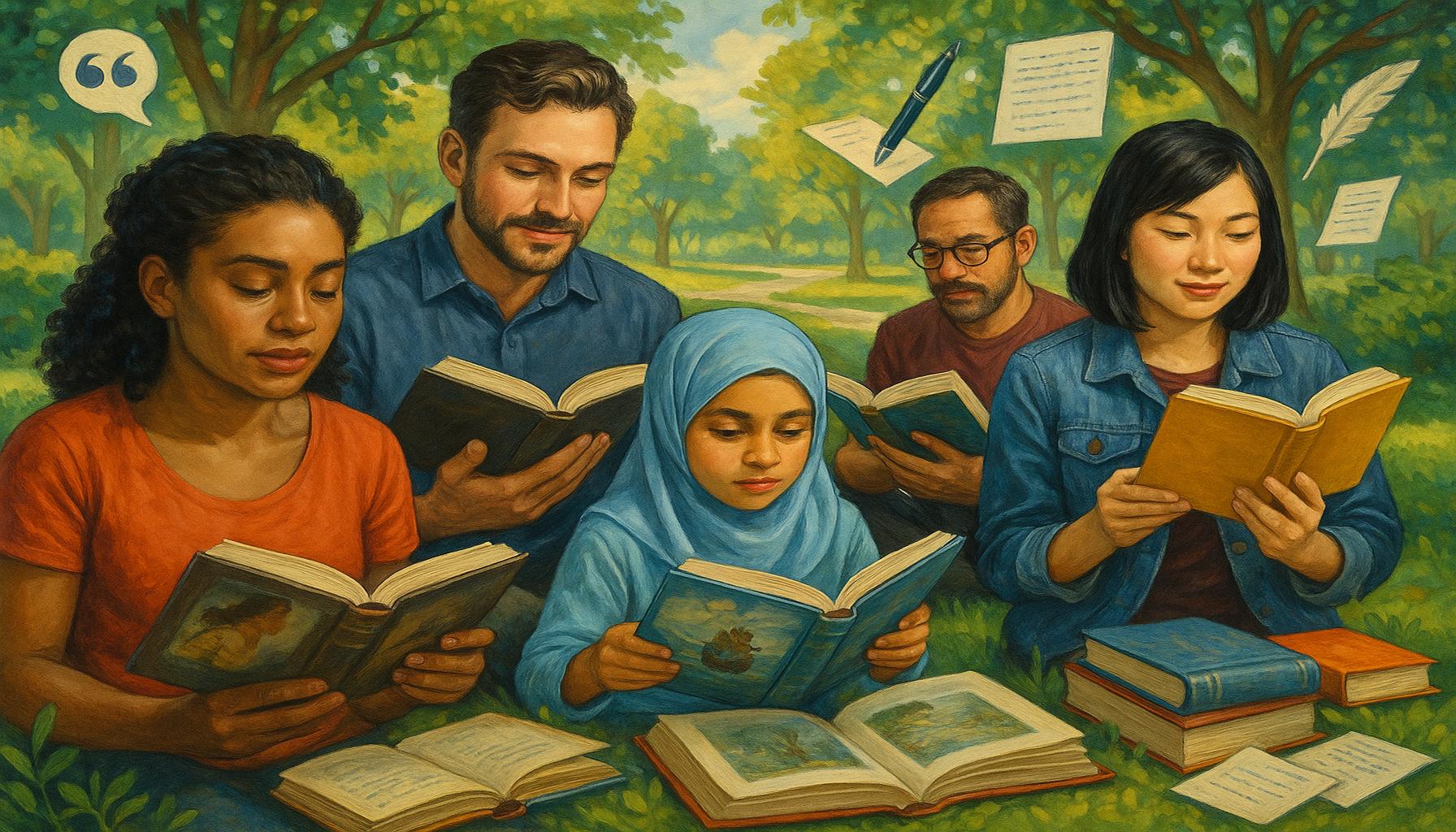
In an increasingly interconnected world, diversity in literature plays a vital role in fostering understanding and empathy among readers. Modern works reflect a rich tapestry of experiences from varied backgrounds, challenging the traditional narratives that have dominated the literary landscape for centuries. The transformation in literature mirrors societal changes, where the call for inclusivity has inspired authors to share stories that resonate with a broader audience.
When delving into the significance of representation, we uncover a myriad of voices that have historically been overlooked. Not only do these narratives enrich the literary scene, but they also educate and inspire. Key themes emerge that highlight the importance of diverse perspectives:
- Marginalized Communities: Literature has become a crucial platform for voices from racial, ethnic, and LGBTQ+ groups. Authors like Chimamanda Ngozi Adichie and Ocean Vuong illustrate profound experiences from their cultural backgrounds, breaking down barriers and inviting readers into their worlds. Works such as “Americanah” and “On Earth We’re Briefly Gorgeous” not only tell individual stories but also shed light on broader societal issues.
- Cultural Awareness: Diverse characters and stories serve to enrich readers’ perspectives, promoting cultural literacy. For instance, reading about different cultural practices, beliefs, and histories fosters a sense of connection and understanding. An example can be found in books like “The Joy Luck Club” by Amy Tan, which delves into the complexities of Chinese-American identity, encouraging discussions about heritage and belonging.
- Authenticity: Authentic representation enhances relatability. When characters reflect the varied experiences of real people, they resonate more profoundly with readers. The rise of young adult literature featuring neurodivergent characters, such as in “The Curious Incident of the Dog in the Night-Time” by Mark Haddon, allows individuals to see themselves represented, further validating their experiences.
Research indicates that exposure to diverse narratives can significantly challenge stereotypes and broaden perceptions. For example, literature featuring voices from immigrant and disability communities invites readers to engage with experiences outside of their own. Stories like “The Kite Runner” by Khaled Hosseini or “Wonder” by R.J. Palacio provide valuable insights into the complexities of identity, struggle, and resilience, driving home the notion that everyone has a story worth telling.
As society continues to evolve, so must the stories we tell. Exploring the importance of diverse literature reveals not only its necessity but also its power to shape a more inclusive future. The landscape of modern literature is ripe for discovery, with indie publishers and new voices emerging that further advance the dialogue around representation and inclusivity. This ongoing transformation illustrates that the journey towards understanding is merely beginning — let’s delve deeper into how representation and marginalized voices impact the narratives we encounter today, and how they invite us to reflect on our own place within the intricate weave of human experience.
DIVE DEEPER: Click here to uncover the art of blending truth and imagination
Unveiling New Narratives
As we navigate through the evolving landscape of modern literature, it is essential to recognize how diverse representation serves not just as an artistic choice but as a necessity that enriches the storytelling experience. Diverse voices in literature offer a counter-narrative to the mainstream, allowing readers to engage with stories that speak directly to the complexities of identity, culture, and human experience. The infusion of marginalized voices into literature invites readers to confront their assumptions and broadens their understanding of the world.
A focal point of this exploration lies in the way literature acts as a mirror reflecting a spectrum of realities. Authors from historically underrepresented communities craft stories that delve into personal and communal struggles, conveying profound lessons through the art of storytelling. Some crucial aspects to consider in this discussion include:
- Intersectionality: Modern literature frequently emphasizes the interconnectedness of various identities, revealing how race, gender, sexuality, and socio-economic status can shape an individual’s experiences. For instance, in “The Hate U Give” by Angie Thomas, the narrative encapsulates the complexities of being a Black teenager facing systemic racism while navigating the challenges of adolescence.
- Empathy Building: Reading diverse narratives fosters empathy by allowing readers to walk in the shoes of characters from different backgrounds. When people engage with the struggles, triumphs, and everyday lives depicted in these texts, they can develop a deeper understanding of issues faced by marginalized communities. Books like “The Absolutely True Diary of a Part-Time Indian” by Sherman Alexie offer a candid look into Indigenous life that many may be unaware of, encouraging compassion and comprehension among a wider audience.
- Challenging Hegemony: Diversity in literature can critically alter the dominant narratives that have long prevailed. By introducing alternative viewpoints and experiences, authors disrupt literary norms and provoke thought around societal norms and expectations. This challenge is evident in Ta-Nehisi Coates’ “Between the World and Me,” which reshapes the dialogue surrounding Black identity and systemic oppression in America.
Research highlights that exposure to diverse narratives not only enriches individual perspectives but can also transform societal attitudes. Studies have shown that reading literature featuring cultures and experiences different from one’s own can increase tolerance and diminish prejudice. For instance, young readers who engage with stories depicting LGBTQ+ characters, such as in “Simon vs. the Homo Sapiens Agenda” by Becky Albertalli, have been found to develop more inclusive attitudes towards their peers.
The imperative for diversity in literature is clear; it is not merely about increasing representation, but about reshaping the narratives that dictate societal understanding. As our cultural landscape continues to change, it is crucial that modern works embrace a multitude of voices, offering readers the opportunity to engage with stories that reflect the richness of the human experience. These narratives invite us to examine our own beliefs, encouraging a collective evolution that carries the potential to foster deeper connections in an increasingly fragmented society.
The Importance of Diverse Representation in Literature
Diversity in literature is not merely a trend but a necessity that enriches the narrative landscape. When we consider marginalized voices, we must recognize that their inclusion adds depth and vibrancy to storytelling. Literature that reflects diverse experiences fosters understanding and empathy, prompting readers to see the world through different perspectives. This representation is critical in combatting stereotypes and dismantling societal biases.Moreover, literature serves as a powerful tool for cultural representation. It provides a platform for authors from various backgrounds to share their stories, reflecting the complexities of their identities and experiences. For readers, particularly from underrepresented groups, seeing characters who resemble them can profoundly impact their sense of belonging and self-worth. This connection may inspire individuals to pursue their own storytelling.In modern works, the inclusion of diverse characters and narratives can influence social change. Authors like Chimamanda Ngozi Adichie and Jason Reynolds tackle pressing issues such as race, gender, and sexuality through their writing. Their works contribute to critical conversations, providing a voice to those often silenced and encouraging dialogue on important social issues.Literary diversity also enhances creativity. By incorporating a variety of cultural elements and storytelling techniques, modern authors challenge traditional narratives and expand the possibilities of their craft. This breaking of conventions opens avenues for new genres and hybrid literature, which invite readers to explore beyond their usual borders.For educators, introducing diverse literature in school curriculums can pave the way for more inclusive classrooms. Students from all backgrounds can see themselves in the stories they read, leading to greater engagement and interest in literature as a whole. By valuing diverse voices, educators not only enhance learning experiences but also prepare students for a globally interconnected society.Therefore, as readers and consumers of literature, recognizing the importance of diversity is key. It allows us to celebrate unique narratives while acknowledging the shared humanity within them. Engaging with diverse literature is an invitation to explore, understand, and appreciate the complexity of the world we live in, making literature a vital cultural artifact that truly represents our society.
DIVE DEEPER: Click here to discover the transformation of literature
Empowering Voices and Expanding Horizons
The role of literature as a vehicle for empowerment cannot be overstated, particularly when it comes to marginalized voices. As we place emphasis on diversity in literature, we must explore how literature provides a platform for those often relegated to the periphery. The stories told by underrepresented authors not only foster a sense of belonging but also empower communities by validating their experiences and perspectives.
One significant trend in modern literature is the rise of autobiographical and semi-autobiographical works, where authors recount their lived experiences directly. These narratives provide a raw, unfiltered perspective that challenges mainstream dialogues. Books like “Becoming” by Michelle Obama and “Educated” by Tara Westover showcase the power of personal storytelling in addressing societal issues such as race, gender, and classism. Through these compelling narratives, readers gain insight into the resilience of the human spirit and the struggles faced by those who dare to break the mold.
Furthermore, literature that encompasses diverse voices also sparks critical dialogues, allowing readers to confront uncomfortable truths. Works such as “The Nightingale” by Kristin Hannah and “Homegoing” by Yaa Gyasi reveal historical injustices and the ongoing implications of colonialism, slavery, and systemic oppression. By engaging with these texts, readers not only educate themselves but are also invited to reflect on the socio-political dynamics that persist in society today.
The significance of literature as a tool for advocacy cannot be overlooked. Many contemporary authors are not just storytellers but are also activists who use their craft to raise awareness about pressing issues. Representative works like “The Fire Next Time” by James Baldwin and “Sister Outsider” by Audre Lorde bridge literary and social activism, demonstrating how literature can drive cultural change. Their writings encourage readers to become more socially aware and challenge the status quo, emphasizing the importance of marginalized voices in shaping public discourse.
In addition to individual empowerment, literature’s role in community building is invaluable. By showcasing shared experiences among various cultures, diverse literature fosters solidarity among different groups. For example, the anthology “The Things They Carried” by Tim O’Brien explores the collective trauma of Vietnam War veterans, creating a space for dialogue on mental health and the ongoing impacts of war. Such works underscore the power of literature to unite disparate voices in shared understanding and empathy.
Statistics reveal a growing demand for diverse literature among readers globally. According to a 2020 survey by the Cooperative Children’s Book Center, the percentage of children’s books written by authors of color has increased to 30%, marking a significant shift from previous decades. This growth not only reflects changing readership demographics but also signals a broader cultural acknowledgment of the importance of representation in storytelling.
As we delve deeper into the landscape of modern literature, the need for embracing diversity remains paramount. The experiences conveyed via diverse narratives are not just a reflection of different lives but an enlightening invitation to rethink personal biases and societal structures. Every book has the potential to change a mind, and when those books include marginalized voices, they have an even greater ability to spark critical conversations that can reshape cultural narratives.
DISCOVER MORE: Click here to uncover inspiring stories
Embracing Diversity for a Richer Literary Landscape
In conclusion, the importance of diversity in literature extends far beyond mere representation; it is about creating a tapestry of voices that reflects the multifaceted reality of human experiences. As we have explored, literature serves as a powerful platform through which marginalized voices can share their stories, foster understanding, and challenge the status quo. This pivotal role not only enhances our cultural repertoire but also invites readers to actively engage with narratives that they may not have encountered otherwise.
By amplifying these marginalized voices, we open the door to greater empathy and solidarity, allowing for critical discussions about identity, history, and social justice. The growing body of work from diverse authors is a testament to a shifting literary landscape that acknowledges the richness of varied perspectives. From autobiographical narratives that reveal personal truths to fictional tales that resonate with collective experiences, modern literature plays a crucial role in reflecting societal complexities.
As readers and advocates, it is our responsibility to seek out and elevate these diverse voices. Each narrative has the potential to educate, empower, and ultimately transform our understanding of the world. As the demand for diverse literature continues to rise, it signals a collective acknowledgment of the invaluable contributions these stories make to our cultural discourse. Embracing this diversity is not just beneficial for literature; it enriches our lives and equips us to face the challenges of an increasingly connected yet polarized world.
As we turn our pages forward, let us commit to championing representation in literature, enabling a future where every voice is heard and valued. In doing so, we can cultivate a literary community that reflects the richness of human experience and inspires generations to come.