The Influence of Classic Literature on Contemporary Writing: A Dialogue between Eras
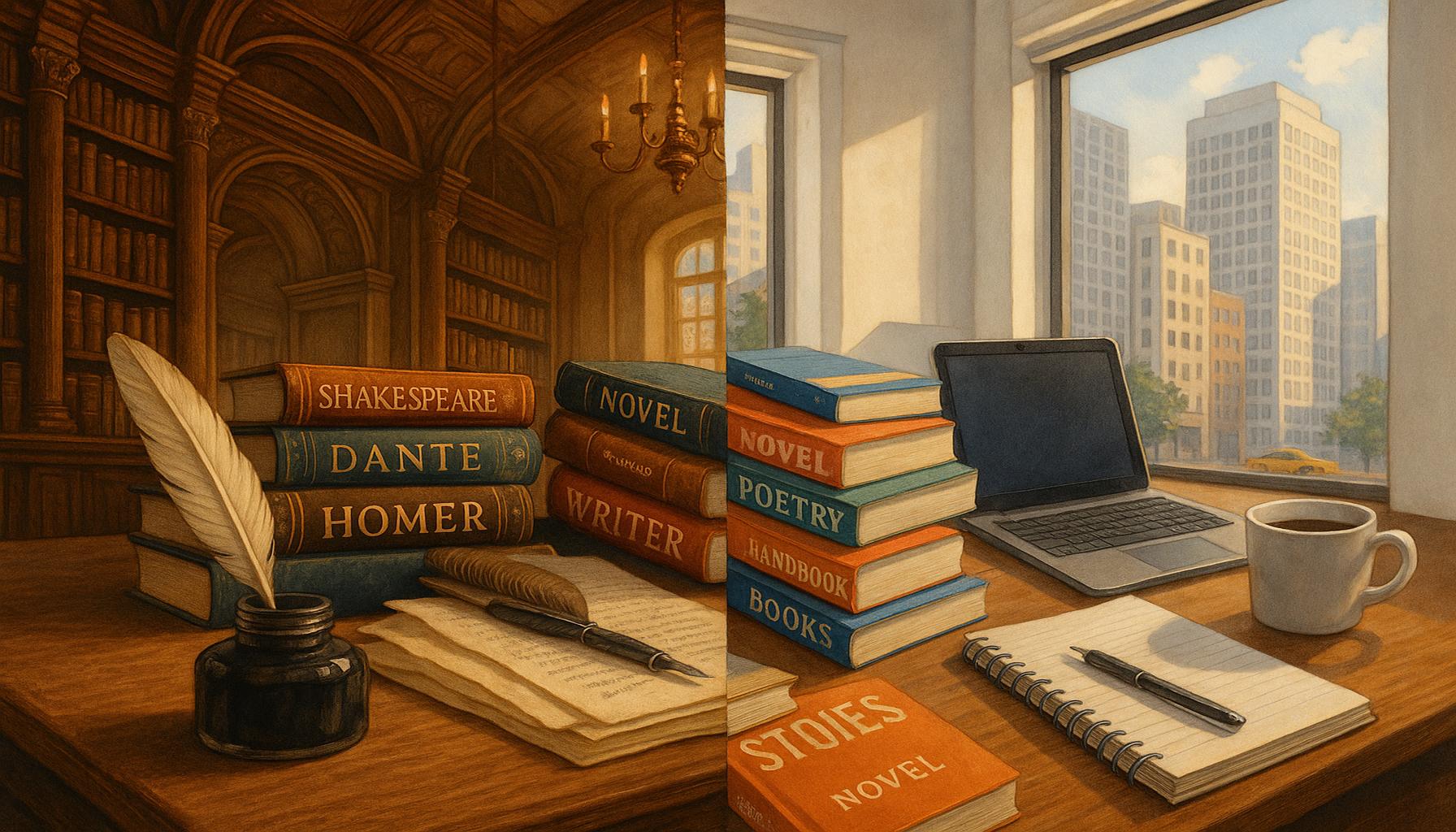
The Interplay of Classic and Modern Literature
Literary continuity between classic and contemporary works reveals a captivating relationship that transcends time. As modern authors craft their narratives, they frequently draw upon the rich tapestry of classic texts—utilizing timeless themes, recognizable character archetypes, and established narrative techniques that have shaped literary history. This connection not only highlights the transformative nature of storytelling but also enriches the reader’s experience by weaving together an ongoing dialogue across generations.
Timeless Themes
Many timeless themes found in classic literature—such as love, ambition, and moral dilemmas—remain highly relevant today. For instance, the quest for identity and the struggle between individual desires versus societal expectations echo throughout Jane Austen’s works and resonate in contemporary novels like John Green’s The Fault in Our Stars. These universal themes tap into the collective human experience, allowing readers from diverse backgrounds to connect emotionally with the characters and their journeys.
Character Archetypes
Character archetypes are another bridge between epochs. The classic hero, the tormented antihero, and the tragic flawed protagonist are prevalent in both ancient epics and modern narratives. For example, Shakespeare’s tragic hero Macbeth, driven by ambition and guilt, finds a parallel in characters like Walter White from the television series Breaking Bad. These archetypes provide a framework for storytelling, enabling contemporary authors to explore complex moral landscapes and the intricacies of human nature.
Narrative Techniques
Literary techniques, including stream-of-consciousness and unreliable narrators, reveal their roots in earlier literature, continuing to evolve in contemporary storytelling. Virginia Woolf’s use of stream-of-consciousness in novels like Mrs. Dalloway has inspired modern authors such as Jonathan Safran Foer in Extremely Loud and Incredibly Close. By employing these techniques, writers enhance their narratives, inviting readers into the minds of characters as they grapple with their realities.
Influences in Modern Genres
The influence of classic literature extends deeply into modern genres, shaping convention and narrative structure in fields like romance, mystery, and speculative fiction. For instance, the gothic elements in Mary Shelley’s Frankenstein can be felt in contemporary works such as Neil Gaiman’s The Ocean at the End of the Lane, showing how the past can breathe life into new fictional realms.
Intertextuality and Revived Styles
Intertextuality plays a crucial role, as contemporary writers frequently reference and engage with classic texts. This dynamic creates layered meanings that invite readers to explore connections across time. For example, in her novel Beloved, Toni Morrison draws on the legacy of slavery and the haunting impact of the past, echoing themes found in works by authors such as Harriet Beecher Stowe. Furthermore, by reviving styles from the classics, modern authors can evoke nostalgia while critiquing contemporary societal issues, a technique often used by writers like Junot Díaz.
By examining this rich interplay, readers can uncover the profound ways in which classic literature informs and inspires contemporary writing. This exploration reveals not merely a linear progression but a vibrant tapestry of shared narratives and innovative approaches that continue to enrich the literary landscape.
DIVE DEEPER: Click here to discover inspiring narratives
The Echoes of the Past in Modern Storytelling
As we delve deeper into the intricate relationship between classic literature and contemporary writing, it becomes increasingly evident that the echoes of the past resonate through modern narratives. Authors today often stand on the shoulders of literary giants, intentionally or inadvertently channeling the themes, character constructs, and narrative styles that have been honed over centuries. This dialogue not only resonates within the texts themselves but also speaks volumes about the socio-cultural contexts that both periods inhabit.
The Impact of Classic Themes on Contemporary Issues
Classic literature is rife with timeless themes that have remained relevant as society evolves. These themes, such as love, loss, identity, and social justice, serve as the backbone for many contemporary narratives. Authors like Chimamanda Ngozi Adichie in Americanah draw upon the classic theme of identity, intertwining it with modern conversations about race, immigration, and belonging. This melding of old and new not only enriches the narrative but also provides a platform for deeper engagement with issues that continue to shape society.
The Evolution of Character Constructs
Character archetypes breathe life into stories, offering readers familiar touchpoints across eras. The flawed hero, so masterfully crafted by authors like Fyodor Dostoevsky, lives on in contemporary literature through characters such as Katniss Everdeen in Suzanne Collins’ The Hunger Games. These complex protagonists grapple with their morals and society’s expectations, inviting readers to engage in the age-old question of what it means to be human. The emotional depth of these characters strikes a chord, making their struggles intensely relatable in today’s world.
Redefining Narrative Techniques
Moreover, the impact of narrative techniques from classic literature can be observed in modern storytelling practices. Techniques such as frame narratives and non-linear timelines, which have their roots in texts like Geoffrey Chaucer’s The Canterbury Tales or Gabriel García Márquez’s One Hundred Years of Solitude, have found new life in works by authors such as David Mitchell in Cloud Atlas. The innovative use of such techniques not only keeps readers engaged but also challenges their perception of time and storytelling structure.
A Survey of Modern Genres
The pervasive influence of classical literature is evident across various modern genres. Classic tropes such as heroism, betrayal, and redemption can be seen in contemporary adaptations and original works alike. Here are some genres where classic literature’s influence is particularly pronounced:
- Fantasy: Works like J.R.R. Tolkien’s The Lord of the Rings are grounded in archetypal narratives reminiscent of ancient myths.
- Romance: The layered emotional connections in classic novels by the Brontë sisters profoundly impact modern romance, evident in novels like Pride and Prejudice and Other Flavors by Sonali Dev.
- Mystery: The psychological tension and intrigue found in Sherlock Holmes stories continue to redefine the conventions of the genre today, influencing writers like Tana French.
Through these explorations, one begins to appreciate how classic literature serves not merely as a nostalgic reference but as a living, breathing element within contemporary writing. This ongoing dialogue invites readers to uncover both the familiar and the innovative, fostering a richer and more nuanced literary landscape.
| Impact of Classic Themes | Influence on Modern Narratives |
|---|---|
| Timeless Archetypes | Classic literature presents archetypes that resonate in contemporary storytelling, such as the tragic hero or the quest narrative. |
| Enduring Themes | Themes like love, struggle, and morality from classic works continue to shape the emotional core of modern literature. |
Classic literature offers a rich tapestry of themes and archetypes that not only engage readers but also serve as a foundational framework for contemporary authors. The exploration of timeless archetypes—characters and story arcs that have persisted through centuries—enriches modern narratives. For instance, the figure of the tragic hero can be found within the pages of both Shakespeare and modern novels, providing a point of reflection for audiences across generations.Moreover, the enduring themes present in these classical works, such as the complexities of love, the nuances of human struggle, and the weight of moral dilemmas, continue to resonate with today’s readers. Contemporary writers often draw from these universal concepts, regrounding them in the context of modern society, while maintaining the depth found in classic literature. This dialogue between eras not only bridges time but also invites readers to delve deeper into the evolving understanding of human experience. As literature progresses, the conversation between past and present becomes ever more crucial, revealing how classic literature profoundly influences contemporary writing in both form and content.
DIVE DEEPER: Click here to uncover the art of blending truth and imagination
The Intertwining of Language and Style across Timelines
The style and language used in classic literature often lay a foundation that contemporary authors build upon to shape their own unique voices. The lyrical prose of William Faulkner or the concise yet impactful narratives of Ernest Hemingway continue to inspire today’s writers as they navigate the balance between literary beauty and accessibility. The interplay of rich, descriptive language and stripped-back dialogue defines much of modern storytelling, adapting age-old techniques to suit modern sensibilities.
The Revival of Poetic Forms
In recent years, poetic forms have made a resurgence in contemporary literature, a clear homage to the structured elegance of poets like Emily Dickinson or Langston Hughes. Modern authors such as Amanda Gorman in her collection The Hill We Climb exemplify this trend, utilizing verse to convey potent messages and engage with the collective consciousness of society. This revival not only showcases the adaptability of classic literary forms but also emphasizes the enduring power of rhythm and imagery in resonating with today’s audience.
The Role of Symbolism and Imagery
Classic literature is steeped in symbolism, where ordinary objects or elements acquire deeper meanings. For instance, the green light in F. Scott Fitzgerald’s The Great Gatsby serves as a powerful symbol of unattainable dreams. Contemporary authors continue to harness this literary device, creating symbols that resonate with current cultural or political climates. In novels like The Night Circus by Erin Morgenstern, the blending of whimsical imagery and symbolic elements generates layers of meaning, allowing for a multifaceted reading experience. Such approaches encourage readers to actively engage with the text, uncovering interpretations that bridge the gap between eras.
Social Commentary Through a Literary Lens
Another notable influence of classic literature on contemporary writing is the art of social commentary. Authors like Charles Dickens and George Orwell, renowned for their critiques of societal norms and injustices, have paved the way for modern writers to voice their perspectives on pressing issues. Contemporary novels like The Hate U Give by Angie Thomas echo this legacy, addressing themes of race, inequality, and identity in a manner that resonates deeply with today’s youth. The challenges faced by characters in these stories not only reflect the ongoing battles for social justice but also encourage readers to confront uncomfortable truths within their own realities.
Genre Blending as a Literary Evolution
The boundaries between genres continue to blur as authors draw inspiration from classic literature while crafting their narratives. This genre-blending invites readers to experience familiar themes in innovative ways. For instance, novels like Mexican Gothic by Silvia Moreno-Garcia merge elements of gothic horror with rich cultural history, reminiscent of works by authors such as Edgar Allan Poe. Such fusion not only enriches the reading experience but also indicates a literary evolution worthy of exploration, as it emphasizes modern society’s multifaceted nature.
- Historical Fiction: Writers like Hilary Mantel in Wolf Hall utilize classic narrative techniques to explore historical events, drawing parallels to contemporary issues.
- Young Adult Fiction: The genre captures the spirit of classic coming-of-age narratives, as seen in works like Looking for Alaska by John Green, which reflect the complexities of youth.
- Speculative Fiction: Authors like Octavia Butler have expanded the genre’s boundaries while connecting to classic dystopian narratives, highlighting societal concerns through a futuristic lens.
As these thematic explorations and styles illustrate, the influence of classic literature on contemporary writing is an ongoing dialogue that bridges time and space. This conversation not only enriches the reading experience but also invites both writers and readers to reconsider the role of literature in reflecting and shaping society.
DIVE DEEPER: Click here to discover the art of blending truth and imagination
Conclusion: An Unbroken Chain of Influence
The enduring legacy of classic literature serves as a vital thread in the tapestry of contemporary writing, weaving together the past and present in a dialogue that continues to evolve. As we examine the myriad ways in which classic texts shape modern narratives—from the revival of poetic forms to the nuanced ways in which authors address social issues—it becomes evident that these literary giants provide both inspiration and a template for probing deeper into the human condition. The revival of symbolism and eloquent prose not only evokes nostalgia but also invites contemporary readers to engage textually and emotionally with works that echo their own experiences.
Moreover, the rising trend of genre-blending demonstrates a dynamic evolution in storytelling that honors traditional literary conventions while inviting innovative approaches. Through the adoption and adaptation of these techniques, modern writers are able to tackle complex themes reflective of today’s societal challenges, resonating with audiences in profound ways. The continuous interplay between eras enriches literature, fostering a community of readers and writers who find meaning across generations.
Ultimately, by understanding the influence of classic literature on contemporary writing, we are reminded that literature is not merely an echo of the past, but a living dialogue that shapes our present and future. This cross-temporal conversation not only affirms the relevance of classic works but also challenges us to explore new narratives and forms, crafting a literary landscape that is as diverse and multifaceted as the society it reflects. Encouraging further exploration into this rich interplay offers a promising avenue for both appreciation and critical dialogue in the world of literature.