Digital Craftsmanship: The Intersection of Technology and Creativity
Unlocking New Possibilities
In today’s fast-paced world, the fusion of technology and creativity is reshaping how we approach craftsmanship. The rise of digital tools has transformed traditional practices, allowing artisans to explore new avenues of expression that were previously unimaginable. This dynamic shift is not just a trend, but a profound evolution in how art, design, and manufacturing intersect.
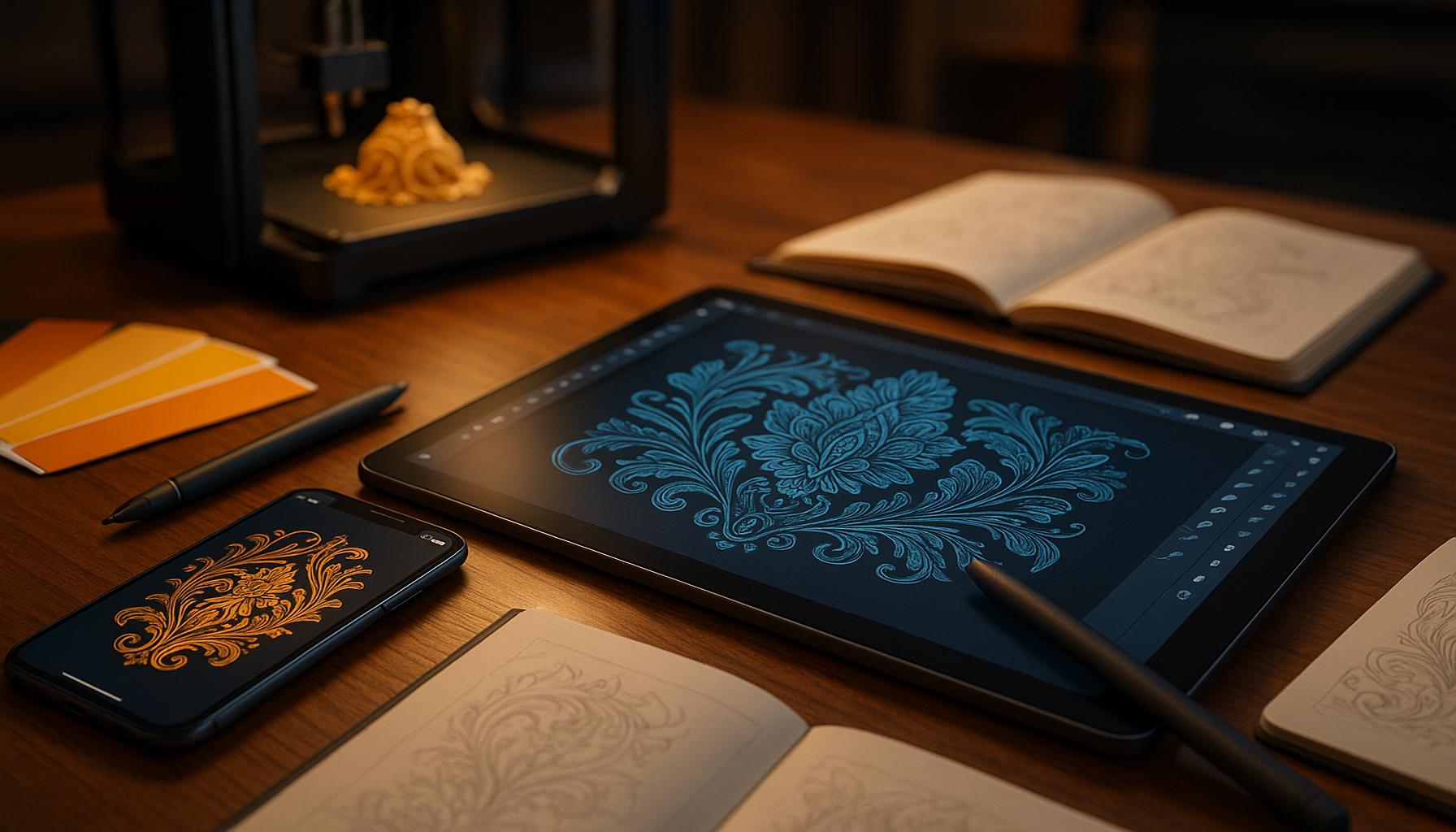
Among the most significant advancements is 3D printing, a technology that has revolutionized both prototyping and manufacturing processes. Artists and designers can create intricate models and structures in a matter of hours, which might have taken weeks using traditional methods. For instance, consider how architects employ 3D printing to produce scaled models of their designs, allowing clients to visualize spaces with unparalleled accuracy. Similarly, jewelry designers can craft personalized pieces, tailoring every detail with precision. This democratization of production enables even small-scale creators to bring their visions to life without the need for extensive resources or manufacturing facilities.
Another transformative element is digital design software. Programs like Adobe Creative Suite and Sketch empower artists and designers with limitless possibilities, allowing for intricate graphics and animations at the click of a button. Digital platforms enable creatives to manipulate color, shape, and texture in ways that enhance their artistic vision. Furthermore, the convenience of online tutorials and resources fosters skill development, enabling budding artists to refine their craft and embrace innovation.
Immersive technology, particularly Virtual Reality (VR), is taking artistic expression to new heights. Artists can create and showcase their work in fully interactive environments, inviting audiences into their creative worlds. For example, VR art installations allow visitors to walk through a digital landscape where they can engage with the artwork in a multidimensional space. This enhances creative engagement, creating experiences that are not only visual but also tactile and auditory.
Moreover, the digital realm not only broadens opportunities for creators but also encourages collaboration across disciplines. Artists, engineers, and technologists now work hand-in-hand to produce remarkable innovations. Collaborative projects often yield surprising results and unexpected solutions, redefining what is possible in the realm of creativity.
As we delve deeper into digital craftsmanship, we discover how these technologies are fostering a new breed of creators who challenge the boundaries of conventional art forms. However, this exploration reveals not only the benefits but also the potential challenges that accompany such rapid advancements. Issues such as intellectual property rights and the sustainability of materials used in digital production remain at the forefront of discussions among creators.
How does one navigate this intricate blend of creativity and tech? As we uncover the nuances of this field, we will explore its impact on the future of artistry, offering insights into how the next generation of creators can thrive amidst technological evolution. With each innovation, the landscape of creativity is continually being redefined, heralding an exciting era of artistic expression.
DIVE DEEPER: Click here to uncover the connections
Embracing the Digital Revolution
The emergence of digital craftsmanship has redefined the creative landscape, making it increasingly accessible for artists and innovators alike. This crossroad of technology and creativity is not only inviting new talents into the field but also challenging seasoned professionals to adapt to this evolving environment. As the barriers to entry lower, we see a growing number of individuals harnessing the power of technology to manifest their ideas, leading to a thriving ecosystem of creativity.
One key area where this intersection has flourished is in the domain of graphic design. The availability of digital design tools allows designers to experiment freely and bring their concepts to life with speed and precision. Advanced features of software such as Adobe Illustrator and Procreate enable designers to work seamlessly across platforms, creating everything from logos to intricate illustrations. The ability to alter designs with effortless precision encourages creative exploration, resulting in original artistic expressions not achievable before.
Moreover, the use of augmented reality (AR) is gaining traction as a significant component of digital craftsmanship. AR technology allows designers and artists to overlay digital information onto the physical world, creating interactive experiences that blend reality with the digital realm. For instance, brands like IKEA have utilized augmented reality in their apps, which allow customers to visualize how furniture will look in their homes before making a purchase. This approach not only enhances customer engagement but also provides a unique opportunity for designers to showcase their work in real-life contexts.
The workshops and makerspaces proliferating across the United States exemplify this fusion of technology and creativity. These community-centric spaces equip individuals with tools like cutting-edge laser cutters and CNC machines, enabling them to fabricate intricate products that were once confined to industrial settings. Participation in these hubs fosters collaboration, innovation, and sharing of best practices among like-minded creators, resulting in an invigorated community of ‘digital artisans.’
- Collaborative Projects: These spaces encourage group efforts where individuals from diverse backgrounds unite to tackle creative challenges.
- Skill Development: Makerspaces often host workshops led by experienced artisans, enhancing craft skills and sparking new interests.
- Prototyping and Product Development: Rapid access to advanced tools allows creators to iterate their ideas quickly, moving from concept to prototype in record time.
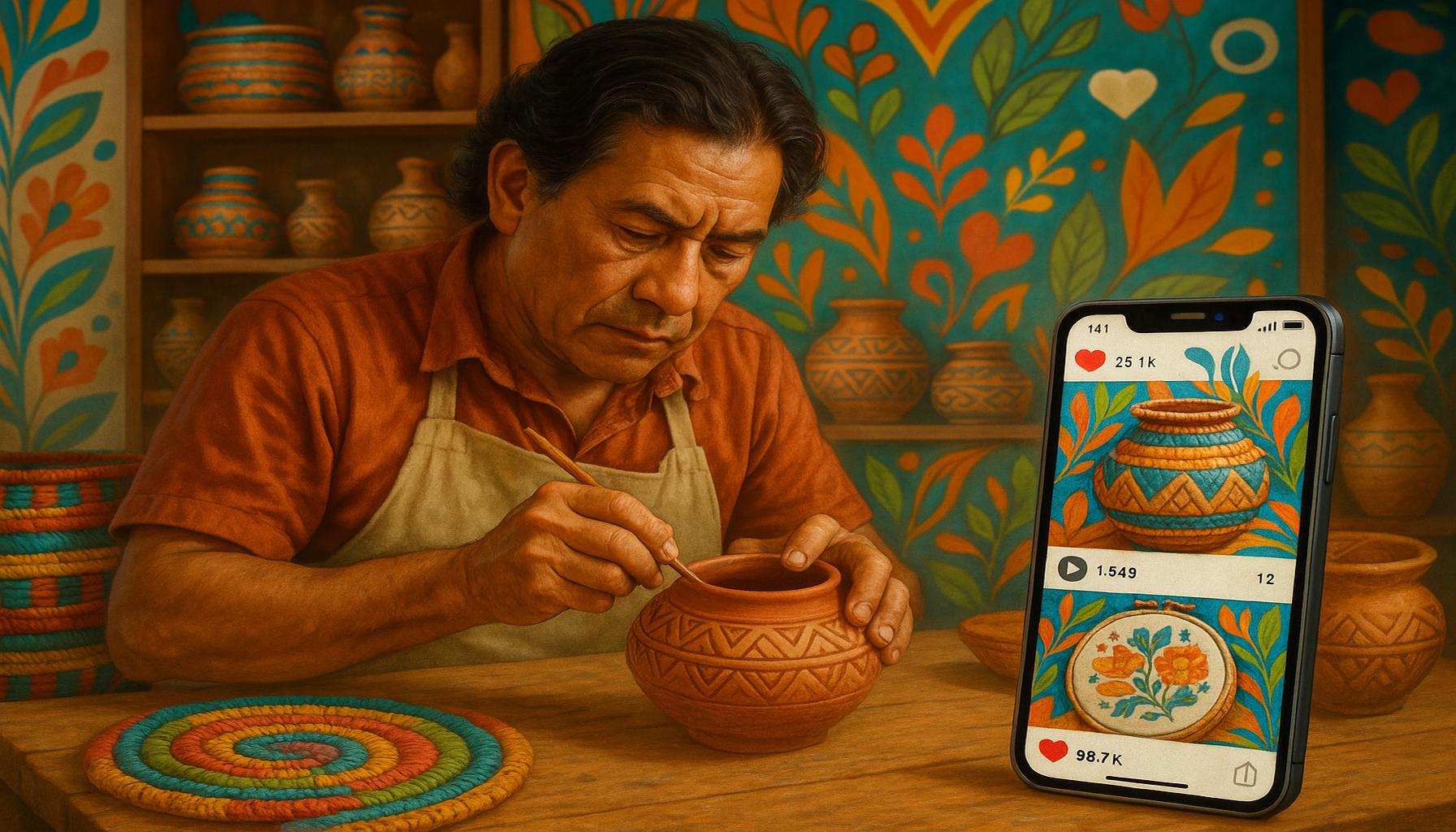
In the realm of digital craftsmanship, one cannot overlook the crucial role of social media. Platforms like Instagram and Behance serve as both a portfolio and a marketplace, enabling artists to share their work with global audiences instantly. This connectivity fosters a culture of inspiration and feedback, pushing creators to refine their techniques continually. As artists gain exposure through these channels, they can cultivate personal brands while expanding their reach and influence.
As we explore the vast terrain of digital craftsmanship, we begin to grasp the myriad possibilities brought forth by technology. These advancements are creating an ecosystem that encourages innovation, collaboration, and a reimagining of what it means to be an artist in the 21st century. The confluence of these elements is not merely a transitional state but a complete reconfiguration of the creative process, inviting us to ponder the profound implications for the future of artistry.
Exploring the Advantages of Digital Craftsmanship
| Category | Key Features |
|---|---|
| Innovative Design Processes | Utilizes cutting-edge software tools and techniques to enhance creativity. |
| Collaboration Opportunities | Fosters teamwork across disciplines, bridging gaps between artists and technologists. |
| Accessibility of Resources | Provides easy access to diverse digital libraries and community tutorials. |
| Rapid Prototyping | Enables quick iteration on ideas, reducing time from concept to production. |
Digital craftsmanship is transforming the way we think about creativity and technology. By leveraging these innovative design processes, creators can push the limits of what is possible. The collaborative opportunities fostered by this new landscape allow for transformative partnerships, resulting in unique and diverse works of art. Moreover, the accessibility of resources through the internet means that aspiring artists and developers are only a click away from learning essential skills and gaining inspiration. This not only democratizes creativity but also amplifies the potential for truly original content. Lastly, the benefit of rapid prototyping has proven invaluable, as it allows creators to visualize and refine their ideas swiftly, driving innovation at an unprecedented pace. Explore these facets of digital craftsmanship further and discover endless opportunities for creativity today!
DIVE DEEPER: Click here to learn more about the healing power of creative writing
The Role of Artificial Intelligence in Creative Processes
As we delve deeper into the realm of digital craftsmanship, the influence of artificial intelligence cannot be overlooked. AI is rapidly transforming the creative landscape by offering tools that enhance productivity, foster creativity, and streamline workflows for artists and designers. AI-driven platforms, such as RunwayML and Daz 3D, empower users to create stunning visuals and animations—opening up new dimensions of artistic expression that were previously unimaginable.
One remarkable aspect of AI in digital craftsmanship is its ability to learn from existing art styles, enabling creators to experiment with variations and compositions. For instance, using neural networks, artists can apply the aesthetics of renowned styles or even create new ones by blending different influences. This method, sometimes referred to as “style transfer,” exemplifies how AI is reshaping the creative process, making it an invaluable assistant rather than a replacement for human creativity.
Moreover, the power of machine learning is evident in music and sound design, as platforms like Amper Music and AIVA allow users to compose original tunes tailored to specific moods or genres. For content creators and filmmakers, these tools offer the flexibility to generate soundtracks effortlessly, thus saving time and resources while allowing for the exploration of unique auditory landscapes.
Diversity in Creative Expression
The integration of digital craftsmanship encourages a more inclusive representation within artistic fields. Traditionally underrepresented voices now have the opportunity to break into established spheres, thanks to digital platforms that provide a global stage. For instance, emerging artists can use social media channels to share their work, whereas crowdfunding sites like Kickstarter have enabled unique projects to gain visibility and support from diverse audiences.
Furthermore, diverse cultural influences are abundantly present in contemporary digital artistry. Artists are blending traditional methods with modern technologies, creating hybrid artworks that celebrate cultural heritage while appealing to a global audience. This fusion not only enriches the creative ecosystem but also serves as an educational tool for those interested in exploring various cultures through the lens of digital art.
The Impact of Online Learning and Accessibility
The democratization of learning resources has also played a pivotal role in advancing digital craftsmanship. With platforms like MasterClass, Skillshare, and YouTube, individuals can access courses taught by industry professionals and learn at their own pace. This accessibility fosters a culture of continuous improvement and skill development, empowering aspiring artists to explore and refine their abilities in both traditional and digital formats.
The emergence of online communities further supports this growth, offering spaces for feedback, collaboration, and connection. Artists are no longer isolated in their studios; they can share insights, seek mentorship, and embark on collaborative projects with creators from around the world. This collective interaction serves to elevate the quality of art produced and nurtures relationships that transcend geographical boundaries.
In combining the worlds of technology and creativity, the digital craftsmanship movement offers endless potential for exploration and innovation. As artists continue to leverage tools ranging from AI to community-driven platforms, they contribute to an ever-evolving narrative that celebrates creativity in a digital age.
DISCOVER MORE: Click here to delve into emerging literary genres
Conclusion
In conclusion, the phenomenon of digital craftsmanship illustrates a remarkable shift in how we perceive and engage with creativity in the modern age. By merging technology with traditional artistic techniques, we foster a landscape rich with opportunities for both seasoned artists and newcomers alike. The advent of artificial intelligence has not only enhanced creativity but has seamlessly integrated new tools into the artistic process, allowing creators to explore uncharted territories in visual arts, music, and design.
The drive toward inclusivity within this realm amplifies diverse voices and perspectives, enriching the overall narrative even further. Platforms that promote accessibility democratize learning and open doors for aspiring artists to hone their skills and showcase their unique styles to a global audience. As individuals from various backgrounds collaborate and share insights, they cultivate a sense of community that transcends conventional artistic boundaries.
Ultimately, the intersection of technology and creativity through digital craftsmanship invites endless exploration and innovation. As we embrace the tools and platforms available, we are poised to redefine traditional art forms, create hybrid masterpieces, and perhaps even inspire future generations of artists. This evolution encourages us to consider not only how we create but also how we connect and communicate through art. The journey of digital craftsmanship is just beginning, and as the creative landscape continues to expand, it beckons us to stay curious, engaged, and excited about what lies ahead.