How Crafting Can Promote Mental Well-Being and Creativity
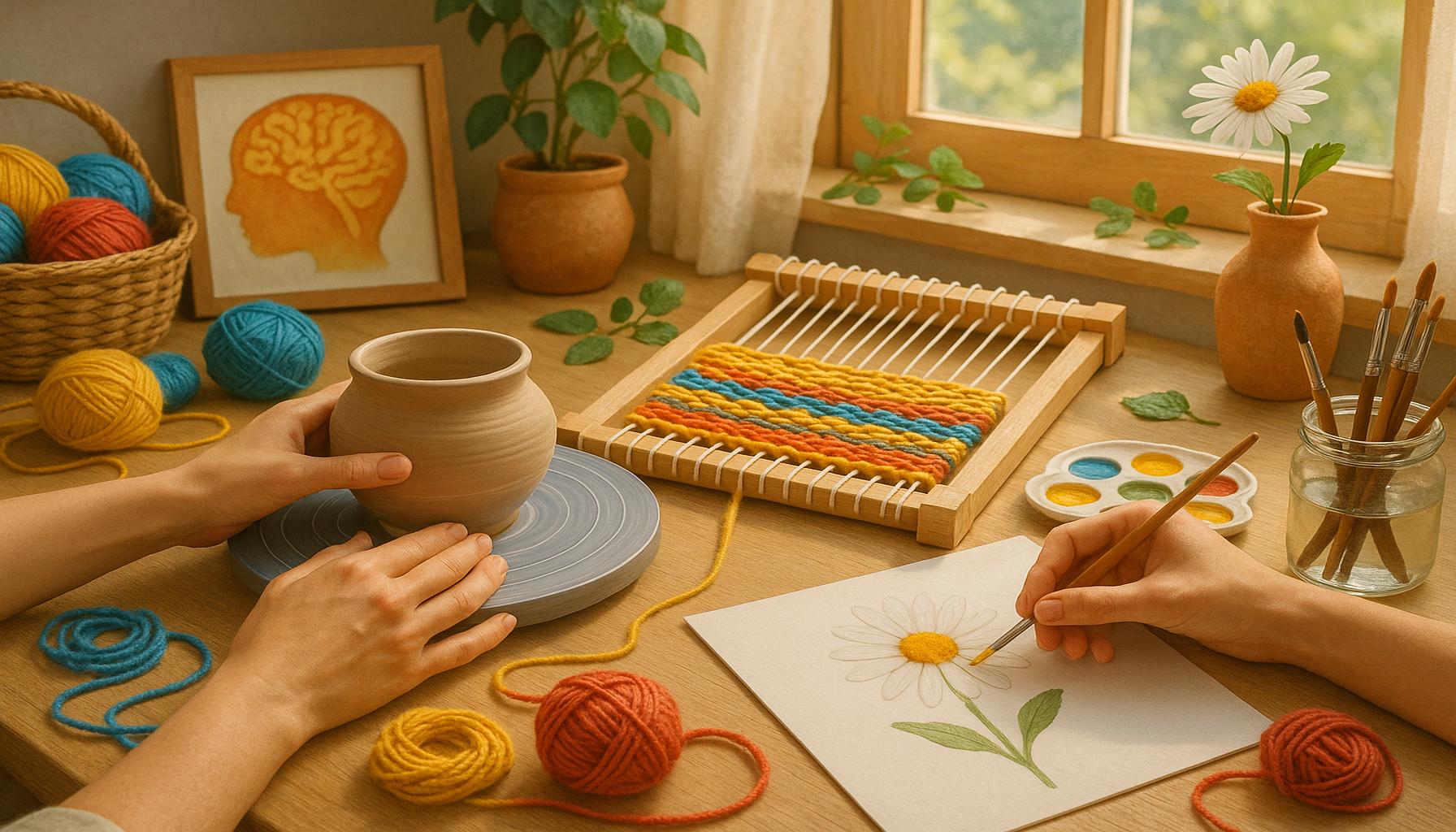
The Mental Health Benefits of Crafting
In recent years, there has been a notable surge in interest around mental health awareness, prompting many to explore new avenues for improving their overall well-being. One such avenue that has gained significant traction is crafting. This versatile and enjoyable activity not only serves as a creative outlet but has also been recognized for its various therapeutic benefits. Engaging in crafting activities allows individuals to momentarily escape the pressures of daily life and connect with their inner selves.
Hands-on activities have surprising effects on mental health, far beyond mere distraction. Here are several key advantages associated with crafting:
- Stress Relief: Crafting functions as a form of escapism, allowing you to pour your energy into creation rather than worry. According to a study published in the journal *Art Therapy*, participants engaging in art-making reported significantly reduced levels of stress, underscoring its value as a therapeutic outlet.
- Enhanced Focus: The process of creating requires a level of concentration that promotes mindfulness. By focusing on your hands and materials, you draw attention away from anxieties and towards the right now, a shift that is beneficial for mental clarity.
- Boosted Confidence: Completing a project brings a profound sense of achievement. Whether it’s knitting a scarf or completing a painting, the moment you look at your finished work, there’s a surge of pride. This encourages further self-expression and personal growth, reinforcing a positive self-image.
Crafting encompasses a wide variety of activities that cater to different interests and skills, including:
- Knitting and Crocheting: These repetitive tasks can resemble meditation, fostering relaxation and helping to ease feelings of anxiety. Many knitters find that the rhythmic motion of the needles brings about a calming effect, akin to mindfulness meditation.
- Painting: Allowing colors and forms to flow onto a canvas is a dynamic way to express emotions. Abstract paintings can particularly reflect inner feelings that words may struggle to convey, providing a unique pathway to emotional release.
- Scrapbooking: This activity combines creativity with personal storytelling. By curating photographs and memorabilia, individuals can create tangible evidence of cherished memories, facilitating reflection and emotional connection.
As more individuals discover the transformative power of crafting, its relationship with mental health becomes increasingly clear. The benefits don’t just stop at creativity; they extend into personal development, emotional balance, and even fostering community through shared interests. Whether you are picking up knitting needles for the first time or returning to an old hobby, crafting can inspire a rejuvenating journey of self-discovery. Embrace these activities and witness how they can enhance your mental well-being in unexpected and fulfilling ways.
DIVE DEEPER: Click here to uncover inspiring narratives
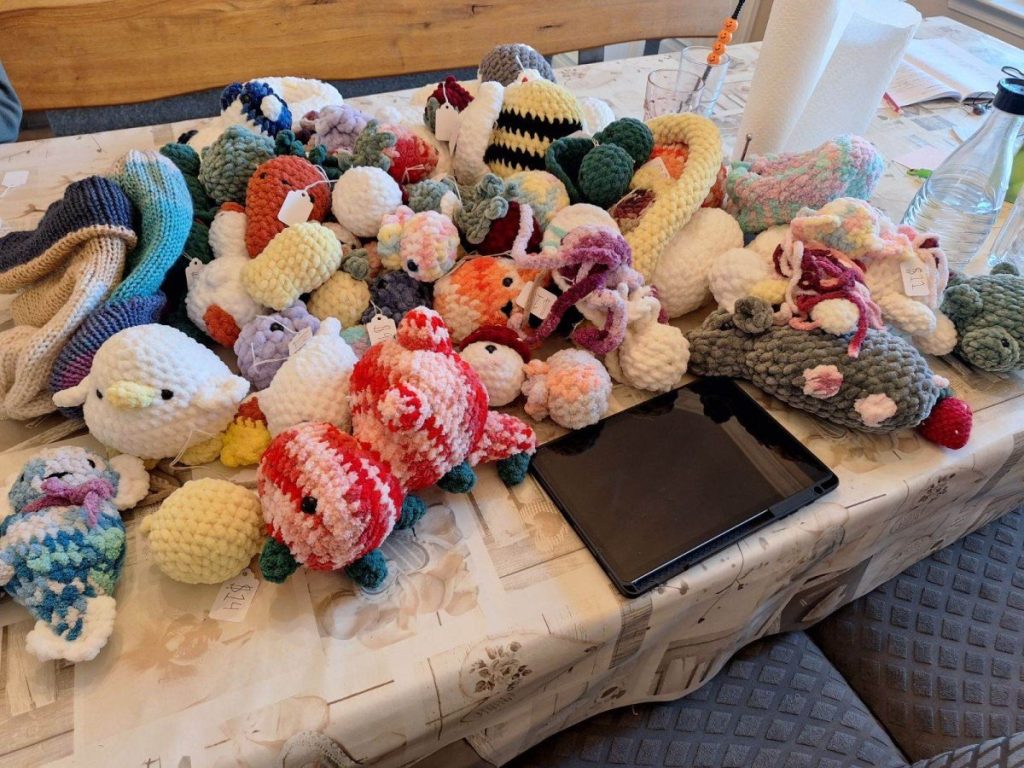
Connecting Through Creativity
As the world increasingly embraces the significance of mental well-being, more individuals are turning to various forms of artistic expression, with crafting emerging as a particularly compelling option. Crafting can serve as a bridge that connects people not just to their inner selves, but also to others, ultimately fostering a sense of community and belonging. Whether working on projects solo or in group settings, the collaborative nature of crafting ignites new levels of creativity and emotional support.
Many crafting circles or workshops have been formed across the United States, bringing together individuals from various backgrounds to explore their creative sides. Such platforms encourage social interaction while simultaneously allowing participants to learn new skills. Sharing crafting experiences and outcomes not only enhances personal relationships but can also cultivate a spirit of camaraderie among peers. Engaging in crafting within these environments has proven to promote emotional and psychological comfort, particularly for those facing mental health challenges.
Developing New Skills
In addition to fostering community, crafting activities offer opportunities for skill development, which can lead to greater self-efficacy. When individuals learn new techniques—be it woodworking, sewing, or digital design—they step into a realm of discovery that pushes them beyond their comfort zones. This not only boosts their creative capacities but also enhances their resilience to stressors both in crafting and in life.
Here are several crafting activities that can enrich personal skills and mental well-being:
- Sewing: From fashion design to home décor, sewing encourages innovation and practical problem-solving. The ability to conceive an idea and see it materialize can foster profound self-satisfaction.
- Pottery: Molding clay into art teaches patience and precision. The tactile nature of pottery can be especially grounding, allowing individuals to let go of tension and reconnect with the present moment.
- Jewelry Making: Crafting unique pieces of jewelry can become an expression of personal style and identity. The process of designing and creating offers a meditative quality, aiding emotional regulation.
As participants become more proficient at their chosen crafts, they often experience heightened levels of self-esteem. Accomplishing new projects, whether big or small, instills a sense of pride and accomplishment that can translate to various aspects of life. Each new creation serves as a testament to one’s abilities, promoting a positive mindset that encourages further exploration and creativity.
Ultimately, the transformative power of crafting lies not only in the finished product but also in the journey that leads to its creation. Through shared experiences, skill enhancement, and emotional exploration, crafting activities can become a beacon of hope and a means of cultivating mental well-being in an increasingly complex world.
Exploring the Impact of Crafting on Mental Health and Creativity
Crafting has increasingly gained recognition as a multifaceted tool for enhancing mental well-being and nurturing creativity. Engaging in activities such as knitting, painting, or woodworking serves not only as a hobby but also as a therapeutic outlet. The repetitive motions and focus required in crafting provide a meditative experience, allowing individuals to escape the stresses of daily life.One of the most notable benefits of crafting lies in its ability to stimulate the brain. When engaged in creative activities, studies show that there are measurable increases in dopamine levels, which enhance mood and create feelings of happiness. This neurochemical boost can significantly contribute to the alleviation of symptoms associated with anxiety and depression. Moreover, crafting fosters a sense of achievement. Completing a project, no matter how small, can lead to increased self-esteem and a tangible sense of purpose, which is especially beneficial during periods of low motivation or loneliness. This sense of accomplishment is crucial in building resilience and confidence in one’s creative abilities.In addition to the psychological uplift, crafting nurtures social connections. Group crafting sessions or workshops enable individuals to bond over shared interests, forming friendships and support networks that are vital for emotional health. The act of creating something together cultivates a sense of belonging and community, important aspects of a healthy lifestyle.
The Role of Mindfulness in Crafting
An integral aspect of crafting that promotes mental well-being is its support of mindfulness practices. Mindfulness, or being fully present in the moment, can be effectively practiced through crafting. The focused attention on materials, techniques, and the tactile experiences involved in the creation process can heighten one’s awareness and appreciation of the present. This mindful engagement not only reduces stress but also encourages greater creativity, as the brain becomes more adept at forming novel connections.As you explore how crafting can enhance mental well-being, consider the myriad of possibilities it presents. Whether seeking solace, fostering creativity, or building connections with others, the world of crafting opens up a pathway toward improved mental health and a more fulfilled life.
| Advantages of Crafting | Key Features |
|---|---|
| Stress Reduction | Engaging in crafting activities can serve as a form of relaxation, calming the mind and lowering anxiety levels. |
| Enhanced Creativity | Crafting challenges the brain to think creatively, allowing individuals to explore new ideas and possibilities. |
Gardening, scrapbooking, or any other form of hands-on artistic expression can lead to the liberation of one’s creative potential. As you delve deeper into the world of crafting, consider how these activities could profoundly impact your mental wellness journey.
DIVE DEEPER: Click here to discover the intersection of games and literature
The Therapeutic Effects of Crafting
Engaging in crafting activities has been shown to yield profound therapeutic benefits that extend far beyond the act of creating. Numerous studies have highlighted the correlation between crafting and improved mental health outcomes, making it a valuable tool for therapeutic intervention. The repetitive motions involved in many crafts—like knitting and painting—can induce a state of mindfulness, allowing individuals to enter a meditative state that promotes relaxation and reduces anxiety.
One notable study published in the Journal of Positive Psychology revealed that participants who engaged in creative activities experienced a significant decrease in feelings of stress and anxiety compared to those who did not. Crafting provides a distraction from daily stressors, allowing the mind to focus on the present moment and engage in a flow state. This “flow” not only enhances creativity but has also been linked with feelings of happiness and fulfillment.
Coping with Mental Health Challenges
Crafting can also serve as a powerful coping mechanism for those dealing with mental health issues. For example, individuals with anxiety might find solace in activities like scrapbooking or watercolor painting, which allow for self-expression without the pressure of producing perfection. The process of working with hands and materials can be highly therapeutic and has even been recommended by mental health professionals as part of a holistic approach to therapy.
Further research has shown that crafting can aid in recovery from trauma. The act of creating can facilitate emotional expression and foster an understanding of one’s feelings. Therapists often incorporate crafting into their sessions, allowing clients to process emotions and experiences in a non-threatening manner. For example, group therapy sessions that include art therapy have been shown to help participants develop social skills and promote a shared sense of healing.
Incorporating Crafting into Daily Routines
To fully harness the mental health benefits of crafting, individuals can easily incorporate creative practices into their daily routines. Scheduling specific time slots for crafting—be it 15 minutes a day or a few hours on weekends—can establish a nourishing habit that promotes overall well-being. Engaging in short, creative bursts throughout the week not only prevents burnout but enables consistent expression and exploration of one’s creativity.
Furthermore, many people can benefit from exploring new crafting mediums to find what resonates most with them. Online platforms like Pinterest and Instagram provide abundant inspiration, encouraging crafters to experiment with everything from macramé to calligraphy. Community centers across the United States often offer classes that allow novices to delve into crafting without the intimidation of going solo.
As crafting continues to evolve into a recognized pathway for enhancing mental well-being, its potential to unlock creativity and foster connections further highlights the profound impact of artistic expression on everyday life. As more individuals embrace the therapeutic effects of crafting, they can find not just a hobby, but a source of healing and a means of joy that enriches their mental landscape.
DISCOVER MORE: Click here to learn about global crafting traditions
Conclusion
In an era where mental health awareness is steadily increasing, the benefits of crafting stand out as a significant ally in promoting mental well-being and enhancing creativity. By engaging in various crafting activities—be it painting, knitting, or pottery—individuals not only find an escape from everyday stresses but also cultivate a deeper connection with their own emotions and thoughts. The meditative quality of crafting helps ground practitioners in the present moment, while the process of creation fosters self-expression and boosts self-esteem.
Moreover, the communal aspect of crafting cannot be overlooked. Participating in group workshops or local crafting events encourages social interaction, thereby combating feelings of isolation often associated with mental health struggles. As more individuals share their creative journeys, they build supportive networks that can lead to shared healing experiences.
Looking ahead, it is essential that communities continue to promote access to crafting resources, offering workshops and classes that welcome everyone regardless of skill level. By integrating crafting into therapeutic practices, we acknowledge its power as a supplementary tool for mental health recovery. Ultimately, crafting is not merely a pastime; it is a powerful pathway to fostering joy, resilience, and emotional balance in our increasingly complex lives. As we embrace this creative outlet, we can unlock not only our artistic potential but also newfound peace within ourselves.