The Art of Improvisation: Freedom and Creativity in Musical Expression
Understanding the Depth of Musical Improvisation
Improvisation is more than just a spontaneous burst of notes; it serves as a profound expression of freedom and creativity within the realm of music. It taps into the raw emotional core of musicians, allowing them to convey their inner thoughts, feelings, and experiences in real-time. This dynamic practice transforms performances into unique, living art pieces that resonate with audiences in a personal way.
The Essence of Improvisation
At its core, improvisation invites artists to:
- Break Free: This element encourages musicians to defy traditional constraints and explore new musical territories. For instance, in jazz, artists like John Coltrane took familiar melodies and deconstructed them into complex solos, pushing the boundaries of conventional music.
- Communicate: Improvisation creates a direct line of emotional communication between performers and listeners. Each note played is a fleeting moment of expression, making every performance not just a repetition of notes but a unique experience crafted in the moment.
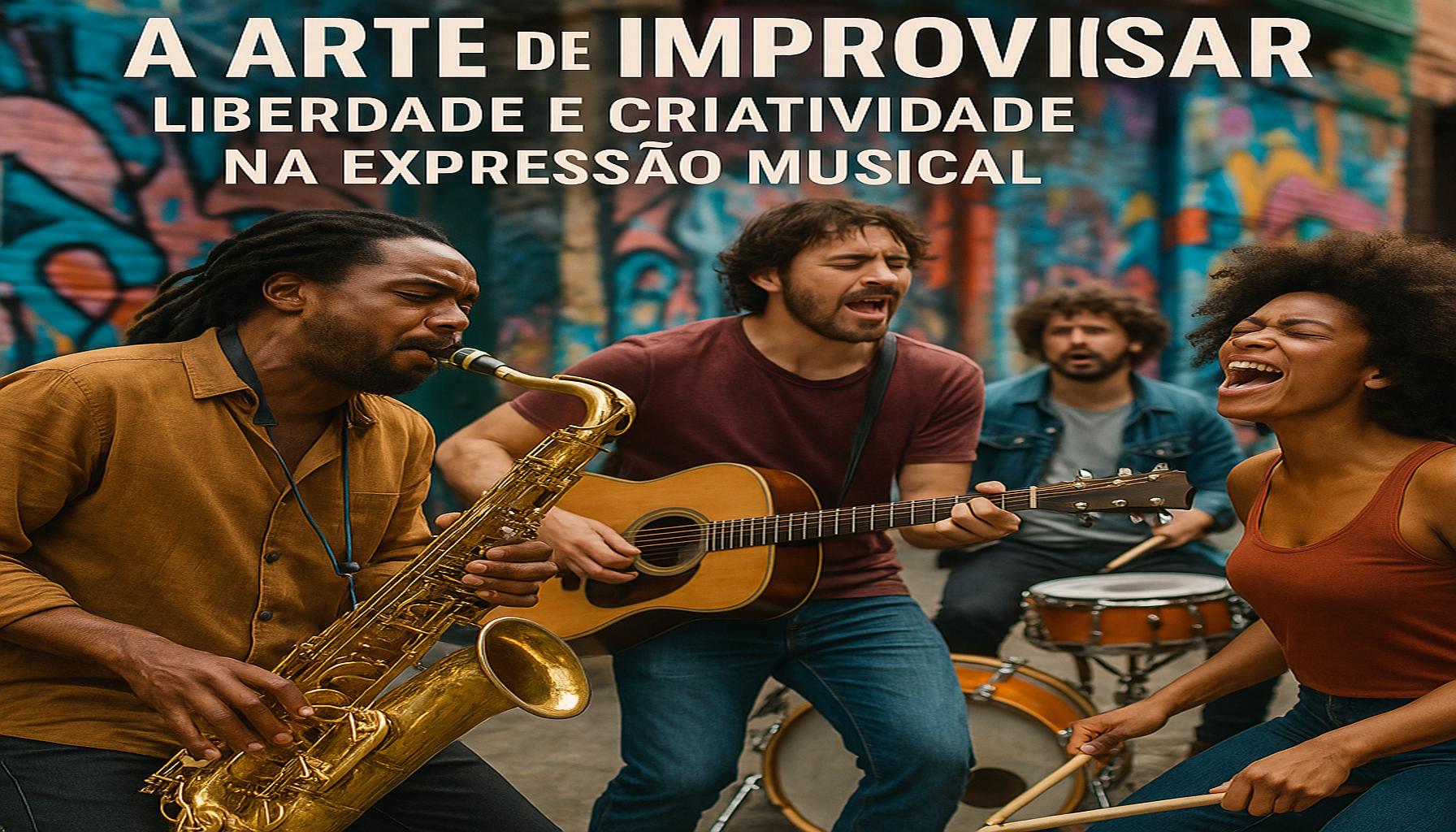
- Collaborate: The intimate interaction between musicians during improvisation fosters an environment of spontaneity and creativity. Ensembles can respond to one another’s cues, resulting in a spontaneous musical dialogue. For example, in a typical jazz jam session, musicians might build on each other’s riffs, creating a synergistic blend of sounds that showcases their collective artistry.
Historically, improvisation has played a transformative role in music. From the innovative spirit of jazz legends like Miles Davis and Thelonious Monk to the avant-garde innovations of modern experimental musicians such as John Zorn and Laurie Anderson, improvisation has solidified its place in various musical genres. Each artist uses improvisation not only as a technical skill but as a vehicle for personal storytelling and cultural expression.
Why It Matters
Understanding the art of improvisation enriches the overall appreciation of music. It encourages both listeners and aspiring musicians to:
- Embrace Spontaneity: Open yourself to the possibility of unexpected brilliance. Often, the most memorable moments in performances arise from unplanned improvisational bursts that captivate audiences.
- Cultivate Creativity: Musicians are urged to challenge themselves and think outside the box, whether in practice or performance. Engaging in improvisation can break down mental barriers and lead to new artistic avenues.
- Explore Personal Expression: Beyond technical proficiency, improvisation allows individuals to discover and develop their unique musical voices. It provides a platform for artists to mark their identity within a larger musical landscape, encouraging distintive styles that reflect personal experiences.
This journey through improvisation reveals not only the technical aspects involved but also the emotional depth it can achieve. By delving deeper into this fascinating world of musical exploration, both performers and audiences can unlock new understandings of music, thereby enriching their appreciation for the nuanced and ever-evolving nature of art.
DISCOVER MORE: Click here to delve into the importance of diversity in literature
Improvisation: The Intersection of Skill and Spontaneity
The essence of musical improvisation lies in the intricate interplay between technical skill and spontaneity. Musicians must hone their craft to a level where they can execute intricate melodies seamlessly while simultaneously embracing the freedom to innovate in the moment. This delicate balance creates a unique atmosphere during performances that elevates music from mere notes on a page to a vibrant, breathing entity.
Technical Mastery as a Foundation
To successfully navigate the world of improvisation, artists must possess a strong foundation in their musical instruments and styles. Mastery of scales, chords, and rhythm is essential, as these elements provide the building blocks for creative expression. Musicians often spend hours honing their abilities, practicing scales, studying music theory, and analyzing the works of their predecessors. Without this foundation, the freedom of improvisation may lead to disjointed or chaotic performances, rather than the cohesive and engaging experience audiences seek.
For instance, guitarists might develop their understanding of chord progressions to string together compelling solos, while pianists might work tirelessly on their finger dexterity to execute complex riffs fluidly. This technical proficiency allows them to craft musical phrases that resonate significantly while freeing them from the constraints of written music.
The Role of Influences and Genres
Moreover, cultural and genre influences play a pivotal role in shaping a musician’s improvisational style. From the deep-rooted traditions of blues and folk music to the avant-garde elements of contemporary genre-blending, artists draw upon a rich tapestry of influences to inform their improvisational decisions. Jazz, a genre synonymous with improvisation, has birthed a myriad of styles and schools of thought. Influential figures such as Charlie Parker and Ella Fitzgerald have set high bars for innovative soloing and vocal improvisation.
In particular, musicians often look to their surroundings for inspiration, integrating elements of their broader cultural experiences into their musical language. This is particularly evident in multi-cultural cities where several musical traditions coexist, such as New Orleans, where jazz, blues, and Caribbean rhythms meld to create an electric atmosphere for improvisation.
Emotional Resonance in the Moment
Improvisation is as much about emotion as it is about technical skill. Each performance offers a fresh opportunity for artists to infuse their feelings into the music. The ability to interpret a piece of music in real-time allows musicians to share personal experiences or respond to the energy of the audience. This emotional connectivity transforms traditional performances into something remarkable and unforgettable, making each note play a vital role in the storytelling process.
- Connection to Audience: The spontaneous nature of improvisational performances enables musicians to engage with their audience deeply, creating an atmosphere where shared experiences shape the performance itself.
- Emotional Catharsis: The expressive potential within improvisation acts as a therapeutic outlet for both musicians and listeners, often evoking a spectrum of emotions that resonates beyond mere entertainment.
- Discovery Through Performance: Each performance becomes a journey of self-discovery for the artist, uncovering new layers of creativity and pushing the boundaries of their musical capabilities.
In essence, improvisation is not simply an aesthetic choice; it is a fundamental aspect of musical expression that fosters a greater understanding of art. Through this exploration of the freedom and creativity inherent in improvisation, both artists and audiences can gain insight into the transformative power of music, making it a vital component of the broader musical narrative.
The Art of Improvisation: Freedom and Creativity in Musical Expression
Improvisation in music is not merely an act of spontaneity; it is a deep well of creativity that allows musicians to express their inner thoughts and emotions in real time. Through the practice of improvisation, artists develop a unique voice that defines their musical identity. This alluring aspect of music serves as a vital conduit for both freedom and self-expression, transforming a simple melody into a complex narrative filled with nuances and feelings.
| Advantages of Improvisation | Detailed Insights |
|---|---|
| Enhanced Creativity | Improvisation fosters an environment where musicians can experiment with new ideas, leading to unique compositions and performances. |
| Increased Adaptability | Musicians learn to respond and adapt to various scenarios, enhancing their ability to collaborate and perform under different conditions. |
This transformational practice not only enriches individual performances but also unites musicians in a profound dialogue, allowing them to share their personal experiences through sound. The improvisational skill set developed through such practices opens pathways for artists to engage audiences on a deeper emotional level, inviting listeners to embark on a journey of artistic exploration. Musicians can draw from rich cultural influences and personal narratives, weaving together elements that resonate with a diverse audience.
Improvisation serves as an essential component of various musical genres, from jazz and blues to classical and contemporary styles. Each genre offers its own set of techniques and approaches to improvisation, allowing musicians to explore and dissect the boundaries of creativity. This elastic form of expression continuously evolves, offering endless opportunities for innovation and connection, and making it a fundamental aspect of music that deserves further study and appreciation.
DISCOVER MORE: Click here to unveil inspiring stories
Nurturing the Spirit of Collaboration
Improvisation in music isn’t merely an isolated act of individual expression; rather, it thrives on collaboration and interactivity among musicians. The beauty of improvisational music comes from the ability of artists to communicate non-verbally with one another, creating a dynamic exchange that pushes the boundaries of creativity. Whether in jazz ensembles, rock bands, or orchestras, this collaborative aspect fuels an exhilarating experience, highlighting the communal nature of music.
The Synergy of Group Improvisation
Group improvisation allows musicians to build off each other’s ideas, creating an engaging tapestry of sound that would be difficult to replicate alone. This synergy not only enriches the performance but also enhances the emotional quality of the music, as artists flow together in rhythm and harmony. For example, in jazz sessions, it is common for musicians to spontaneously adapt and react to each other’s melodies, leading to unpredictable yet exhilarating outcomes. The notable collaborations among artists such as Herbie Hancock and Wayne Shorter illustrate how group improvisation can yield innovative and memorable experiences, each performance uniquely crafted by the collective creativity of the musicians involved.
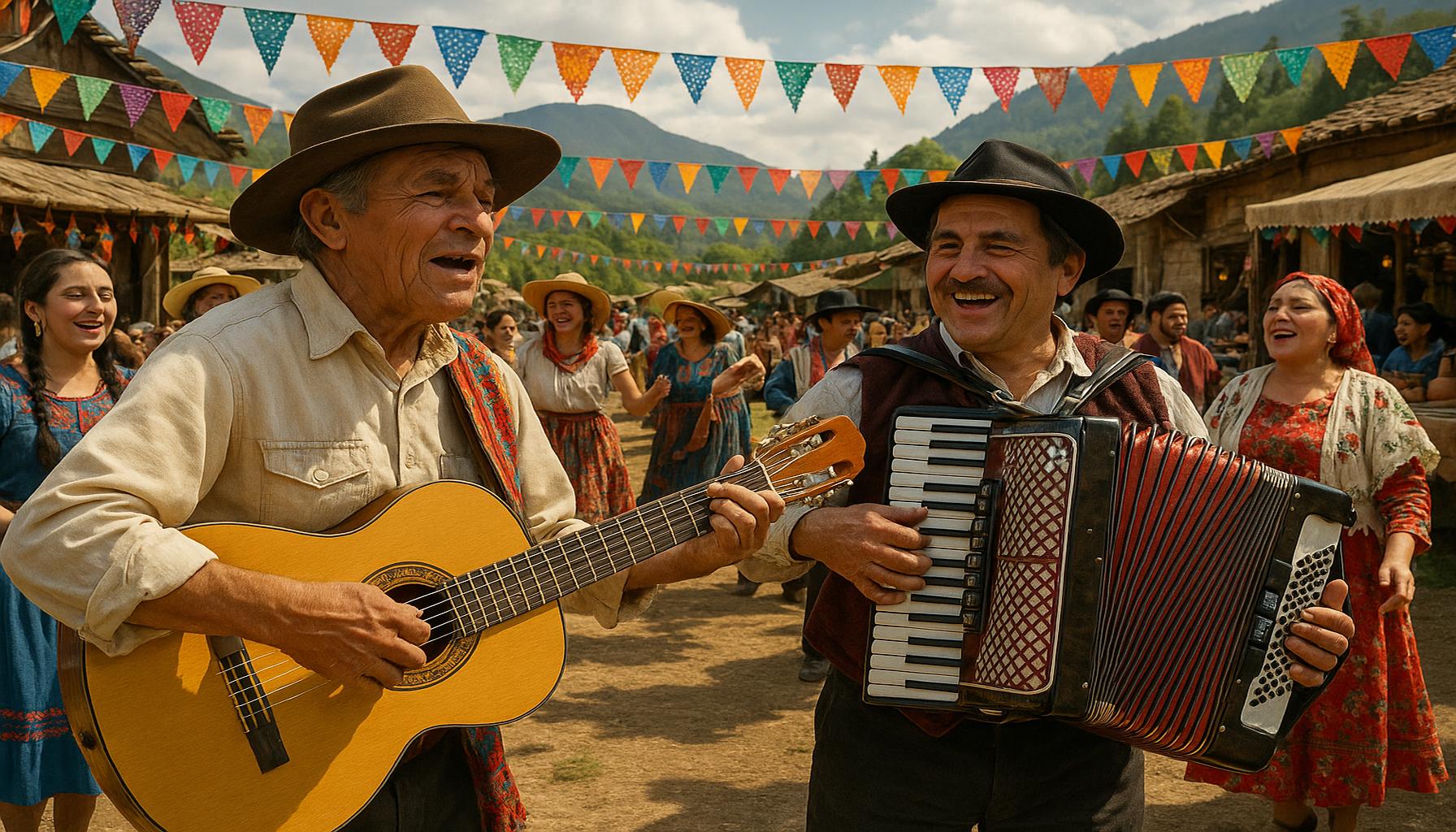
Furthermore, this collaborative spirit invites a broader participation in the arts, whereby audiences can join in the experience. Open jam sessions or community orchestras empower local musicians to contribute, fostering a sense of belonging while showcasing diverse talents from different backgrounds. Such opportunities not only democratize the art of improvisation but also echo the foundational cultural practices of many genres, particularly in American roots music like blues and bluegrass.
The Influence of Technology on Improvisation
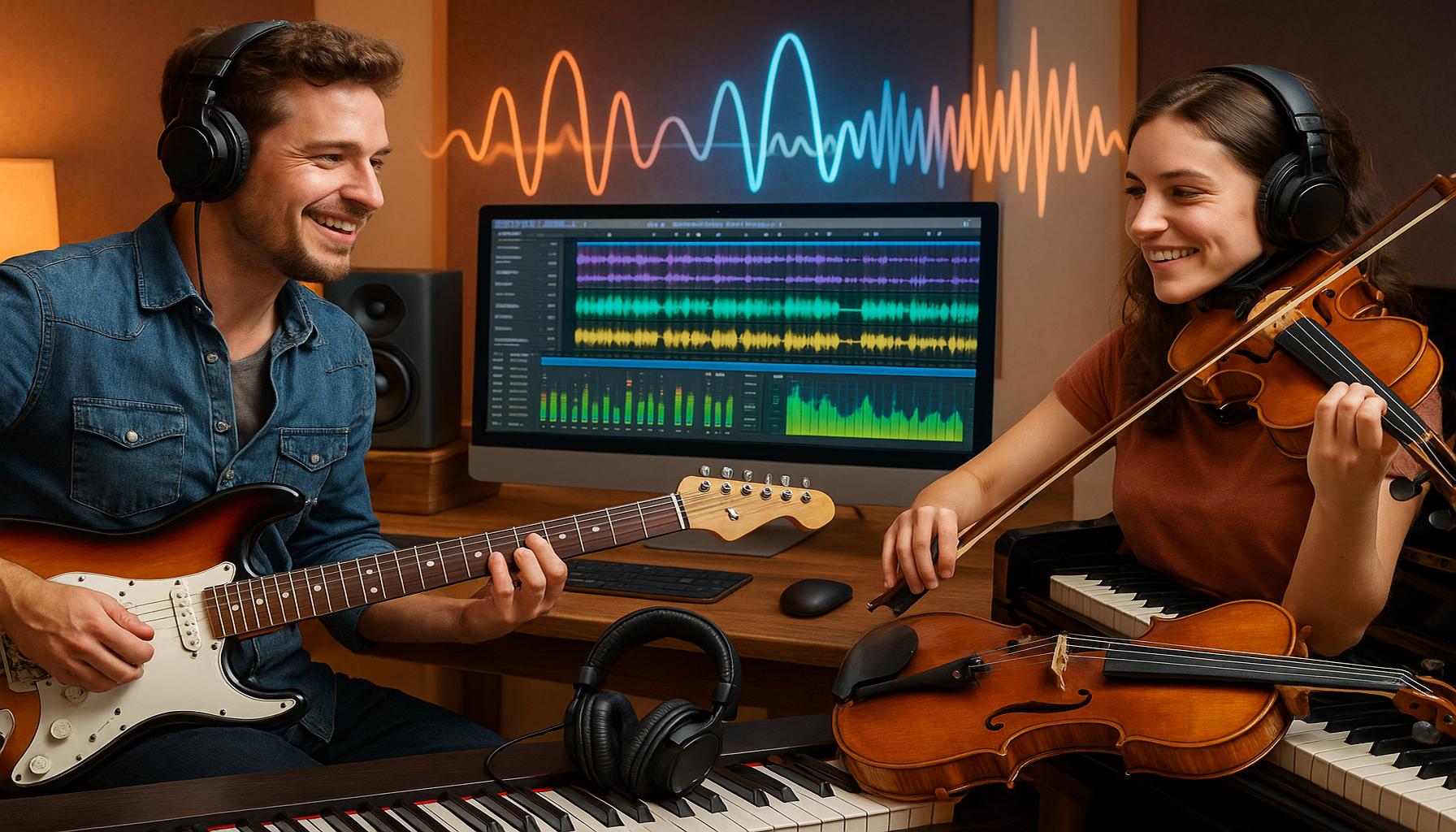
The evolution of technology has significantly influenced the landscape of musical improvisation. Advances in recording techniques and digital tools allow musicians to layer sounds, manipulate effects, and collaborate across distances, redefining what improvisation can be. Remote collaborations are now possible, enabling artists to connect without the constraints of geography. Platforms such as SoundCloud and Bandcamp provide forums for sharing live improvisations, further broadening the reach of creative expression.
Moreover, software like Ableton Live and Logic Pro facilitates unprecedented ways of composing music through live improvisation, enabling musicians to experiment and fine-tune their creativity in real-time. These tools can seamlessly capture the spontaneity of a live performance while allowing opportunities for subsequent editing and refinement. They embody the notion that, while improvisation often speaks to the moment, it can also be revisited, reshaped, and redefined through modern technology, ensuring its evolution in contemporary music.
Improvisation Beyond Music
Interestingly, the principles of improvisation extend beyond the musical realm and permeate various artistic disciplines. In dance, theater, and even visual arts, the idea of spontaneous creativity encourages artists to adapt and explore uncharted territories. Improv comedy, for example, relies on the same foundational elements of surprise, collaboration, and emotional connection that define musical improvisation. Such parallels illustrate how the art of improvisation is a universal language of expression, relevant to diverse forms of artistry.
Engaging with improvisation, whether in music or beyond, is akin to embarking on an exhilarating adventure where creativity knows no limits. As artists continue to pave new paths in their respective genres, they inspire future generations to embrace the unpredictable beauty that improvisation offers. A world where musicians and artists alike dare to explore uncharted territories in their craft will undoubtedly yield phenomena that challenge our perceptions of creativity and expression.
DISCOVER MORE: Click here to learn about eco-friendly practices in handicrafts
Embracing Spontaneity in Musical Expression
In conclusion, the art of improvisation represents a profound layer of freedom and creativity that transcends the mere act of making music. This dynamic process, enriched by collaboration and enhanced by technology, provides musicians the opportunity to explore their emotional landscapes and push creative boundaries. As highlighted, the synergy resulting from group improvisation not only magnifies the individual voices within a ensemble but also fosters a communal spirit that is intrinsic to many musical traditions. From the heart of jazz sessions to the modern digital collaborations across platforms like SoundCloud, artists are continuously redefining the essence of musical expression through improvisation.
Moreover, the universal principles of improvisation resonate beyond music, finding relevance in various artistic disciplines and inviting broader participation from all corners of society. This inclusive nature enables vulnerability and authenticity, allowing individuals to express their unique perspectives while contributing to a collective artistic experience.
As we stand on the precipice of an era where technology and artistry intertwine more than ever, embracing the unpredictable beauty of improvisation is essential for future generations. Whether you are a seasoned musician, a budding artist, or simply an admirer of the arts, understanding the importance of improvisation can open doors to uncharted realms of creativity. As we move forward, let us champion the spontaneity that lies at the heart of artistic expression, encouraging a culture where innovation flourishes in every note, rhythm, and gesture.