The Evolution of Musical Expression: How Different Generations Interpret and Create Music
Understanding the Layers of Musical Transformation
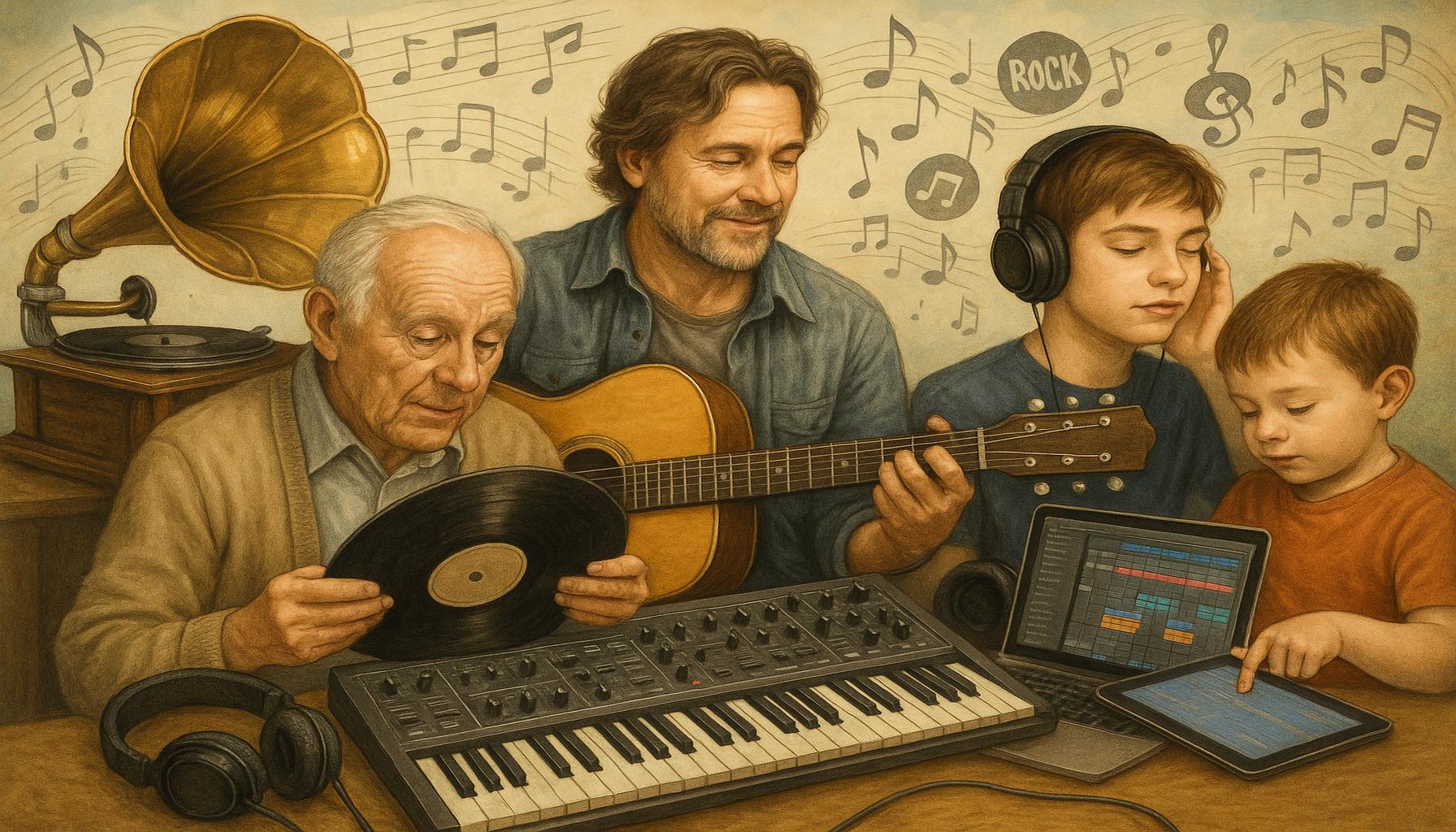
The world of music is as vibrant as it is diverse. Each generation brings its own unique influences and creative innovations, shaping not only the sound but also the very essence of musical expression. The evolution of music is not a linear journey; rather, it is a complex interplay of various elements that reflect the society from which it emerges.
Music evolves through various lenses—cultural shifts, technological advancements, and societal changes. Here are key factors that influence musical interpretation:
- Cultural Trends: The sounds of genres like jazz, rock, hip-hop, and electronic music are more than mere auditory experiences; they represent the historical contexts and personal stories that characterize their eras. For instance, jazz emerged in the early 20th century, rooted in African American musical traditions, and became a powerful form of artistic expression that mirrored the social dynamics of its time. Conversely, hip-hop took shape in the late 20th century as a voice for urban youth, addressing societal issues like poverty and crime, melding storytelling with rhythmic beats.
- Technology: Advances in technology have dramatically transformed the music landscape. The shift from vinyl records to digital downloads reshaped how artists share their work and reach audiences. The rise of streaming platforms such as Spotify and Apple Music has given independent artists a chance to distribute their music globally, often bypassing traditional gatekeepers like record labels. This democratization of music not only fosters creative diversity but also challenges the conventional norms of how music is consumed.
- Social Movements: Throughout history, music has played a pivotal role in social change. In the 1960s, folk music became synonymous with protest movements, with artists like Bob Dylan and Joan Baez using their songs to convey messages of peace and equality. Fast forward to today, and contemporary anthems challenge and confront social issues ranging from racial injustice to climate change, revealing the ongoing struggle for voice and representation within the musical realm.
Understanding how these elements interact can open a window into the soul of each generation’s soundscape. Music serves not just as entertainment but also as a form of identity, creating a sense of belonging among listeners across different cultures and experiences. For instance, genres like country music often reflect the stories and struggles of American life, while K-pop has taken the global stage, fostering an inclusive community of fans who participate in a shared cultural phenomenon.
As we continue to explore how different groups perceive and contribute to the ongoing dialogue of musical expression, we invite you to witness the transformation of sound through the ages. By examining the influences and motivations behind various genres, you will uncover a rich tapestry that defines our shared musical heritage, a realm where history, culture, and technology converge to create something profoundly impactful.
DIVE DEEPER: Click here to uncover more about music and identity

The Impact of Cultural Evolution on Music Interpretation
The influence of culture on musical expression is undeniable. Each generation brings its own set of experiences, shaping the way music is created, perceived, and enjoyed. Understanding these shifts in cultural context is vital in comprehending how musical genres evolve over time. Themes of identity, resistance, and change are interwoven into the fabric of musical works, often leaving a lasting impact on both the artists and their audiences.
For example, the 1970s disco movement not only revolutionized the sound of mainstream music but also reflected shifting social norms around gender and sexuality. Clubs became safe havens for self-expression, allowing individuals to explore their identities through dance and music. Icons like Donna Summer and the Bee Gees captured this vibrant spirit, creating timeless anthems that resonate even today. In contrast, the emergence of grunge in the early 1990s, led by bands like Nirvana and Pearl Jam, represented a sense of disillusionment among youth. This sound, steeped in raw emotional honesty, spoke to a generation grappling with authenticity amidst rapid societal changes.
The musical landscape of America is also a testament to the power of fusion. Genres often intersect, creating hybrids that reflect the multicultural tapestry of society. For instance, the marriage of traditional American country music with hip-hop gives rise to an emerging genre known as “hick-hop.” Artists like Cowboy Troy and Lil Nas X have captured national attention and highlighted how contemporary music blurs genre lines, creating a conversation around race and identity. This fusion redefines what it means to be an artist in a globalized world, offering listeners new ways to connect across cultural divides.
- Historical Context: Each musical genre emerges from a unique time period infused with its own challenges and triumphs. For instance, R&B music evolved from gospel roots, infused with the struggles for civil rights, ultimately becoming a vessel for expressing both joy and pain. The narratives woven into the lyrics showcase the evolving identity of the African American community in the United States.
- Generational Influences: Each generation reinvents the past while creating something new. For example, the millennial generation has shown a propensity for blending genres, drawing inspiration from both classic and contemporary sources. This exploration has led to the rise of artists like Billie Eilish and Lil Uzi Vert, who challenge conventional definitions of pop music.
- Social Impact: The role of music as a catalyst for social change cannot be overstated. From the protest songs of the ’60s to today’s powerful advocacy anthems, music often reflects societal struggles, providing a platform for those who might otherwise go unheard.
As we delve deeper into the narrative of musical evolution, it becomes clear that music serves not just as an art form but also as a mirror of society. Generational interpretations of music continually reshape our collective understanding of expression, influencing how we interact with the world around us. By examining the cultural contexts and sociopolitical climates from which different genres spring, we gain insight into the ways music evolves, offering a window into the heart of each generation.
As musical expression has evolved, the influence of technology has played a pivotal role in shaping how different generations both interpret and create music. The advent of recording technology, from vinyl to digital streaming, has transformed the accessibility of music. This accessibility enables emerging artists to share their voices without the constraints of traditional music industry gatekeepers. For instance, platforms like SoundCloud and TikTok have democratized music production, allowing a diverse array of voices to be heard.Moreover, the cultural context in which musicians operate has also shifted. Younger generations find inspiration in a global environment where genres blend and converge. Artists today often draw on a variety of cultural influences to create hybrid genres, resulting in music that resonates across demographic boundaries. This fusion mirrors the multicultural landscape of contemporary society, leading to innovative sounds that engage both local and global audiences.The rise of social media has further transformed musical expression, allowing for real-time interaction between artists and their fans. This connection not only influences the content of music but also fosters a sense of community among listeners and creators alike. Musicians can obtain immediate feedback on their work, shaping their artistic direction in ways that were once unimaginable.Additionally, data analytics have become a crucial component of the music industry, providing artists with insights into listener preferences and behavior. This information allows musicians to tailor their creations to meet the evolving tastes of their audience. The interplay between analytics and creativity raises intriguing questions about authenticity and originality in music.Finally, generational differences in interpreting music also extend to themes and messages within the songs themselves. While previous generations may have focused on broader social issues or personal introspection, newer artists often address problems like mental health, identity, and environmental concerns, reflecting the unique challenges faced by today’s youth. This evolving dialogue among generations highlights how music remains a powerful medium of expression—constantly reshaped by its cultural, technological, and social contexts. As we delve deeper into this topic, it becomes apparent that understanding the evolution of musical expression is essential to appreciating the rich tapestry of sounds that define our contemporary experience.
| Generational Influence | Characteristics and Trends |
|---|---|
| Millennials | Innovative Use of Technology; embracing platforms for self-promotion. |
| Generation Z | Focus on Identity and Mental Health; creating music that addresses personal and societal issues. |
DISCOVER MORE: Click here to dive deeper into inspiring stories
The Role of Technology in Shaping Musical Expression
As much as cultural evolution influences musical expression, the advent of technology has dramatically transformed how music is created, shared, and experienced. From the phonograph to streaming services, each technological leap has enabled musicians to reach larger audiences while allowing listeners to explore and engage with music in unprecedented ways. This dynamic interplay between technology and music production is crucial in understanding the changing landscape of musical expression across generations.
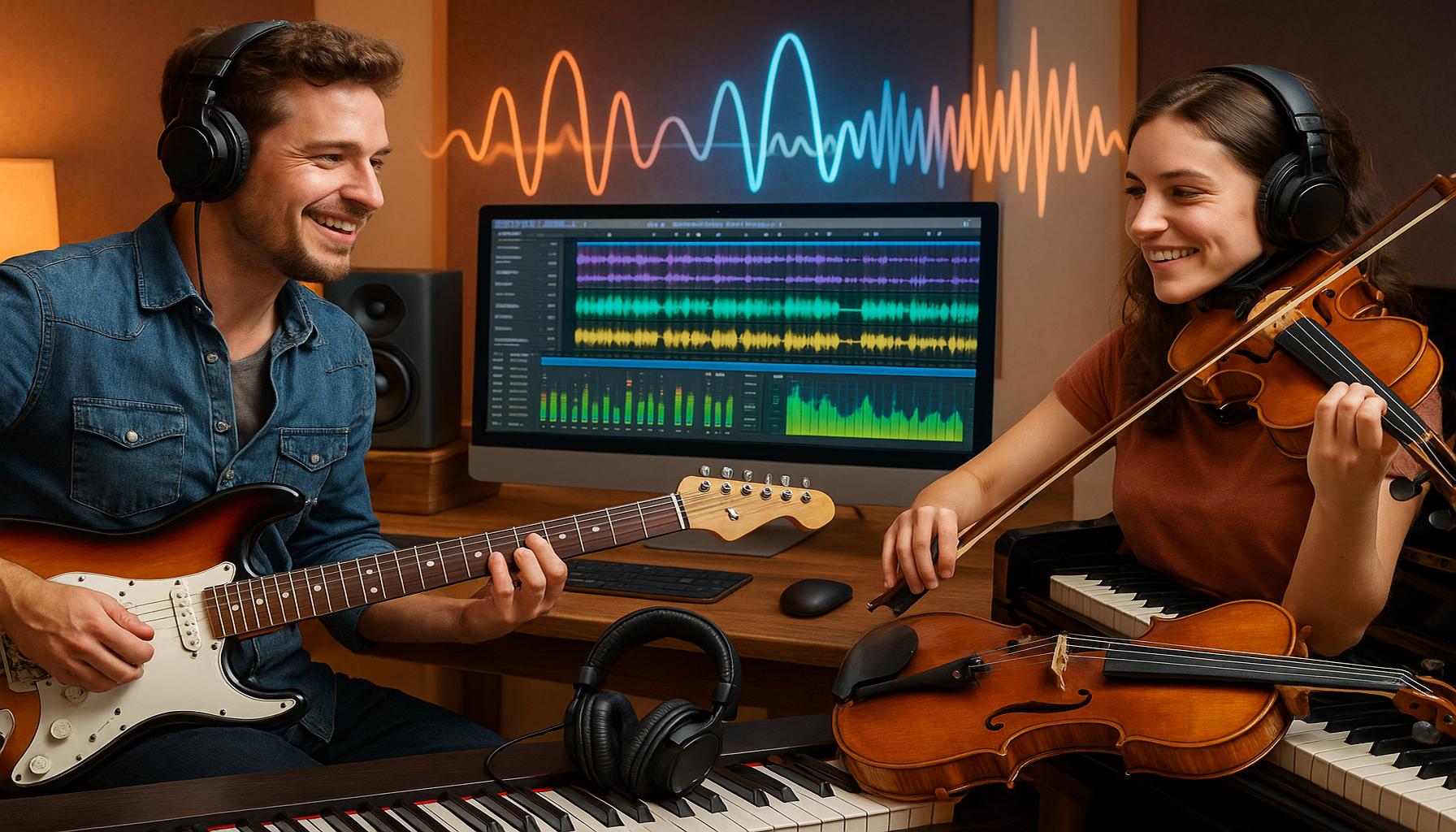
The introduction of the d digital audio workstation (DAW) in the late 20th century revolutionized music composition. It allowed artists to mix and manipulate sounds in ways that were once only possible in high-end studios. Musicians like Daft Punk and Gorillaz have capitalized on this technology, blurring the boundaries between genres and techniques, while also expanding accessibility to emerging artists who may have limited resources. The democratization of music production has led to a surge of diversity in sounds, genres, and artistic experimentation, reflecting individual and collective identities.
Furthermore, the rise of social media platforms and music-sharing apps like TikTok and Spotify has redefined how audiences discover and engage with music. Today’s creators can release singles and albums directly to fans without relying on traditional record label systems. This change has fostered a new wave of artists, including the likes of Olivia Rodrigo and Lil Nas X, who leverage these platforms for exposure. The viral nature of social media also encourages instantaneous feedback, allowing artists to adapt their styles in real time based on audience reception.
- Influence of Music Streaming: Services like Spotify have transformed listening habits, enabling users to access vast libraries of music at their fingertips. Playlists curated by algorithms and users amplify exposure for songs and artists beyond geographical and cultural limitations, bringing new sounds into mainstream consciousness.
- Collaboration Across Borders: Technology has facilitated international collaborations, allowing musicians from diverse backgrounds to work together seamlessly. The rise of virtual collaboration means that genres can be combined effortlessly, producing innovative results reflecting global experiences and perspectives.
- Changing Consumer Behavior: The shift from physical media to digital formats has altered how artists monetize their work, leading many to explore alternative revenue streams, such as live streaming, merchandise, and fan experiences. This evolution underscores how economic pressures shape not only the creation of music but also the strategies employed by artists to maintain their careers.
In this era, where technology intersects with creativity, the concept of music authenticity is both challenged and redefined. As artists navigate through a landscape of new tools and platforms, they must balance the personal with the commercial, often leading to unique voices that resonate with younger audiences. This fusion of technology and expression highlights the fluidity with which music evolves, continually reflecting the values and innovations of each generation. By examining how technology influences music production and dissemination, we gain additional insights into the ongoing evolution of musical expression in contemporary society.
EXPLORE MORE: Click here to dive deeper
Conclusion: The Future of Musical Expression
The journey of musical expression is a testament to the dynamic relationship between humanity, culture, and technology. Each generation has played a crucial role in redefining what music means to them, influenced by prevailing social norms, technological advancements, and creative experimentation. As we’ve explored, factors such as digital audio workstations, social media platforms, and music streaming services have not only reshaped the landscape of music creation but have also democratized access for artists and listeners alike.
Today’s artists, empowered by technology, are more capable than ever of reaching global audiences and collaborating across cultural boundaries. This has resulted in a rich tapestry of musical styles that reflect diverse experiences and identities, echoing a shared yet varied human experience. From viral successes on TikTok to genre-defying collaborations across continents, the evolution of music is a continuous dialogue that embraces change.
Looking ahead, it is essential to consider how emerging technologies—like artificial intelligence and augmented reality—will further influence the way music is created and consumed. Will these innovations enhance artistic expression or pose new challenges to the concept of musical authenticity? As we ponder these questions, one thing remains clear: music will always be a profound medium through which generations communicate, express their emotions, and connect with each other.
In this ever-evolving landscape, we encourage readers to explore and engage with music across generations. By understanding the influences and innovations that shape musical expression, we can cultivate a deeper appreciation for the artistry and creativity that continues to push boundaries and inspire both creators and listeners around the globe.