The Influence of Music on Self-Expression: How to Create Personal Songs

Discovering the Power of Music in Personal Expression
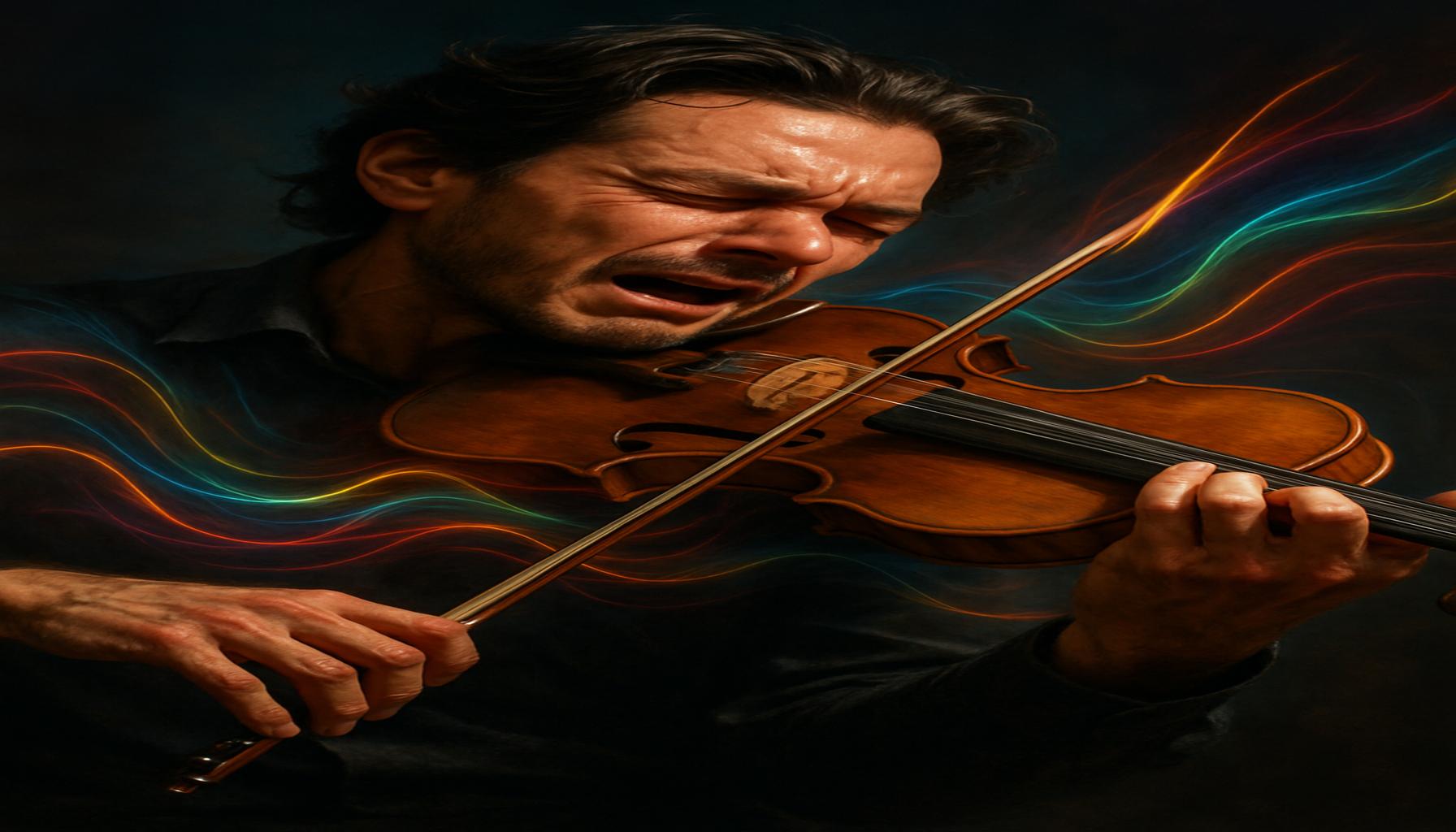
Music serves as a universal language, one that resonates deeply within our souls. It has the remarkable ability to convey emotions and experiences that words alone often fail to express. Through creating personal songs, individuals can tap into this power, allowing for a unique outlet for self-expression.
Why Music Matters in Self-Expression
The connection between music and self-expression is rooted in several compelling aspects. First and foremost, it provides vital emotional release. Crafting a song can help individuals process their feelings, whether they are grappling with grief, joy, or everything in between. For instance, artists like Taylor Swift often weave their life experiences into their lyrics, giving listeners a chance to connect over shared emotions.
Another significant factor is cultural reflection. Personal songs can represent diverse backgrounds and experiences, offering a voice to those who may feel sidelined. For example, hip-hop and R&B artists frequently draw from their personal stories and cultural heritage, creating anthems that resonate with many. The genre has roots in the African American experience, merging storytelling with rhythm to address social issues, triumphs, and personal narratives.
Moreover, music provides creative freedom. Writing music allows for limitless creativity, unrestricted by conventional norms. Musicians can mix genres, explore unconventional sounds, and express ideas that defy typical boundaries. This is exemplified by artists like Billie Eilish, who blurs the lines between pop, electronic, and alternative music, encouraging listeners to embrace their uniqueness.
Creating Your Own Songs
Producing personal songs involves a journey of self-discovery and creativity. Here are key steps to get started:
- Identify Your Theme: Choose a subject that resonates deeply with your experiences. This could range from love and loss to societal issues or personal growth. Reflecting on what matters to you will provide a solid foundation for your song.
- Write Your Lyrics: Use storytelling techniques to articulate your message. Crafting narratives through lyrics can enhance relatability; think of how songs like “Firework” by Katy Perry inspire listeners to embrace their inner strength.
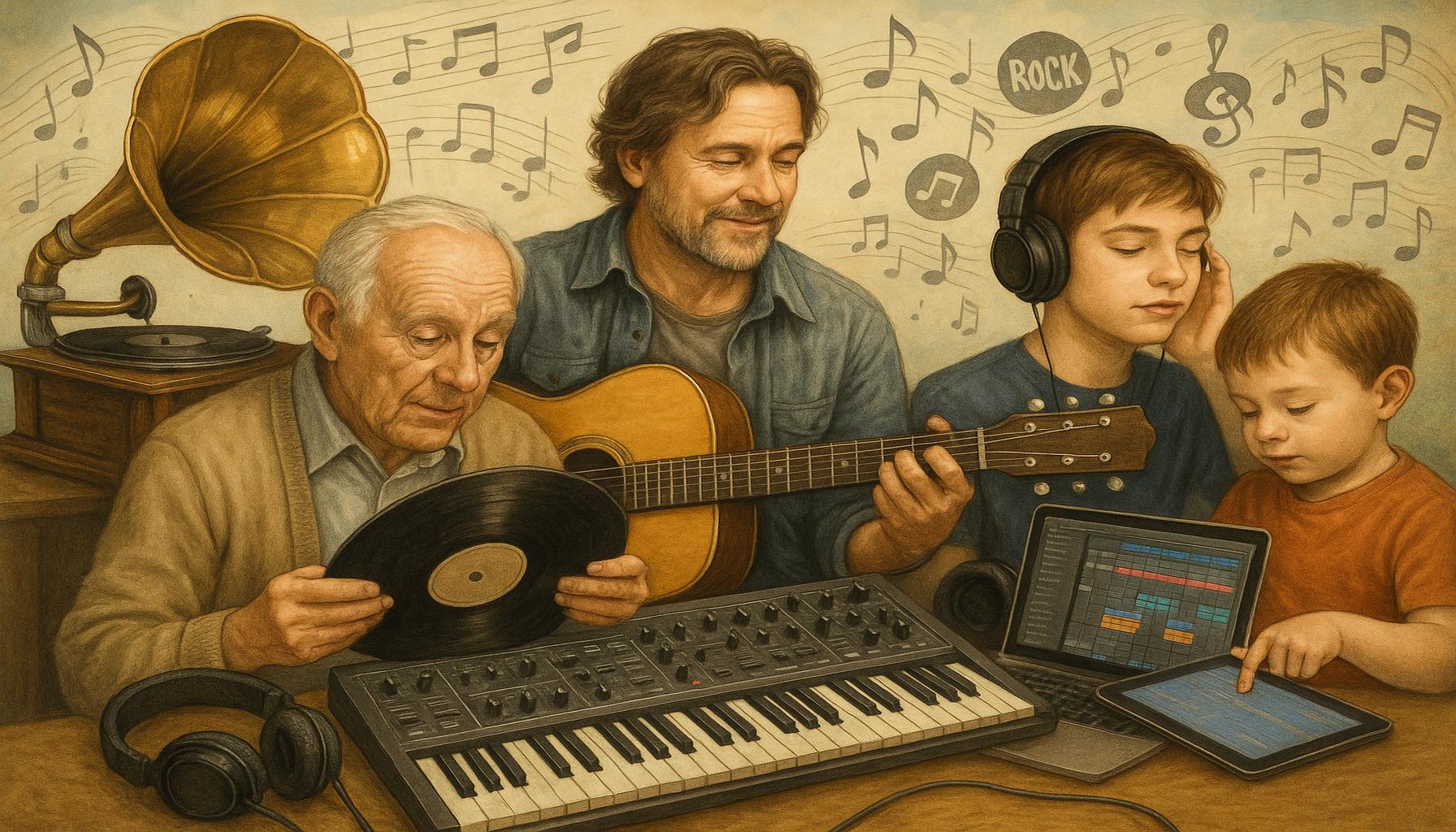
- Find Your Melody: Experiment with different music styles that reflect your emotions. This could involve playing an instrument, using digital software, or even humming a catchy tune that captures your vision.
As you explore the depths of your creativity, remember that creating music isn’t just about the final product; it’s about understanding yourself and sharing your truth with the world. Whether you’re jotting down lyrics on a summer afternoon or strumming your guitar under the stars, the process allows for reflection, healing, and connection. Don’t hesitate to experiment; your unique voice could resonate with someone else, turning your personal expression into a shared experience. Music is not just a hobby; it’s a powerful tool for connection and communication in our chaotic world.
DISCOVER MORE: Click here to uncover the journey of handicrafts
Understanding the Elements of Songwriting
To embark on the journey of creating personal songs, one must first grasp the essential elements of songwriting. A well-crafted song often consists of several key components: lyrics, melody, harmony, and structure. Each of these elements plays a critical role in conveying the message and emotional impact of the piece.
When it comes to lyrics, they serve as the backbone of your song. Engaging lyrics can evoke strong feelings and paint vivid imagery that draws listeners in. They allow you to share your story, whether it’s a heartfelt ballad about love lost or an upbeat anthem celebrating personal victories. The use of literary devices such as metaphor and simile can enhance your message, making it not only personal but also relatable. A powerful example is found in the song “Someone Like You” by Adele, where her poignant lyrics resonate with anyone who has experienced heartbreak.
Melody, on the other hand, is what makes your song memorable. A captivating melody can linger in the minds of listeners long after the song has ended. Successful melodies often balance simplicity with catchiness. To develop your unique sound, don’t hesitate to experiment. Start by humming a few notes that reflect your lyrics’ emotion, and allow your creativity to flow. Remember to keep your audience in mind, as a relatably beautiful tune can help solidify your message.
Harmony adds depth to your song, enriching the overall sound. Understanding basic chord progressions can enhance your composition and provide a richer experience for the listener. Many popular songs utilize simple progressions, such as the I-IV-V progression, which can give your song an upbeat vibe while remaining easy to play. Artists like Ed Sheeran often use these progressions to create catchy and heartfelt tunes that appeal to a broad audience.
Finally, the structure of your song is essential in guiding your listeners through its narrative. A common structure involves verses, a chorus, and a bridge. The verses tell the story, building anticipation that culminates in the chorus, which usually contains the song’s main message. The bridge offers a contrast, helping to maintain interest and adding emotional weight before returning to the chorus. Understanding these structural elements can help you craft a more compelling song.
- Lyrics: Engage listeners with relevant and vivid storytelling.
- Melody: Create a memorable tune that complements your lyrics.
- Harmony: Enhance your composition with effective chord progressions.
- Structure: Utilize common song structures to maintain interest and coherence.
With a solid grasp of these elements, aspiring songwriters can unlock their creativity and create personal songs that resonate with their own experiences. Remember, the beauty of songwriting lies in the journey of self-discovery, allowing your voice to be heard among the myriad of sounds in the world.
The influence of music on self-expression is profound and multifaceted, serving as a vehicle for individuals to articulate their emotions, thoughts, and experiences. Personal songs, in particular, allow for an intimate exploration of one’s inner landscape, enabling creators to convey specific feelings tied to memories or aspirations. Understanding how to create personal songs can enhance this process and provide a richer means of connection to oneself and to others.To begin, one must delve into the emotional roots of their songwriting. Drawing inspiration from personal experiences, joys, and struggles often leads to more resonant lyrics and melodies. For instance, consider a moment of heartbreak or a period of triumph; these powerful experiences can inform the tone and theme of the song. Additionally, incorporating elements of storytelling can enrich the song’s narrative, making it relatable and impactful for listeners. Furthermore, embracing musical experimentation is essential for self-expression. Whether through exploring different genres or collaborating with other musicians, trying new sounds can spark creativity and lead to unique compositions. Using unconventional instruments or integrating varied rhythms can provide an unexpected twist to the creative process, ultimately enriching the finished piece.Moreover, understanding the structural components of songwriting, such as verses, choruses, and bridges, helps in crafting cohesive and engaging songs. The interplay between melody and lyrics is vital; a catchy melody can elevate simple words into something memorable, creating lasting connections with the audience.With technology advancing, one can leverage digital tools and software for recording and production. Platforms like GarageBand or Ableton Live can empower individuals to produce their songs with ease, making it accessible for everyone, regardless of their musical background. Engaging with online communities or workshops can also provide feedback and ideas, fostering growth as a songwriter.Ultimately, the journey of creating personal songs is not just about the finished product; it is about the transformation and growth that occurs along the way. By tapping into one’s unique life experiences and emotions, individuals can create powerful musical expressions that resonate deeply, thus solidifying their identities through the art of song. Embracing this creative outlet can lead not only to personal insights but also to fostering connections with others through shared musical experiences. The following table highlights some of the key advantages of this thematic exploration:
| Category | Key Features |
|---|---|
| Emotional Expression | Music serves as a powerful tool for articulating personal emotions. |
| Identity Reflection | Personal songs foster self-discovery and validation of one’s identity. |
| Creative Empowerment | Encourages free expression and innovation in music creation. |
| Community Engagement | Connections with listeners can create shared experiences and dialogue. |
DIVE DEEPER: Click here to learn more
Discovering Your Unique Voice and Style
Once an aspiring songwriter has a fundamental understanding of the basic elements of songwriting, the next crucial step is to discover their unique voice and style. This process involves introspection, experimentation, and a willingness to embrace one’s individuality. Personal songs thrive on authenticity, so it is essential to explore what makes your perspective distinct.
Introspection is the first step toward finding your voice. Take time to reflect on your experiences, emotions, and influences that shape your worldview. Journaling can be an effective tool to capture your thoughts. Write freely about significant moments in your life, feelings of joy, pain, or transformation. As you pen down these experiences, themes may begin to emerge that can serve as the foundation for your lyrics.
Once you have identifiable themes, it’s time to experiment with different styles. Music is a vast landscape, with genres ranging from country and pop to hip-hop and folk. Exploring various musical styles can inspire fresh ideas. You might find that your personal songs resonate more with a specific genre, or you may discover the magic that happens when blending elements from multiple styles. Artists like Billie Eilish have earned acclaim for fusing pop, electronic, and alternative elements that reflect their unique emotional landscape, encouraging aspiring musicians to think outside the box.
Developing a distinctive sound also means considering the instrumentation and arrangement of your song. While acoustic guitar and piano are popular choices for crafting personal songs, experimenting with other instruments, such as synthesizers or even percussions, can add depth and complexity to your sound. Consider how the instrumentation aligns with the mood of your lyrics; a soft melody accompanied by a delicate piano riff might establish vulnerability, while an upbeat rhythm could convey resilience and strength.
Incorporating Feedback and Collaboration
As you delve deeper into the songwriting process, it’s important to seek constructive feedback. Sharing your work with trusted friends, fellow musicians, or songwriting groups can provide valuable insights that help refine your creations. Constructive criticism is crucial as it can reveal blind spots you may have overlooked and open avenues to enhance your lyrical content or melody.
Furthermore, consider the benefits of collaboration in your songwriting journey. Collaborating with other artists can enrich your creative process, enabling you to blend different perspectives and ideas. Many well-known songwriters attribute their success to the synergy that arises from working with others. Taylor Swift’s collaborations with artists like Ed Sheeran demonstrate how combining unique voices can lead to unexpected and powerful results, often transcending both artists’ usual styles.
Moreover, leveraging technology can significantly aid in the songwriting process. Tools such as digital audio workstations (DAWs) allow you to compose, edit, and experiment with different sounds from the comfort of your home. Apps designed for songwriting can help you arrange your ideas, generate chord progressions, or even suggest rhymes, all aimed at enhancing your creative output.
- Introspection: Reflect on your experiences to find your voice.
- Experimentation: Explore different musical styles to expand your creativity.
- Instrumental Diversity: Enhance your sound with varied instrumentation and arrangements.
- Constructive Feedback: Seek insights from others to improve your songs.
- Collaboration: Work with fellow artists to leverage diverse perspectives.
- Technology: Utilize digital tools to streamline the songwriting process.
By engaging in these practices, aspiring songwriters can cultivate a unique style that not only showcases their individuality but also connects deeply with their audience. In today’s music landscape, personal songs have the power to resonate profoundly, making self-expression accessible and impactful. As you uncover your artistic identity, always remember that songwriting is a journey—one that continues to evolve as you grow and change.
DIVE DEEPER: Click here to discover the power of book clubs
Conclusion: The Journey of Self-Expression through Personal Songs
In the realm of music, personal songs serve as powerful vehicles for self-expression, enabling individuals to articulate their innermost thoughts and feelings. The journey of creating personal songs is deeply personal and transformative, marked by introspection, experimentation, and the discovery of one’s unique voice. As we’ve explored, engaging in self-reflection allows songwriters to uncover their emotional landscapes, unearth meaningful themes, and ultimately, convey authentic narratives through their music.
Moreover, the collaborative process enhances creativity and opens gateways to new ideas. By exchanging feedback and working with fellow artists, songwriters can refine their craft and embrace different perspectives, all while maintaining their individuality. Today, with technology at our fingertips, aspiring musicians are empowered like never before, with digital tools facilitating experimentation and innovation, making the creation of personal songs not only accessible but also exciting.
Ultimately, the influence of music on self-expression transcends boundaries, proving that every song can be a blueprint of its creator’s experiences. As you embark on your songwriting journey, remember that the act of creating music is a continuous evolution. Allow yourself the freedom to explore, evolve, and express. Whether it’s through relatable lyrics or innovative melodies, let your songs tell your story, and in doing so, foster connections that resonate with others. The world is eager to hear your voice—so go ahead, embrace it.