Music and Social Connection: How Musical Expression Unites Communities
The Power of Musical Expression
Music stands as a cornerstone of human culture and societal development. It serves as a universal language that speaks to everyone, regardless of their background or life experiences. Through musical expression, communities can connect profoundly, fostering a sense of belonging and cultivating moments of unity that transcends cultural divides.
Why Music Matters
One of the essential aspects of music’s influence on social connection is the concept of shared experiences. Events such as concerts and music festivals are not just gatherings; they become pivotal moments where individuals from all walks of life come together to enjoy a collective experience. For instance, the annual Coachella Valley Music and Arts Festival in California attracts tens of thousands of attendees who share in the loss of self in the music, creating memories that last a lifetime.
- Shared Experiences: Events like these allow fans to bond over their favorite artists, generating connections that can last well beyond the stage.
- Emotional Resonance: Music has a profound ability to evoke emotions. From the euphoric feelings of dancing to an upbeat track to the somber reflections that arise from a heart-wrenching ballad, these emotional journeys can create bonds between individuals in both celebration and sorrow. A poignant example is Bruce Springsteen’s “Tougher Than the Rest,” which has united countless fans through shared feelings of love and resilience.
- Cultural Identity: Musical genres such as blues, jazz, and folk are not merely sounds; they are the embodiment of American heritage. These styles tell stories of struggle and triumph, showcasing the diverse experiences across the nation. In cities like New Orleans, the birthplace of jazz, music is integral to the cultural fabric, drawing tourists and locals together in celebration of their rich history.
These elements collectively illustrate music’s profound effect on social ties. In the United States, a variety of musical traditions — including the impactful genres of hip-hop, country, and rock — each play unique roles in uniting communities. This rich tapestry of styles allows for both celebration of differences and discovery of common ground among varied populations.
Exploring the Connection
A deeper exploration into musical initiatives and local events reveals how they promote social cohesion and community engagement. Programs like music therapy in schools illustrate the transformative power of music. These initiatives not only boost students’ emotional well-being but also foster camaraderie among peers. From block parties featuring local musicians to nationwide campaigns promoting unity through song, these efforts expose the pivotal role of music in shaping connected societies.
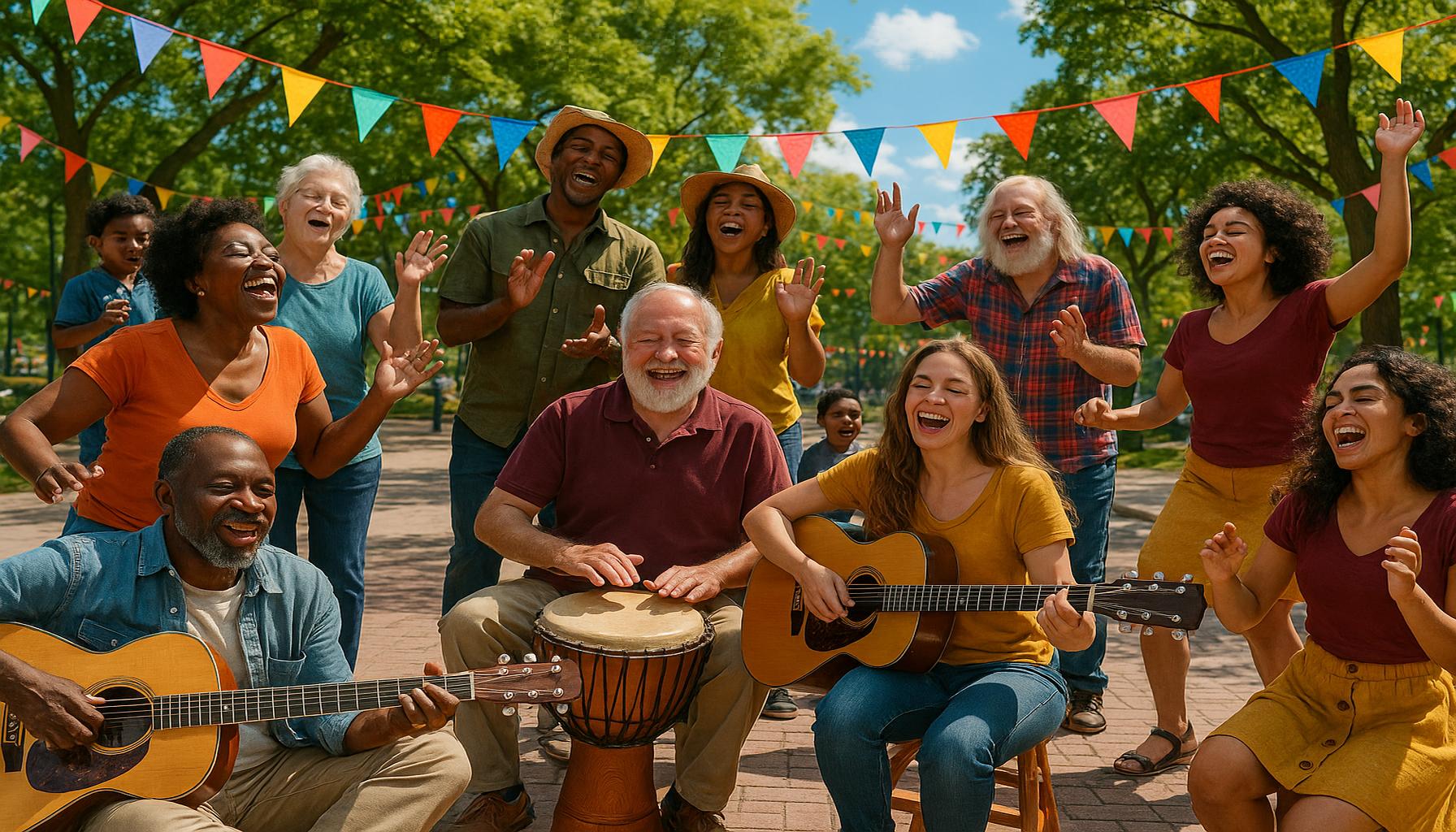
By uncovering these narratives, we gain insight into the rhythms, melodies, and lyrics that have the potential to forge lasting bonds. Whether it’s through impromptu jam sessions or large-scale musical events, the stories of how people connect through music highlight its status as a powerful tool for building community and fostering understanding.
DISCOVER MORE: Click here to learn how crafting can enhance your mental well-being
The Role of Music in Community Building
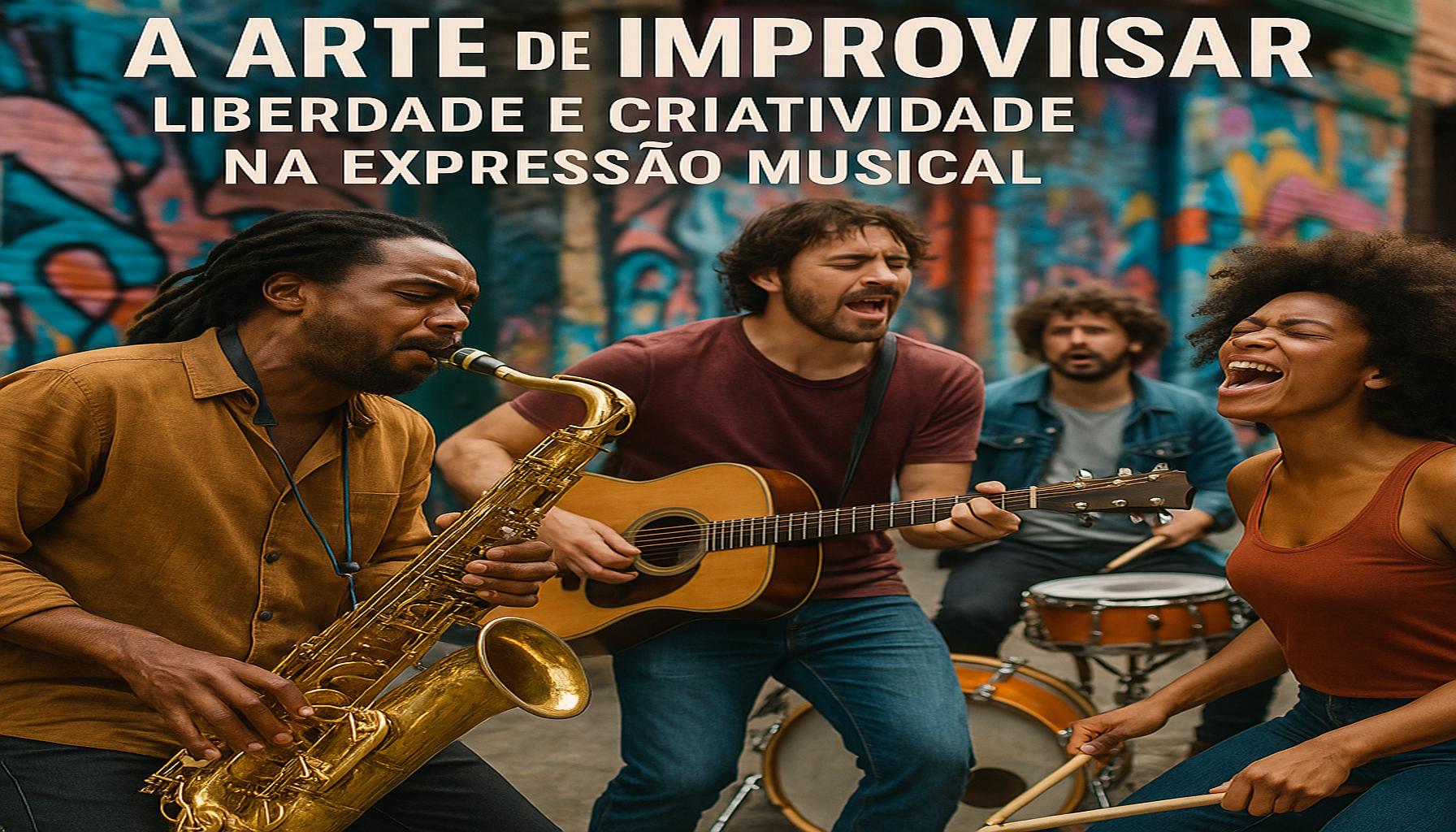
Music, in its many forms and genres, has long served as a catalyst for fostering social connections and building community. The shared love for specific styles or artists brings individuals together, often leading to powerful and lasting relationships. This bond can be seen in various settings across the United States, from neighborhood block parties to expansive music festivals that draw thousands with a common passion for sound.
Musical Gatherings as a Unifying Force
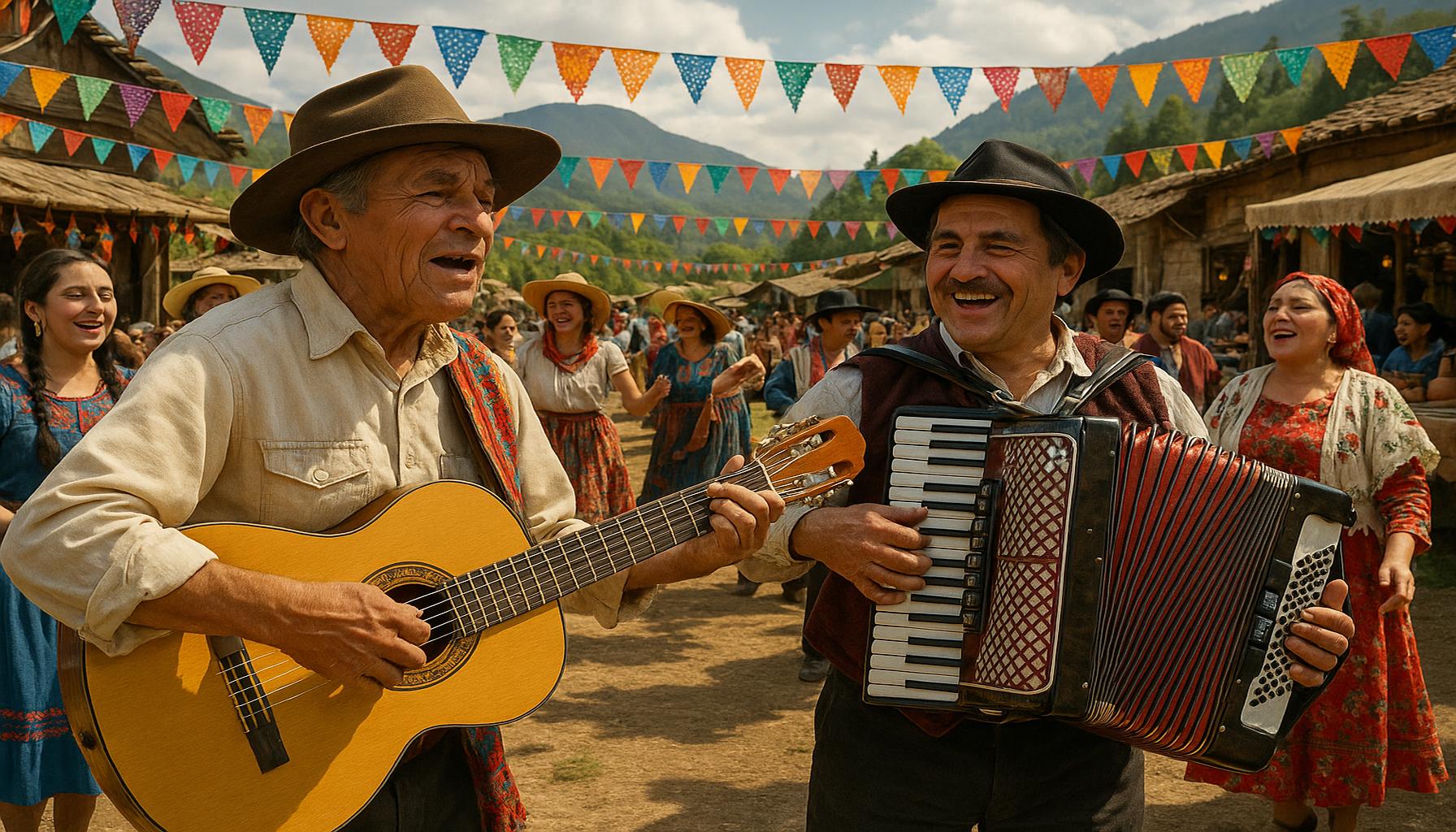
One of the most compelling aspects of music is its ability to create musical gatherings that transcend individual differences. These events often provide a space where people can set aside their everyday struggles and unite in celebration. For instance, the annual Newport Folk Festival in Rhode Island serves as a meeting ground for lovers of folk music, where both young and old come together to celebrate their shared musical heritage.
- Inclusivity: These gatherings emphasize inclusivity, drawing attendees from diverse backgrounds. This diversity enhances the experience, enriching it with various perspectives and stories that are often reflected in the music itself.
- Collective Memory: Participants at musical events share in the creation of collective memories that contribute to the identity of the community. The songs sung, the dances performed, and even the friendships formed can become woven into the very fabric of the community’s history.
- Local Music Scenes: Local music scenes are often the heartbeat of urban neighborhoods, where artists perform in intimate venues, bringing people together in a shared love for live music. Cities like Nashville, known as the “Music City,” showcase how local talent can unify and elevate a community’s cultural identity.
The relationship between music and social connection is immensely synergistic. While music allows for individual expression, it simultaneously prompts collective experiences that lead communities to come together. Whether it’s during a larger event like Lollapalooza or a simple neighborhood sing-along, the act of gathering around music fosters relationships that can bridge societal gaps. This phenomenon is especially pronounced in urban environments, where multicultural influences create dynamic musical landscapes that encourage collaboration and conversation among diverse populations.
The Transformative Power of Community Music Programs
Exploring structured avenues of music reveals profound impacts on community cohesion through community music programs. Initiatives such as local choirs, youth bands, and music workshops empower participants to not only learn but also collaborate and express themselves. Research has shown that these programs can enhance social interactions, improve mental well-being, and even reduce feelings of loneliness within communities. For example, the Harmony Project, which serves at-risk youth through music education, not only teaches musical skills but also instills teamwork and a sense of belonging, proving that music can transform lives on multiple levels.
Through these initiatives and events, music acts as a vehicle for forging connections, creating spaces of understanding, and enriching community bonds. It is in these moments when the lull of the everyday world cedes to the vibrant sound of community celebration, tapping into music’s unique ability to unite and inspire.
| Advantage | Impact on Community |
|---|---|
| Cultural Preservation | Music acts as a vital tool for preserving cultural identities and histories. It helps communities maintain their traditions and pass them down through generations. |
| Strengthening Bonds | Musical gatherings, be it festivals or jam sessions, foster connections among individuals, creating shared experiences that enhance community cohesion. |
| Therapeutic Effects | Engaging in music can improve mental health, providing an outlet for emotions and reducing feelings of isolation among community members. |
| Economic Opportunity | Music initiatives can stimulate local economies by attracting tourism and fostering creativity in various industries. |
The influence of music extends beyond mere entertainment, as it serves as a powerful medium for social connection. Through its various forms—whether traditional folk tunes or modern genres—music encourages dialogues and promotes understanding amongst diverse communities. Additionally, collaborative musical projects often break down barriers, allowing people from different backgrounds to bond over shared rhythms and melodies. Events like community concerts or musical workshops not only enhance social skills but also empower individuals by providing a sense of belonging. As we further explore the intersections between music and community, we reveal the intricate tapestry that links melody to the very fabric of social connectivity, inviting scholars, enthusiasts, and casual listeners alike to immerse themselves in this dynamic exchange.
DIVE DEEPER: Click here to learn more
The Impact of Music on Social Well-Being
Beyond community gatherings and music programs, the impact of music on social well-being is significant in multiple facets of life. Scientific studies have demonstrated that music can evoke strong emotional responses, which in turn fosters deeper interpersonal connections. This phenomenon is important, particularly in times of crisis or distress where communities may face challenges such as economic downturns or national tragedies.
Music as a Healing Tool
Music not only serves as entertainment but also acts as a powerful healing tool that helps individuals process emotions and share experiences. Programs like community concerts after disasters aim to provide healing through musical expression, creating environments where individuals can come together to reflect and heal. The “Healing Arts” program at the NYC Health + Hospitals has shown how music therapy can significantly impact the recovery process for patients and their families during difficult times.
- Emotional Expression: Many find solace in musical expression, which allows them to articulate complex feelings that are often hard to convey through words. This shared emotional journey helps groups process grief, trauma, and joy together, enhancing the emotional fabric of the community.
- Bridging Generational Gaps: Music creates an intergenerational bond, allowing young and old to connect. An example of this is the phenomenon of “sing-alongs” which are often organized in assisted living facilities, where seniors enjoy music from their past, prompting conversations with younger generations about their lives and experiences.
The Digital Era: Music and Online Communities
As technology evolves, so too does the way individuals engage with music and form connections. With digital platforms like Spotify, SoundCloud, and YouTube, musical community-building transcends geographical barriers. Online streaming services and social media have enabled fans to create virtual communities around shared musical interests, where people can connect, collaborate, and showcase their talents.
- Global Collaboration: Platforms such as BandLab allow musicians from different backgrounds and locations to collaborate on projects, fostering an environment of creativity. This global collaboration empowers individuals to share unique stories and cultural heritages through music, deepening appreciation and understanding among diverse communities.
- Inclusivity in Expression: Social media has opened avenues for underrepresented voices in music to gain recognition. This online democratization of music enables creators from minority communities to share their experiences, creating powerful movements like Black Lives Matter, which utilized music to inspire social change and unity.
The dual nature of music as both a visceral art form and a social connector is significant in enhancing community relations. Whether through local gatherings or online platforms, the threads that unite people through music continue to strengthen even as the landscape of social connection evolves. With its roots embedded in emotional resonance, musical expression remains a vital element in the ongoing narrative of community solidarity and engagement.
DIVE DEEPER: Click here to learn more about eco-friendly materials and practices
Conclusion: The Unifying Power of Music
In conclusion, the exploration of music and social connection unveils a profound tapestry woven with the threads of emotional intimacy, healing, and shared experiences. From local community gatherings that foster a sense of belonging to online platforms that transcend geographical divides, music emerges as a universal language capable of uniting diverse populations. The modern landscape of music engagement not only reshapes how we connect but also breaks down barriers, allowing voices from all walks of life to resonate within the broader dialogue of society.
As we have seen, music acts as a catalyst for emotional expression, enabling individuals to process their feelings and connect over shared narratives. The generational bonds forged through musical interactions remind us of our shared humanity, while virtual communities expand our capacity for collaboration and understanding. Music’s role as a healing tool during times of distress illustrates its unparalleled ability to mend the fabric of community life.
Moving forward, it is crucial to embrace the varied contexts in which music intersects with our social realities. As we navigate the changing dynamics of community structures in an increasingly digital world, let us remember that the heart of musical expression lies in its inherent power to bring us together, inspire change, and create lasting connections. By recognizing music’s unifying potential, we can actively cultivate environments where collaboration and empathy flourish, enriching the communal experience for generations to come.