The Role of Technology in the Evolution of Musical Expression: New Tools for Creating and Sharing
Technological Advancements in Music Creation
The innovation in musical expression brought about by technology is nothing short of revolutionary. Digital tools and platforms have not only expanded the creative boundaries for musicians but have also altered how music is shared, marketed, and consumed worldwide. This fusion of technology and music has paved the way for unique opportunities and novel challenges that shape the industry today.
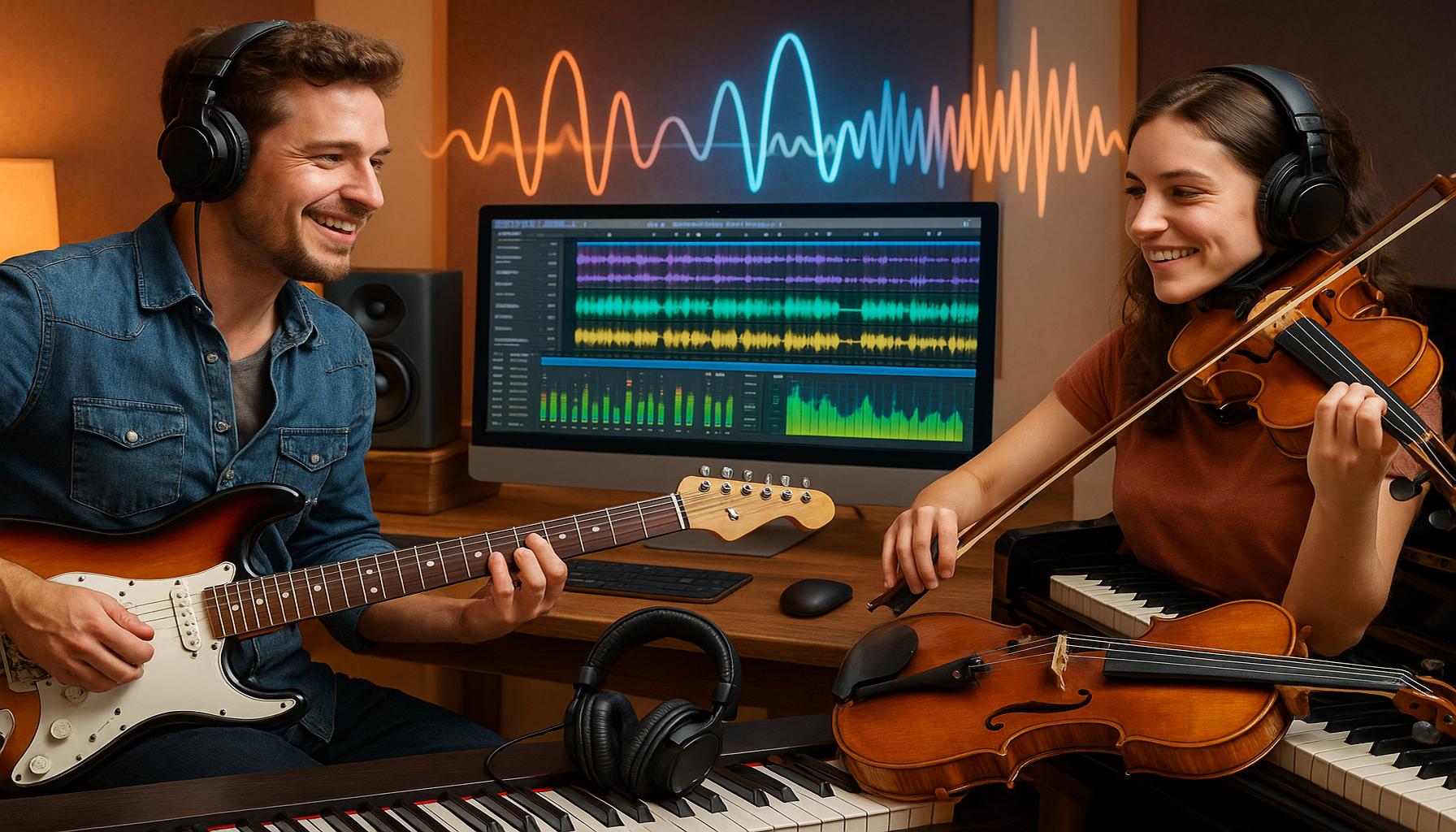
At the heart of this transformation are digital audio workstations (DAWs). Programs like Ableton Live and Logic Pro are now commonplace in home studios. They provide sophisticated functionalities that allow artists to arrange, edit, and produce music with the precision that was once only achievable in professional setups. For instance, an aspiring musician can record a demo in their bedroom and use plugins and effects that deliver high-quality sound, all from their laptop. This ease of access has encouraged a new wave of creativity, where anyone with a basic understanding of these tools can craft music that resonates over various platforms.
Mobile apps further extend this accessibility. With applications like GarageBand and FL Studio, musicians can compose and edit tracks directly from their smartphones or tablets. This portability not only allows for creativity on the go but also means that inspiration can be captured anywhere—from a subway commute to a park bench. The simplicity and versatility of these tools help fuel a diverse range of musical styles, as artists can experiment with different genres and sounds without the need for expensive equipment.
Social Media: A New Frontier
In the realm of music distribution, social media has changed the game entirely. Platforms like TikTok and Instagram are not just marketing tools; they function as stages for musicians to perform and promote their work. For example, TikTok has turned countless amateur songs into viral sensations overnight, creating new stars and altering traditional pathways to fame. Music snippets against catchy visuals encourage audience engagement and community building around artists, fostering a sense of connection that was previously difficult to achieve.
The democratization of music has significant implications. Emerging artists now face less gatekeeping, allowing more diverse voices to be heard. However, this also raises questions about the impact on traditional artistry. As technology evolves, how do we define musicianship? Are the complexities of production overshadowed by the accessibility of creation? These inquiries lead to a broader discussion on the essence of music in an era where technology plays a central role.
Engagement and Evolution
As we explore the impact of technology on musical expression, it is crucial to examine how these tools influence audience engagement. Streaming services like Spotify and Apple Music have changed how listeners discover and consume music. They facilitate personalized playlists and algorithmic recommendations, shaping listening habits in unprecedented ways. This constant accessibility presents artists with both opportunities and challenges, as they must continuously adapt to an evolving landscape of consumer preferences.
The intersection of technology and music is a lively and ever-changing terrain. As we continue to navigate through these advancements, one thing becomes clear: the tools available today are not just enhancing creativity; they are redefining what it means to be a musician in the modern world. This evolution invites us to keep an eye on the trends and innovations that will shape the future of music creation and sharing, urging us to discover the next wave of musical talent that technology will help bring to light.
DIVE DEEPER: Click here to discover the impact of social media on handicrafts
The Rise of Music Production Software
One of the most profound changes brought about by technology in the world of music is the rise of music production software. Digital Audio Workstations, or DAWs, have revolutionized how both aspiring and seasoned musicians create their art. These complex software programs empower users to compose, edit, and produce music from the comfort of their homes, eliminating the substantial barrier of entry that once existed in the music industry. Programs like Ableton Live, Pro Tools, and FL Studio enable a level of creativity that extends beyond mere recording, allowing for intricate arrangements and detailed mixing that were once available only in full-fledged recording studios.
Furthermore, with the evolution of music production software, users have access to a vast array of tools that facilitate the creation of diverse musical genres. Among the most prominent features found in modern DAWs are:
- Multi-Track Recording: Users can easily record multiple instruments and vocals to create rich, layered compositions.
- Plugins and Virtual Instruments: Countless options are available for sound synthesis, effects, and instrument simulations that bring professional quality to any track.
- Sampling Capabilities: Artists can manipulate existing sounds, taking advantage of diverse libraries to create something entirely new.
- Automation: Producers can specify changes to volume, effects, and other parameters over time, allowing for dynamic musical expressions.
This intuitive software has democratized music creation, enabling more individuals to express their musical ideas. Couple this with the availability of tutorials and online communities dedicated to these platforms, and one can easily see how the barrier to entry for music production has significantly lowered.
The Influence of Hardware Innovations
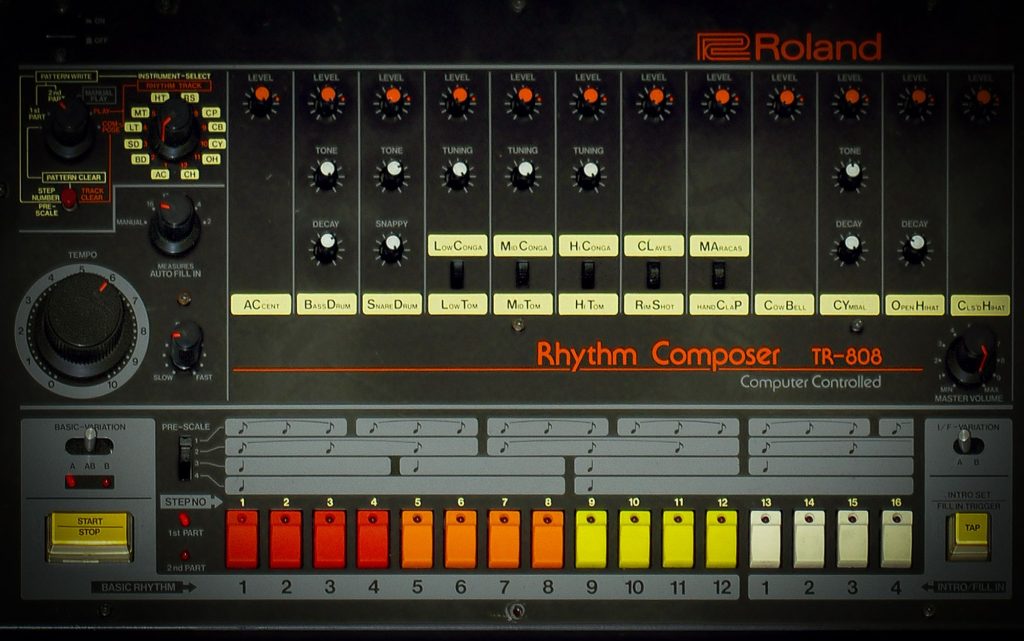
In addition to software advancements, innovations in hardware have dramatically shaped musical expression. Affordable MIDI controllers, synthesizers, and drum machines have become accessible to the masses, allowing musicians to physically interact with their music creation process. Devices such as the Akai MPC series or Novation Launchpad have become staples in both home studios and live performances, providing artists with the tactile feedback that enhances creativity and spontaneity.
The evolution of hardware also includes the introduction of portable recording devices and high-quality microphones, which enable musicians to capture sounds and ideas on the go. This portability means inspiration can be recorded anytime, anywhere, transforming the creative landscape and allowing for more organic music-making experiences. Whether someone is recording a song idea with their smartphone or using a portable field recorder to collect interesting sounds from their environment, the integration of technology into daily life enriches the musical tapestry that artists can weave.
As we investigate these technological advancements further, the essential question lingers: How do these tools not only change the way music is made but also how artists engage with their audiences? This exploration invites deeper insight into the future of music creation and sharing in this rapidly evolving technological era.
The Expanding Landscape of Musical Collaboration
As technology continues to evolve, it paves the way for new avenues of artistic collaboration that transcend traditional boundaries. Digital platforms enable musicians from different geographical locations to work together in real time, fostering an environment of creativity that allows for diverse musical genres to converge. Collaborations can now occur instantly through tools like virtual studios, where artists can record, edit, and refine their work without the constraints of time zones or distance.One of the pivotal features driving this change is the rise of cloud-based software. Musicians can now store their projects online, making it easy to share files and revisions with collaborators. Software such as Splice and Soundtrap allows musicians to contribute tracks and ideas seamlessly, enhancing workflows and inspiring spontaneous creativity. This interconnectedness not only nurtures individual talent but also drives collective innovation in musical expression.
Social Media’s Impact on Music Distribution
Social media platforms have revolutionized how music is distributed and consumed. Artists can now bypass traditional record label gatekeepers and directly share their work with audiences worldwide, creating a global fan base at unprecedented speeds. The ability to upload a track on platforms like SoundCloud or release a single on Bandcamp opens the door for emerging artists to gain recognition without the overwhelming barriers previously in place.The viral nature of content on social media means that a song can become a global sensation overnight, fueled by platforms such as TikTok or Instagram where snippets of songs are often used in user-generated content. This dynamic not only introduces new music to millions but also shapes trends and influences mainstream music. The interaction between creators and their audience has never been more direct, leading to a more engaged community around musical expression.
The Role of AI in Music Creation
Artificial Intelligence (AI) is carving out a niche in how music is both generated and curated. AI-powered tools can analyze vast amounts of data to identify patterns in music, helping artists understand trending genres or elements that resonate with listeners. More intriguingly, advanced algorithms can now compose original pieces of music, suggesting new harmonic structures and even mimicking the style of renowned composers.A prime example of AI’s role is seen in applications like OpenAI’s MuseNet and Google’s Magenta, which push the boundaries of what is possible in music composition. These tools empower musicians to experiment creatively, allowing them to integrate AI-generated elements into their work. As artists embrace these innovations, the definitions of authorship and creativity continue to evolve, challenging perceptions of what it means to be a musician in the digital age.In conclusion, the intersection of technology and music is an ever-evolving landscape, rich with opportunities for exploration and innovation. As musicians harness these new tools for creating and sharing their work, the dynamics of musical expression continue to transform, reflecting broader cultural shifts and technological advancements. The continuation of this journey promises exciting developments that will further enrich the musical experience for both creators and audiences alike.
DISCOVER MORE: Click here to dive deeper
The Impact of Online Collaboration Tools
As the landscape of music creation evolves, one of the most exciting transformations lies in the increased potential for online collaboration. Advances in technology have birthed a variety of platforms that enable musicians from all corners of the globe to connect, cooperate, and create music together in real-time. Services such as Soundtrap and Splice provide users with the ability to share projects, sounds, and sample libraries, fostering a community-driven environment that transcends geographical limitations.
This virtual connectivity not only enhances creativity but also opens up avenues for cultural exchange. Musicians can draw inspiration from diverse influences, ultimately broadening their musical palette. For instance, an artist in Los Angeles can collaborate with a producer in Berlin, merging different genres and styles to craft unique sounds that might not have emerged otherwise. Such innovative collaborations have led to the creation of hybrid genres, showcasing how technology not only facilitates musical expression but also nurtures cross-cultural dialogue.
The Power of Social Media and Streaming Platforms
Equally noteworthy is the role of social media and streaming platforms in shaping contemporary music distribution and promotion. Platforms like YouTube, Instagram, and TikTok provide musicians with the tools to share their work with a vast audience quickly. This accessibility encourages artists to experiment and take risks with their creativity, knowing that they can receive immediate feedback and engage with fans directly. The viral nature of these platforms can catapult unknown artists to fame overnight, as was the case with the spontaneous rise of songs like “Old Town Road” by Lil Nas X, which initially gained popularity through TikTok.
Moreover, streaming services such as Spotify and Apple Music have disrupted traditional music distribution. They allow artists to reach listeners without the need for a record label, which has historically controlled access to the industry. The availability of analytics from these platforms gives artists insights into their listener demographics and engagement, empowering them to tailor their music and marketing strategies effectively. The trend towards data-driven artistry illustrates how technology aids in the understanding of audience preferences, elevating artists in their quest for innovation and relevance.
Virtual Reality and Immersive Experiences
Looking ahead, the potential for virtual reality (VR) and augmented reality (AR) to influence musical expression cannot be overlooked. As artists explore these immersive technologies, new realms of creativity arise. VR concerts and experiences offer audiences an escape into entirely different worlds, changing how live performances are conceived and consumed. Museums, festivals, and independent artists are beginning to experiment with VR technology, crafting unforgettable experiences that engage audiences in ways traditional concerts cannot.
Tools such as the Oculus Rift and various AR applications allow musicians to create interactive environments that blend sound and visual art, enriching the overall experience. This intersection of technology and artistry not only widens the possibilities for musical expression but also attracts a new demographic of listeners eager to embrace the future of live entertainment.
The fusion of music with technology thus continues to be a catalyst for innovation—a force that not only reshapes the creative process but also redefines the very nature of audience engagement in the digital age.
DISCOVER MORE: Click here to learn about the timeless impact of classic literature
Conclusion
In summary, technology has become an indispensable part of the evolution of musical expression, providing innovative tools that transform how music is created, shared, and experienced. As we navigate this digital age, the rise of online collaboration platforms empowers artists, allowing them to collaborate without borders and explore diverse musical influences. This interconnectedness fuels creativity and gives birth to unique genres that reflect a rich tapestry of cultural exchange.
The influence of social media and streaming services has further revolutionized the music industry’s landscape, granting musicians unprecedented access to audiences and enabling them to cultivate Direct relationships with fans. The ability to analyze listener engagement through streaming analytics allows artists to adapt their craft, ensuring they remain relevant and resonant in an ever-changing market.
As we peer into the future, the potential of virtual and augmented reality technologies to reshape live music experiences looms large. These immersive formats not only promise to enhance the audience’s connection to music but also create entirely new realms for artistic expression. The blend of sound and visual artistry through these mediums opens up exciting possibilities and engages a new generation of listeners.
Ultimately, the continuing fusion of technology with music will foster an ever-evolving landscape of creativity—one that challenges established norms and encourages artists and audiences alike to embrace the limitless potential of innovation. The tools available today are not just instruments for creation; they are also powerful enablers of connection, communication, and cultural dialogue in an increasingly interconnected world.