Incorporating Visual Design Elements in DIY Projects
Elevate Your DIY Experience
Transforming ordinary DIY projects into extraordinary creations can be accomplished through the clever use of visual design elements. These elements enhance both aesthetics and functionality, ensuring that your projects not only serve a purpose but also tell a story. Let’s explore how the integration of effective design can set your next DIY endeavor apart from the rest.
Why Visual Design Matters
Incorporating visual design into DIY projects can significantly enhance the overall experience and outcome. Here’s how:
- Enhance Appeal: Attractive designs draw the eye and invite engagement. For instance, a well-painted birdhouse adorned with whimsical patterns can attract attention in your backyard, making it not only a shelter for birds but also a charming piece of garden art.
- Communicate Ideas: Visuals can convey messages more effectively than words alone. Think about unique signage created for a homemade herb garden. Utilizing images of the herbs alongside their names can make it easier for guests or family members to identify them at a glance.
- Reflect Personal Style: Design choices showcase individuality and creativity. Personalizing a common item, like a coffee table, with a custom stenciled design can complement your home décor and demonstrate your unique taste.
Elements to Consider
When diving into your next project, consider these key visual design elements to enhance your creation:
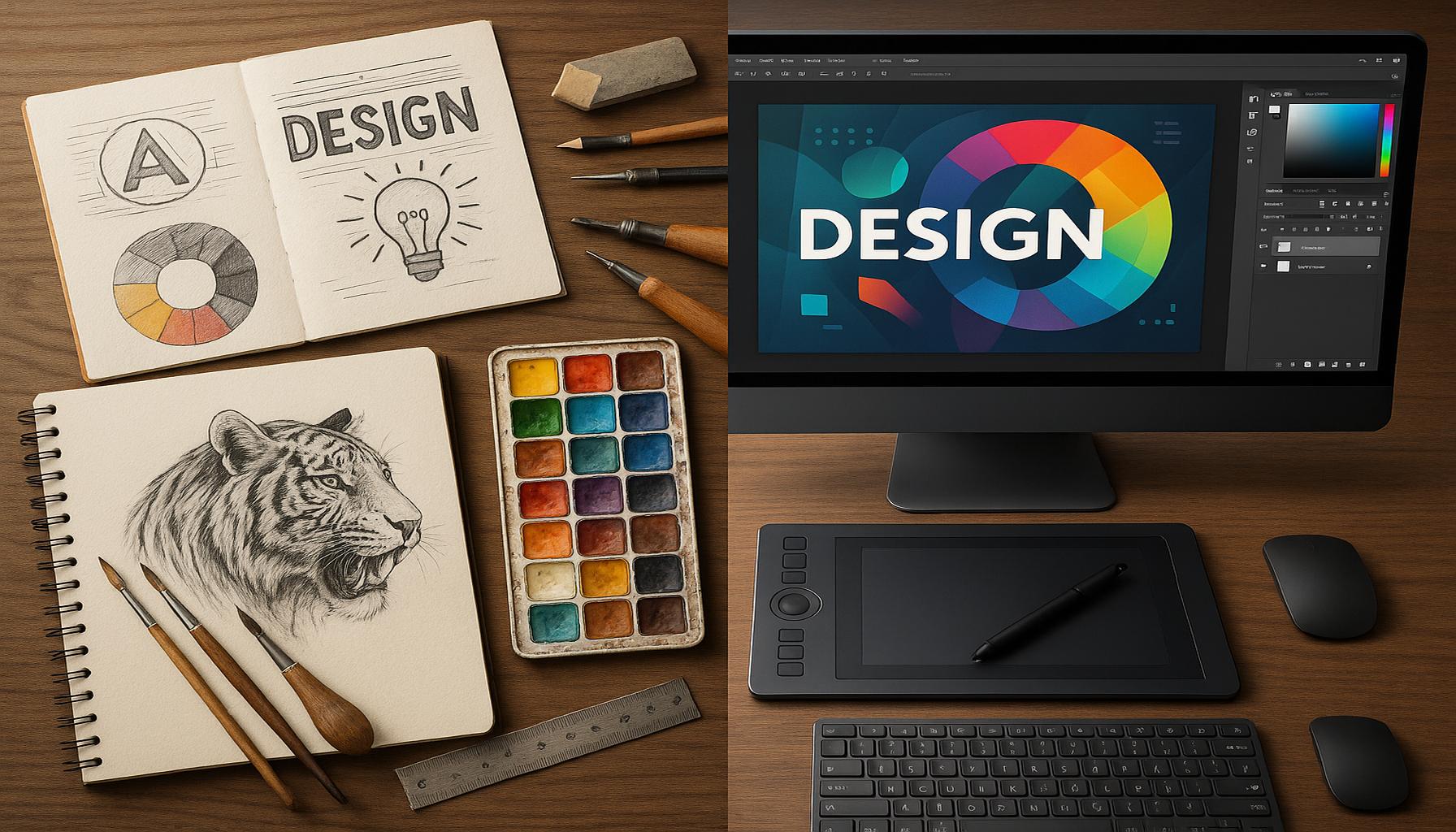
- Color Scheme: Choosing a cohesive palette can unify your project and establish a mood. For instance, a soft pastel color palette might evoke a calming environment, which is perfect for a cozy reading nook.
- Typography: Selecting the right fonts adds character and clarity to your project. Custom labels for jars in the kitchen can be both functional and stylish, guiding family members to easily identify contents.
- Texture: Mixing materials creates depth and interest. Imagine an outdoor bench with a smooth wooden top paired with a wrought iron base; this combination not only looks stunning but also offers durability.
By applying these design principles, DIY enthusiasts can elevate their projects, making them not just functional but also visually captivating. Whether you are refurbishing furniture, creating wall art, or sprucing up your garden space, the careful selection and thoughtful integration of visual elements can transform a simple project into a masterpiece. Stay tuned as we dive deeper into specific techniques and ideas that can inspire your next creative venture, giving you the tools to express your personal style through DIY projects.
DISCOVER MORE: Click here to learn about the impact of book clubs on social connections
Bringing Your Vision to Life
When it comes to DIY projects, incorporating visual design elements can take your efforts from mundane to magnificent. Understanding the fundamentals of design can unlock a world of creativity, allowing you to express your unique flair and elevate the functionality of your creations. A well-designed project is not only about aesthetics; it’s about crafting an engaging experience for both you and those who enjoy your work. Here, we delve into some strategies to help you blend visual appeal with practicality in your DIY endeavors.
Understanding the Principles of Design
To effectively integrate visual design elements in your projects, it’s essential to grasp a few core design principles. These serve as a foundation for all your DIY creations:
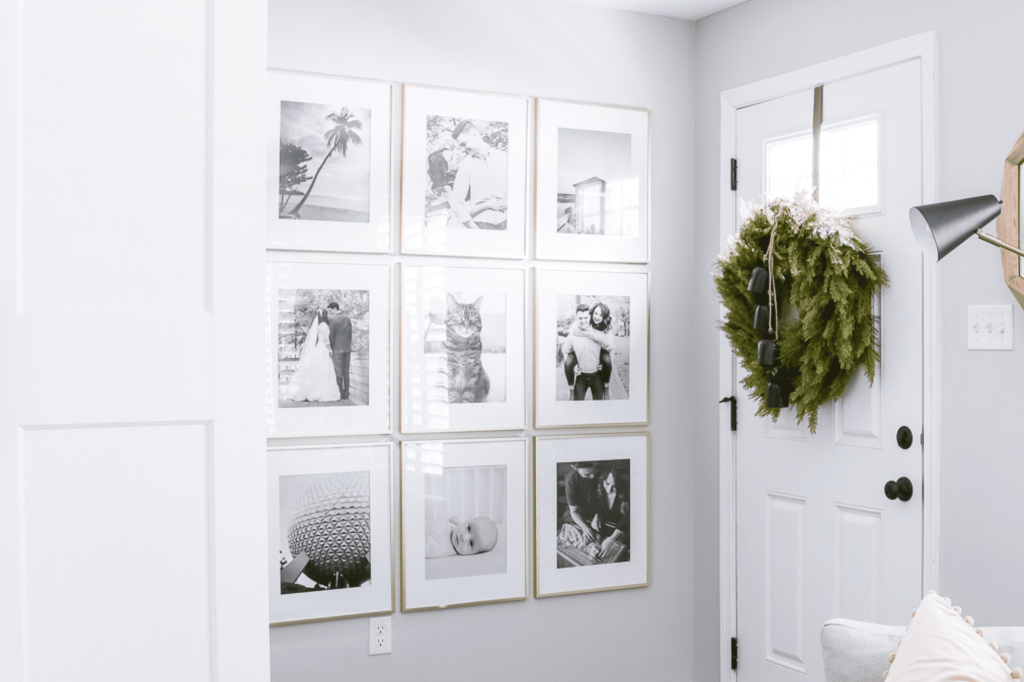
- Balance: In visual design, balance refers to the distribution of visual weight in your project. This can be symmetrical or asymmetrical. For example, when making a gallery wall, placing larger frames on one side and smaller frames on the other can create an attractive, balanced look that draws the eye.
- Contrast: Contrast helps highlight key elements in your design. Using light colors against dark backgrounds or bold patterns alongside simple textures can create a striking effect. Picture a bright yellow planter against a deep navy porch; the colors not only pop but also attract attention.
- Proximity: How close or far apart elements are placed can affect the overall feel of your project. Grouping related items, like kitchen utensils, enhances functionality and creates an inviting atmosphere. Consider using a wooden caddy to keep your cooking essentials organized and visually cohesive.
Practical Applications in DIY Projects
With these principles in mind, you can embark on a variety of DIY projects infusing them with smart design choices. Here are some practical applications to consider:
- Furniture Refurbishment: Reimagining a piece of furniture with a fresh coat of paint, patterned fabric, or new hardware can transform it dramatically. For instance, refinishing an old dresser with a bold, geometric pattern can make it the centerpiece of your bedroom.
- Home Décor Accessories: Add personal touches to common items. A simple glass vase can be transformed into an eye-catching piece of art by wrapping it with twine or acrylic paint. The texture and color will engage viewers, encouraging them to appreciate the nuances of your creativity.
- Outdoor Spaces: Utilizing visual elements like colorful planters, eye-catching outdoor furniture, or strategically placed lights can create inviting outdoor spaces. Think about installing string lights over a patio area for a warm ambiance, perfect for entertaining friends or enjoying a quiet evening.
Integrating visual design elements into your DIY projects is not merely about following trends; it’s about making intentional choices that resonate with your personal style. Each project becomes an opportunity for self-expression, enabling you to reflect who you are while enjoying the process of creation. As you explore these principles and applications, remember that the journey of crafting is just as rewarding as the end result. Stay tuned for more tips and techniques that will inspire your next creative endeavor.
| Advantages | Details |
|---|---|
| Enhanced Aesthetics | Incorporating visual design elements can transform mundane projects into stunning focal points in your home. |
| Increased Value | Well-designed DIY projects can significantly increase your property’s appeal and market value, making them more attractive to potential buyers. |
| Personal Expression | Integrating visual design allows individuals to express their unique style and creativity, making their space truly their own. |
| Inspiration and Motivation | Visually appealing projects can inspire others and boost your own motivation to tackle more creative endeavors. |
Incorporating visual design elements into DIY projects isn’t just about aesthetics; it’s also a means of enhancing functionality and personal gratification. As homeowners delve into their creative sides, they discover new ways to optimize their living spaces while reflecting their personalities. Enhanced aesthetics lead to a more inviting environment, enticing not only friends and family but possibly increasing the property’s value as well. Furthermore, creativity sprouting from unique designs fosters a sense of accomplishment, motivating individuals to undertake even more challenging projects. Thus, visual design serves as both an artistic outlet and a practical necessity, marrying beauty with usability in the realm of DIY.
DIVE DEEPER: Click here to discover emerging literary genres
Exploring Color Theory and Material Choices
Color is one of the most powerful tools in a designer’s toolkit. Understanding color theory can profoundly influence your DIY projects, conjuring specific emotions and responses from viewers. When tackling your next endeavor, consider the psychological impact of colors. For example, blue is often associated with tranquility and harmony, making it an ideal choice for bedrooms or meditation spaces. In contrast, vibrant colors like red or orange can energize a room, fostering creativity and warmth, perfect for a home office or a playroom.
Creating a Cohesive Color Palette
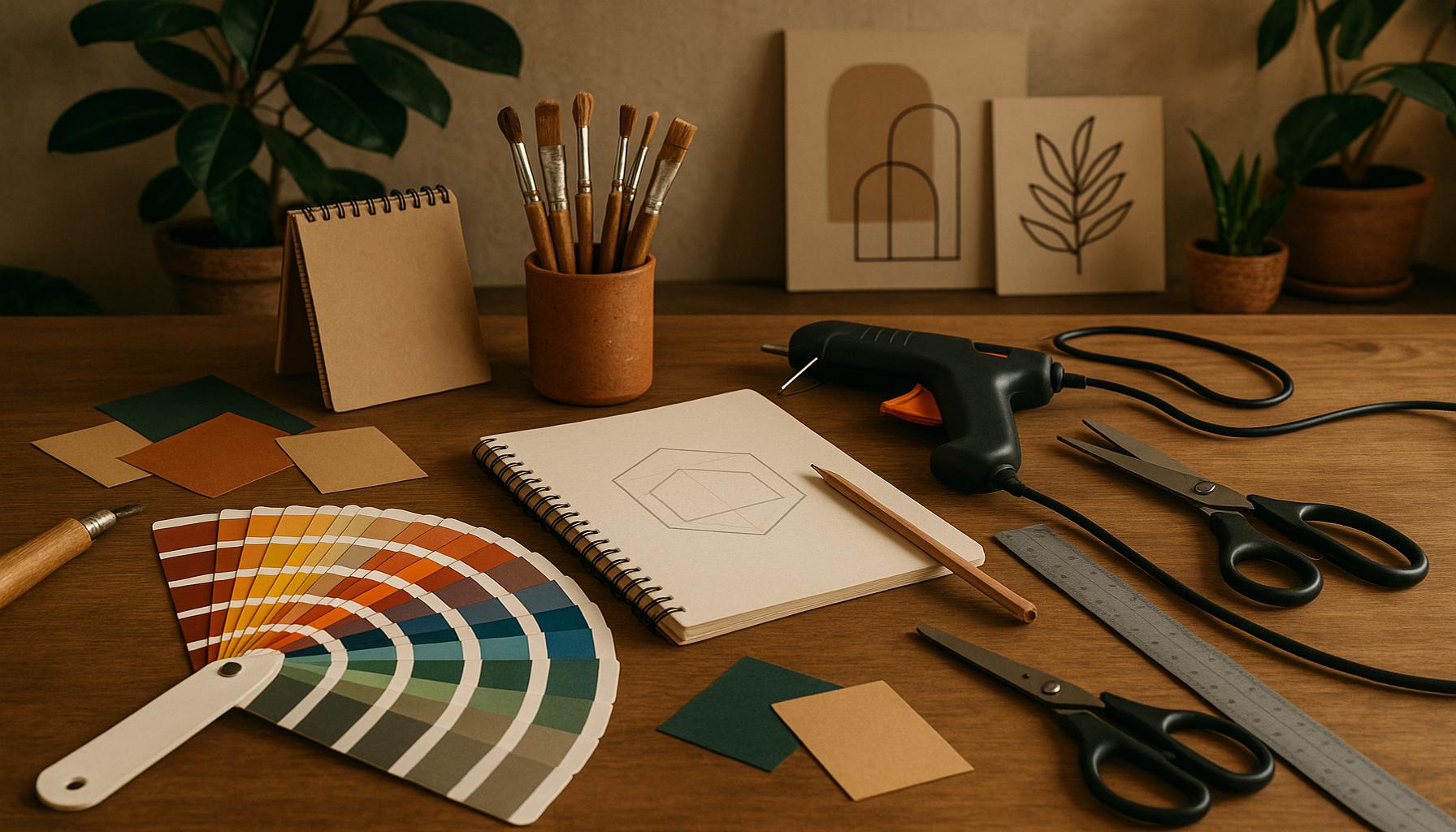
As you incorporate color into your projects, establish a cohesive color palette. Choosing a limited palette of three to five colors ensures harmony without overwhelming the senses. Start with a base color, select complementary and accent colors, and pay attention to any patterns or textures you wish to integrate. Websites like Adobe Color and Coolors.co are fantastic tools that can help you visualize your selections and discover trendy combinations that will bring depth and dimension to your projects.
Playing with Textures and Materials
The textural elements of your DIY projects are just as crucial as colors. Experimenting with a variety of materials can add interest and enhance your design. For instance, mixing smooth surfaces like glass with rough textures like reclaimed wood can create a visually engaging contrast. Think about incorporating textiles like linen, burlap, or velvet into your décor. These materials can enrich the sensory experience of your space, making it more inviting and dynamic.
- Textured Walls: Instead of a plain paint job, consider using textured wallpaper or wood paneling for added depth. A wood accent wall in a living room can evoke warmth and inspire comfort, making it a perfect backdrop for family gatherings or intimate conversations.
- Layered Fabrics: When creating soft furnishings like throw pillows or drapes, blend different fabrics and patterns. For example, pairing a floral fabric with a geometric print can create visual intrigue and showcase your personality.
- Incorporating Natural Elements: Use materials like stone, wood, or metal to bridge the gap between the indoors and outdoors. A DIY terrarium using raw wood and glass containers not only serves as a beautiful centerpiece but also fosters a connection to nature.
Enhancing DIY Projects with Symbolism
Beyond color and texture, consider the symbolic aspects of your designs. Incorporating elements that hold personal meaning can elevate a simple project into an emotional centerpiece. For example, creating a family tree wall art piece using photographs and meaningful quotes can add a unique narrative to your space, helping to engage visitors and tell your story.
Additionally, research current design trends. This not only keeps your work relevant but may also inspire innovative ideas. Trends such as biophilic design, which brings the outdoors inside, are gaining traction and can inform your choices about plants, materials, and layouts. As you keep these aspects in mind, remember that your DIY projects are an extension of your identity — a canvas where you can showcase both design principles and personal significance.
DISCOVER MORE: Click here to delve deeper
Conclusion: Elevating DIY Projects through Visual Design
Incorporating visual design elements into your DIY projects not only enhances aesthetics but also transforms ordinary spaces into personalized havens that reflect your unique style. As discussed, understanding color theory enables you to manipulate emotions and set the desired ambiance through thoughtful color choices. Establishing a cohesive color palette serves as a foundation that blends various elements harmoniously, ensuring your space feels well-considered rather than chaotic.
Moreover, the interplay of textures and materials contributes significantly to a design’s success. By thoughtfully combining different surfaces and fabrics, you can create a tactile experience that enriches your environment and invites engagement. Whether it’s using reclaimed wood to add warmth or textiles that convey comfort, these details matter in making your DIY projects stand out.
Don’t forget the power of symbolism and storytelling in design. Infusing your projects with personal significance—or elements that resonate with your experiences—can evoke feelings of nostalgia and connection, drawing attention to the heartfelt stories behind your creations. Additionally, staying informed about current design trends can inspire innovation in your work, helping you to refine your approach to DIY projects.
Ultimately, the journey of incorporating visual design elements in DIY projects is about exploration and expression. Let each project reveal your personality and spark joy in your surroundings. As you embark on your next creative venture, remember that every brush stroke, fabric choice, and decorative nuance can elevate your work from mere craft to a meaningful expression of who you are.