How to Use Visual Design Principles to Enhance Hobby Presentation on Social Media
The Importance of Visual Design Principles in Social Media
The age of social media has transformed how hobbyists share their interests with the world. Whether you’re a photographer, a painter, or an avid gardener, the way you present your passion online can significantly determine your reach and engagement. At the core of creating appealing content are the visual design principles, which serve as essential tools for improving the visibility of your hobby.
Key Design Principles
Understanding and effectively implementing design principles can set your posts apart in a saturated social media landscape. Let’s delve deeper into some of these fundamental concepts:
- Contrast: Leveraging contrasting colors can make your images and text stand out. For example, if your content features bright landscapes, consider using dark text or borders to ensure legibility and draw the viewer’s focus. High contrast can evoke emotions and compel users to engage with your content, leading to more likes and shares.
- Balance: Achieving a harmonious layout is paramount for maintaining viewer interest. You can create balance through symmetry or asymmetry, ensuring that no single element overwhelms the others. For instance, an Instagram post that features a perfectly centered photograph alongside a well-structured caption can create an aesthetically pleasing experience that keeps followers coming back for more.
- Hierarchy: Establishing visual hierarchy helps guide your audience’s attention to the most important aspects of your posts. This can be done through varying the size of your text or images and using strategic spacing. For example, placing the most striking image at the center while framing it with secondary text allows viewers to comprehend your main message quickly.
The Impact of Quality Visuals
Despite the known benefits, many hobbyists underestimate the power of high-quality visuals. Research indicates that posts featuring vibrant, clear images receive 94% more views than their lower-quality counterparts. This statistic is critical, reminding us that optimal presentation can engage audiences significantly better than average images.
Elevating Your Social Media Presence
Integrating these visual design principles into your online content can remarkably elevate your social media presence. For example, a hobbyist who showcases homemade crafts may use high-contrast colors to highlight details, ensuring viewers see the intricacies of each piece. Moreover, by applying balance in the layout, the final post can appear polished and professional, enhancing credibility.
In conclusion, the world of visual design is not confined to experts; it is an empowering toolkit for hobbyists eager to connect with a broader audience. By harnessing the principles of contrast, balance, and hierarchy, you can transform your hobby into a captivating visual narrative that not only attracts attention but also encourages interaction and fosters community engagement. So, take your time to explore these design strategies, and watch as your online presence flourishes.

DISCOVER MORE: Click here to dive deeper
Harnessing the Power of Visual Design for Hobby Sharing
When sharing your hobbies on social media, it’s essential to recognize that visuals are often the first form of communication with your audience. Studies show that content accompanied by images is more likely to be remembered, making visual design principles indispensable for effectively portraying your interests. By integrating these principles into your posts, you can significantly enhance your engagement rates and even expand your follower base.
Choosing the Right Color Palette
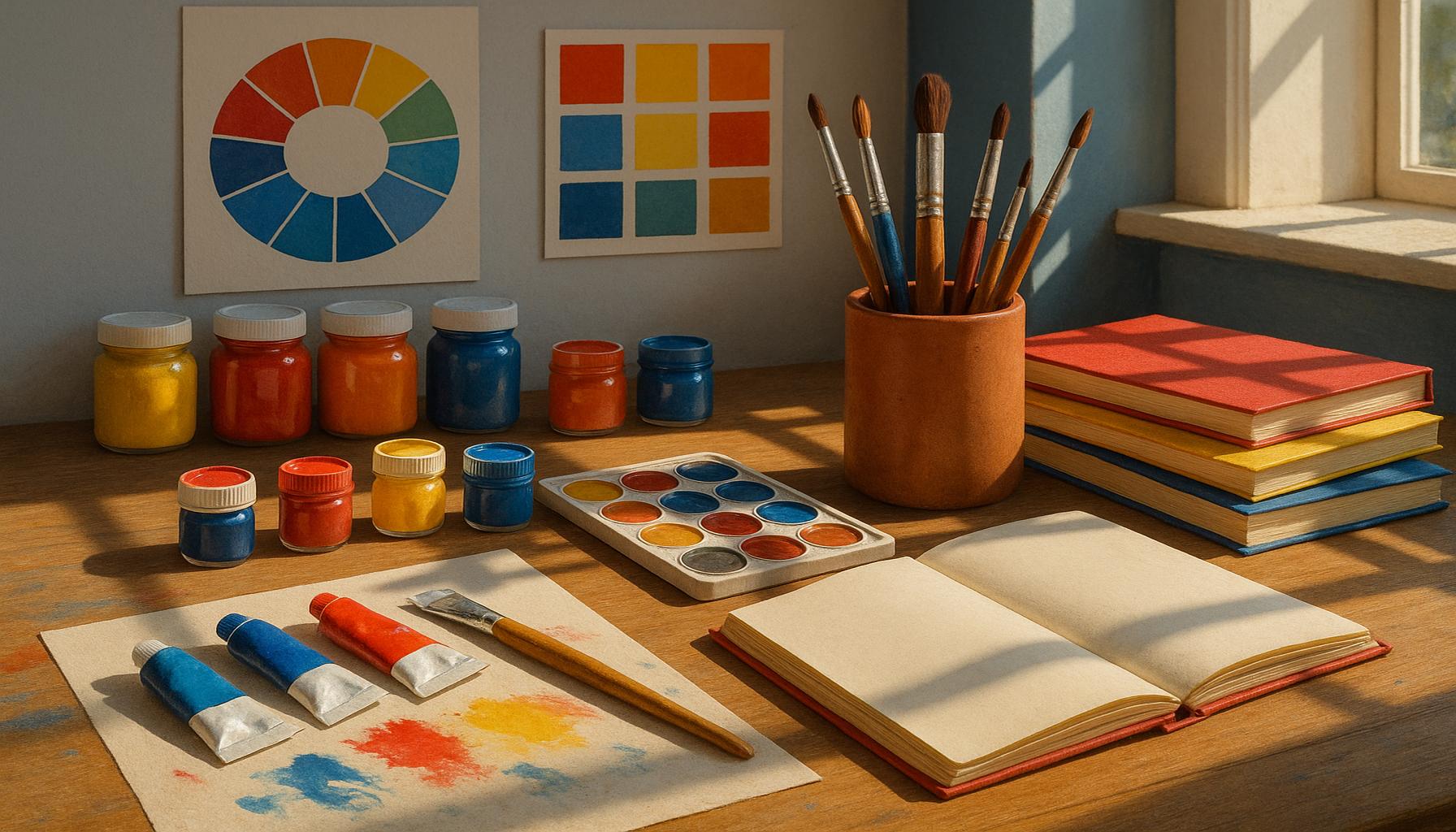
One of the most impactful elements of visual design is color. A well-chosen color palette can evoke emotions and set the tone for your hobby presentation. Consider your niche: a vibrant, playful palette works well for artistic crafts, while muted, earthy tones may suit cooking or gardening enthusiasts. Research indicates that color can increase brand recognition by up to 80%. Therefore, consistently using a specific set of colors in your posts will help viewers associate those hues with your content.
Utilizing White Space Effectively
Many creators overlook the importance of white space, which refers to the empty areas surrounding your visual elements. Contrary to what one might think, white space does not mean wasted space—it’s crucial for creating a clean and uncluttered look. Proper use of white space allows you to highlight core components of your post, leading to better viewer comprehension. For example, an art post showcasing intricate details can be emphasized by ensuring that the background isn’t overly busy, allowing the artwork to take center stage.
Incorporating Typography
Another vital aspect of visual design principles is typography. The choice of font can greatly affect how your message is perceived. A casual hobbyist might select playful, handwritten fonts to convey a personal touch, while a professional crafter might opt for sleek and modern typography to reflect precision. Here are some tips for effective typography:
- Readability: Ensure your text is clear and legible, especially when viewed on mobile devices.
- Font Pairing: Pair different font styles to create contrast, but limit yourself to two or three fonts to avoid clutter.
- Size Variation: Use larger fonts for headings and smaller sizes for body text to create a natural flow.
By paying careful attention to your color choices, white space, and typography, you can craft posts that not only captivate but also communicate effectively to your audience. Each element contributes to creating an inviting space that encourages interaction and fosters a sense of community around your hobby.
As you explore these aspects of visual design, consider testing different approaches to see what resonates best with your audience. Remember, experimentation in your presentation can lead to valuable insights into what captures viewers’ attention the most.
Utilizing Color Theory in Social Media Presentation
In the realm of social media, color theory plays a crucial role in attracting attention and conveying messages effectively. Understanding how different colors evoke emotions can help hobbyists enhance their presentations. For example, warm colors like red and orange can create feelings of excitement and energy, making them ideal for showcasing vibrant hobbies like painting or sports. Conversely, cooler colors like blue and green can communicate calm and relaxation, perfect for hobbies such as gardening or knitting. Integrating color palettes that resonate with your audience can significantly boost engagement and interest.
Creating a Harmonious Layout
A well-structured layout is essential for guiding the viewer’s eye through a social media post. Utilizing the principles of balance and alignment can create a visual hierarchy that emphasizes the most important elements of your hobby presentation. For example, placing your signature piece in a prominent position while using white space around it can draw attention and encourage viewers to interact with your content. This design approach not only enhances visual appeal but also ensures that your audience receives the intended message without distraction.
Combining these design elements effectively can lead to increased visibility and engagement on social media platforms. As you hone your skills at blending design principles with personal hobbies, you not only improve your presentations but also develop a unique visual identity that resonates with followers.
| Category 1 | Category 2 |
|---|---|
| Color Theory | Color choices can drive emotional responses and engagement. |
| Layout Design | A balanced layout enhances viewer experience and interaction. |
DISCOVER MORE: Click here to learn about the impact of social media on handicrafts
Enhancing Visual Appeal with Composition and Imagery
In addition to color, white space, and typography, two other critical components influence how effectively your hobby presentations are perceived: composition and imagery. The strategic arrangement of visual elements can either magnify your creativity or dilute it, making mastery of composition essential for captivating presentations. Meanwhile, the type of imagery you employ also plays a vital role in conveying your message and engaging your audience.
The Art of Composition
Composition refers to how various elements are arranged within your visual content. Utilizing principles like the rule of thirds can drastically enhance the aesthetic appeal of your posts. This technique divides an image into a 3×3 grid, guiding you to position focal points along the grid lines or their intersections. For example, if you are showcasing a DIY project, place the finished product at one of the intersecting points while incorporating contextual elements subtly surrounding it. Research shows that images adhering to this rule are perceived as more balanced and engaging.
Experimenting with angles and perspectives can also add depth to your visuals. Consider capturing your hobby from unique vantage points; for instance, photographing a culinary masterpiece from above creates a sense of abundance, while a close-up can illustrate intricate details that viewers might otherwise overlook. Such thoughtful composition invites the eye to explore your post further, enhancing engagement.
Selecting Compelling Imagery
The quality and relevance of imagery can make or break your social media presence. Utilizing high-resolution images that showcase your hobby in a vibrant light is essential. Avoid generic stock photos; instead, consider capturing original images that reflect your personality and style. According to data from HubSpot, posts with original images receive more engagement than those featuring stock photography.
Moreover, ensure that your images tell a story. Connecting with your audience through relatable content can forge a deeper emotional connection. For instance, if you’re a gardening enthusiast, don’t just post about the end result—share the behind-the-scenes journey through captivating visuals that highlight growth stages, setbacks, and triumphs. This narrative approach can effectively transform casual viewers into dedicated followers.
The Role of Filters and Editing Tools
In today’s highly visual social media landscape, it’s crucial to understand the impact of photo editing and filters. The right filter can enhance your images by providing coherence to your overall aesthetic. Platforms like Instagram offer a variety of built-in filters that can enhance color depth and create a desired mood. However, moderation is key; over-filtering can result in an artificial appearance, alienating potential followers.
Leverage editing tools such as Adobe Lightroom or Snapseed to fine-tune your images before posting. Adjusting brightness, contrast, and saturation can significantly impact how viewers perceive your work. According to a study published in the Journal of Graphic Design, images that exhibit controlled enhancements draw higher levels of engagement than unedited images.
By mastering composition, selecting compelling imagery, and effectively utilizing editing tools, you can create stunning visuals that resonate with your audience. As you refine your skills, keep the principles of visual design in mind, allowing your unique style to shine through while fostering a community around your shared passions.
DISCOVER MORE: Click here to learn how creative practices can unite communities
Conclusion: Elevating Your Hobby Presentation through Visual Design
In the fast-paced world of social media, capturing attention and fostering engagement is paramount. By employing visual design principles such as composition, imagery, and editing techniques, you can effectively elevate how you present your hobbies online. Highlighting elements like the rule of thirds and incorporating unique perspectives can transform ordinary visuals into compelling narratives that resonate with your audience.
Utilizing high-quality, original imagery is equally important—it draws viewers in and creates an emotional connection. When you showcase your hobbies with clarity and authenticity, you invite followers to invest in your journey, whether it’s through sharing tips or celebrating milestones. Don’t underestimate the power of storytelling through visuals; sharing the process behind your projects can turn casual observers into loyal supporters.
Moreover, mastering the use of filters and editing tools is crucial in ensuring your images maintain quality without looking artificial. As you refine your visual content, remember that consistency is key to establishing a recognizable style that reflects your personality and passion. The right combination of these design principles not only enhances the aesthetic appeal of your content but also cultivates a meaningful community around your interests.
As you embark on this creative journey, keep experimenting and evolving your skills. By continuously learning how to leverage visual design principles, your hobby presentations will not only shine but also inspire others in the ever-growing digital landscape. So grab your camera, unleash your creativity, and watch your social media presence flourish!