The Influence of Color Psychology on Visual Design for Creative Hobbies
The Role of Color in Creative Design
Color is more than just an aesthetic choice; it is a powerful tool that shapes our experiences, influences our perceptions, and evokes a spectrum of emotions. This phenomenon, often referred to as color psychology, is especially significant in creative fields such as painting, graphic design, and crafting. By selecting the right palette, artists and hobbyists can transform their work, inspiring creativity and enhancing emotional responses.
An essential aspect of color in design is its emotional impact. For example, blue is often associated with feelings of calm and serenity, making it a popular choice in wellness branding and spa design. Conversely, warm hues such as red and orange are energizing, frequently used in marketing to evoke feelings of excitement and urgency. Brands like Coca-Cola and McDonald’s harness bold reds to stimulate appetite and capture attention. This demonstrates how the psychological attributes of color can significantly affect consumer behavior.
- Emotional Impact: Colors like blue can evoke tranquility, while red can inspire excitement.
- Target Audience: Knowing your audience can significantly affect your color choices, making them more appealing. For instance, pastel colors may attract a younger demographic who seek softness and warmth, while bold colors may appeal to a more adventurous audience.
- Brand Identity: Strong colors can help establish a unique identity for DIY projects or personal brands. Think of Tiffany blue, a distinctive hue strongly associated with luxury and sophistication. It not only sets their jewelry apart but also creates a lasting impression in the mind of the consumer.
Furthermore, understanding your target audience is crucial when making color decisions. Different demographics may respond to colors based on cultural backgrounds, age, and personal experiences. For example, younger generations might be drawn to vibrant, unconventional color combinations, while older populations may prefer muted, classic shades. By aligning color choices with the preferences of your audience, you can ensure that your designs resonate on a deeper level.
Artists and hobbyists alike can use the principles of color psychology to maximize the impact of their work. By delving into how various colors communicate different messages, creators can effectively convey their intentions and emotions through their designs. This exploration of color—a seemingly simple facet of design—offers a transformative opportunity to elevate creative projects from ordinary to extraordinary.
As you embark on your creative journey, consider these aspects of color in your work. Employ practical tips, such as experimenting with complementary colors or using color blocking techniques to create more dynamic compositions. With this knowledge in hand, your ability to craft vibrant, engaging visuals will not only enhance your projects but also invite viewers to appreciate the emotional narratives behind every hue.
DISCOVER MORE: Click here to dive deeper
Understanding Color Associations and Their Applications
In the realm of visual design, particularly for creative hobbies, understanding color associations is essential for maximizing the emotional impact of any project. Each color evokes specific feelings and associations that can greatly influence the viewer’s reaction. Color psychology provides a framework for how colors can be used strategically to enhance artistic expression while connecting with the audience on a visceral level.
To effectively utilize color in creative projects, artists should familiarize themselves with the meanings often attributed to various colors. Here is a brief overview of some key colors and their psychological implications:
- Red: Symbolizing passion, energy, and urgency, red can stimulate emotions and encourage excitement. It’s commonly used in creative works that aim to draw immediate attention or invoke strong feelings.
- Blue: Often linked to tranquility, trust, and calmness, blue can create a soothing atmosphere. This makes it a great choice for designs focused on relaxation or mindfulness.
- Green: Associated with nature, growth, and harmony, green can evoke feelings of freshness and vitality. It is frequently used in projects aimed at promoting sustainability or health.
- Yellow: This color is synonymous with optimism and cheerfulness, but it must be used judiciously as it can also cause visual fatigue if overused. Bright yellows can invigorate a design, while softer shades provide warmth.
- Purple: Often representative of creativity, mystery, and luxury, purple can stimulate the imagination and invite deeper contemplation in artistic works.
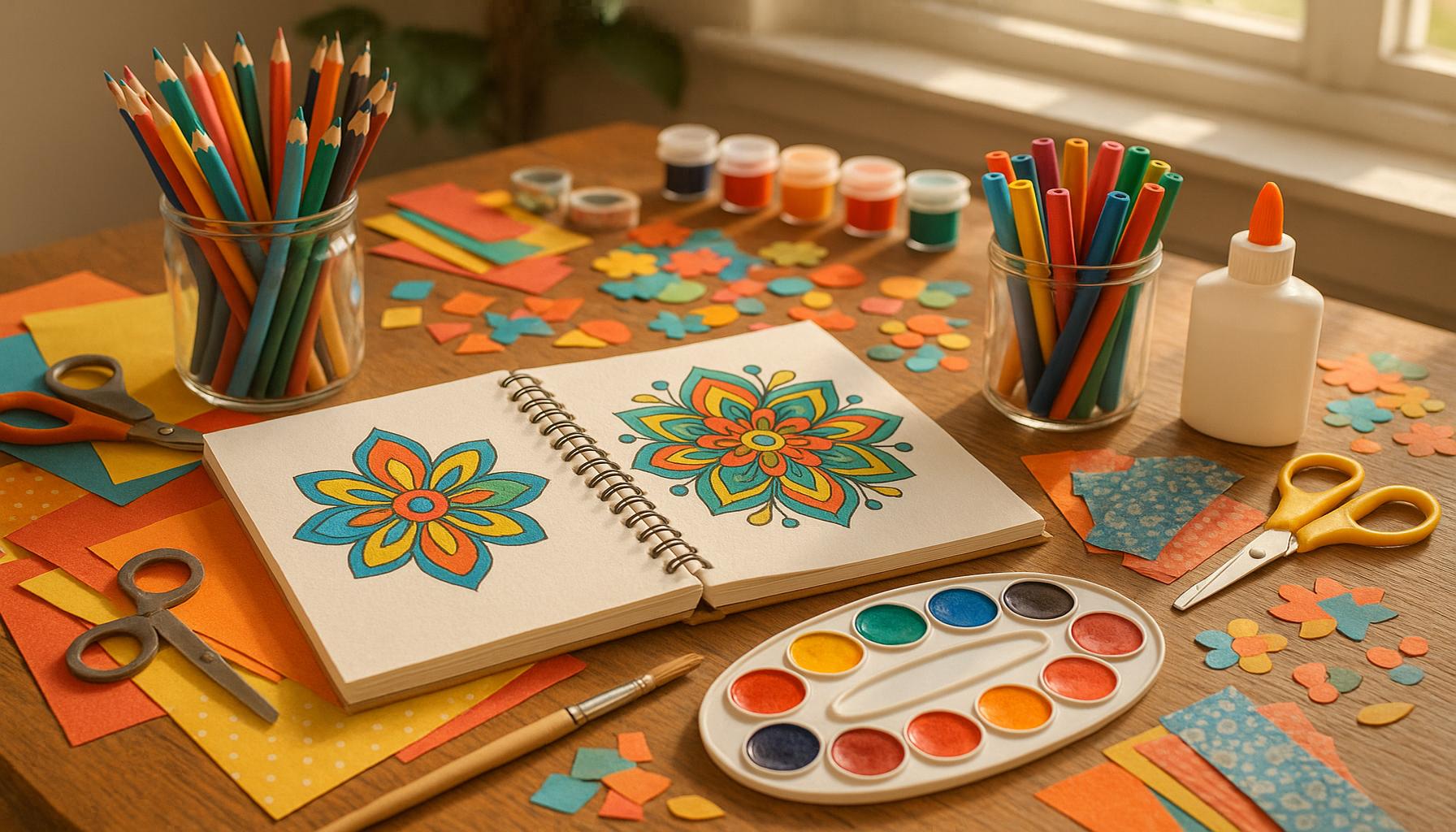
When creating visual designs for hobbies, it’s imperative to consider how the chosen colors will resonate with personal styles and objectives. For instance, a painter creating a serene landscape may favor blues and greens to reflect natural elements, while a crafter designing vibrant, eye-catching invitations may opt for lively reds and yellows to project energy and joy. By aligning color choices with the intended message and aesthetic goals, designers and hobbyists can significantly enhance the overall appeal of their creations.
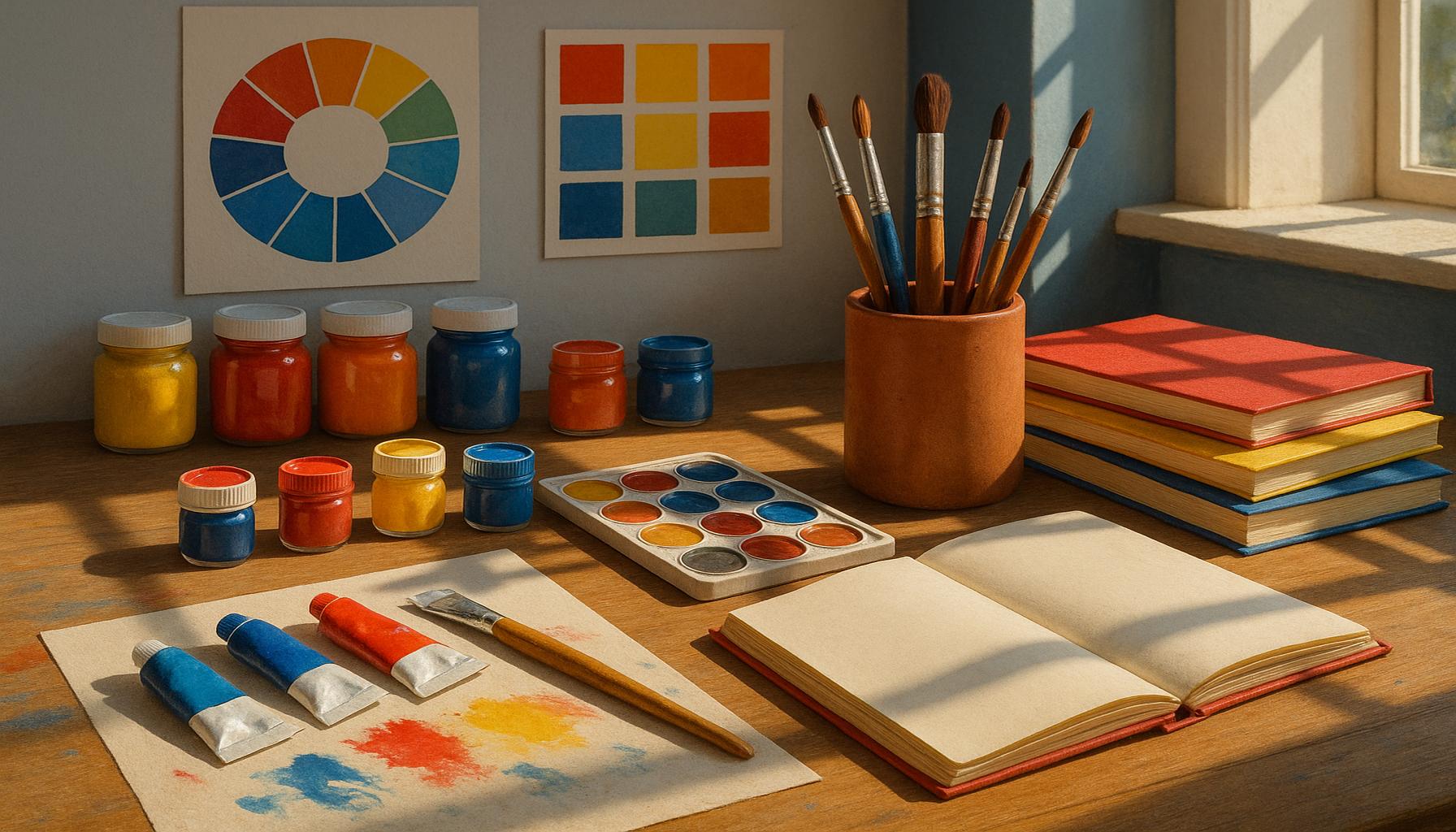
Moreover, the significance of color combinations cannot be overstated. Color theory provides valuable insights into how colors interact with one another. Understanding concepts such as complementary, analogous, and triadic color schemes allows designers to build visual harmony, guiding the viewer’s eye through their work. For instance, a creative project that blends analogous colors—such as a mix of blue and green—can create a soothing effect, while contrasting colors, like blue and orange, can generate dynamic tension and draw attention to specific focal points.
As we continue to explore the influence of color psychology in visual design, it becomes clear that this knowledge isn’t just theoretical—it’s practical and incredibly beneficial for hobbyists looking to elevate their craft. Through the intentional selection of colors, artists can communicate their emotions, define their style, and ultimately, enhance the viewer’s experience. Understanding the power behind each hue can truly transform a project from a simple endeavor into a compelling artistic statement.
| Category | Description |
|---|---|
| Emotional Response | Color influences mood and emotions, impacting the viewer’s engagement and enjoyment. |
| Creativity Boost | Certain colors can inspire creativity, encouraging hobbyists to explore their artistic potential. |
| Brand Recognition | Utilizing consistent color schemes helps in establishing a recognizable identity among creative communities. |
| Cognitive Load | Color can simplify visual information, making it easier for users to navigate and comprehend creative projects. |
The interplay of color psychology with visual design is pivotal for individuals engaging in creative hobbies. By intentionally selecting color palettes that resonate with personal emotions and intended messages, creators can effectively convey their artistic vision. For instance, warm colors, such as reds and yellows, stimulate excitement and energy, thus, they are often used in projects aimed at invoking a sense of enthusiasm. In contrast, cooler colors like blues and greens can convey tranquility and reliability, making them perfect for designs focused on relaxation or concentration.Moreover, understanding cultural associations with colors can enhance the impact of a design. For example, in Western cultures, white signifies purity, while in some Eastern cultures, it can symbolize mourning. This awareness can greatly influence a creator’s choice of colors in their projects, making the final outcome not just visually appealing but also culturally resonant. Incorporating these aspects into visual designs for creative hobbies not only optimizes engagement but encourages a lifelong exploration of the endless possibilities that color offers. As enthusiasts, understanding the profound connection between color and emotion allows for more enriched experiences in their creative endeavors, potentially leading to deeper satisfaction and personal growth.
DIVE DEEPER: Click here to discover the art of improvisation
Leveraging Color Trends in Creative Projects
As the landscape of visual design evolves, staying informed about color trends can significantly enhance the creative endeavors of hobbyists. Trends often reflect cultural movements and societal shifts, influencing public perception and emotional response to colors. Artists and designers should keep a keen eye on emerging trends, as they surprise and inspire fresh interpretations of prevalent color palettes.
For example, the Pantone Color Institute annually announces its Color of the Year, which can serve as a valuable resource for hobbyists looking to align their work with current resonances. For instance, the vibrancy of a color like Living Coral, chosen in recent years, invited artists to explore themes of connection and warmth, encapsulating feelings of comfort in an increasingly digital world. By incorporating such trending colors into their projects, creators can not only enhance their aesthetic appeal but also foster a connection with audiences who resonate with contemporary themes.
Alongside seasonal trends, different platforms, from social media sites like Instagram to Pinterest, often showcase color palettes that gain traction in creative communities. Observing these platforms can provide insights into what colors are captivating audiences’ attention. For instance, the rise of earthy tones during the trend toward sustainability reflected a collective consciousness shift toward environmental awareness. Therefore, incorporating these muted colors into visual designs can signal authenticity and relevancy in today’s market.
Creating Emotional Resonance Through Color Juxtaposition
The interplay of different colors can also create complex emotional responses in viewers. This concept, often referred to as juxtaposition, can be a powerful tool in the hands of hobbyists. By experimenting with unexpected color pairings, artists can evoke intrigue or tension, prompting contemplation and engagement from the audience. For example, the use of complementary colors—such as deep blue paired with vivid orange—can create visual dynamism, capturing a viewer’s interest more effectively than a monochromatic scheme.
Furthermore, the concept of color symbolism can be particularly useful in creating narratives through color. An artist crafting a narrative piece may choose darker shades to depict struggle and conflict, while lighter tones may evoke hope and resolution. By consciously selecting their color palette, creators can guide viewers through a story, resulting in a more profound connection to the work.
The Practical Application of Color Choices in Various Mediums
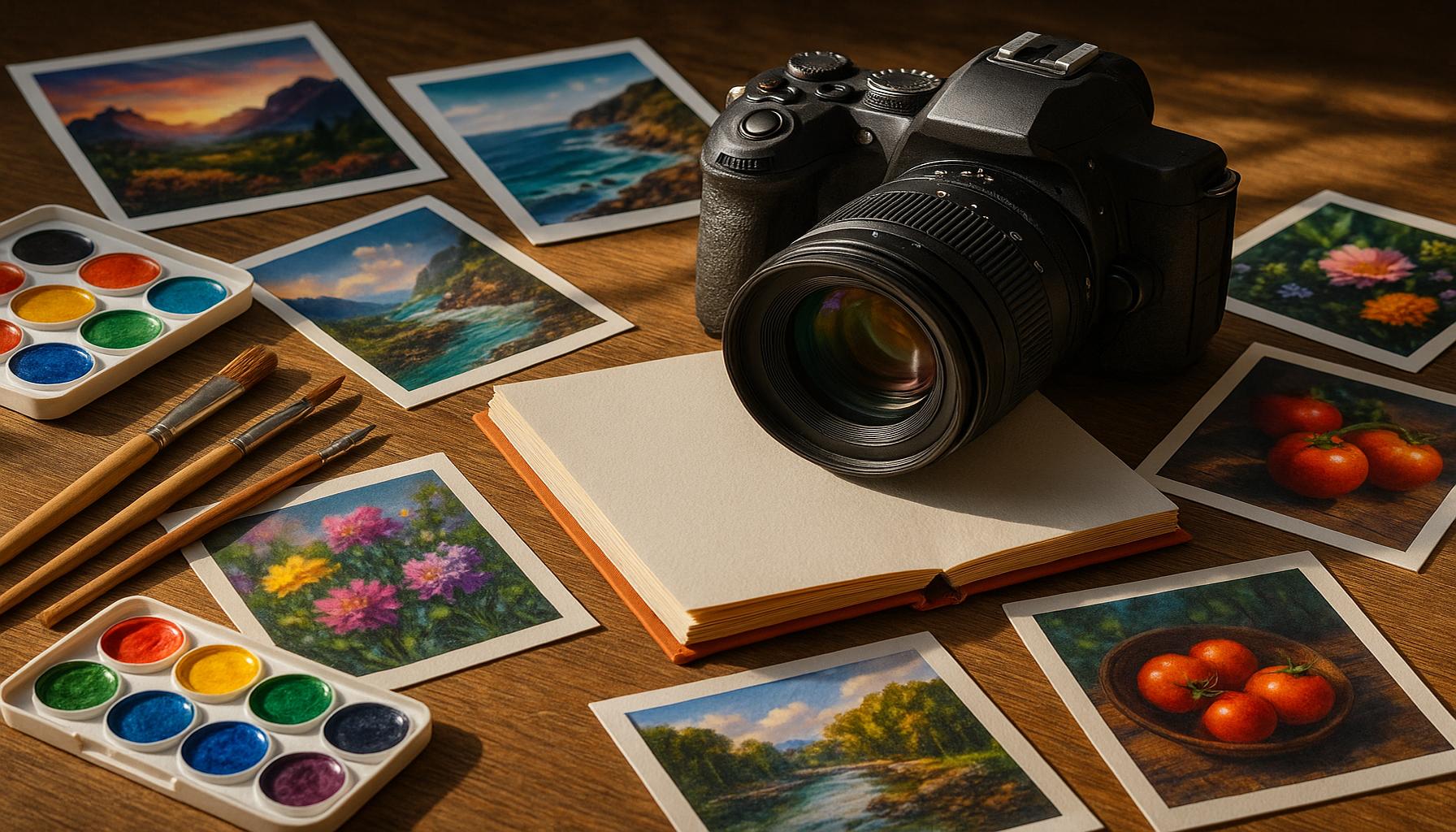
Understanding color psychology is not only theoretical; it finds practical application across various mediums. In digital art, for instance, color tools and software allow creators to experiment with color variations immediately. Designers may utilize tools like Adobe Color to play with shades and tones, facilitating easier exploration of color schemes that evoke specific emotional responses. Craft hobbyists can apply this knowledge by mixing paint or fabric to align with their desired effects. Whether you’re a photographer adjusting lighting or a scrapbooker choosing paper colors, the implication of color insights can elevate any project.
Hobbyists armed with knowledge of color psychology and practical tools are better equipped to create pieces that not only please the eye but also resonate emotionally. Each color choice can profoundly influence viewer engagement, taking ordinary creative hobbies and transforming them into extraordinary visual narratives.
DISCOVER MORE: Click here to learn about the viral impact of social media on handicrafts
Conclusion: The Transformative Power of Color in Creative Hobbies
In conclusion, the influence of color psychology on visual design for creative hobbies is profound and multi-faceted. Artists and designers can harness the psychological impact of color to enhance not only the aesthetic appeal of their work but also to foster deeper emotional connections with their audience. By understanding how different colors evoke specific feelings and associations, creators can craft visual narratives that resonate on a personal level, making their projects more impactful.
Moreover, keeping abreast of current color trends and leveraging tools for color experimentation serves as a catalyst for innovation in creative endeavors. Engaging with social media platforms allows hobbyists to identify popular palettes and timeless themes that are relevant and engaging for viewers. The juxtaposition of colors and their symbolic meanings offer additional layers of depth, inviting audiences to explore and connect with art in new and meaningful ways.
As the art world continues to evolve, embracing the principles of color psychology can position hobbyists not only as creators but also as storytellers. Each choice made in the color palette provides an opportunity to enhance the narrative thread of a piece. Therefore, whether you are painting, designing, or crafting, recognizing the power of color can be transformative, ultimately elevating creative hobbies into extraordinary visual experiences. By delving deeper into the intricate relationship between color and emotion, hobbyists can continue to inspire and engage far beyond the canvas.