Diversity in Performing Arts: Celebrating Cultures and Identities Through Performance
The Rich Landscape of Performing Arts
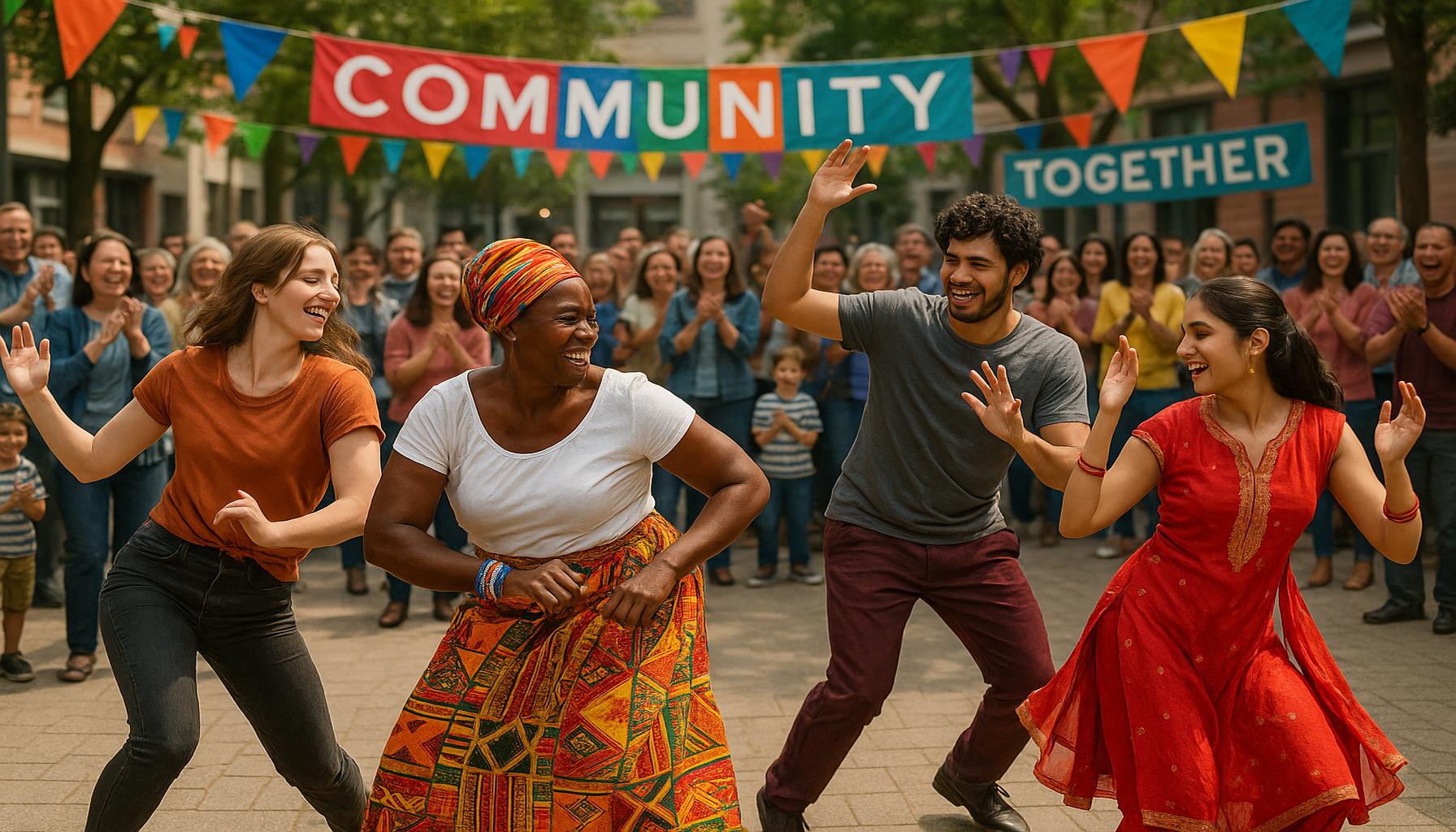
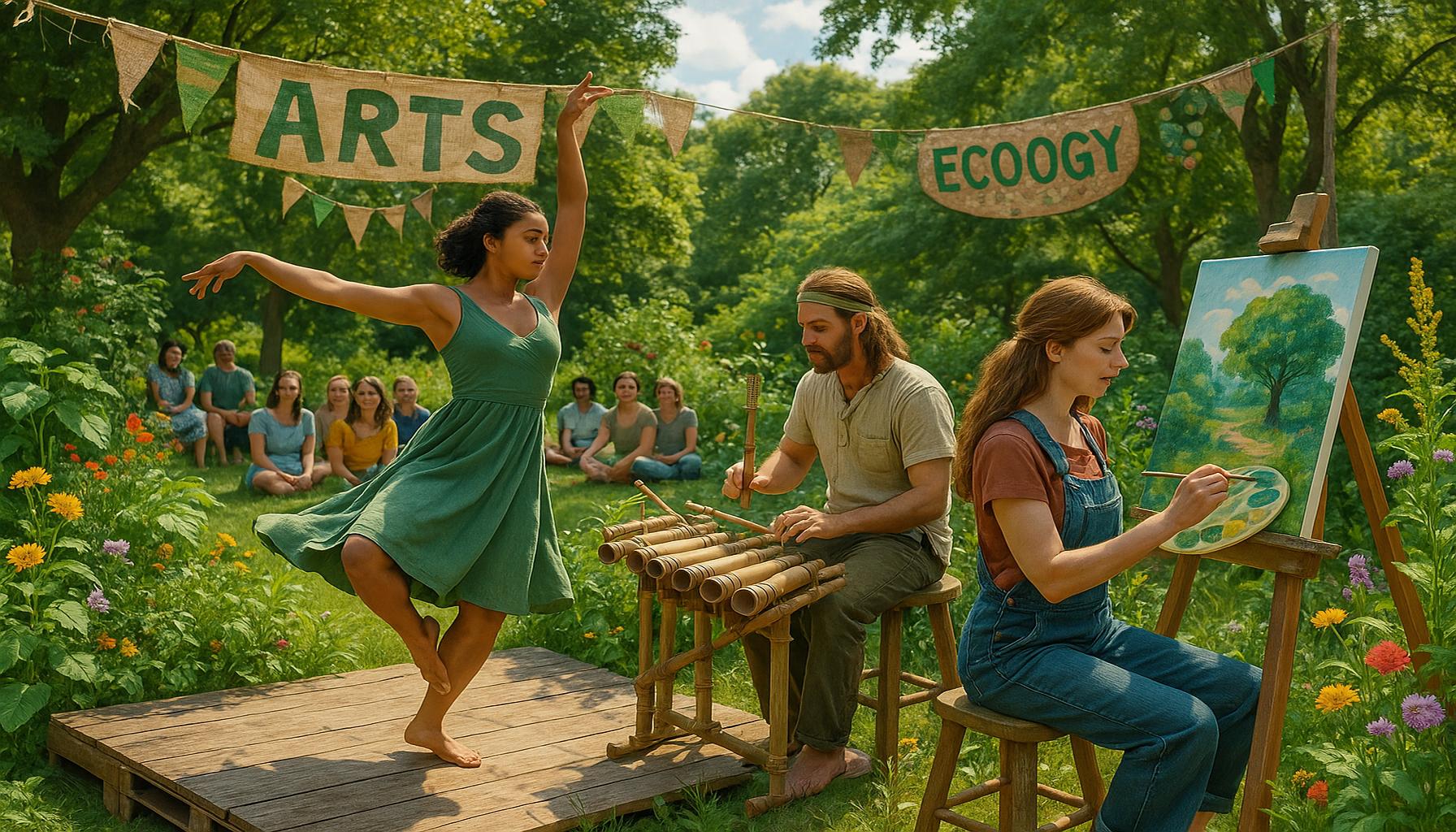
The realm of performing arts serves as an inviting platform where the diversity of human experience is vividly expressed. From exhilarating dance numbers to powerful theatrical performances and soul-stirring music, artists harness their unique backgrounds and identities to tell stories that resonate on profound levels. This exploration of varied artistic expressions nurtures a deeper understanding and appreciation of the numerous cultures coexisting in our society.
Diversity in performing arts enriches the audience’s experience by introducing them to narratives that may reflect their own lives or open a window to vastly different worlds. Here are several key avenues through which this diversity unfolds:
- Musical Fusion: The blending of genres, such as hip-hop with bluegrass or jazz with Latin rhythms, creates new soundscapes that both challenge and delight listeners. Take, for instance, the rise of artists like Lil Nas X, who create genre-blurring hits, bringing together elements of rap, country, and pop. Such collaborations not only showcase musical innovation but also draw attention to the cultural intersections that characterize contemporary music in the United States.
- Theatrical Representation: Modern theater increasingly embraces stories from marginalized voices, spotlighting narratives that have traditionally been overshadowed. Productions like “Hamilton” and “The Color Purple” celebrate the richness of African American history and experience, while plays such as “The Vagina Monologues” have brought attention to women’s rights and issues globally. By showcasing these diverse viewpoints, theater invites audiences to engage in crucial conversations about social justice and equity.
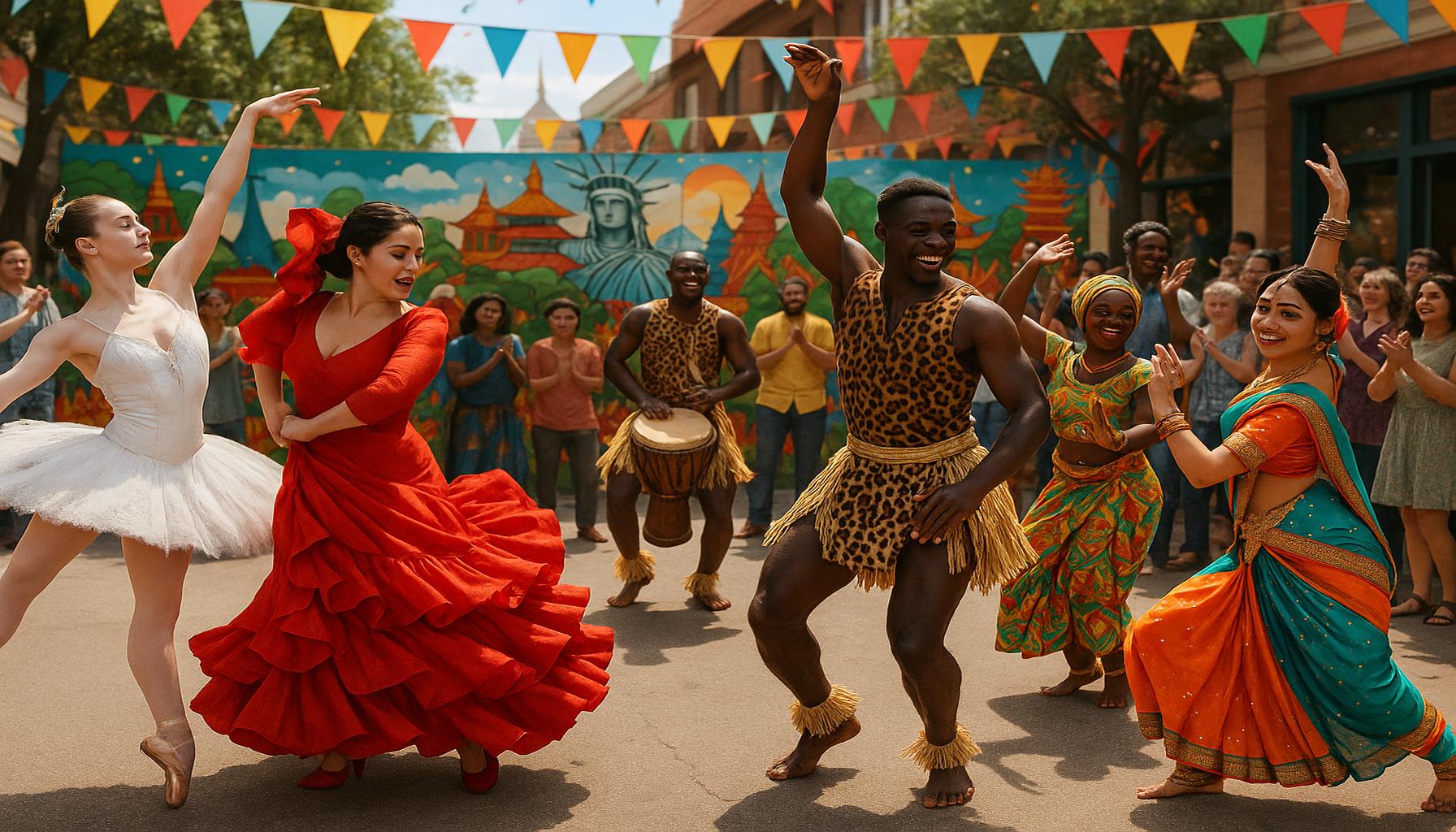
- Dance Forms: The world of dance showcases a splendid array of traditional styles that speak to various cultural heritages. Classical forms such as Bharatanatyam, a South Indian dance known for its intricate footwork and expressive gestures, are often juxtaposed with western dance styles like ballet and hip hop. Festivals like “DanceAfrica” in Brooklyn celebrate this diversity, allowing performers to bring forth rich, cultural narratives through movement and rhythm that resonate with wider audiences.
As we navigate through a rapidly changing world, the performing arts emerge as a vital medium for celebrating differences within our communities. They do more than just entertain; they serve as catalysts for dialogue and understanding, instilling lessons of acceptance and empathy in audiences of all backgrounds. In highlighting the interconnectedness of cultures, these performances compel viewers to explore new dimensions of human experience, encouraging a journey that transcends conventional perceptions. As one enjoys a riveting show or a compelling musical piece, they engage not just with art but with the multilayered stories of humanity itself.
DISCOVER MORE: Click here to delve into the evolution of visual design
Uniting Through Performance: The Impact of Cultural Narratives
The cultural narratives embedded within the performing arts unveil the multifaceted layers of identity, encouraging audiences to journey into realms they may have never considered. Through various forms of artistic expression, performers bridge gaps between disparate communities, celebrating what makes each culture unique while highlighting the universal threads that bind humanity together. In the United States, a melting pot of cultures, this celebration of diversity manifests in myriad ways.
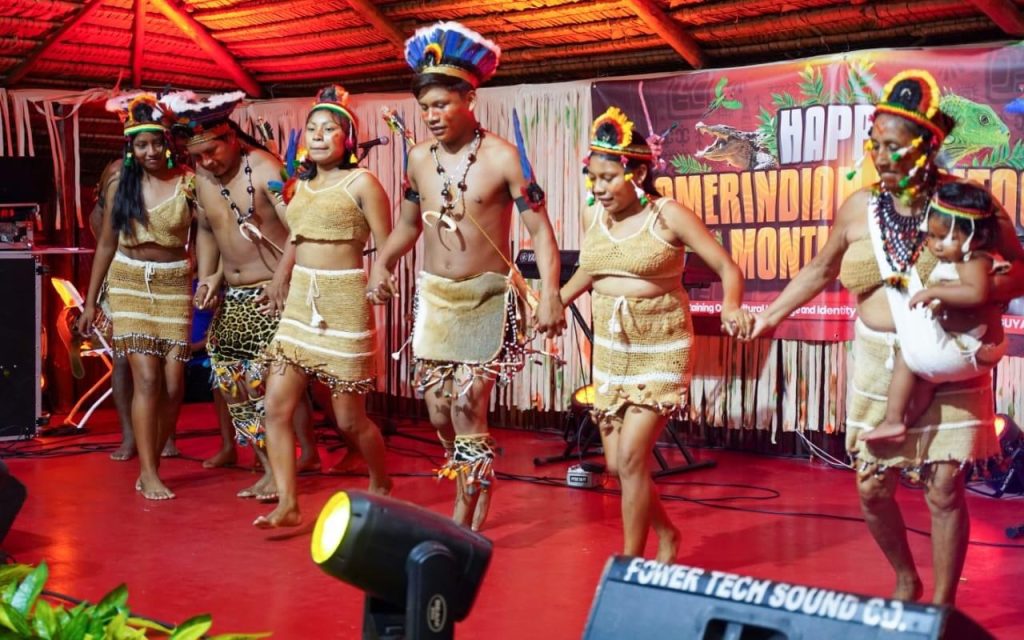
One of the most significant avenues for showcasing this diversity is through storytelling. Different cultures possess rich folklore and historical narratives that, when interpreted through performance, can captivate and educate audiences. For instance, indigenous theater companies such as the American Indian Community House in New York produce plays that shed light on Native American experiences, enabling wider audiences to witness the beauty of their traditions and the challenges they face. These performances not only entertain but act as a medium for preserving cultural heritage, ensuring that the stories and voices of marginalized communities are not lost to time.
Another dynamic aspect of diversity in performing arts is the increasing visibility of cross-cultural collaborations. Organizations like the California Institute of the Arts emphasize global perspectives by bringing together artists from around the world. The result is a vibrant tapestry of work that merges traditional art forms with contemporary practices. This blending not only introduces audiences to innovative approaches to performance but also reflects the realities of a globalized world where cultural exchanges are commonplace.
Moreover, festivals celebrating diverse artistic expressions play a crucial role in fostering inclusivity. Events like the Smithsonian Folklife Festival in Washington, D.C., exemplify how cultural celebrations highlight the importance of heritage through art. Participants from various cultural backgrounds come together to showcase their traditional music, dance, and crafts, thereby creating a rich atmosphere of learning and exploration. Such festivals encourage audience engagement, opening up dialogues about identity and heritage, which can often lead to greater community cohesion.
- Highlighting Emerging Voices: A plethora of new artists emerging from diverse backgrounds is transforming the performing arts scene in America. Voices like Lin-Manuel Miranda, who brought the story of Alexander Hamilton to life with a unique, hip-hop narrative, demonstrate how influential diverse perspectives can shape mainstream art.
- Nurturing Inclusivity: Many local theaters across the nation have made conscious efforts to include performers and playwrights from underrepresented communities, thereby enriching their productions with authenticity. This movement towards inclusivity not only empowers artists but also enhances the richness of storytelling.
- Expanding Audiences: As the performing arts embrace diversity, they naturally attract more diverse audiences, fostering an environment where individuals from various backgrounds can connect through shared experiences. This cross-pollination of ideas nurtures empathy and understanding among viewers and performers alike.
The integration of diverse cultural expressions into the performing arts offers a lens through which audiences can understand not just the art, but the people behind it. Each performance is a step towards broader recognition and appreciation of the complexities within our society, encouraging audiences to embrace differences as a vital component of the shared human experience.
Diversity in performing arts is not only a celebration of various cultures but also a vital contributor to the shaping of identities. This rich tapestry allows for a unique exchange of ideas, traditions, and practices among different communities. The growing interest in performances that reflect diverse backgrounds fosters greater empathy and understanding among audiences. Artists from varying ethnic backgrounds share their stories and experiences through their art, thereby enriching the cultural landscape.A significant aspect emphasized in this vibrant field is the importance of representation. When performers bring their authentic voices to the forefront, it opens doors to more inclusive narratives. This inclusion promotes a broader perspective within the arts, allowing audience members to see themselves reflected in the performances. Additionally, diverse narratives challenge stereotypes, leading to more profound discussions about identity and culture.Moreover, collaboration is essential in promoting diversity in performing arts. Cross-cultural collaborations often give rise to innovative works that blend styles, movements, and themes from different traditions, creating fresh experiences for audiences. By participating in such projects, artists not only learn from one another but also push the boundaries of conventional performing arts, thereby fostering a creative environment ripe with possibilities.As we explore the significance of “Diversity in Performing Arts: Celebrating Cultures and Identities Through Performance,” it is crucial to recognize the role of educational institutions and communities in nurturing young talents from diverse backgrounds. Providing platforms for these budding artists to showcase their abilities encourages a new generation that values and upholds cultural diversity within the performing arts. The continued promotion of diversity not only supports artistic growth but paves the way for a society that thrives on understanding and acceptance. The following table outlines specific advantages of embracing diversity in the performing arts, highlighting the pivotal role it plays in celebrating cultures and identities through performance.
| Category 1 | Category 2 |
|---|---|
| Inclusive Storytelling | Diverse perspectives present narratives that resonate with various audiences. |
| Cultural Exchange | Artists collaborate across cultures, enriching the performance arts landscape. |
| Empathy and Understanding | Encourage audiences to engage with unfamiliar cultures, fostering acceptance. |
As we delve deeper into this captivating topic, the potential for further exploration of cultural identities and the impact of diverse narratives in arts continues to expand.
DIVE DEEPER: Click here to discover the transformation of literature
Rediscovering Identity: The Role of Diversity in Artistic Expression
The inherent power of performance art lies in its ability to challenge societal norms and provoke thought around identity, race, and culture. In contemporary America, cultural productions are increasingly serving as platforms for exploring and questioning narratives that have long gone unchallenged. By reimagining classic works and infusing them with diverse perspectives, artists are not only redefining what it means to be American but also fostering a deeper understanding of our collective identity.
Broadway, often viewed as synonymous with American theater, has witnessed a significant transformation in its storytelling approaches. Productions like “The Lion King” and “Ain’t Too Proud” showcase powerful character arcs rooted in African cultures and experiences, enabling audiences to engage with different cultural realities. Not only do these narratives entertain, but they also provide critical commentary on the complexities of race and identity in America today. Such works challenge the idea of a monolithic narrative associated with Broadway, highlighting the importance of varied storytelling.
Moreover, technology’s impact on the performing arts cannot be overlooked. Digital platforms have emerged as vital tools in amplifying diverse voices, making performances accessible to a much larger audience. Streaming services like Netflix and Hulu have birthed a plethora of productions, such as “Ramy” and “The Half of It”, which delve into the intricate lives of underrepresented communities. By portraying authentic, multilayered characters and stories, these productions foster visibility and resonate with individuals from various backgrounds, thereby enriching cultural dialogue.
- Embracing Multilingualism: Performing arts that utilize multiple languages not only celebrate cultural heritage but also provide a sense of belonging for non-English speakers. The incorporation of languages such as Spanish, Mandarin, or Yoruba within performances is a powerful testament to the diversity of the American populace, celebrating the rich, bilingual tapestry that exists.
- Subverting Stereotypes: Innovative artists are using performance to dismantle stereotypes that have long plagued marginalized groups. For example, productions like “Crazy Rich Asians” and “In the Heights” portray Asian and Latino narratives in rich and complex ways that transcend typical portrayals, allowing audiences to confront biases and broaden their perspectives.
- Promotion of Intersectionality: Increasingly, there is a recognition of the interconnectedness of race, gender, sexuality, and class within the performing arts. This intersectional approach fosters a richer narrative that incorporates multiple identities, providing a more holistic view of the human experience.
As the performing arts evolve, they continue to serve as a mirror reflecting society’s changes while championing stories often relegated to the sidelines. This evolution indicates a growing acknowledgment of diversity as not merely a checkbox but as an essential element that enhances artistic innovation and communication. By embracing and celebrating a wider array of cultural expressions within performance, artists are paving the way for deeper understanding and unity in an increasingly diverse America.
DISCOVER MORE: Click here to learn about the impact of folk music
Conclusion: The Transformative Power of Diversity in the Performing Arts
The performing arts have emerged as a potent medium for expressing the rich tapestry of cultures and identities that shape our world. As we have explored, the increasing representation of diversity in storytelling is crucial not only for inclusion but also for fostering understanding and empathy among audiences. This evolution in artistic expression has made a profound impact on how narratives are crafted, challenging the status quo and inviting audiences to consider various perspectives.
Productions across theaters and streaming platforms are no longer mere entertainment; they are vital conversations that tackle complex issues surrounding race, gender, and intersectionality. As we witness the creative subversion of stereotypes and an embrace of multilingualism, artists are revitalizing traditional narratives and offering a fresher, more inclusive lens through which to engage with the world. These dynamic portrayals encourage us to reflect on our own identities while connecting us with others, ultimately nourishing a richer cultural dialogue.
In this landscape of evolving performing arts, it is imperative for audiences, creators, and institutions alike to continue advocating for diversity as a cornerstone of innovation rather than an afterthought. By supporting diverse narratives and prioritizing representation, we can help pave the way for a future where every story is recognized and celebrated. The arts hold the potential to not only entertain but also to enlighten and unite us, creating a vibrant, harmonious society rooted in mutual respect and understanding. Therefore, the celebration of diversity in the performing arts is not simply a trend; it is essential for a thriving cultural future.