The Future of Performing Arts: Emerging Trends and New Forms of Audience Engagement
The Dynamic Evolution of Performing Arts
The landscape of performing arts is undergoing a vibrant shift, influenced by rapid technological growth and changing audience dynamics. Artists, producers, and venues are embracing innovative strategies to engage audiences in new ways, ensuring that performances remain relevant and captivating for an increasingly diverse audience.
As we explore the emerging terrain of this transformation, several key trends stand out:
- Hybrid Experiences: The integration of live performances with digital platforms is breaking barriers previously imposed by geography. For instance, major productions such as Broadway shows now offer streamed performances, allowing viewers from various parts of the globe to experience a front-row seat in the comfort of their homes. This shift not only expands the audience base but also offers an affordable alternative for those unable to attend in person.
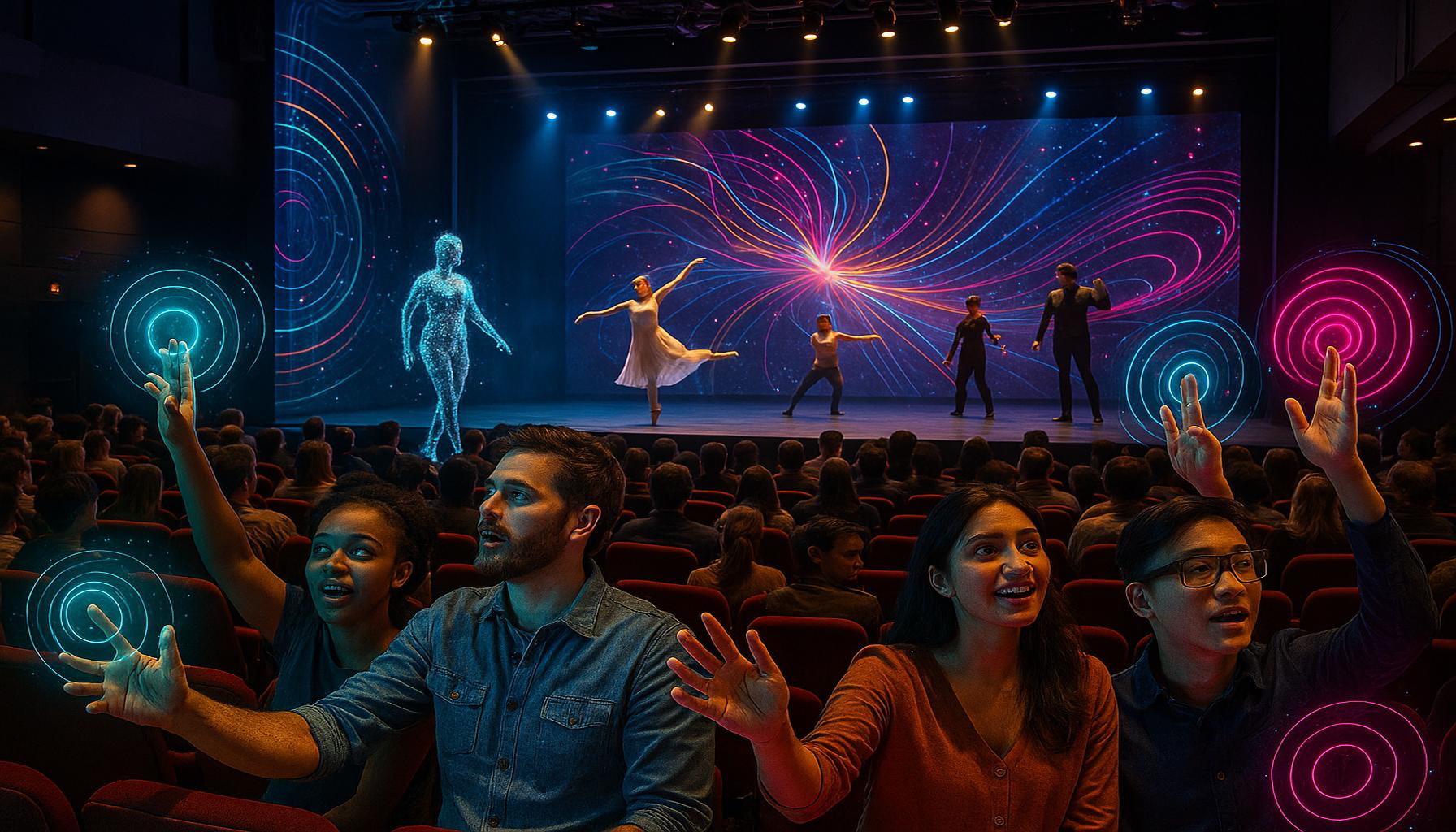
- Interactive Art: Artists are actively inviting audience participation to shape narratives, blurring the lines between performer and spectator. Examples include immersive theater experiences like “Sleep No More,” where attendees walk through a set freely and choose which scenes to witness, thus personalizing their performance. This interactivity fosters a deeper emotional connection, as viewers are not just passive observers but active contributors.
- Sustainability Focus: With growing awareness around climate change, many performing arts organizations are adopting eco-friendly practices. For example, initiatives like the Green Theatre Initiative actively encourage theaters to incorporate sustainable materials in set design and reduce waste. This priority not only resonates with environmentally conscious audiences but also embeds a sense of social responsibility within the arts sector.
The convergence of these trends stimulates a vital discussion regarding the future of artistic engagement. Artists leverage cutting-edge technology, using tools ranging from virtual reality (VR) to social media platforms to forge impactful connections with their audiences. For instance, VR allows audiences to step into a performance, exploring digital environments that enhance traditional storytelling methods.
This evolving landscape raises essential questions regarding the implications for cultural diversity and accessibility in the arts. Will these new engagement forms democratize access to high-quality performances or inadvertently widen the gap between those who can afford technology and those who cannot? As we navigate this exciting era, understanding these dynamics will be crucial.
Embark on this journey as we delve deeper into the future of performing arts, examining groundbreaking innovations and their effects on community interaction and artistic expression. With the stage set for a thrilling future, it is an exhilarating time to be involved in the world of performing arts.
DISCOVER MORE: Click here to learn how music connects us
Innovative Engagement through Technology
As the performing arts advance into uncharted territory, the infusion of technology is undeniably one of the most significant catalysts for transformation. Artists and producers are not only incorporating digital tools to enhance their storytelling but are also implementing these platforms to foster direct connections with audiences, marking a distinct evolution in audience engagement.
One of the standout innovations is the rise of augmented reality (AR) and virtual reality (VR)</strong) technologies, which offer new dimensions to the performance experience. For example, productions in the United States are beginning to experiment with AR elements that overlay digital images onto live performances, creating a multi-sensory experience. This technology allows the audience to see visual effects that interact with live actors, making narratives richer and more immersive. A notable example is the acclaimed use of AR in the theatrical adaptation of news stories, where audiences can interact with news events as they unfold on stage, fostering a powerful emotional response.
Also gaining traction are social media platforms, which have become vital tools for communication and audience engagement. Artists are leveraging platforms like TikTok and Instagram not only for promotional purposes but also to create behind-the-scenes content and allow audiences to engage in real-time discussions. By inviting their followers to witness the creative process, performers break down barriers, creating a sense of community and accessibility. This trend offers insights into how contemporary audiences wish to interact with artistry, fostering loyalty and repeat engagement.
Another significant trend is the move towards personalization in audience experiences. Data analytics play a critical role in understanding audience preferences, enabling producers to tailor performances to cater to specific demographics. For instance, some theaters in the U.S. utilize email marketing to send personalized show recommendations based on previous tickets purchased or content engaged with on digital platforms. This customization fosters a connection with audience members, making them feel recognized and valued, and encouraging their continued participation in the performing arts.
Here are some emerging trends that illustrate these shifts in audience engagement:
- Online Interactive Workshops: Various theater companies and institutions are now offering virtual workshops, where audience members can learn skills and techniques directly from industry professionals. These not only engage participants but also empower them with knowledge and experience.
- Digital Festivals: The accessibility of online platforms has birthed numerous digital arts festivals, allowing international artists to showcase their work and engage with audiences worldwide. This broadens the reach of performances far beyond traditional venues.
- Crowdsourced Content: Performers are increasingly turning to their audiences for content creation, allowing them to participate in scriptwriting, song choices, and even choreography. This co-creation process enriches the overall experience and brings forth innovative performances.
As we can see, the future of performing arts is being shaped by a blend of engaging technologies and evolving audience relationships. This intricate interplay not only enhances the artistic experience but also raises questions regarding equity, accessibility, and the essence of art itself. The dialogue surrounding these developments is essential for navigating the transformational journey ahead, ensuring that the performing arts continue to thrive in a rapidly changing world.
As we delve further into the realm of performing arts, it’s essential to recognize the pivotal role that technology plays in reshaping audience engagement. Virtually every aspect of performances is being augmented by innovations, creating dynamic interactions that were unimaginable a decade ago. From virtual reality headsets offering immersive storylines to interactive apps that allow audiences to choose narrative paths, the integration of technology is revolutionizing how audiences experience and connect with art.
Moreover, the rise of social media platforms has provided artists and companies with unprecedented tools to promote their work and foster conversations directly with their audience. Livestream events, which gained popularity during the pandemic, continue to enhance accessibility—allowing audiences worldwide to experience live performances from the comfort of their homes. This not only broadens the audience base but also cultivates a global community around shared artistic experiences.
Additionally, the emphasis on diversity and inclusivity within performing arts ensures that a variety of voices and backgrounds are represented, contributing to richer narratives and experiences. From marginalized communities finding their platforms to the integration of multicultural themes, the forward-thinking approach gives rise to a broader spectrum of storytelling that resonates with diverse audiences.
These trends invite us to consider the future of performing arts not just as a series of events, but instead as a holistic experience shaped by audience interaction, cultural diversity, and technological advancements. Investigating these emerging trends reveals exciting new dimensions within the arts that not only engage but also empower audiences to become a part of the artistic journey.
| Technology Integration | Enhancing Experiences |
|---|---|
| Virtual Reality & Augmented Reality | Provide immersive experiences that transport audiences into the performance. |
| Interactive Applications | Engage audiences through choice-based storytelling and feedback options during performances. |
| Social Media Engagement | Fosters real-time discussions and promotions, expanding reach and participation. |
| Livestreaming Events | Increases accessibility and allows international audiences to interact with local performances. |
DISCOVER MORE: Click here to learn about musical genres
Reimagining Live Experiences
Alongside the rapid evolution in technology, the future of performing arts also hinges on a remarkable reimagining of live experiences. As audiences begin to crave more than traditional performances, creators are responding by curating multifaceted events that blur the lines between performance and audience participation.
One innovative concept gaining momentum is the immersive theater movement. Unlike conventional theater where the audience remains seated and passive, immersive theater encourages audience interaction, often inviting them to wander through various environments where different scenes may unfold. For instance, productions like “Sleep No More” have transformed standard theater dynamics by allowing the audience to traverse a hotel setting, choosing which characters to follow and which plotlines to engage with. This participatory approach not only enhances engagement but allows for a unique experience with every performance as each viewer shapes their own narrative.
The trend towards site-specific performances further amplifies this reimagining of live experiences. Artists are increasingly venturing outside traditional venues, taking their performances to unconventional spaces where the surroundings contribute to the narrative. Examples can be seen in recent performances conducted in parks, museums, or even urban streets. By integrating the local environment, performers create a more authentic and relatable experience, effectively capturing the spirit of the community and making the arts more accessible and relevant to diverse audiences.
Moreover, the advent of hybrid events melds traditional live performances with digital components, catering to both in-person and online audiences. A noteworthy instance is the implementation of live-streaming options for theatrical shows, which gained popularity during the pandemic. This hybrid model not only expands the audience base but also offers those who may not have the physical ability or resources to attend a live performance the chance to participate. Organizations like the National Theatre in London have led this charge, broadcasting performances globally, demonstrating a commitment to inclusivity in the arts.
Another trend that is reshaping audience experiences is the incorporation of interactive elements within performances. This includes audience polls that influence the outcome of a show or live Q&A sessions with performers post-show, creating a two-way dialogue. Such initiatives invite viewers to engage beyond merely viewing art; they empower them to become part of the artistic process, fostering a deeper connection to the work and its creators. This trend is especially prevalent in musical theater, where audiences are encouraged to vote on song choices or suggest story directions, making each performance unique.
The decline of physical barriers to engaging with the arts is also evident in outreach efforts aimed at underrepresented communities. Organizations are actively working to ensure that diverse voices are not only included in the programming but also in the decision-making processes. Initiatives that provide free performances to marginalized communities, or programs that collaborate with local schools, exemplify how accessibility is approached holistically, underpinning the desire for a more equitable arts landscape.
As these emerging trends continue to reshape the performing arts, it’s clear that the call for a more inclusive and engaging environment resonates strongly with both creators and audiences alike. The arts are no longer confined to a stage but are becoming an expansive, interactive journey that invites everyone to participate, thus redefining what it means to truly experience performance in the modern age.
DIVE DEEPER: Click here to uncover the connection
Conclusion: Charting New Territory in the Performing Arts
As we venture into the future of performing arts, the landscape is undeniably transforming. The integration of technology, immersive experiences, and audience participation is redefining the way art is created and consumed. The surge of immersive theater and site-specific performances exemplifies a creative pivot that allows audiences to escape the traditional confines of the theater, compelling them to engage on a deeply personal level. These formats not only facilitate variable narratives but also enhance the communal spirit of performance, proving that art can thrive in diverse contexts.
The rise of hybrid events further bridges gaps, catering to audiences worldwide and ensuring that anyone, regardless of circumstance, can partake in these cultural dialogues. This democratization fosters inclusivity, which is echoed in outreach efforts directed toward underrepresented communities. By actively involving these voices in every stage of production—from planning to performance—organizations can truly reflect the fabric of society, making the arts a tool for empowerment and social change.
In essence, the future of performing arts lies in its ability to evolve and adapt. As new trends emerge, they compel artists and audiences alike to reconsider their roles within the creative ecosystem. The ongoing blurring of boundaries promises an exhilarating future—a renaissance of engagement where theater, dance, and performance arts are no longer mere spectacles but vibrant conversations. Those curious about where these trends are headed should remain attuned; the journey has only just begun, inviting exploration into new forms of storytelling and artistic connection that tomorrow’s creators will unveil.