The Connection between Performance and Activism: How the Performing Arts Are Inspiring Social Change
The Transformative Role of Performing Arts in Social Change
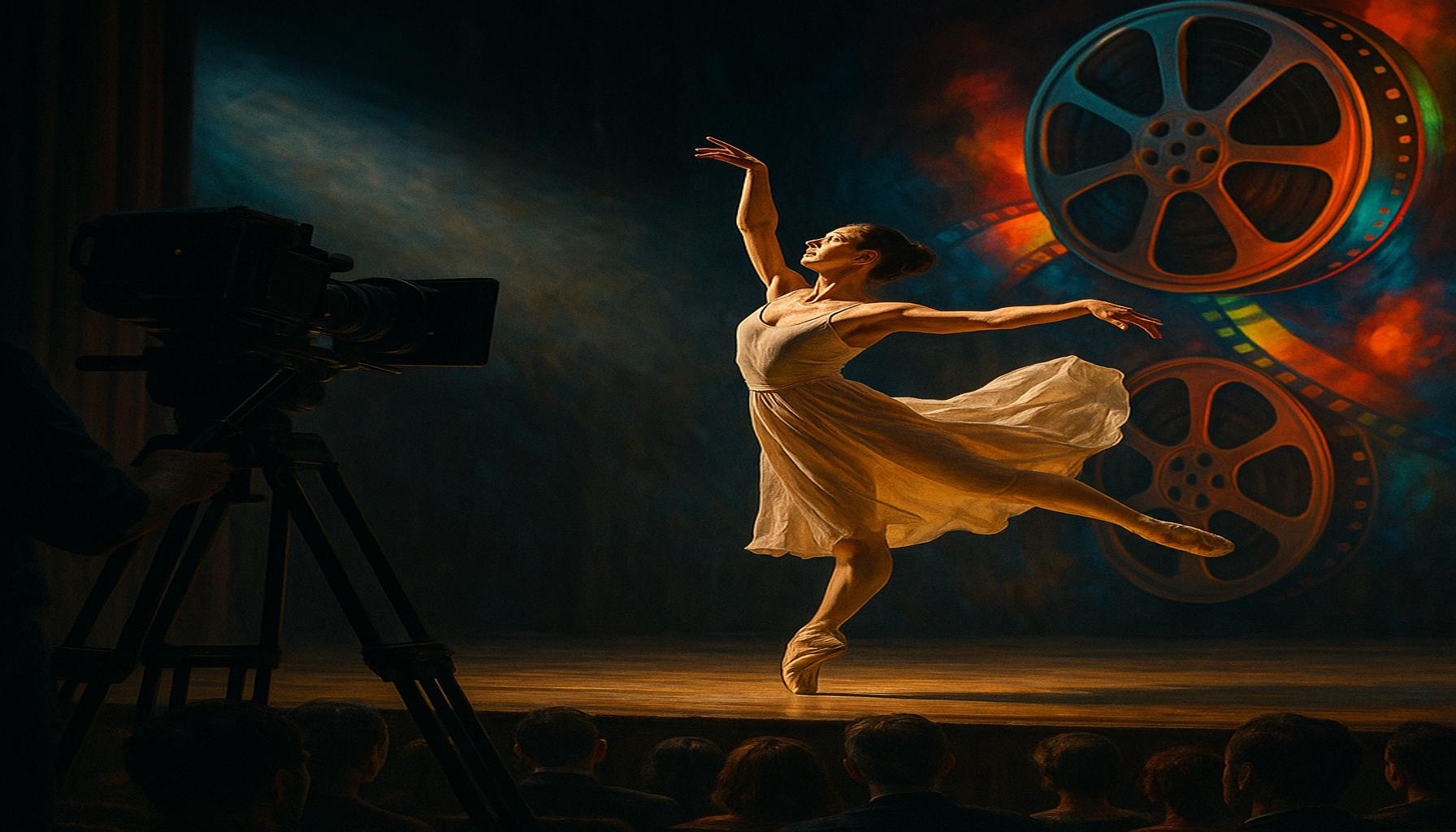
In today’s rapidly evolving society, the performing arts are not simply about entertainment; they are a formidable force for social transformation. Through various forms including theater, dance, and music, performance arts have the capacity to captivate audiences, raising awareness and challenging the status quo. This platform enables artists to engage in activism, provoking critical dialogue around pressing societal issues while fostering solidarity among diverse communities.
One significant example is Lin-Manuel Miranda’s “Hamilton.” This groundbreaking musical reinterprets the narrative of American history by centering on the experiences of immigrant figures in the founding of the United States. It reflects themes of equality and revolution, prompting audiences to think critically about the nation’s founding ideals in relation to modern struggles for civil rights. By using a diverse cast and innovative music styles, Miranda not only brings history to life but also emphasizes the importance of inclusivity in storytelling.
Meanwhile, numerous ballet companies have begun to challenge traditional narratives around body image and gender representation. Productions that embrace dancers of varying body types and backgrounds promote the message of body positivity and defy the stereotype of what a ballet dancer should look like. For example, the American Ballet Theatre has featured productions that highlight inclusiveness, encouraging ample representation on stage and providing visibility to artists often overlooked in classical ballet.
Furthermore, street theater offers a raw and immediate form of activism. In cities across the United States, artists often take to public spaces to perform plays and skits that address local injustices—from systemic racism to environmental issues. These performances can attract diverse audiences who may not typically attend traditional theater, creating a unique dialogue directly within community settings. This form of art allows for immediate engagement and participation among onlookers, making the message resonate on a personal level.
These examples illustrate that the performing arts function not only as a mirror reflecting societal issues but also as a flashlight illuminating paths toward a more equitable future. Artists employ their craft to provoke thought, inspire action, and encourage civic engagement. The intersection of performance and activism is a compelling dynamic that has the power to mobilize movements, unite individuals, and ignite change on both local and global scales.

This article will further explore how the performing arts are intricately woven into the fabric of activism. By delving into various artistic expressions, we aim to reveal the multifaceted mechanisms through which performance fuels societal change. Prepare to uncover a narrative rich with innovation, inspiration, and unyielding hope.
DISCOVER MORE: Click here to learn about the impact of craftsmanship
Art as Advocacy: The Social Impact of Performance
Throughout history, the performing arts have served as a powerful vehicle for change, leveraging the emotional and visceral nature of live performance to engage audiences on critical issues. Beyond mere entertainment, these artistic expressions have transformed stages into platforms for advocacy, shining a light on social injustices and inspiring audiences to rethink their roles in society. Notably, various art forms, from musical theater to contemporary dance and spoken word poetry, have played significant roles in shaping public consciousness and mobilizing support for social causes.
One notable aspect of this connection is the powerful role of musical theater. Productions like “Rent” and “Dear Evan Hansen” address topics such as mental health, LGBTQ+ rights, and the struggles of marginalized communities. These shows resonate deeply with audiences, appealing to both emotions and intellect. A particularly poignant example can be drawn from “Rent,” which captures the struggles of young artists living on the fringes of society amidst the HIV/AIDS epidemic. By weaving social issues into gripping narratives and memorable scores, these musicals inspire viewers to reflect on their own values and the world around them.
Similarly, spoken word art has emerged as a dynamic form of activism within the performing arts. Artists such as Sarah Kay and Rudy Francisco have utilized this platform to address issues of identity, systemic inequality, and resilience. The immediacy of spoken word allows for an intimate connection between the artist and the audience, compelling listeners to engage deeply with the subject matter. This form of expression invites personal reflection, empowering individuals to share their own stories and advocate for change in their communities.
- The power of storytelling: Performing arts tackle societal issues via relatable narratives.
- Engagement through emotion: Art evokes feelings that provoke thought and action.
- Diversity in voices: Theatre and spoken word include a range of perspectives, empowering underrepresented communities.
- Physical presence: Live performances create a unique, shared experience that amplifies the artist’s message.
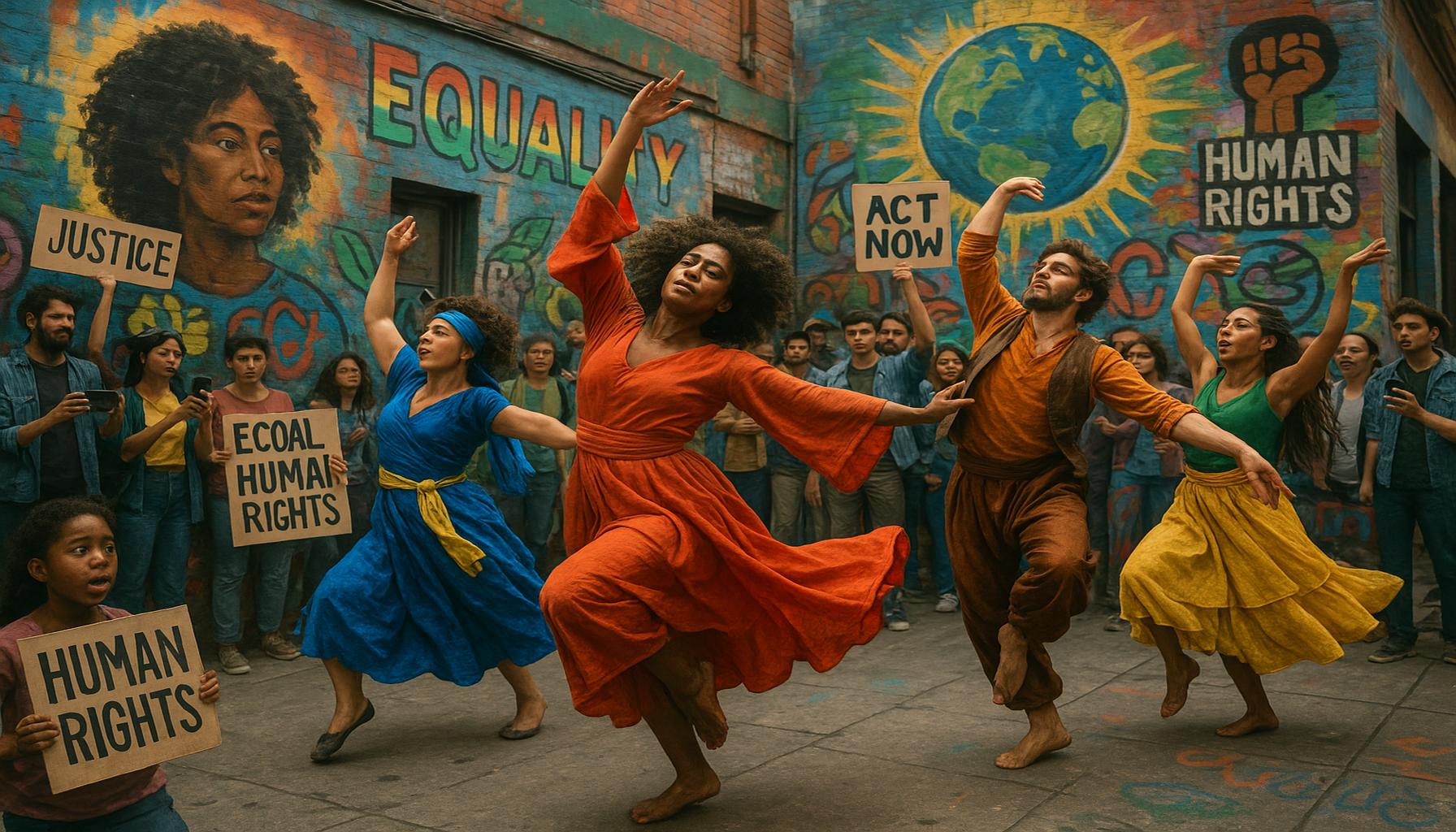
Consider the impact of dance as a form of protest. Choreographers and performers have used movement to convey resistance and resilience. From the exhilarating energy of the New York City-based group “Dance for a Chance,” which supports the fight for social justice, to the poignant performances symbolizing grief and outrage in the wake of police violence, dance offers a universal language that transcends barriers. The body becomes a canvas for protest, communicating themes of empowerment and defiance when words alone may not suffice.
In essence, the connection between performance and activism lies in their shared ability to challenge, inspire, and unite different communities. The performing arts not only reflect the concerns of society but actively shape movements for change. This is a call to action, urging audiences to engage with the art presented before them and to recognize their potential to contribute to social evolution. By exploring these avenues, we can witness the profound ways in which performing arts catalyze change and inspire a collective sense of responsibility toward a better world.
The Impact of Performing Arts on Activism
The connection between performance and activism has deep historic roots, seen throughout various cultures and time periods. The performing arts function as a powerful tool for social change by addressing issues that resonate within communities. Through theatrical productions, music, dance, and spoken word, artists illuminate pressing social concerns, challenging audiences to reflect on their beliefs and engage in meaningful dialogue.
Transformational Stories Through Performance
Artists are adept at telling stories that evoke empathy and motivate action. For instance, through poignant portrayals of marginalized communities, theatre companies have brought attention to issues such as racial injustice, gender equality, and environmental challenges. Productions like Rent and The Vagina Monologues have not only entertained but have also sparked movements, rallying audiences into activism.
Mobilizing Collective Action
The performing arts also serve to mobilize collective action. Events such as benefit concerts and artivism festivals exemplify how artists can galvanize support for various causes. For instance, benefit performances have raised funds for disaster relief, while art exhibits focusing on social issues encourage audiences to participate in activism beyond the theatre. These events demonstrate the magnetic pull of captivating performances that unite people under shared causes, highlighting the effectiveness of the arts in advocacy.
Emerging Trends in Artistic Activism
In today’s digital age, the landscape of performance activism is evolving. With platforms like social media, artists can reach wider audiences, turning local issues into global conversations. Online theater performances and virtual art installations during the pandemic have illustrated the effectiveness of combining creativity with technology to engage audiences worldwide.
This evolving nature of performing arts as activism continues to inspire future generations of artists and activists. As the connection deepens, the performing arts will undoubtedly remain a space for dialogue, empowerment, and transformative social change.
| Advantage | Description |
|---|---|
| Amplification of Voices | The arts provide a platform for underrepresented communities, highlighting their struggles and fostering understanding. |
| Encouragement of Dialogue | Performance art often sparks conversations about crucial social issues, promoting engagement and action among diverse audiences. |
DIVE DEEPER: Click here to learn more
The Role of Community in Performing Arts Activism
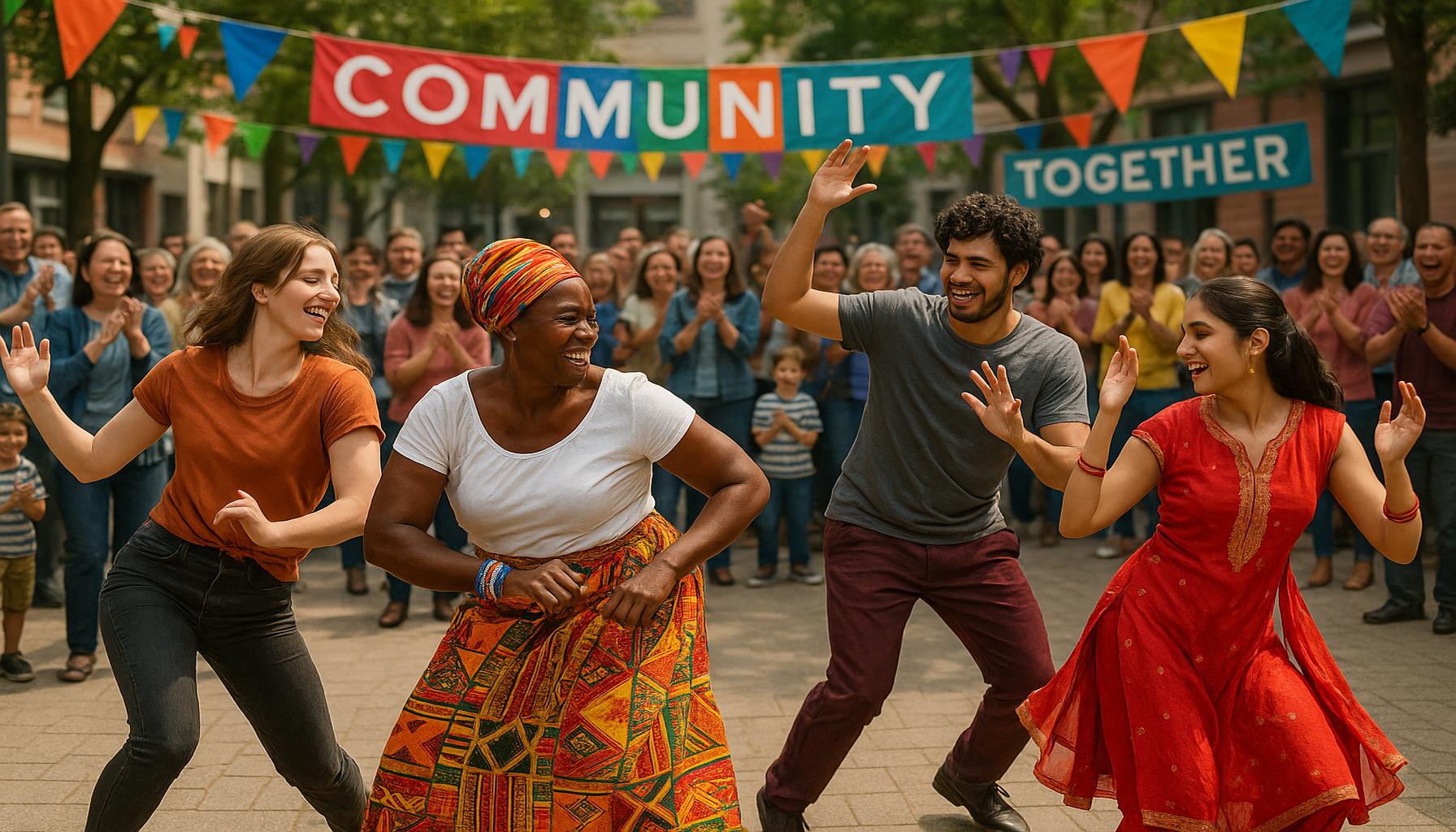
Beyond individual artists and inspirational narratives, community engagement plays a vital role in the intersection of performance and activism. Grassroots movements have increasingly harnessed the collective power of local talent to create platforms for change, fostering a sense of ownership and empowerment within communities. Community theater, for instance, often emphasizes local issues, drawing on the diverse experiences of its participants to build narratives that resonate on a personal level.
Programs like the Cornerstone Theater Company in Los Angeles exemplify this approach by collaborating with community members to create original works that highlight social issues prevalent in their neighborhoods. These performances not only entertain but also stimulate important conversations about systemic issues such as poverty, immigration, and racial justice. By involving community members directly in the creation process, these productions foster a deeper connection between the audience and the art, reaffirming the idea that change begins at the local level.
Moreover, initiatives like “Theater of the Oppressed” utilize innovative techniques to allow audiences to engage with and challenge societal norms in real time. Founded by Brazilian theater director Augusto Boal, this approach enables spectators to become “spect-actors,” encouraging them to step onto the stage together and explore alternative solutions to societal problems. By translating complex social dynamics into relatable performances, these productions inspire critical dialogue and motivate individuals to advocate for change in their own lives.
Digital Activism: Extending Reach through Technology
In our digital age, the link between performance and activism expands even further through technology. Social media platforms allow artists to share their messages far beyond traditional theaters and performance spaces. For instance, acclaimed artists like Lin-Manuel Miranda leverage platforms such as Twitter and Instagram to raise awareness about social issues, using their significant online followings to mobilize support for movements like #BlackLivesMatter and LGBTQ+ rights.
The rise of online performances also provides artists with a unique opportunity to connect with global audiences. Virtual theater companies, such as National Theater Live, have utilized streaming to share performances worldwide, democratizing access to art while promoting social change. This accessibility enables important stories to reach wider demographics, stimulating discussions across cultural boundaries and inspiring international solidarity in the fight for social justice.
The Impact of Festivals and Events
Cultural festivals further symbolize the convergence of performance and activism, serving as platforms for various voices and diverse perspectives. Events like the WOMAD Festival showcase artists who advocate for change through their work, focusing on global issues ranging from climate change to human rights. These spaces are crucial in fostering understanding among different cultures and highlighting the interconnectedness of social struggles worldwide.
- Empowerment through participation: Community-driven performances cultivate advocacy within local populations.
- Innovative engagement: Techniques like Theater of the Oppressed turn audiences into active participants.
- Global reach: Digital platforms amplify messages, connecting powerless voices to larger conversations.
- Cultural exchange: Festivals expand awareness and foster empathy through diverse artistic expressions.
As the performing arts continue to evolve, they remain a fundamental aspect of social activism, offering tools for community participation and amplifying voices that demand justice and change. Through collaboration, innovation, and inclusivity, artists wield their craft to reflect societal realities and inspire transformative action. The journey toward social change is an ongoing performance, and the stage is set for everyone to be an actor in their own narrative.
DISCOVER MORE: Click here to learn about how music unites us
Conclusion: The Transformative Power of the Performing Arts
The profound connection between performance and activism highlights the vital role of the performing arts in driving social change. As we have explored, artists harness their talents not only to entertain but to foster critical dialogues that spotlight injustices and inspire audiences to take action. From local community theaters that create narratives reflecting pressing societal issues to innovative movements like the Theater of the Oppressed, the performing arts continually challenge and reshape public consciousness.
Furthermore, the impact of digital activism amplifies messages and democratizes artistic expression, allowing creators to reach diverse audiences globally. Social media and live-streaming platforms give a voice to those often marginalized, proving that art can transcend geographical boundaries and ignite worldwide solidarity in the quest for justice. Festivals and cultural events further serve as melting pots of ideas, showcasing the importance of cultural exchange in fostering empathy and understanding among varied perspectives.
As we reflect on these insights, it’s evident that the performing arts are not merely a form of entertainment but a powerful catalyst for social transformation. Encouraging both participation and introspection, they empower individuals to challenge the status quo in their own narratives. In this ongoing performance for change, every artist, audience member, and advocate has the potential to carve an impactful path towards a more equitable society. Thus, as we engage with the arts, we are invited to not only witness the performance but to actively contribute to the larger narrative of social change.