Craft Techniques from Various Cultures: Learning from Global Traditions
Understanding the Rich Tapestry of Global Craft Techniques
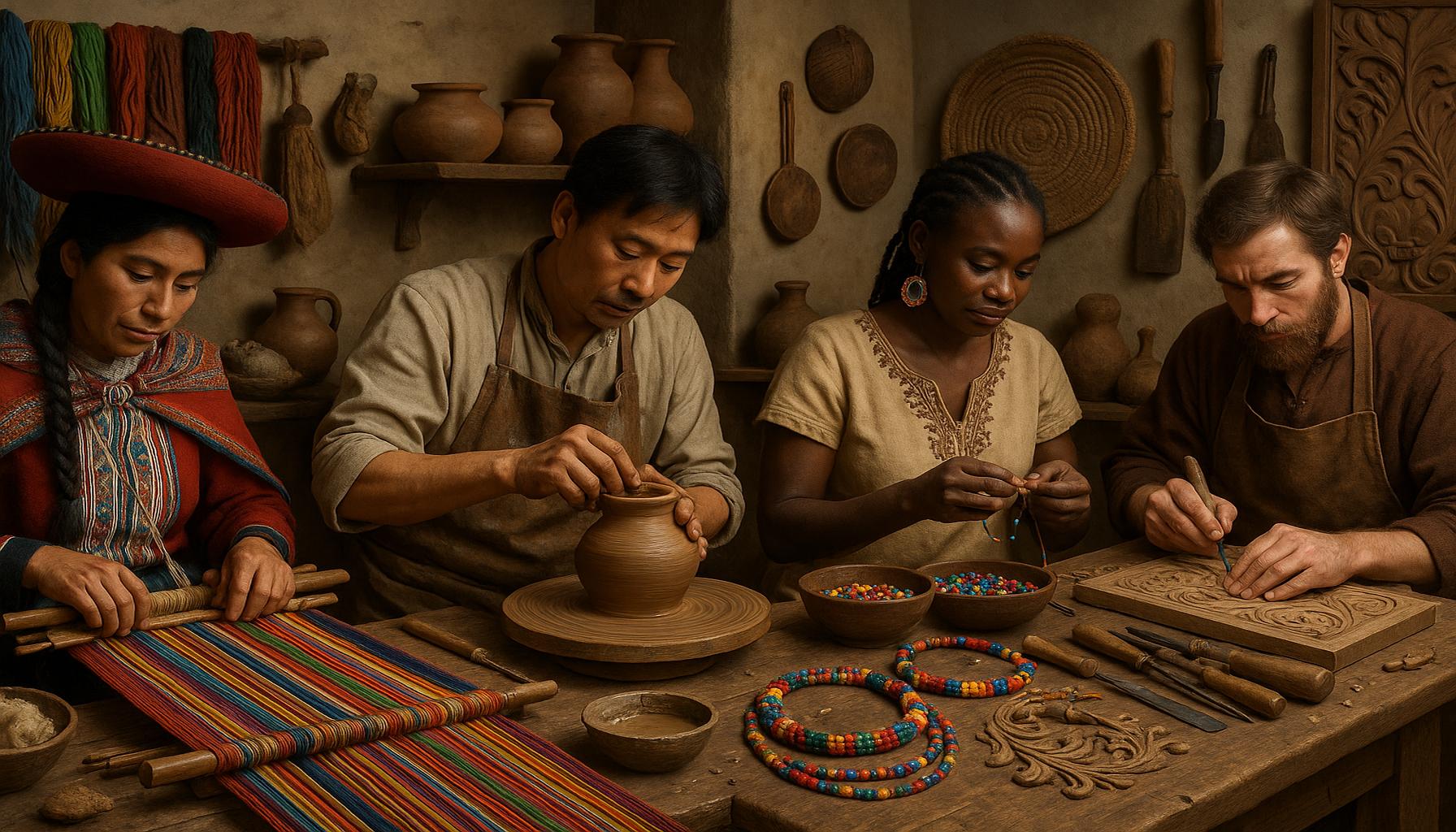
Craft techniques are more than just methods of creating beautiful objects; they embody the essence of cultural narratives, historical legacies, and identities. Each craft tradition has its roots in the customs and values of communities around the world. Whether it’s the meticulous art of textile weaving in Southeast Asia or the hand-thrown pottery of the Mediterranean, these practices serve as a bridge connecting us to our ancestors and to each other.
Let’s explore a few fascinating examples that highlight the depth and diversity of global craft techniques:
- Japanese Origami: This ancient art form is not merely about creating decorative shapes; it involves mathematical precision and artistic creativity. The precision required in origami reflects a philosophy of finding beauty in simplicity. From the classic crane symbolizing peace to complex designs like the origami dragon, this craft showcases how a single sheet of paper can be transformed into a source of inspiration.
- Native American Beading: This intricate technique employs tiny beads made from glass, shell, or stone to create stunning visual patterns on clothing, accessories, and ceremonial items. Each bead has a story and significance, often representing tribal culture, spirituality, and personal identity. Many Native American artists fuse traditional designs with contemporary styles, ensuring that this cherished craft evolves while preserving its heritage.
- Indian Block Printing: Originating from Rajasthan, this technique involves hand-carving designs onto wooden blocks, which are then dipped in dye and stamped onto fabric. The outcome is a vibrant, intricate textile that tells stories of the land and its people. With a focus on sustainable practices, many artisans now use organic materials to create eco-friendly fabrics that carry the essence of their culture into the modern world.
Not only do these crafts exhibit remarkable artistic skills, but they also act as vibrant links to cultural heritage and community identity. In a rapidly evolving world where mass production often overshadows handcrafted artistry, embracing traditional crafts can remind us of the value of patience and the depth of human creativity. Through these crafts, we are invited to appreciate the diversity of art forms that exist globally.
In this exploration, we will dive deeper into these and other craft techniques, examining their historical context, cultural significance, and the artistic processes involved. Join us as we embark on a journey that celebrates how these time-honored traditions enrich our lives, shed light on the intricate tapestries of identity, and foster connections across cultures. By understanding and supporting these crafts, we not only honor their creativity but also contribute to their sustainability in an ever-changing world.
DON’T MISS: Click here to discover inspiring stories

Unearthing Historical Narratives Through Craft
Cultural crafts are not merely artistic expressions; they are windows into the historical narratives and values of societies. Each technique carries unique stories, customs, and folklores that have been passed down through generations. As we delve into various craft techniques from around the globe, it becomes evident that these traditions mirror the diverse experiences of humankind.
Take, for example, Mexican Talavera Pottery. Known for its vibrant colors and intricate designs, this craft has origins that can be traced back to Spanish colonial times. The process begins with clay extraction, followed by hand molding, glazing, and painting—a testimony to the artisanal skills honed over centuries. Artisans often draw on historical themes or elements of daily life, merging artistry with cultural storytelling. The end products are not just functional items; they act as heirlooms that embody the love and history of the craftsperson’s community.
Filipino Weaving Techniques provide another fascinating insight. The Philippines has a rich tapestry of fabrics, each representing a unique indigenous culture. For instance, the Inabel textile from Ilocos is woven using traditional looms, with complex patterns symbolizing various aspects of local life, such as nature and spirituality. Weaving in the Philippines is often a communal activity, bringing families together to share in the creative process. The fabrics are not just utilitarian; they act as cultural markers, linking individuals to their roots while fostering a sense of identity and belonging.
Global Craft Techniques to Explore
To truly appreciate the global landscape of craft techniques, consider exploring the following examples:
- Scandinavian Woodwork: Renowned for its minimalistic design and functionality, this craft focuses on sustainable practices. Nordic artisans skillfully carve wooden pieces using traditional tools, allowing the natural beauty of the wood to shine through.
- Moroccan Carpet Weaving: The vibrant patterns of Moroccan rugs are infused with symbolism and history. Each rug tells a unique story, reflecting the region’s cultural influences and the artisan’s personal artistry.
- Indian Pottery: From the intricate designs of Khurja pottery to the utilitarian earthenware found in villages, Indian pottery showcases a variety of styles and techniques that highlight regional diversity and artistic expression.
As we navigate through these craft techniques, one realizes that each provides not only a glimpse into the aesthetic values of a culture but also emphasizes the environmental and social contexts from which they arise. The act of crafting becomes a communal activity, often involving shared skills, local materials, and age-old knowledge that binds generations together. In an era where global influences can easily overshadow local traditions, appreciating these crafts is integral to understanding and preserving cultural heritage.
Thus, by exploring these worldwide traditions, we not only gain insight into the artistic processes involved but also recognize the deeper cultural significance embedded within each craft. In a world striving for connectivity, these craft techniques allow us to learn from one another, bridging gaps across borders and fostering a greater appreciation for human creativity and cultural expression.
Exploring Craft Techniques from Around the World
When we delve into the world of craft techniques from various cultures, we uncover a tapestry of histories and traditions that have shaped communities through the ages. Each culture brings unique materials, methods, and stories to their craft practices, allowing us to appreciate not only the beautiful objects created but also the rich heritage behind them. One notable technique is Japanese Origami, a centuries-old art form that transforms simple paper into intricate sculptures. This practice teaches us not only the value of precision but also encourages patience and mindfulness, turning the act of folding paper into a meditative experience. In contrast, African beadwork reflects the vibrancy of life and storytelling. Each piece of jewelry has its own meaning, often linked to social status or community events, providing a narrative and symbolizing deeper connections within the community. Similarly, Indian pottery utilizes natural clay and organic materials, showcasing age-old techniques passed down through families. This craft embodies local culture and customs, highlighting how our surroundings influence the materials we use. Studying these global traditions not only enriches our understanding of cultural diversity but also inspires contemporary artisans to integrate these techniques into their own work. As we explore these various crafts, we discover the shared values of creativity and skill that transcend borders, ultimately fostering a greater appreciation for global artistry.
| Category | Advantages |
|---|---|
| Cultural Heritage | Preserves unique traditions and narratives. |
| Skill Development | Enhances creative skills and craftsmanship. |
Embarking on any of these craft techniques allows individuals to not only learn a skill but also respect and engage with diverse cultures, making the journey of creation both educational and fulfilling. Whether it’s folding a paper crane, stringing beads, or shaping clay, each craft invites us to immerse ourselves in a world of global traditions and shared human experiences.
DON’T MISS: Click here to dive into emerging literary genres
Reviving Traditional Techniques Through Contemporary Practices
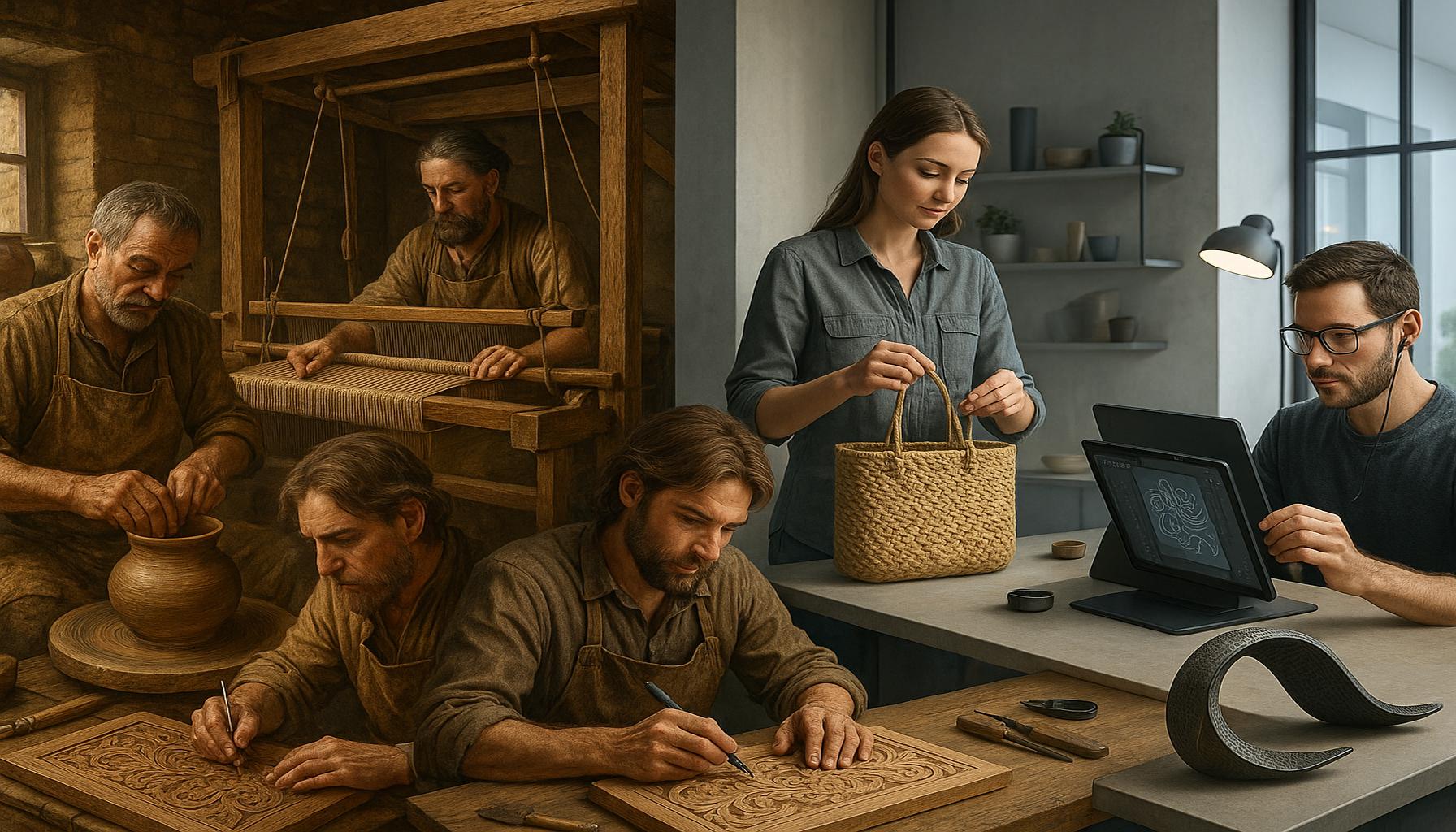
In an age where globalization reigns, traditional craft techniques are experiencing a renaissance as artisans across the globe merge age-old methods with modern design aesthetics. This fusion not only preserves endangered techniques but also invigorates them by appealing to contemporary tastes and sensibilities. As cultures interweave, we find new pathways to reinforce the relevance of these crafts in the present day.
Consider the resurgence of Japanese Sumi-e Painting. This ancient art form, characterized by its simple brush strokes and monochromatic palette, reflects harmony and simplicity. In recent years, younger artists have incorporated Sumi-e techniques into mixed media art, showcasing how traditional skills can adapt to contemporary artistic expressions. The applications range from fashion to interior design, emphasizing a balance between tradition and modernity.
Native American Beadwork presents another striking example of how historical craft techniques evolve. Traditionally used for ceremonial attire and practical items, beadwork is now being embraced by a younger generation seeking to explore their heritage. By blending traditional patterns with modern motifs and materials, artisans are telling fresh narratives that honor their ancestors while resonating with today’s audience. Beadwork workshops are popping up across the United States, encouraging individuals to engage deeply with their heritage, thereby fostering a sense of community and identity.
Integrating Sustainable Practices in Crafting
The drive towards sustainability is prompting artisans to reconnect with natural materials and eco-friendly processes. Many indigenous cultures have long embraced this philosophy, but it is gaining traction globally. For instance, Andean Weavers have historically harvested natural dyes from native plants to create vivid textiles. Modern artisans are reviving these techniques by promoting organic cultivation of dye plants, reinforcing ecological principles and sustainable practices. This movement not only protects the environment but also imparts knowledge about the ecological significance of local flora and fauna.
- Rwandan Basket Weaving: Traditionally, woven baskets hold significant cultural value, often serving functional or ceremonial purposes. Today, artisans are creating stunning decorative pieces that are in high demand globally. Utilizing sustainable grasses and incorporating local patterns, these crafts stand as beautiful eco-conscious alternatives to mass-produced home decor.
- Italian Ceramics: The art of ceramics in regions like Tuscany intertwines historical craftsmanship with renewable practices. Artisans utilize locally sourced clay and natural glazes, merging age-old techniques with modern ethical perspectives, thereby encouraging cultural preservation while minimizing their carbon footprint.
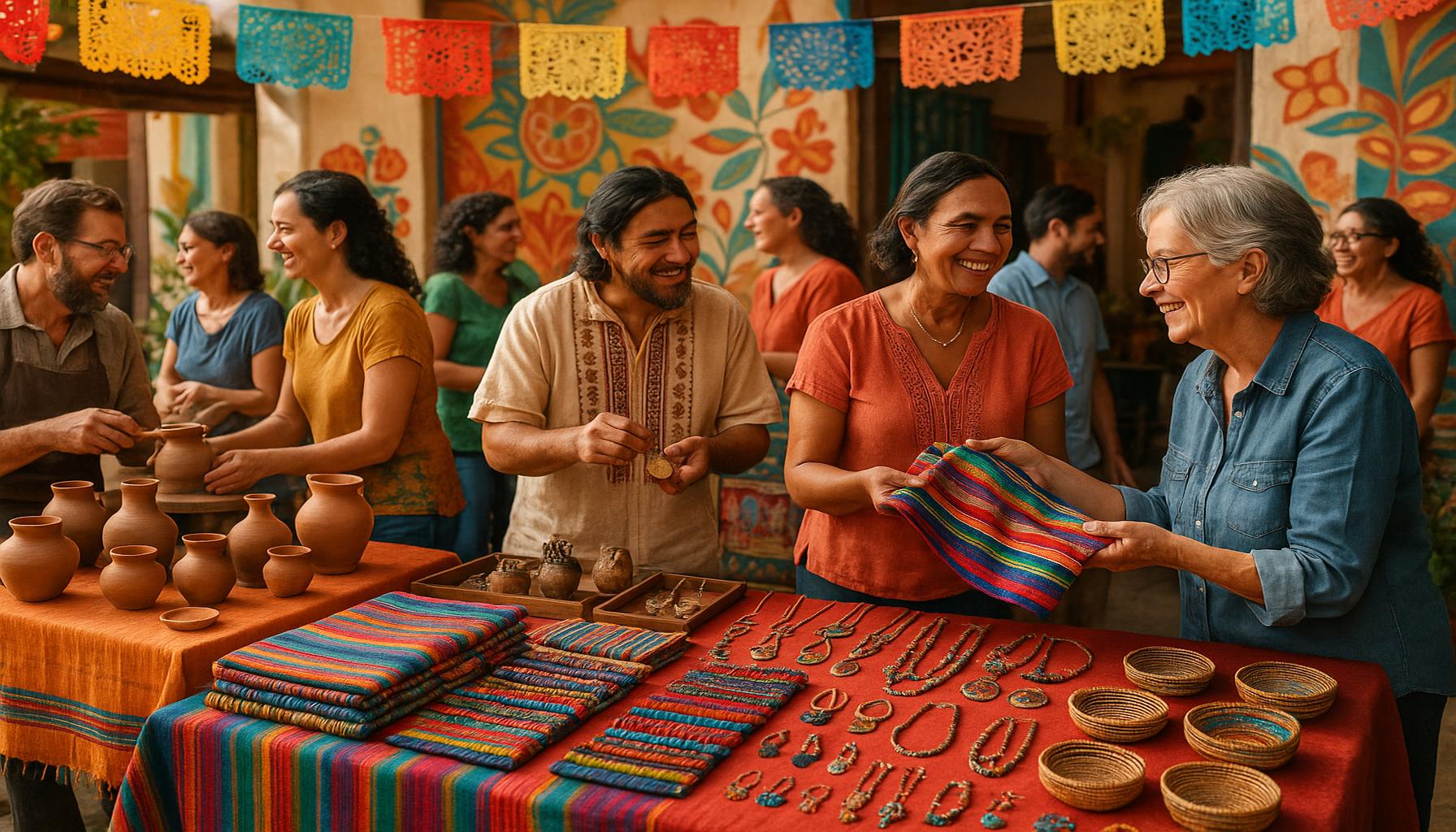
Such initiatives not only empower local economies but also invite consumers to engage thoughtfully with the products they purchase. Buyers are increasingly seeking out handcrafted items imbued with personal stories and eco-friendly practices, creating a marketplace that values authenticity over mass production. This shift is significant for both artisans and consumers, as it strengthens cultural ties and fosters economic resilience among communities.
The deep-rooted cultural stories embedded in these craft techniques highlight the global interconnections that exist within the art world. As traditional crafts gain renewed interest, they not only create aesthetic value but also encourage socio-economic growth and cultural exchanges. This fluid exchange of knowledge showcases a world where culture and craft serve as vehicles for connection, understanding, and shared heritage, continuing to enrich our lives as we learn from these global traditions.
DON’T MISS: Click here to dive deeper into the significance of diverse voices
Embracing a Tapestry of Global Craft
In conclusion, the exploration of craft techniques from various cultures reveals a dynamic tableau of creativity, heritage, and resilience. By merging age-old practices with contemporary interpretations, artisans worldwide are not only safeguarding their rich traditions but also making them relevant in our fast-paced modern world. This dialogue between past and present showcases the unbelievable adaptability of these craft forms, whether it’s through the stunning adaptations of Japanese Sumi-e Painting or the intricate storytelling within Native American Beadwork. These artisans are forging new identities that resonate with both their ancestral roots and the preferences of today’s consumers.
Additionally, the commitment to sustainability within the craft sector is both inspiring and necessary. As seen in the practices of Andean Weavers and Rwandan basket weavers, there is a significant movement towards eco-consciousness that aligns traditional techniques with contemporary values. This commitment not only protects our planet but also strengthens community ties and fosters economic viability among artisans.
As consumers, embracing these authentic and handcrafted items creates avenues for deeper connections to global cultures, empowering artisans while enriching our own lives. Through craft techniques, we are invited to learn, appreciate, and respect cultural diversity, reinforcing a shared global narrative. Let us continue to explore and support the incredible art forms that define communities around the world, ensuring that the knowledge and beauty embedded in these traditions endure for generations to come.