Developing Creativity Through Immersive Theatre: A New Performance Experience
The Transformative Nature of Immersive Theatre
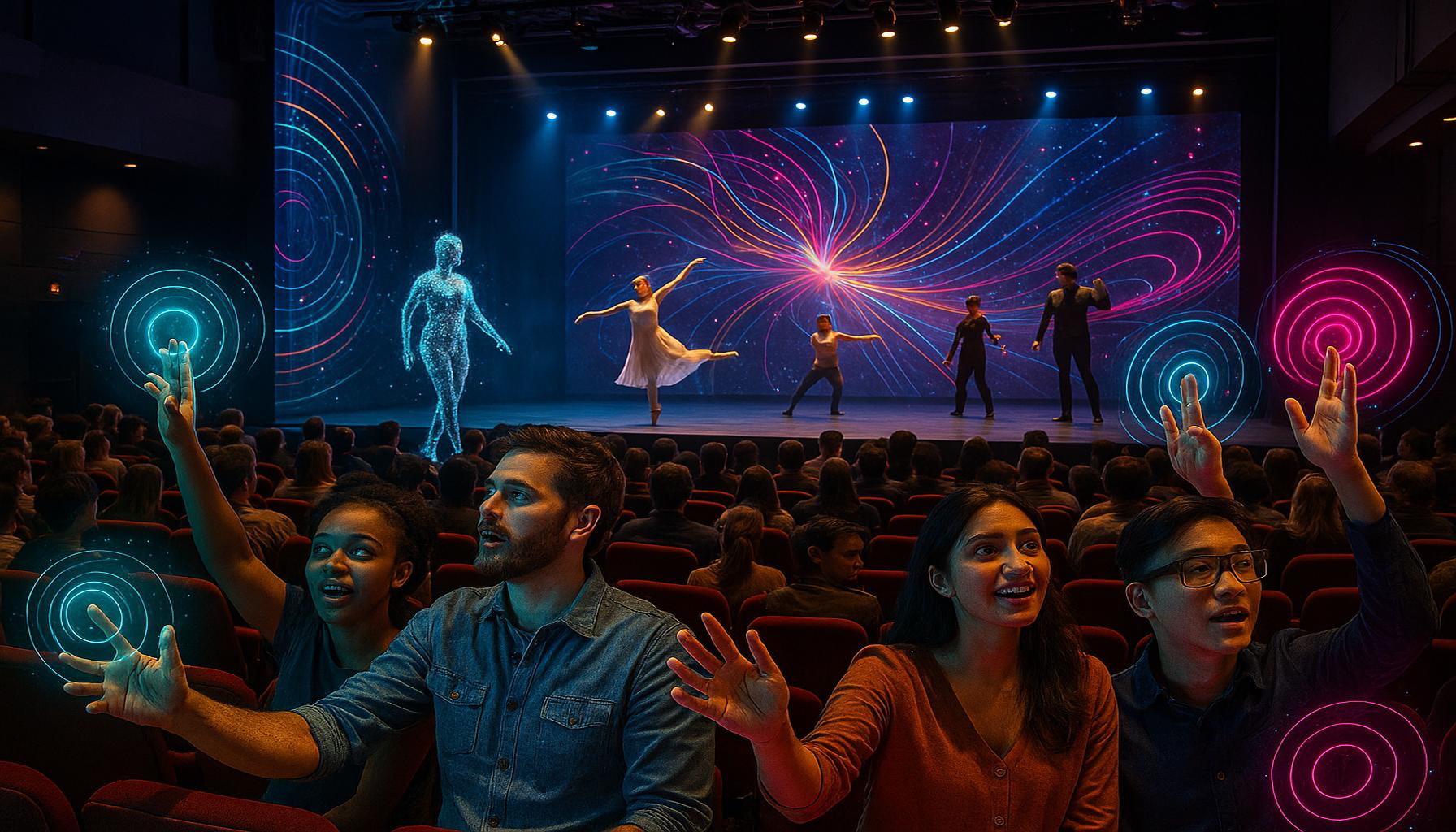
In recent years, immersive theatre has emerged as a dynamic and engaging form of performance art that captivates audiences and breaks down the barriers typically found in traditional theatrical settings. In contrast to conventional theatre, where spectators passively observe from their seats, immersive theatre invites participants to step directly into the narrative, actively engaging with the characters and storyline. This participatory approach not only enriches the experience but also challenges and transforms our understanding of creativity in storytelling.
One of the defining attributes of immersive theatre is active participation. In these productions, audience members are no longer just spectators; they become integral components of the performance. For instance, a recent immersive production in New York invited attendees to explore a sprawling abandoned warehouse, interacting with different elements of the set while influencing the unfolding story. By making choices that affect the narrative’s trajectory, audience members experience a sense of ownership over the story, cultivating a deeper emotional investment.
Another significant aspect is multi-sensory engagement. Immersive theatre often employs a myriad of sensory stimuli—sight, sound, and touch—to create a fully enveloping experience. A prime example of this can be seen in the acclaimed production “Sleep No More,” where actors perform scenes from Shakespeare’s “Macbeth” throughout numerous intricately designed rooms. The use of evocative soundscapes, dim lighting, and elaborate sets enhances the immersion, allowing participants to feel as though they have entered another world, a technique that can lead to profound emotional reactions.
Personalized storytelling is another hallmark of immersive theatre. Unlike traditional performances, where each audience member shares a common observational experience, immersive productions often provide varied pathways and interpretations. This means that two viewers can exit the same performance with completely different memories and feelings, promoting a unique form of narrative exploration. Such variability can encourage participants to reflect on their own lives and perspectives, deepening their creative and emotional engagement.
The influence of immersive theatre extends well beyond the stage; it also nurtures a collaborative spirit among artists and audiences. This collaboration is increasingly vital in a world characterized by division and isolation. By fostering shared experiences, immersive theatre encourages communities to come together, sparking conversations and connections that might not have arisen otherwise. It provides a platform for artists to experiment and collaborate, often resulting in groundbreaking work that pushes the boundaries of art and creativity.
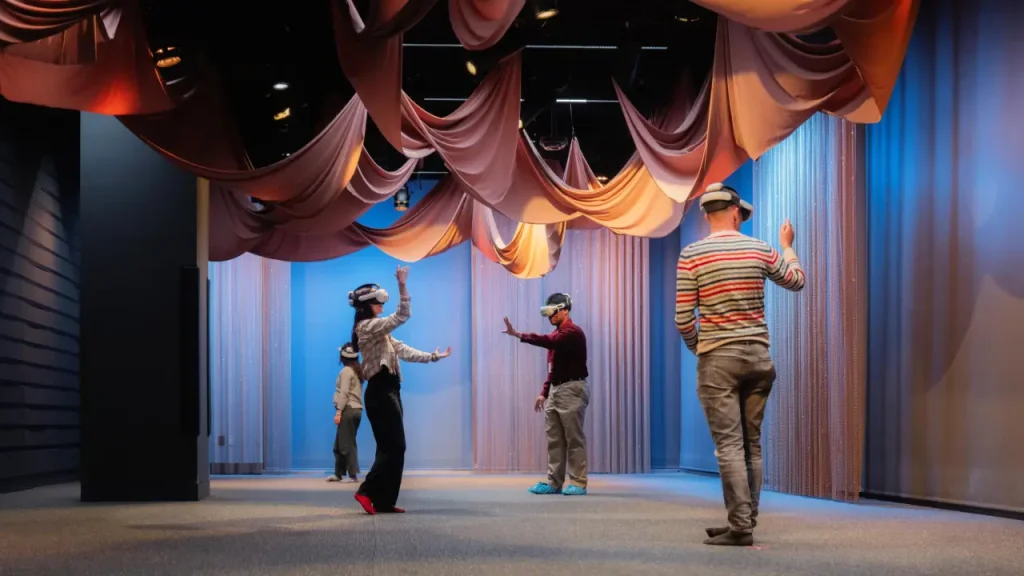
Whether you are an aspiring artist, a dedicated educator, or merely an enthusiastic participant in the arts, exploring immersive theatre offers a new lens through which to view creative expression. As productions proliferate across the United States, the challenge lies in discovering how this innovative form of art can be harnessed to inspire and ignite imaginations in our daily lives and communities. Immersive theatre is not simply a trend; it represents a movement towards deeper storytelling and more meaningful connection in the world of performance art.
DIVE DEEPER: Click here to discover the evolution of poetry
Unlocking the Creative Potential of Audiences
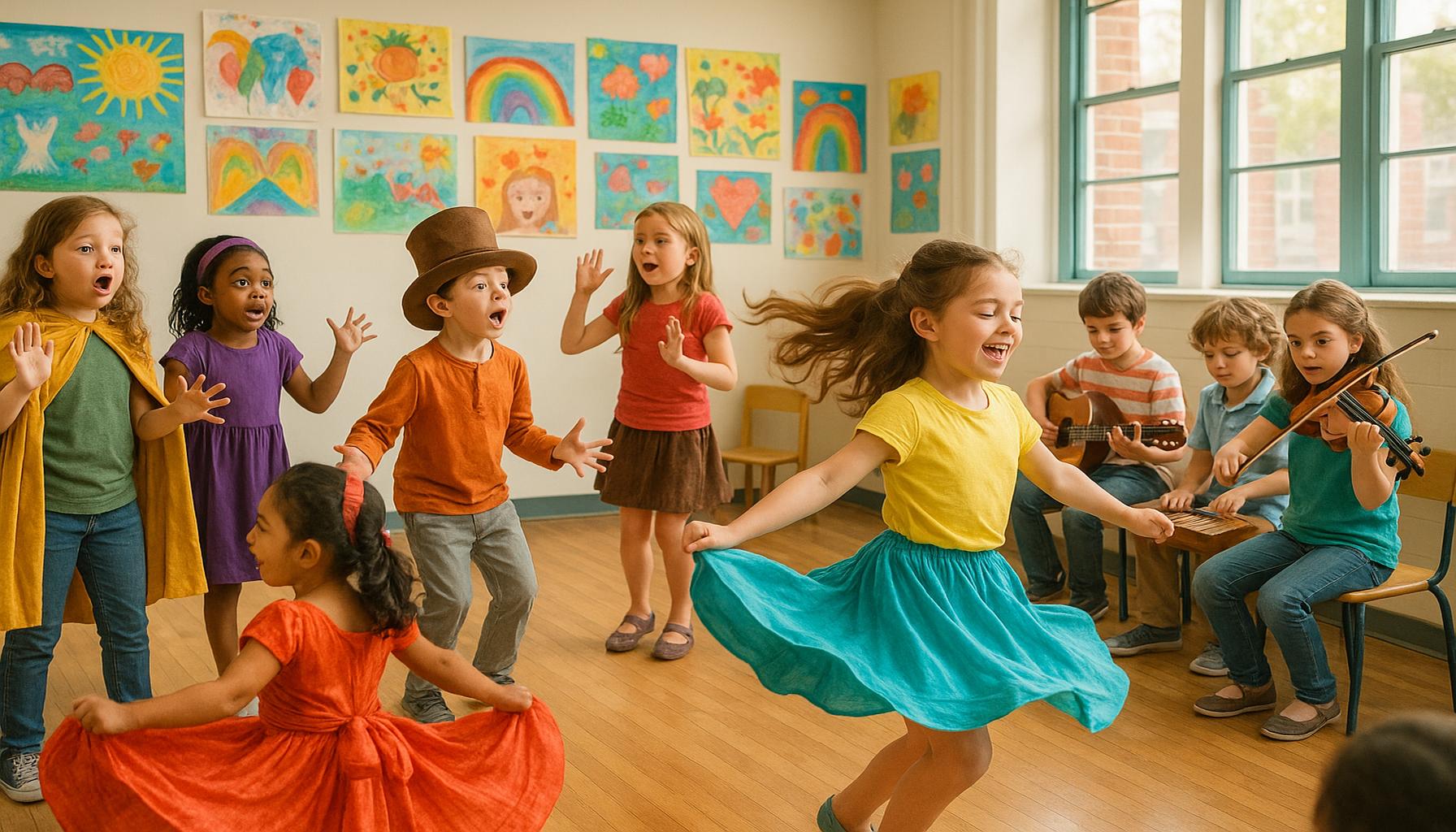
Immersive theatre stands out as a powerful medium for developing creativity, as it creates an environment where audience members can not only observe but contribute to the unfolding narrative. This innovative performance style invites participants to take on roles, make choices, and craft their own experiences within the framework of a story. By actively engaging in the creative process, attendees can unlock aspects of their own imagination that might otherwise remain dormant.
One of the most compelling features of immersive theatre is its capacity to challenge conventional modes of thinking. Traditional artistic expressions can often feel limiting, with fixed narratives and static characters. In contrast, immersive theatre fosters a sense of exploration and discovery. Participants may find themselves completely captivated as they navigate different layers of the narrative, weaving in and out of scenes and interactions. This fluid engagement encourages attendees to consider alternative viewpoints and interpretations, enhancing their imaginative capabilities.
Additionally, the element of risk-taking inherent in immersive theatre plays a crucial role in promoting creativity. The absence of a defined script or predetermined outcome allows audience members to experiment openly with their responses and actions. This aspect is particularly valuable in a world where individuals often hesitate to innovate or think outside the box due to fear of failure. By immersing themselves in unpredictable scenarios, participants can cultivate resilience and adaptability—key traits for any creative endeavor.
Moreover, immersive theatre often incorporates collaborative experiences. The communal aspect of these performances creates a shared sense of purpose and connectivity among participants. Here are some ways in which collaboration enhances creativity through immersive theatre:
- Collective Ideation: Audience members can brainstorm ideas and solutions collectively, leading to unique interpretations and contributions that enrich the overall experience.
- Cross-Pollination of Ideas: Participants from different backgrounds and perspectives come together, allowing for a fusion of creativity and inspiration that can result in unexpected and innovative outcomes.
- Feedback Loops: Engaging with fellow audience members allows individuals to receive instant feedback on their choices, fueling further exploration and experimentation.
The power of narrative in immersive theatre also cannot be overstated. Unlike traditional storytelling, which typically follows a linear path, immersive experiences allow for varied interpretations of the same material, giving participants the freedom to explore a universe of possibilities. This unpredictability invites individuals to investigate their own emotions, thoughts, and desires, ultimately enriching their creative expression.
As immersive theatre continues to gain traction across the United States, it is imperative for artists, educators, and community leaders to recognize its potential as a tool for unleashing creativity. By fostering environments that value participation and imagination, immersive theatre transforms performance into a dynamic arena where creativity thrives. The exploration of such immersive experiences offers everyone an exciting opportunity to redefine the boundaries of art and personal expression.
| Advantage | Details |
|---|---|
| Enhanced Audience Engagement | Immersive theatre invites the audience to become part of the story, thus fostering a deeper connection to the characters and themes presented. |
| Creative Risk-Taking | Performers and audiences are encouraged to explore unconventional narratives and forms of expression, which nurtures innovation and artistic exploration. |
The evolution of immersive theatre serves as a potent catalyst for developing creativity in both performers and viewers. By breaking down traditional barriers, immersive experiences transform the role of the audience from passive observers to active participants. This interactivity not only increases empathy towards the characters but also challenges individuals to engage their imaginative faculties more deeply.Moreover, the element of creative risk-taking inherent in these performances allows artists to experiment with multiple forms of storytelling, breaking away from conventional plot structures. This heightened level of creativity not only stimulates personal growth but also encourages collaborative efforts among participants, contributing to a community driven by innovation and artistic freedom. As immersive theatre continues to evolve, it paves the way for a new generation of performers and audiences to redefine the landscape of creative expression.
DIVE DEEPER: Click here to unlock your potential
Fostering Empathy and Emotional Intelligence
Another pivotal aspect of immersive theatre is its ability to cultivate empathy and emotional intelligence among participants. As audience members step into the shoes of different characters and engage in their emotional journeys, they gain insights into the complexity of human experiences. This deep connection not only enhances the overall performance but also fosters a greater understanding of themselves and others, which is essential for creative thinking.
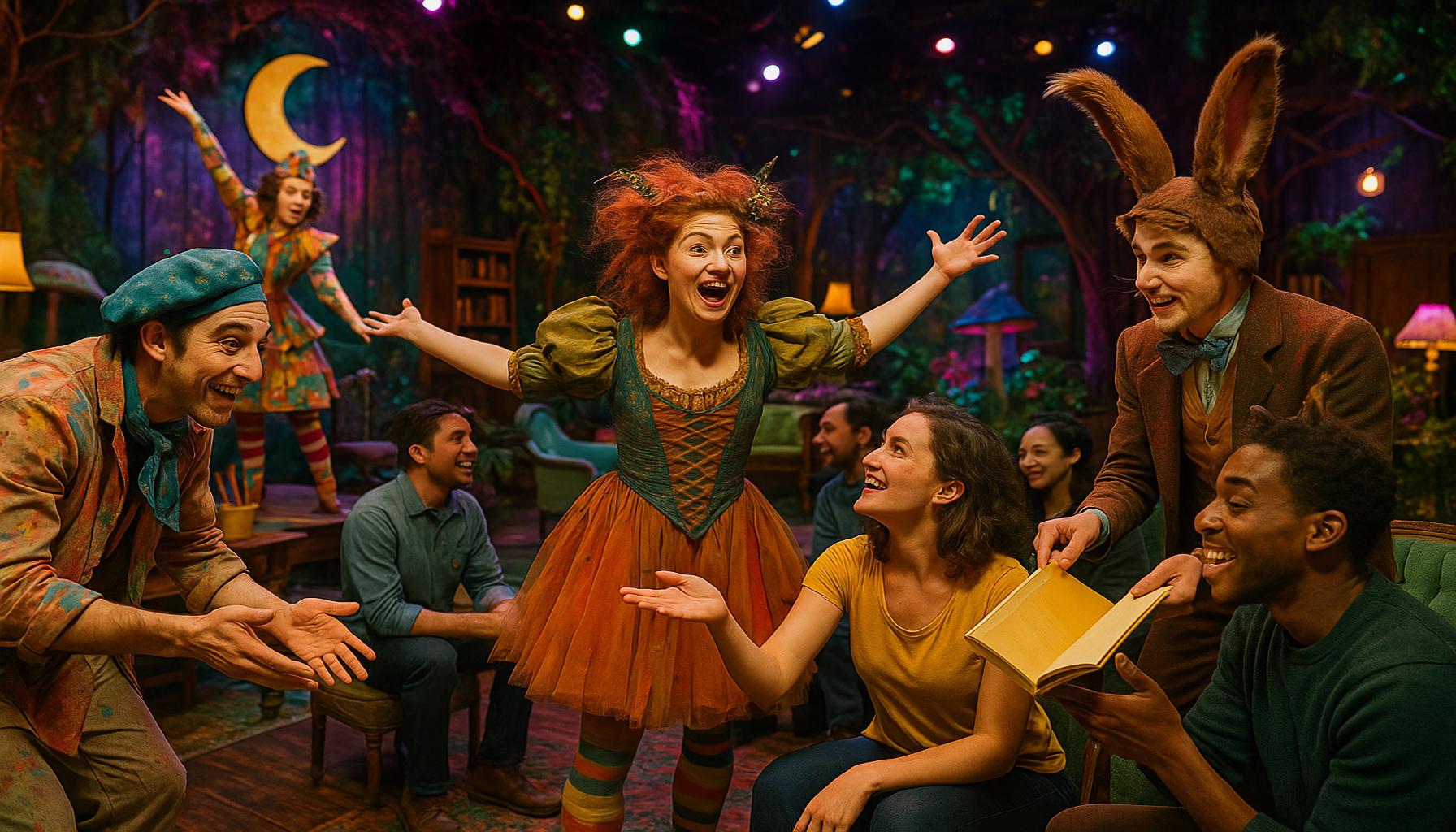
Through immersive narratives, participants are exposed to a spectrum of emotions, which can equip them with a more profound sense of awareness. For instance, works like “Then She Fell,” an immersive production set in a reimagined Alice in Wonderland, invite participants to delve into characters’ psychological states, exploring themes of madness and vulnerability. Such experiences not only provoke thought but compel individuals to reflect on their own emotional landscapes, thus bridging personal and collective narratives.
Moreover, the spatial dynamics of immersive theatre—often set in non-traditional venues—offer a unique opportunity for sensory engagement. Participants are encouraged to interact with their environment, stimulating creativity through physical exploration of space. This multi-layered interaction enhances their ability to perceive and interpret artistic elements differently. Artists often curate settings that incite curiosity, compelling participants to observe details they might overlook in a conventional theatre setting.
In addition to emotional engagement, immersive theatre can also serve as a powerful medium for social commentary. Many productions tackle pressing social issues—such as climate change, mental health, or social injustice—challenging audiences to confront uncomfortable topics. For example, the immersive experience “The Alienation Project” explores themes of homelessness and isolation by inviting participants to live the day-to-day realities of the marginalized. By experiencing these narratives firsthand, individuals are encouraged to develop creative solutions that can promote awareness and foster understanding within their communities.
Through the prism of immersive theatre, audiences can also practice storytelling techniques that enhance their overall creative prowess. Participants collectively create narratives that ripple outward into a larger social context, emphasizing the role of each individual’s contribution. This collaborative approach not only enriches personal expression but also encourages diverse storytelling methods that blend various influences and styles. Workshops accompanying immersive experiences often explore techniques such as improvisation and character development, further strengthening creative muscle in participants.
The thriving immersive theatre scene in the United States showcases the evolution of this art form, with cities like New York, Los Angeles, and Chicago leading the way. Productions like “Sleep No More” and “The Drowned Man” utilize architecture and atmospheric design to envelop participants in a world of artistic discovery, illustrating the transformative capacity of immersive experiences. As more artists and creators continue to innovate, the potential for fostering creativity through immersive theatre only continues to expand.
The integration of various art forms—dance, visual arts, music—within immersive environments allows for a rich tapestry of creative expression. Participants might find themselves responding to a mixture of stimuli, compelling them to think outside traditional paradigms. As immersive theatre captures the imagination and transforms the way audiences interact with art, there is an exciting opportunity for the democratization of creativity, one immersive experience at a time.
DISCOVER MORE: Click here to dive deeper into the world of book clubs
Conclusion
In summary, immersive theatre emerges as a revolutionary form of artistic expression that profoundly impacts creativity and human connection. Through its unique blend of interactive storytelling, emotional engagement, and sensory exploration, immersive theatre invites participants to dive deep into diverse narratives, allowing them to experience art not just as spectators but as active contributors. This transformative approach fosters a multi-faceted understanding of empathy, challenge, and social awareness, encouraging individuals to reflect on their own perspectives while broadening their creativity.
Furthermore, as we witness the burgeoning immersive theatre scene across the United States, with trailblazers in cities such as New York and Chicago, the potential for innovative collaborations continues to grow. Artistic creators are embracing the interdisciplinary nature of immersive experiences by incorporating various mediums—such as movement, visual arts, and music—thereby cultivating an environment ripe for creative experimentation. The ability to interact with one’s surroundings and join in on the narrative journey enhances the experience, making it richer and more impactful.
As the landscape of entertainment evolves, immersive theatre stands at the forefront, awakening audiences to new avenues of connection, expression, and exploration. This art form not only democratizes creativity but also serves as a powerful tool for social change, motivating participants to become advocates for awareness and understanding within their communities. As you explore the immersive theatre experience, consider how you might engage with these dynamic narratives and stimulate your creative potential—a journey promising to be as rich and unpredictable as the stories themselves.