Emerging Literary Genres: Exploring New Trends and Their Cultural Impacts
Emerging Literary Genres: A Window into Contemporary Culture
In today’s rapidly changing world, readers are increasingly drawn to narratives that resonate with their experiences, concerns, and identities. Emerging literary genres serve as a mirror reflecting the complexities of modern life, while also challenging conventional storytelling techniques. These genres not only present fresh narratives but also address pressing global issues, making literature a relevant vehicle for cultural discussion.
One of the most striking new genres is cli-fi, or climate fiction. This genre has gained traction as environmental concerns have surged into public consciousness. Novels like “The Overstory” by Richard Powers and “New York 2140” by Kim Stanley Robinson present imaginative yet plausible futures wherein climate change significantly impacts human existence. These stories serve not just as cautionary tales but also inspire readers to reflect on their responsibility to the environment. As climate action becomes increasingly urgent, cli-fi provides not only entertainment but a catalyst for social change and awareness.
Another emerging trend is lit-RPG, a genre that allows readers to actively engage with the narrative through the mechanics of role-playing games. Series like “Awaken Online” by Travis Bagwell immerse readers in worlds where they can follow characters as they level up and make choices that affect their outcomes. This interactive form of storytelling blurs the lines between traditional reading and gaming, appealing particularly to younger audiences who seek more dynamic experiences in literature. The blending of narrative and gameplay invites discussion about agency and decision-making within storytelling, challenging readers to reflect on their own choices.
Graphic memoirs are also becoming significant, blending visual art with personal storytelling. Works like “Persepolis” by Marjane Satrapi and “Fun Home” by Alison Bechdel narrate intimate, often challenging life experiences while utilizing illustrations to enrich the narrative. This genre resonates with diverse audiences, as the combination of imagery and text provides a multi-layered approach to storytelling that is both engaging and accessible. Graphic memoirs invite readers to experience stories of resilience, identity, and self-discovery in a way that feels immediate and relatable.
As these genres gain popularity, they not only redefine the boundaries of literature but also influence cultural conversations around critical issues such as environmentalism, personal identity, and interactive storytelling. By exploring the origins, themes, and styles of cli-fi, lit-RPG, and graphic memoirs, readers can better understand the cultural contexts that bring these genres to life. As we delve deeper into these emerging literary forms, we uncover the ways they resonate with contemporary issues, ultimately enriching our understanding of the world around us.

DISCOVER MORE: Click here to dive deeper
New Narratives for a Changing World
The evolution of literature is inextricably linked to the societal shifts we witness. As cultures evolve, so do the stories that define them. Emerging genres, such as cli-fi, lit-RPG, and graphic memoirs, illustrate how contemporary literature breaks from tradition, carving out new spaces for dialogue and exploration. Each of these genres brings unique perspectives to the forefront, inviting readers to engage with current issues in innovative ways.
Climate Fiction: Imagining Tomorrow’s Challenges
Cli-fi stands as a powerful literary response to climate change and environmental degradation. Unlike traditional science fiction that often focuses on the distant future or fantastical elements, cli-fi grounds its narratives in the very real consequences of environmental neglect. Books such as “The Ministry for the Future” by Kim Stanley Robinson not only envision dystopian scenarios but also speculate on potential solutions. This genre fosters a sense of urgency and responsibility in its readers, elevating conversations around sustainability and activism. Indeed, the very act of reading cli-fi can serve as a motivating force, prompting individuals to reconsider their daily habits and how they relate to global issues.
Lit-RPG: The Fusion of Fiction and Gaming
Lit-RPG has emerged as a captivating genre, where literature meets the dynamics of role-playing games. This genre offers readers a unique experience where they can immerse themselves in interactive narratives. Works like “Sword Art Online” by Reki Kawahara have become immensely popular, reflecting a cultural shift towards video game culture. Readers are not just passive consumers of stories; they’re participants in decision-making processes that shape plot outcomes. This interactive framework encourages deeper engagement with themes of choice, consequence, and morality—concepts that resonate profoundly in today’s decision-laden society.
Graphic Memoirs: Art and Autobiography Intersect
The rise of graphic memoirs signals a noteworthy trend in literary expression, merging visual storytelling with intimate autobiographical narratives. Authors like Alison Bechdel and Marjane Satrapi utilize illustrations to accentuate their messages, creating an emotional experience that text alone may not convey. These memoirs frequently explore themes of identity, trauma, and personal growth, appealing to diverse audiences who seek authenticity in storytelling. The visual element enhances relatability, as readers can connect not just through words but through powerful imagery that amplifies the narratives’ emotional weight.
The Cultural Impact of Emerging Genres
The emergence of these genres reflects broader cultural phenomena, influencing societal conversations on numerous fronts. As we witness the proliferation of cli-fi, lit-RPG, and graphic memoirs, it becomes evident that literature is evolving alongside cultural shifts. Here are some ways these genres impact society:
- Raising Awareness: Genres like cli-fi educate readers about the pressing realities of climate change.
- Engaging Younger Audiences: Lit-RPG attracts younger readers by merging gaming with literature, fostering a love for reading.
- Fostering Empathy: Graphic memoirs facilitate personal connections through relatable storytelling and visuals.
In examining these emerging literary forms, we can glean insights into contemporary values, struggles, and aspirations. By exploring the nuances of these genres, readers can appreciate how they reflect and influence the cultural landscapes they inhabit.
| Emerging Genre | Cultural Impact |
|---|---|
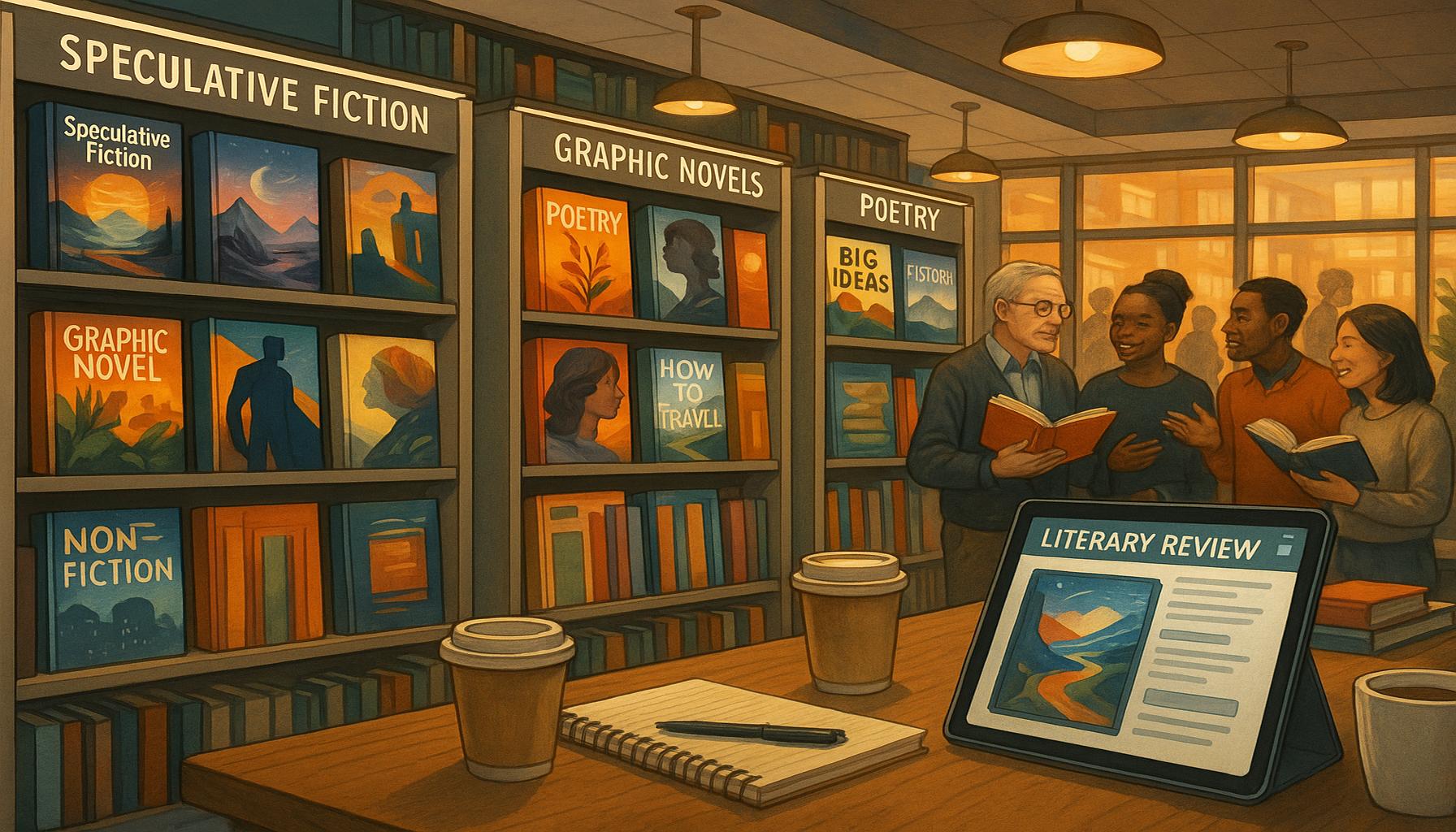
| Speculative Fiction | Challenges conventional narratives through imaginative scenarios that reflect today’s societal issues. |
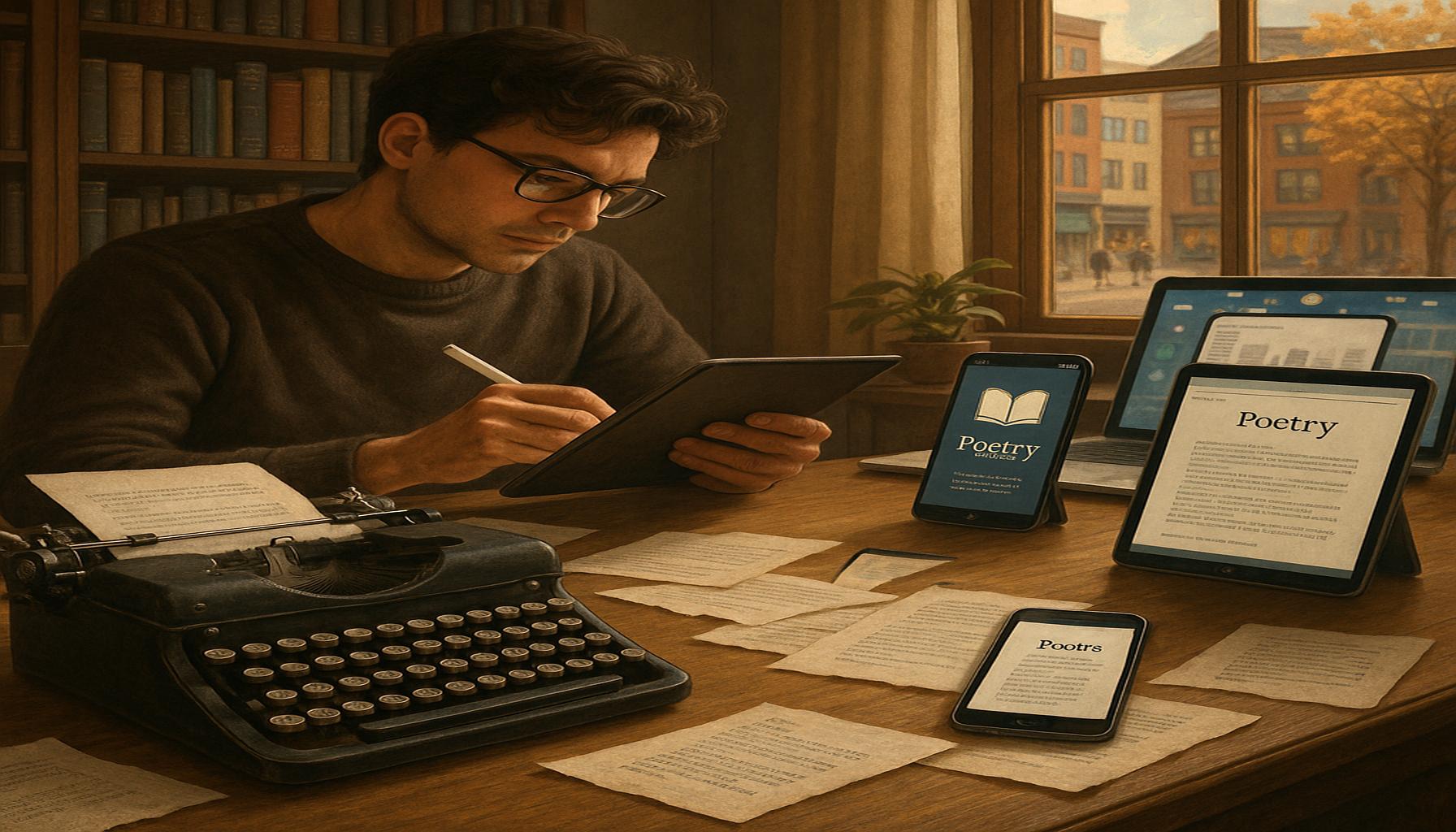
| Digital Poetry | Encourages new forms of expression and interaction, merging technology with traditional poetic structures. |
| Cli-Fi (Climate Fiction) | Raises awareness about climate change, pushing readers to engage with environmental issues through narrative. |
| Afrofuturism | Explores African diaspora experiences, blending history and science fiction to envision future possibilities. |
The rise of these emerging literary genres is reflecting profound shifts in society and culture. From Speculative Fiction, which serves as a mirror for our societal challenges, to Digital Poetry, where the interaction with technology creates diverse poetic voices, these genres showcase the ever-evolving landscape of literature. The Cli-Fi movement intricately ties storytelling to urgent ecological crises, effectively harnessing narrative as a tool for activism. Meanwhile, the Afrofuturism genre not only celebrates African heritage but also offers a visionary stance on the future, emphasizing the importance of cultural identity in a rapidly globalizing world. Each of these genres not only entertains but also provokes thought, challenging readers to engage with critical contemporary issues through the wide lens of creativity. These narratives invite readers to explore uncharted territories in human experience and the profound cultural implications that stem from them.
DISCOVER: Click here to learn about the transformation of literature
Redefining Storytelling Through Hybrid Forms
As we delve deeper into emerging literary genres, the introduction of hybrid forms emerges as a significant trend in contemporary literature. Genres such as narrative nonfiction, poetry as protest, and interactive fiction demonstrate a blending of styles and conventions that respond to the nuances of modern life.
Narrative Nonfiction: The Truth Told as Story
Narrative nonfiction blurs the lines between factual reporting and storytelling, allowing authors to present real-life events with the same narrative techniques typically reserved for fiction. Works like “The Immortal Life of Henrietta Lacks” by Rebecca Skloot illustrate how this genre can engage readers while delivering profound insights into ethical issues, medical history, and race relations. By employing character development, detailed scenes, and dramatic tension, narrative nonfiction captivates audiences and encourages them to grapple with complex truths. This genre plays a critical role in making history accessible and engaging, fostering a deeper understanding of the events that shape our lives and society.
Poetry as Protest: The Voice of the Marginalized
In light of recent social movements, poetry as protest has surged in popularity as a powerful tool for activism and social change. Poets like Amanda Gorman and Claudia Rankine harness their work to address issues ranging from racial injustice to climate activism. Gorman’s inaugural poem “The Hill We Climb” became a cultural touchstone, embodying a collective yearning for unity and progress. Poetry in this form transcends traditional boundaries, offering voices to those often marginalized or silenced. It fosters community engagement, allowing readers to connect with the emotions and stories behind the political discourse. The accessibility of poetry makes it a dynamic medium for advocacy, resonating across demographics and inviting diverse interpretations.
Interactive Fiction: Blurring Boundaries of Reader Engagement
Interactive fiction represents an evolution of storytelling where the reader takes an active role in shaping outcomes. These narratives thrive in digital formats, allowing readers to modify paths and influence story arcs. Titles like “80 Days” challenge traditional narrative structures, enabling participants to explore choices that define their journeys. This genre appeals to the increasingly interactive nature of our society, where engagement and interactivity are paramount. By blurring the lines between authorship and readership, interactive fiction showcases how literature can adapt to technological advancements and cultural shifts, inviting readers to reconsider the nature of authorship.
Impacts of Hybrid Genres on Cultural Discourse
The rise of hybrid genres has multifaceted impacts on cultural discourse, as they often reflect contemporary social dynamics and elevate marginalized voices. Here are some notable effects:
- Encouraging Critical Thinking: Narrative nonfiction promotes critical engagement with real-world events, allowing readers to question accepted narratives.
- Extending the Reach of Poetry: Poetry as protest amplifies voices in social justice movements, creating a platform for dialogue on critical issues.
- Shaping User Experience: Interactive fiction fosters a sense of agency among readers, challenging conventional notions of authorship and involvement in storytelling.
As literature evolves into these hybrid forms, it emphasizes the importance of adaptability and innovation in storytelling. Recognizing these shifts invites readers to explore the potential of literature as a medium for dialogue and cultural reflection, revealing layers of meaning that speak to the complexities of modern existence.
DIVE DEEPER: Click here to discover the art of blending truth and imagination
Conclusion: The Future of Literary Expression
In conclusion, the exploration of emerging literary genres reveals a dynamic landscape that is continually shaped by cultural shifts, social movements, and technological advancements. As we have seen, hybrid forms such as narrative nonfiction, poetry as protest, and interactive fiction are not merely trends; they represent a significant evolution in storytelling that resonates with contemporary audiences.
These genres offer more than just entertainment; they serve as vital platforms for discussing complex issues within our society, enhancing cultural discourse through innovative forms of engagement. By engaging with factual narratives, addressing social inequalities, and employing interactive storytelling techniques, these emerging genres enrich our understanding of the world around us and allow for a broader range of voices to be heard.
As readers continue to seek out diverse experiences and narratives that reflect the realities of their lives, the literary landscape will undoubtedly keep evolving. This evolution urges us to remain open to new formats and styles—expanding our literary horizons and inviting us to reconsider what literature can accomplish. The cultural impacts of these new genres suggest that literature remains a living, breathing form of expression, capable of inspiring change and fostering understanding in an increasingly complex world. For those willing to explore, the opportunities for discovery and growth within this transformative literary terrain are boundless.