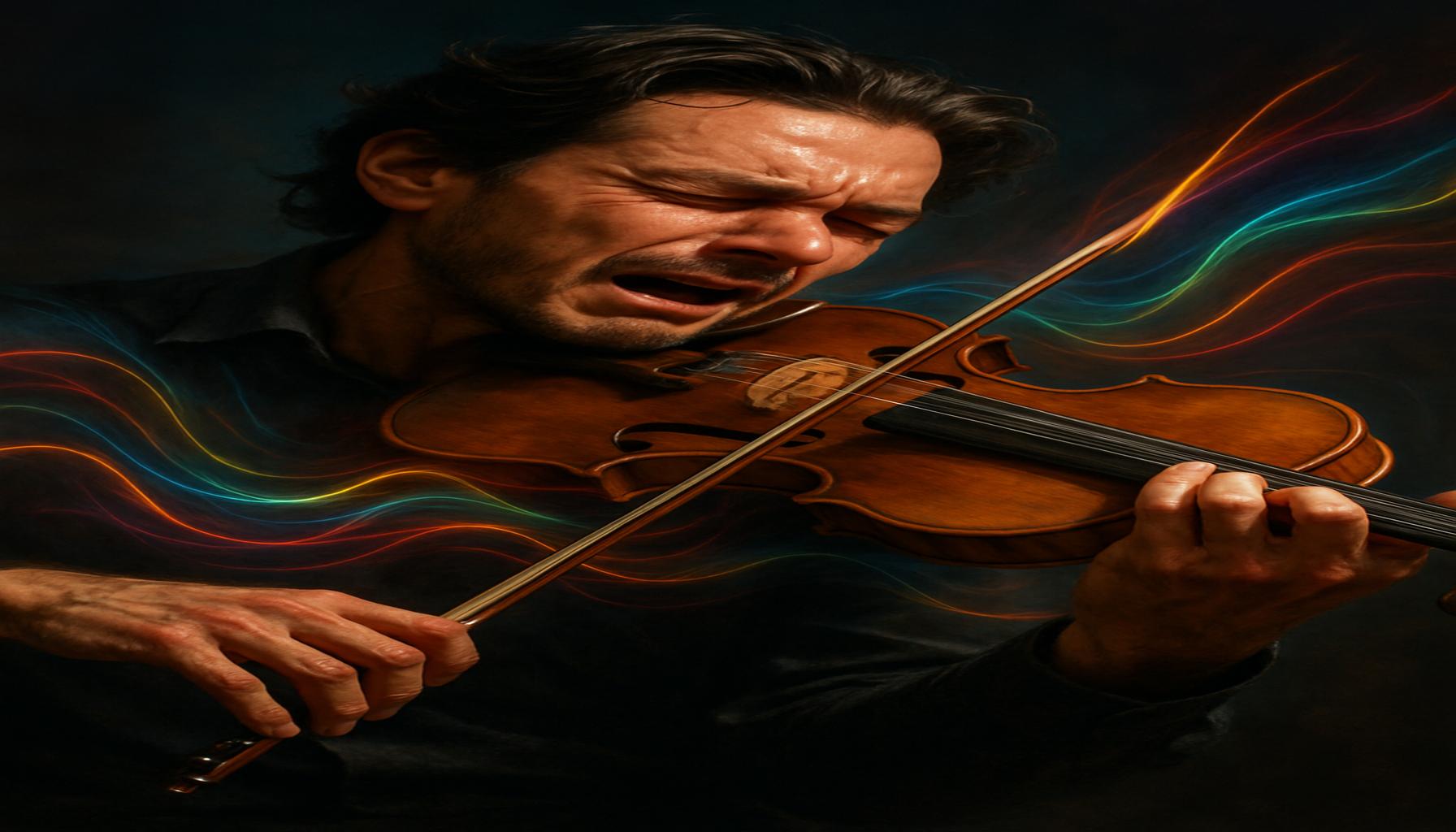
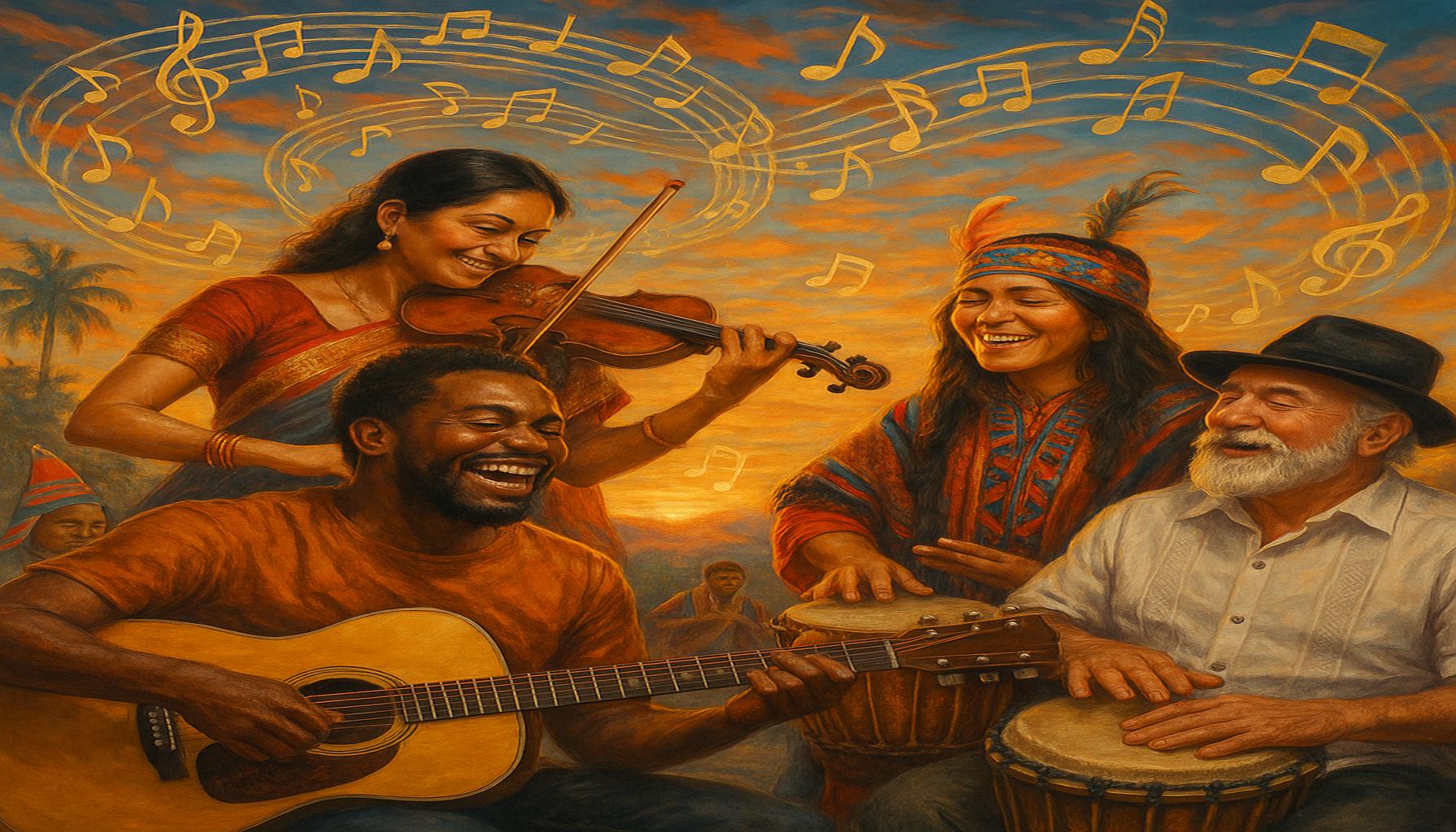
Exploring Different Musical Genres as a Form of Creative Expression
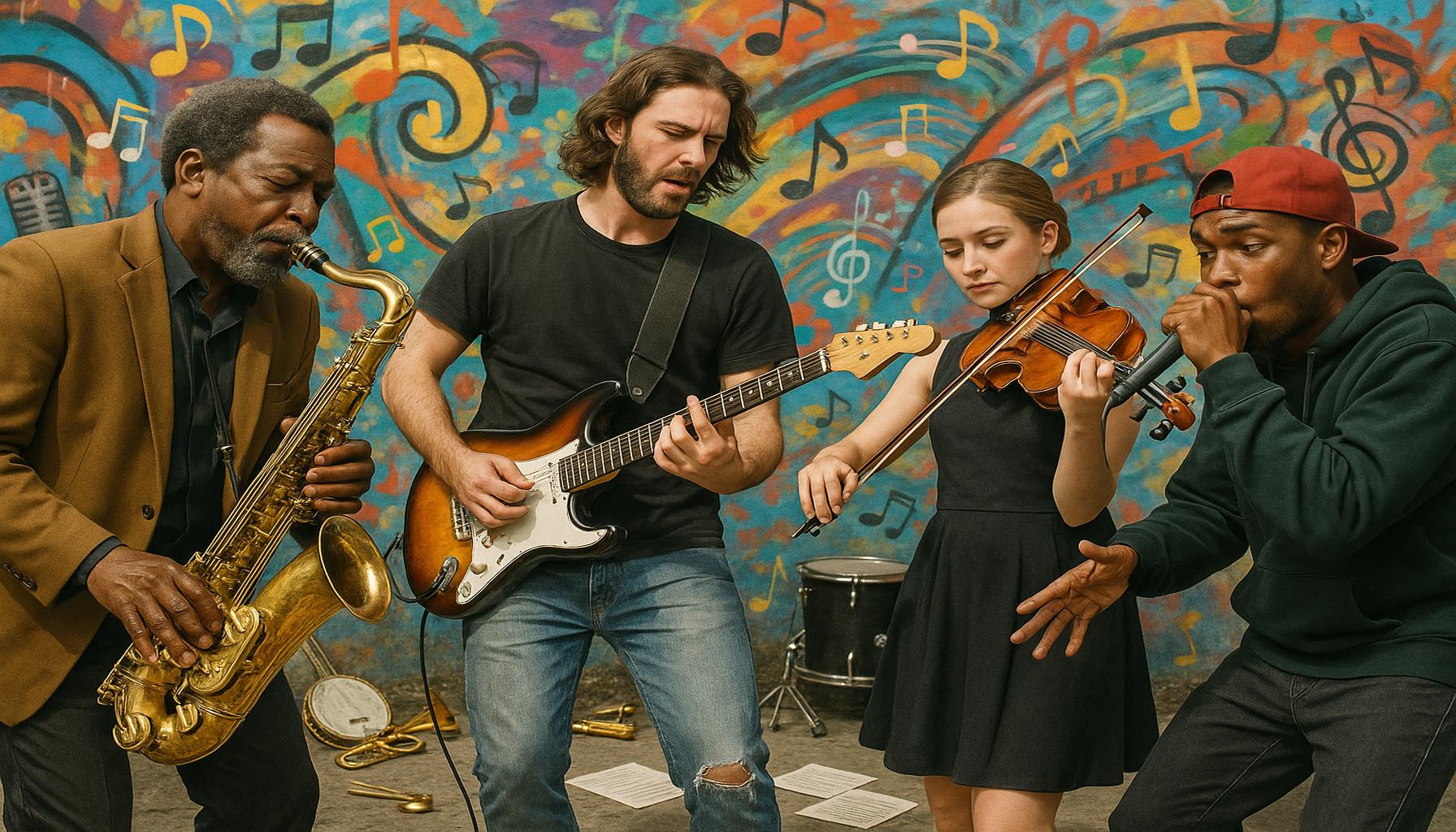
Unpacking the Power of Musical Genres
Music serves not only as a backdrop to our lives but also as a powerful medium of creative expression that unites diverse cultures and perspectives. Throughout history, music has evolved, giving rise to an array of genres, each with its own unique story and emotional resonance. These genres provide us with insights into different human experiences and are capable of evoking feelings that words alone often cannot convey. For instance, the soulful notes of jazz can transport a listener to a smoky New Orleans club, while the energetic beats of hip-hop can energize individuals and inspire a sense of community.
Exploring various musical genres reveals a rich tapestry of sound that reflects the human condition. Consider the following examples:
- Jazz: This genre is celebrated for its improvisational nature, allowing musicians to express themselves freely in the moment. Originating in the African American communities of the southern United States, jazz intertwines blues, ragtime, and swing. Artists like Louis Armstrong and Miles Davis have become iconic figures, using their instruments to convey deep emotions. The spontaneity of jazz can create a powerful emotional connection between artists and audiences, serving as an outlet for both.
- Rock: Known for challenging societal norms, rock music often carries messages of rebellion and individuality. Rooted in genres like blues and country, rock has spawned numerous sub-genres, such as punk and alternative, each with its own distinct flavor. Bands like The Beatles and The Rolling Stones revolutionized the music scene, encouraging listeners to question the status quo and embrace their unique identities.
- Classical: With its intricate compositions and rich historical background, classical music spans several centuries, incorporating a range of influences from various cultural contexts. Composers such as Bach, Mozart, and Beethoven have left an indelible mark on the music world, and their works continue to inspire contemporary musicians. Classical pieces often tell stories of their time, offering listeners a glimpse into the past while encouraging modern interpretations through innovative arrangements and performances.
- Hip-Hop: Emerging from the streets of New York City in the 1970s, hip-hop artfully combines rhythm and poetry. It serves as a voice for the underrepresented, addressing social issues such as inequality and injustice. Artists like Tupac Shakur and Kendrick Lamar have masterfully woven their experiences and cultural heritage into their lyrics, creating a platform for dialogue and change. Through hip-hop, creators not only express personal stories but also capture the zeitgeist of their communities.
- Folk: This genre is steeped in storytelling and community tradition, often rooted in the narratives of everyday life. Folk music can serve as a means of preserving cultural history and heritage, passing down stories across generations. Artists like Bob Dylan and Joan Baez have used this platform to highlight social movements and inspire activism, demonstrating the power of music as a vehicle for change.
Each of these genres is influenced by various factors, including geography, history, and societal issues, all contributing to their distinct characteristics and emotional weight. By delving into the intricacies of these styles, listeners can not only discover new narratives but also foster a deeper appreciation for the cultures they represent. Music is, undoubtedly, a reflection of the human experience, offering a unique lens through which individuals can explore creativity, identity, and emotion.
Embarking on an exploration of different musical genres encourages an appreciation not only for the notes and rhythms but also for the myriad ways they can reflect and shape our creative identities. Whether it’s tapping your feet to a jazz beat or reflecting on the poignant lyrics of a folk song, each genre invites listeners to connect with the world around them in profound and meaningful ways.
DISCOVER MORE: Click here to delve into the psychology of musical emotion

How Music Genres Shape Our Identity
The impact of musical genres on individual and collective identities cannot be understated. From the catchy melodies of pop to the intricate structures of classical music, each genre offers a unique framework for artistic expression and emotional communication. As we explore these genres, it becomes evident that they not only mirror societal transformations but also play a pivotal role in shaping the perspectives and lifestyles of those who engage with them.
One of the most fascinating aspects of musical genres is their ability to become a reflection of cultural movements. For instance, the rise of rock and roll in the 1950s was more than just a musical evolution; it was a symbol of youth rebellion against conservative values. Artists like Chuck Berry and Elvis Presley not only popularized new sounds but also challenged societal norms related to race and sexuality. This genre served as a rallying cry for a generation seeking self-expression and autonomy.
In contrast, country music offers insights into the rugged American spirit and the values of rural life. Originating from folk traditions, genres like bluegrass and honky-tonk emphasize storytelling, often focusing on themes of love, heartache, and the human experience. Artists such as Dolly Parton and Johnny Cash have utilized their music to articulate the struggles and joys of everyday life, resonating with listeners in a deeply personal way. In this respect, country music becomes a vessel for sharing personal narratives that span generations.
Moreover, the emergence of electronic music reveals how technology and creativity can forge new realms of sound. Genres like house, techno, and dubstep capitalize on digital advancements, pushing boundaries and inviting experimentation. This genre transcends traditional musicianship and often features collaborations among DJs, producers, and visual artists, creating immersive experiences in nightclubs and music festivals. Artists like Deadmau5 and Skrillex have embraced this innovative format, shaping the future of music through seamless blends of sounds and visuals.
As we engage with these various genres, it’s essential to recognize how they foster connections among people, transcending geographic and cultural barriers. Music festivals, such as Coachella and Bonnaroo, bring together a diverse array of artists and fans who share a passion for different soundscapes. These events not only celebrate musical diversity but also create a sense of community, allowing individuals to express their identities in an inclusive environment.
Ultimately, exploring different musical genres opens up avenues for creative expression that resonate on multiple levels. Each genre carries its own historical significance and emotional weight, offering listeners an opportunity to delve deeper into the narratives that shape cultural identity. As we continue to celebrate these rich musical landscapes, we uncover the artistry that thrives within them, allowing our own identities to be molded and influenced by the symphony of sounds that surround us.
Exploring the Rich Tapestry of Musical Genres
Music, a universal language, transcends barriers, drawing people together through its diverse genres. Each genre serves not only as a style of music but as a cultural expression, shaping and reflecting societal values and experiences. By delving into various musical genres, individuals find innovative avenues for creative expression while also connecting with their own emotions and those of others. The journey through genres such as jazz, rock, classical, and hip-hop unveils unique elements of rhythm, melody, and instrumentation that cater to a wide array of tastes.Moreover, exploring musical genres encourages individuals to broaden their perspectives. For instance, jazz embodies improvisation and spontaneity, inviting creators to think outside the box. In contrast, classical music often emphasizes structured composition, showcasing discipline and meticulousness in creation. By engaging with these distinct frameworks, artists can enhance their versatility and cultivate a robust skill set that enriches their overall creativity.Additionally, the fusion of different musical genres brings about exciting developments in the music landscape. Collaborations between artists from diverse backgrounds inspire novel sounds that captivate audiences, pushing the boundaries of traditional music. This cross-pollination not only creates fresh music but also reshapes artistic identities. As musicians embrace varied influences, they forge deeper connections with listeners, magnifying the emotional impact that music can have on individuals and communities alike.To delve deeper into the exploration of musical genres as a form of creative expression, consider the intricate connections between genre evolution, cultural identity, and personal expression. Artists consistently draw from the rich, varied history of musical styles to innovate and inspire, opening the door for more profound conversations about the role music plays in shaping society.
| Genre Exploration Category | Key Features & Benefits |
|---|---|
| Jazz | Promotes improvisation and spontaneity, enhancing creative thinking. |
| Classical | Emphasizes structure and discipline in composition, fostering attention to detail. |
| Rock | Encourages rebellion and self-exploration, offering powerful emotional release. |
| Hip-Hop | Acts as a platform for storytelling and social commentary, inspiring dialogue. |
This exploration of different musical genres highlights the numerous ways that creativity can flourish and evolve. The integration of diverse musical styles not only enriches personal artistic expression but also fosters innovation and collaboration, paving the way for a vibrant artistic community. As we continue to explore, the possibilities are as limitless as the music itself.
DIVE DEEPER: Click here to discover more techniques
The Role of Fusion and Hybrid Genres in Musical Innovation
In today’s rapidly evolving music landscape, the emergence of fusion and hybrid genres serves as a testament to the creativity that arises when different musical styles intersect. Genres like jazz fusion, which blend elements of jazz with rock, funk, and R&B, redefine artistic boundaries and invite new avenues for exploration. Artists such as Herbie Hancock and Weather Report pioneered this movement, demonstrating how genre blending can lead to rich, intricate compositions that cater to diverse musical tastes. The resulting sound is not just a reflection of varied influences; it embodies a spirit of collaboration and experimentation.
Similarly, the explosion of Latin music in American pop culture showcases how cultural intersections can invigorate mainstream sounds. Genres such as reggaeton, bachata, and Latin pop have seen meteoric rises in popularity thanks to artists like Bad Bunny, J Balvin, and Shakira. These artists deftly incorporate both traditional Latin rhythms and contemporary pop elements, leading to a musical style that resonates with a broad audience. The blending of cultures within these genres facilitates a powerful exchange of ideas, allowing listeners to experience global influences in their own backyard.
Another notable genre merger is the incorporation of hip-hop into various musical styles, resulting in subgenres such as country rap and pop-rap. Artists like Lil Nas X, with his crossover hit “Old Town Road,” have broken traditional genre boundaries, merging country elements with hip-hop beats and lyrics. This phenomenon highlights not only the adaptability of hip-hop but also its capacity to foster conversations around race, identity, and cultural ownership in America. The blending of these genres challenges listeners to reconsider preconceived notions of authenticity and genre classification.
Moreover, indie music has emerged as a platform for experimental sounds, where artists feel free to innovate outside mainstream constraints. With its roots intertwined with folk, rock, electronic, and pop influences, the indie genre embraces a DIY ethos that encourages artists to forge their own paths. Bands like Bon Iver and Tame Impala exemplify how the indie scene prioritizes emotional depth and creative expression, utilizing unconventional song structures and production techniques to evoke a unique auditory experience. This genre allows for exploration of personal narratives and societal themes, often pushing the envelope of what music can represent.
The increasing global accessibility to music through streaming platforms has amplified this genre fusion, allowing artists from varied backgrounds to reach wider audiences and share their cultural expressions. With platforms like Spotify and Apple Music curating playlists that celebrate genre diversity, listeners are exposed to an array of sounds that they may never have encountered otherwise. This interconnectedness not only cultivates a rich musical landscape but also allows for the continual evolution of genres as artists borrow and innovate from one another.
In this vibrant musical ecosystem, cultural exchange acts as a catalyst for new forms of creative expression, illustrating how the intermingling of genres fosters artistic growth. The ability of artists to draw inspiration from multiple genres enables a rich tapestry of sound that reflects the complexity of modern identities. As these distinctive styles continue to evolve, they not only broaden the scope of what is musically possible but also enhance our understanding of what it means to be human in an increasingly interconnected world.
DISCOVER MORE: Click here to learn how crafting can boost your well-being
Conclusion: The Endless Possibilities of Musical Fusion
In conclusion, the exploration of different musical genres as a form of creative expression opens up a universe of possibilities that reflects the dynamic nature of culture and identity. The rise of fusion and hybrid genres illustrates how artists courageously challenge conventional norms, crafting a soundscape that resonates with people from various backgrounds. From the rhythmic vitality of Latin music to the innovative blends of hip-hop and country, each genre intersection serves not only as a sonic experience but as a profound commentary on societal themes and cultural narratives.
The advent of streaming platforms has further democratized access to diverse musical stylings, enabling listeners to appreciate the eclectic nature of modern music. This digital shift nurtures a vibrant ecosystem where emerging artists can share their unique influences, enriching the global musical conversation. As listeners, we are invited to engage with this diversity actively, allowing us to broaden our horizons and challenge our preconceived notions about genre boundaries.
Ultimately, the beauty of music lies in its ability to tell stories that are as complex and varied as the audiences that consume it. By embracing the intersections of music genres, we not only celebrate artistic innovation but also foster empathy and understanding across cultures. As we look towards the future, the possibilities for creative expression in music are endless, promising to continue redefining our global musical landscape and enriching our human experience.