Functional Spaces Minimalist Organization Tips for Small Apartments
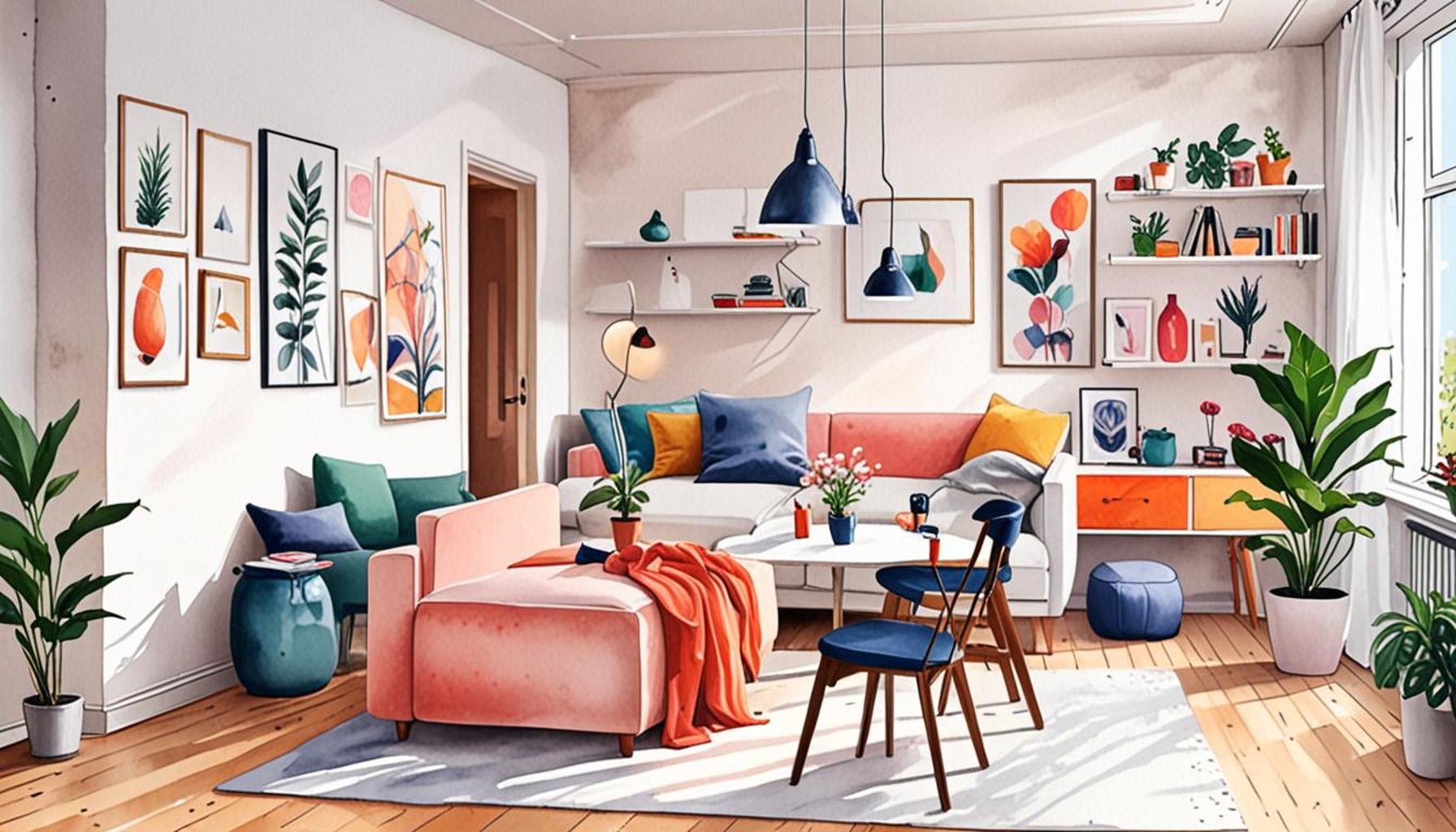
As urban living spaces become increasingly limited, the concept of minimalism emerges as a guiding principle for many seeking harmony in small apartments. By embracing minimalism, individuals not only curate their surroundings but also enhance their overall well-being. For those navigating the challenges of compact living, effective organization is essential in creating environments that are both functional and aesthetically pleasing.
Understanding how to maximize small spaces can lead to significant lifestyle improvements. Consider the following points:
- Decluttering: Removing unnecessary items creates a sense of openness.
- Smart Furniture: Choosing multi-purpose pieces can save space and improve functionality.
- Vertical Solutions: Utilizing walls for storage frees up floor space.
This article will explore the Top 5 tips for organizing your small apartment in a minimalistic way, guiding you toward a more peaceful and efficient living space. Dive in to discover how small adjustments can lead to significant transformations in your home and lifestyle!
Top 5: Creating Functional Spaces – Minimalist Organization Tips for Small Apartments
Living in a small apartment can feel like a juggling act. With limited square footage, every decision matters—from what furniture to acquire, to where everything gets placed. It’s easy to feel overwhelmed with little room to maneuver, but adopting minimalist organization strategies can transform your space into a functional haven. Minimalism is about simplification and maximizing utility, making it the perfect approach for small living. Let’s delve into the top five tips that will help you create a streamlined, effective environment that serves both aesthetic and practical purposes.
5. Optimize Vertical Space
In a confined setting, every bit of space is precious, including areas you may not initially consider. The solution? Think vertical. By utilizing the height of your apartment, you can keep your floor open and tidy.
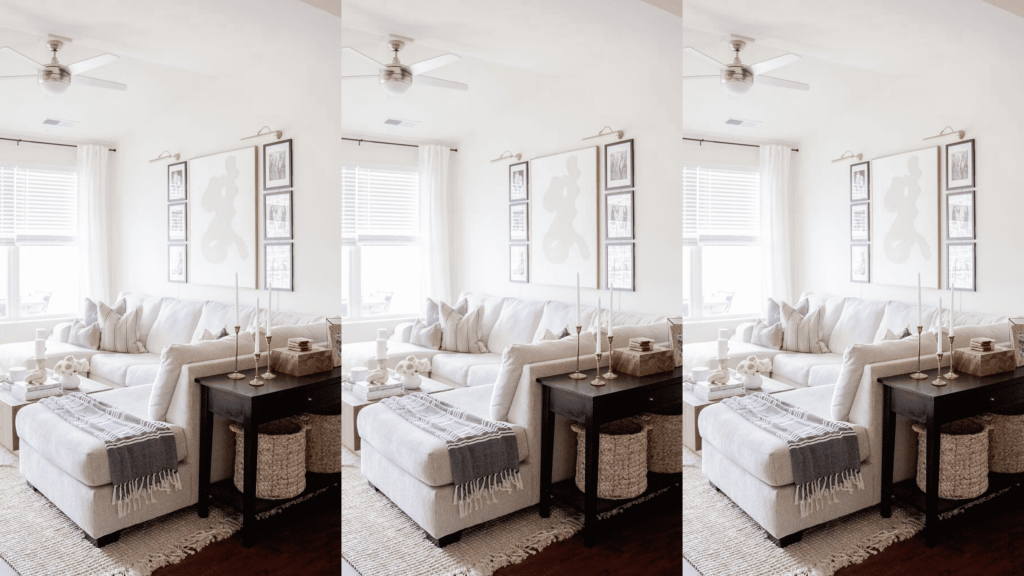
- Bookshelves: Tall bookcases that extend to the ceiling can not only store a plethora of books but also act as a display for plants, photos, and personal treasures.
- Wall-mounted Shelves: These shelves are extremely versatile, perfect for exhibiting art, storing everyday items, or even holding kitchenware such as plates and jars in a stylish manner.
- Hooks and Racks: Wall hooks aren’t just for coats—think outside the box with hooks for storing bags, hats, or even kitchen tools, keeping surfaces free of chaos.
Utilizing vertical spaces gives the illusion of a larger room and helps organize your possessions effectively without causing disorder.
4. Invest in Multi-functional Furniture
In a minimalist home, multi-functional furniture is not a luxury but a necessity. In spaces where each piece must earn its keep, these clever designs save space while adding depth to your living setup.
- Sofa Beds: A transformative choice that allows a single area to serve as both a living room and a guest room, all without the bulk of extra bedding that doesn’t fit.
- Storage Ottomans: These provide a comfortable seating option while hiding away less used items like blankets, seasonal clothing, or magazines, keeping your room orderly.
- Drop-leaf Tables: They offer dining space when needed and can shrink back to accommodate day-to-day life, making no day too mundane or any dinner too cramped.
Each piece not only saves vital space but also supports the minimalist ideal of owning only what adds value to everyday life.
3. Embrace Decluttering Regularly
The practice of minimalism finds its roots in the art of regular decluttering. Owning fewer things isn’t about restriction; it’s about ensuring everything you own serves a purpose or brings joy.
- The 30-Day Minimalism Game: Participate in this challenge by removing one item on the first day, two on the second, continuing this pattern daily. It encourages critical assessment of your belongings.
- Seasonal Review: Transitioning between seasons is an ideal time to evaluate what you own. Items untouched for longer periods often should be reconsidered.
- Sentimental Items: While nostalgic possessions are significant, evaluating their actual value to your well-being can help distinguish between what to keep and what to release.
Frequent decluttering is not just spatial liberation; it grants emotional clarity and creates mental room for productivity and relaxation.
2. Use a Cohesive Color Palette
The power of a cohesive color palette is understated yet enormously effective. A unified color scheme ties your apartment together, fostering a tranquil and contiguous living space.
- Neutral Base: Establish broad themes with neutral palettes—whites, beiges, greys allow light reflection, enhancing the perception of space.
- Accent Colors: Introduce personality through sparing yet strategic splashes of bold colors—think vibrant cushions, eclectic art pieces, or a singular statement wall.
- Matching Textiles: Unify your space through consistent textiles, coordinating curtains, and rugs to create a consistent theme.
Strategic color choices do more than beautify; they support the overarching aim for minimalism, maintaining simplification throughout your home.
1. Create Defined Zones
Even in small spaces, how you organize your belongings has a major impact on functional living. Creating defined zones is about optimizing each area, allowing every part of your home to serve a distinct purpose.
- Furniture Arrangement: Position seating and tables to naturally divide rooms. Your sofa can signal a living room boundary, even in a studio apartment.
- Rugs: Use area rugs to demarcate spaces—one under the dining table, another defining a cozy reading corner.
- Lighting: Task and ambient lights provide implicit boundaries, highlighting areas designated for work, rest, and gathering.
These zones bring clarity to your home, delineating spaces without physical walls and ensuring you enjoy a harmonious, functional lifestyle.
Embracing minimalism in your small apartment is about uncovering simplicity among limitations. Whether it’s through utilizing vertical space, investing in multipurpose furniture, or selecting a calming color palette, the principles of minimalist design promote a lifestyle that is not just about having less but about making room for more of the things that matter. By following these tips, small apartments can offer big possibilities—a testament to well-managed, thoughtful living.
This expanded article focuses not only on the practical aspects of minimalism in small living spaces but also on the emotional and psychological benefits of decluttering and organizing strategically. The tone remains engaging and neutral throughout, aiming to inform and inspire readers to explore minimalism further.
| Category | Key Features |
|---|---|
| Multi-Functional Furniture | Items that serve multiple purposes, such as sofa beds and storage ottomans, help maximize space while providing functionality. |
| Vertical Storage Solutions | Wall-mounted shelves and tall cabinets utilize upwards space, drawing the eye up and creating a sense of openness. |
| Minimalist Decor | Focusing on a few select decorative items can reduce visual clutter and make even the smallest apartments feel spacious and inviting. |
| Decluttering Techniques | Regularly assessing possessions and utilizing methods like the KonMari technique can lead to significant space-saving benefits and a simplified lifestyle. |
One of the most practical approaches to creating functional spaces in small apartments is through the implementation of multi-functional furniture. Not only does this type of furniture save space, it also enhances the usability of different areas within the home. For example, a coffee table that converts to a dining table or a bench that doubles as storage can provide essential functions without overwhelming the living area.Another essential technique for organizing small apartments is to incorporate vertical storage solutions into the design. Utilizing wall space effectively makes a significant impact on the overall perception of space. By installing floating shelves or tall cabinets, residents can keep items off the floor and create a less cramped atmosphere, contributing to a more relaxed living environment.The aesthetic aspect of a small apartment should not be overlooked. Minimalist decor plays a pivotal role in making smaller spaces appear larger. By deliberately selecting fewer decorative items, one can both simplify cleaning and promote a more intentional living space. This intentionality not only contributes to the visual appeal but also fosters a sense of calm.Lastly, incorporating decluttering techniques can transform how we interact with our belongings. Regularly evaluating our possessions and implementing systems like the KonMari technique can lead to more sustainable living habits. It encourages individuals to keep only those items that bring them true joy, ultimately leading to a simpler, more organized lifestyle in small apartments.
Frequently Asked Questions: Maximizing Small Spaces
How can I make the most of the limited space in my small apartment?
Maximizing a small apartment requires a strategic approach in both design and function. Consider dual-purpose furniture, such as a sofa bed or a table that transforms into a desk. Implementing vertical storage solutions can also be a game changer. Shelves that reach up to the ceiling or hanging organizers can help keep items off the floor, making the room feel more open. Additionally, decluttering and keeping only essential items can significantly enhance the sense of space.
What are some key principles of minimalist organization for small spaces?
Minimalist organization is about simplifying and prioritizing. Start by evaluating belongings and eliminate anything unnecessary. Assign each item a dedicated space and ensure easy access. Opt for clear, multi-functional storage options to maintain both aesthetics and practicality. A neutral color palette and natural lighting can also amplify the minimalist feel and enhance the perception of a larger area.
How can I maintain a minimalist lifestyle in a bustling urban environment?
To maintain minimalism amidst the chaos of city life, develop a habit of regularly assessing belongings. Streamline your possessions consistently by keeping a minimal amount of decor and clothing. Adopting a “one in, one out” policy can help limit the accumulation of items. Lastly, establish a routine for organizing and cleaning your space weekly to prevent clutter from building up unnoticed.
Are there specific color schemes that work best in small apartments?
Absolutely. Light and neutral colors are often recommended for small spaces as they help to create an illusion of spaciousness. Whites, beiges, soft grays, and pastel tones can make a room feel open and airy. Additionally, incorporating mirrors strategically can reflect these light colors and enhance the perception of a larger space even further. Avoid dark, heavy colors which may make spaces seem more confined.
What role does lighting play in organizing a small apartment?
Lighting is crucial in creating a functional and appealing small space. It can affect both mood and perception. Natural light should be maximized through unobstructed windows. If natural lighting is limited, use a combination of ambient, task, and accent lighting to create layers and depth. Adjustable fixtures or smart lighting systems allow for flexibility and can enhance the functionality of different areas within the apartment.
In Conclusion: Embracing Minimalism in Small Spaces
Maximizing the potential of small apartments through minimalist organization is not just a practical approach; it’s a lifestyle choice that can lead to profound changes in how we interact with our surroundings. Throughout this article, we have explored various techniques and strategies to transform limited spaces into functional and aesthetically pleasing environments.
Key Takeaways
- Prioritize Essentials: Begin by identifying and keeping only what is truly essential, promoting a clutter-free home.
- Smart Storage Solutions: Utilize creative storage ideas, such as multipurpose furniture, to maximize every corner of your apartment.
- Design with Purpose: Carefully select decor that serves a dual role, providing functionality while adding visual interest.
- Maintain Simplicity: Adopt a consistent color scheme and design elements that evoke calm and order.
- Habitual Organization: Develop consistent organizational habits to ensure your space remains tidy and efficient.
The benefits of adopting minimalist organization in small apartments extend beyond mere aesthetics. This approach encourages a shift in mindset, focusing on what truly matters, thus fostering emotional well-being and mental clarity. By integrating these elements into our daily lives, we not only create beautiful and functional spaces but also cultivate a sense of peace and simplicity.
In a world that often overwhelms us with options and possessions, embracing minimalism offers a refreshing perspective that empowers us to live more intentionally. As we continue to navigate our modern lifestyles, the principles of minimalism and organization will remain invaluable resources, inviting us to explore how much more we can accomplish with less. Ultimately, these strategies invite us to rethink our relationship with our living spaces, leaving us with a more profound appreciation for the harmony that can be achieved within our homes.