How Visual Design Can Transform Your Hobby into a Career
The Importance of Visual Design in Professional Growth
In today’s fast-paced digital world, visual design plays an essential role in elevating personal passions into successful careers. Whether you love photography, graphic arts, or crafting, the right design strategies can set you apart from the crowd. This transformation is not just about skill; it’s about understanding how to communicate your unique vision effectively. As a creative, your ability to present your work cohesively influences how it is perceived by audiences and potential clients alike.
Building a Distinct Brand Identity
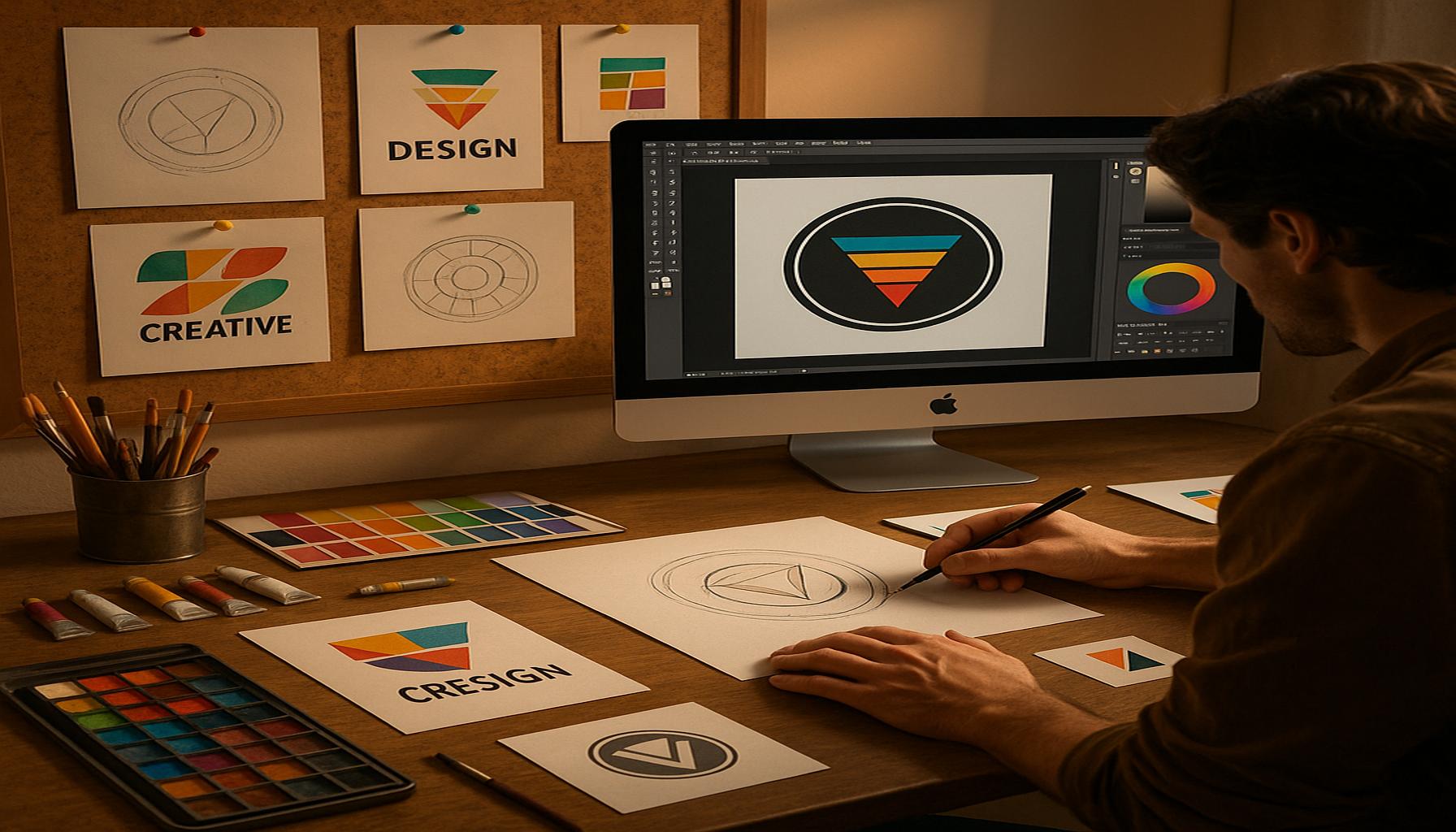
One of the most significant aspects of visual design is branding. A well-defined brand helps establish a recognizable identity for your work. For instance, think about major brands like Apple or Nike; their logos and color schemes evoke a sense of familiarity and trust. As an emerging artist or entrepreneur, you can apply similar principles by creating a consistent visual identity that resonates with your target audience. This can be achieved through various elements such as logo design, color palettes, and typography choices that reflect your personal style and mission.
Enhancing User Experience
User experience (UX) refers to how an audience interacts with your creations. A thoughtful approach to UX not only makes your work accessible but also enjoyable for your audience. For example, if you run an online store on Etsy, ensuring your website is easy to navigate will encourage potential buyers to explore your products further. By employing effective design strategies—such as intuitive layouts, engaging visuals, and clear calls-to-action—you can foster a positive experience that encourages repeat visits and increased engagement.
Maximizing Marketability
In a competitive marketplace, marketability is crucial in making your hobby appealing to a broader audience and potential clients. The rise of social media platforms like Instagram provides a unique avenue for sharing visual content and engaging with followers. Consistency in your posts, maintaining a signature style, and actively participating in community conversations can significantly boost your visibility. A well-curated social media feed can act as a digital portfolio, showcasing your best work and drawing attention from clients who may be interested in commissioning projects or purchasing your creations.
With the myriad of opportunities available today, understanding visual design principles is not merely advantageous; it’s essential for navigating your journey from hobbyist to professional. Knowing how to leverage design effectively can help you craft a professional image that captivates attention. Are you ready to explore how effective visual design strategies can propel your passion into a viable career? Delve into the innovative ways that good design can open doors and create opportunities in today’s competitive marketplace.
DISCOVER MORE: Click here for insights on improvisation
Visual Design as a Catalyst for Career Transformation
Visual design is more than just aesthetic appeal; it is a catalyst for transformation that can convert your beloved hobby into a gratifying career. The power of good design lies in its ability to convey messages and evoke emotions, connecting creatives with their potential audiences. If you are an artist, content creator, or someone with a unique skill to share, mastering the principles of visual design can unlock doors to professional opportunities you may have never imagined.
Communicating Your Passion
At the heart of visual design is the ability to communicate your passion effectively. Each graphic, photograph, or product you create is a visual representation of your ideas and personality. When you utilize design techniques such as balance, alignment, and contrast, you enhance your work’s clarity and impact. For instance, professional photographers often use editing software to enhance their images, making them not just visually appealing but also more engaging for potential clients and employers.
Moreover, when presenting your work portfolio, utilizing design frameworks to organize your art, layout, and projects can significantly alter how your audience perceives them. Think about the following strategies to improve communication through design:
- Choose a Unified Color Scheme: Consistency in colors can evoke specific emotions related to your brand, creating a memorable impression.
- Incorporate Typography Thoughtfully: The right font can elevate your message, imparting character and sophistication.
- Use Imagery Wisely: Quality images not only capture attention but also reaffirm your message visually.
Establishing Credibility
Credibility is paramount when transitioning from hobbyist to professional, and sound visual design can greatly enhance your reputation. A well-structured website or portfolio helps establish your expertise and can differentiate you from competitors. By using design principles, you can create an online space that showcases your work while providing potential clients with the confidence that they are investing in a talented creator.
Furthermore, high-quality visuals help project professionalism. For example, consider a graphic designer who takes the time to create an impressive online portfolio. The visual identity of their website can signify their capabilities and attention to detail, reassuring potential clients of their proficiency. This is crucial in a market where first impressions mean everything.
Embracing Feedback for Continuous Improvement
The journey of transforming your hobby into a career does not end at your first design—feedback is a valuable part of this growth process. Engaging with your audience and seeking constructive critiques can provide insights that enhance your skills. Use social media and online communities to share your work and solicit opinions. This not only builds connections but also improves your understanding of what resonates with others.
In essence, visual design serves as a powerful tool in your arsenal, enabling you to communicate, establish credibility, and continuously evolve as a creator. Through intentional design choices, you can effectively bridge the gap between your passion and your professional pursuits, paving the way for a successful career that thrives on creativity and innovation.
Certainly! Here’s the continuation of the article focusing on how visual design can turn hobbies into viable careers:—As the digital landscape continues to evolve, the demand for skilled visual designers is on the rise. Those who can effectively blend creativity with technology find themselves increasingly sought after across various industries. If you’ve ever dabbled in graphic design, photography, or any other visual art form, you likely possess a unique skill set that can be harnessed into a profitable career. Understanding the principles of visual design can lead to multiple career paths, from working in marketing agencies to becoming a freelance designer or even launching your own brand.One key aspect of visual design is its capacity for storytelling. Designers have the ability to convey complex messages through imagery, layouts, and color choices. This storytelling aspect is not only crucial for captivating an audience but also plays a significant role in brand identity and engagement. For instance, brands that employ cohesive visual strategies tend to build stronger connections with their customers, enhancing their overall market presence.Moreover, having a solid foundation in visual design not only enhances creativity but also improves problem-solving skills. Designers often face the challenge of meeting clients’ needs while maintaining aesthetic integrity. This requires a blend of artistic vision and analytical thinking, both of which are invaluable in today’s fast-paced job market. To shed light on the advantages of pursuing a career in visual design, here is a table summarizing key benefits you can gain:
| Advantage | Description |
|---|---|
| Increased Market Demand | Businesses increasingly rely on visual content, boosting hiring potential. |
| Diverse Career Opportunities | From freelance work to agency roles, numerous paths await skilled designers. |
By welcoming the essence of visual design into your personal ventures, you can illuminate your creative path and embark on a fulfilling career. Each project you undertake will contribute to building a robust portfolio—a critical asset for attracting clients and employers alike. With dedication, continual learning, and a passion for your craft, your hobby can swiftly transition from a leisurely pastime to a thriving career.—This section provides insights into how visual design can directly impact career opportunities and the importance of storytelling in design—all while following the provided guidelines!
DISCOVER MORE: Click here to uncover inspiring stories
Leveraging Visual Design to Build a Unique Brand
One of the most vital aspects of transforming your hobby into a career is the creation of a unique personal brand. Visual design plays a crucial role in making your brand memorable and creating a visual narrative that resonates with your audience. A strong brand identity encompasses everything from your logo to your website’s design, social media presence, and packaging, if applicable. All these elements work in harmony to communicate who you are and what you stand for.
Creating a Distinctive Logo
Your logo is often the first impression a potential client will have of your work. A well-designed logo encapsulates your style, values, and professionalism. For example, think of successful brands like Nike or Apple, where their logos have become iconic representations of their mission and products. To develop your own logo, consider collaborating with a graphic designer who understands your vision. Alternatively, online tools like Canva can help you experiment with design elements to create something genuinely reflective of your personal brand.
Building an Engaging Online Presence
In today’s digital age, an engaging online presence is indispensable for anyone looking to convert a hobby into a career. Visual design directly influences how your audience perceives you on various platforms. Social media platforms such as Instagram, Pinterest, and Facebook are highly visual spaces where eye-catching images can capture attention.
When you focus on creating a consistent aesthetic across your posts and profiles, you foster familiarity with your audience. This consistency can be achieved through:
- Consistent Imagery: Use similar styles or filters across your photos to ensure your feed feels cohesive.
- Brand Messaging: Pair high-quality visuals with messages that align with your personal mission, engaging your audience while accurately reflecting your values.
- Storytelling: Develop a visual story that communicates your journey—from hobbyist to professional—allowing your audience to connect on a deeper level with your work.
Utilizing Visual Design for Marketing
Effective marketing goes hand-in-hand with visual design. Whether you’re promoting a product, service, or event, impactful visuals can amplify your reach and engage customers. Marketing strategies that incorporate strong visual elements, such as promotional graphics, social media ads, or email newsletters, can convert leads into loyal customers. Studies show that visually appealing content is more likely to garner engagement, with posts that include images receiving 650% more engagement than text-only posts.
Additionally, consider the benefits of utilizing infographics. They are an excellent way to present information succinctly and attractively, which can be particularly beneficial if your hobby requires explaining complex concepts. By transforming intricate ideas into visually digestible pieces, you can establish authority in your niche while enhancing audience understanding.
By marrying your passion for your hobby with effective visual design, you not only enhance your creative output but also take significant steps toward establishing a thriving career. As you learn and implement design strategies, you will soon discover that your personal brand, online presence, and marketing efforts can attract the right audience while propelling you toward professional success.
DIVE DEEPER: Click here to discover the evolution of poetry
Conclusion: The Transformative Power of Visual Design
In today’s competitive landscape, visual design serves as a pivotal element in transforming your passion project or hobby into a viable career. As we have explored, harnessing the art of design allows you to craft a unique personal brand that stands out in a crowded market. The creation of a distinctive logo not only communicates your identity but also sets the tone for how potential clients perceive your work. This initial impression can significantly influence their decision to engage with you.
A strong, engaging online presence is equally essential. By utilizing effective visual strategies across platforms like Instagram, Pinterest, and Facebook, you can build familiarity and trust with your audience. Consistency in imagery and messaging fosters a connection that encourages ongoing engagement and loyalty.
Moreover, effective marketing, bolstered by visual design, enables you to reach a broader audience and convert leads into dedicated customers. Studies underscore the importance of visuals in enhancing engagement, demonstrating that compelling images can dramatically increase interactions compared to text-only content.
Ultimately, integrating visual design is about more than aesthetics; it’s about storytelling, credibility, and ultimately, career success. As you embark on this journey from hobbyist to professional, consider how every design element contributes to your larger narrative. Embrace the power of visual design, and you may find that your hobby not only flourishes but evolves into a fulfilling career that reflects your passion and creativity. With the right approach and dedication, your dream of turning a personal interest into a successful career is more achievable than ever.