Minimalism in the Family: Storage Strategies to Maintain Order with Children
Understanding the Need for Minimalism
In an era where consumerism reigns supreme, families often find themselves overwhelmed by an avalanche of possessions. Toys, clothes, books, and various items rapidly accumulate, leaving little room for what truly matters. Many Nigerian families experience this phenomenon, especially in urban areas where space is already at a premium. Navigating this clutter demands a deliberate shift towards minimalism, which can serve as a beacon of clarity in the midst of chaos.
What Minimalism Means for Families
Embracing minimalism does not equate to a barren lifestyle devoid of joy or personal expression. Rather, it focuses on the idea of cherishing and maintaining only those items that offer genuine value to family life. The goal is to foster a peaceful environment where families can thrive. To make the transition smoother, here are some key principles to consider:
- Intentionality: Each item should be chosen with purpose. When you bring something into your home, ask yourself how it enriches your family’s experience. For instance, if a toy brings joy and promotes learning, it earns its place. However, if a toy rarely garners attention, it may be time to reconsider its home.
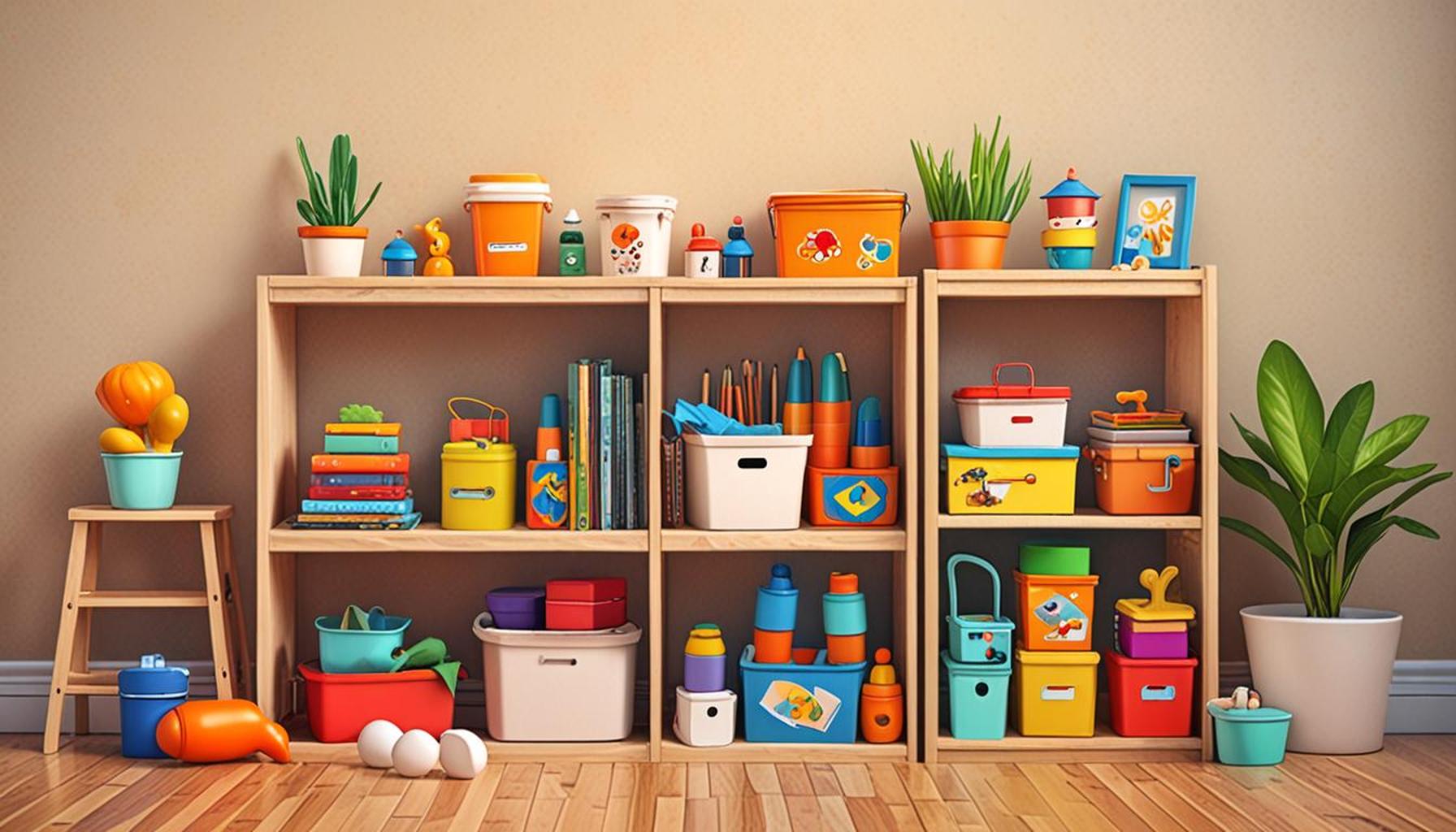
- Organization: Develop a system by creating designated spaces for each category of belongings. For example, having specific bins or shelves for books and toys can help children understand where things belong, promoting tidiness.
- Education: Involving children in the decluttering process offers a valuable lesson in responsibility and appreciation for their belongings. Teach them to evaluate which items they truly enjoy and guide them in letting go of those that no longer serve a purpose.
Practical Storage Strategies
In the context of Nigerian homes, where many families typically deal with limited space, implementing storage strategies becomes paramount. Innovative and efficient storage solutions can breathe new life into your living environment:
- Multi-functional furniture: Consider investing in furniture that serves more than one purpose. For example, a bed with storage drawers underneath can harbor out-of-season clothes or extra bedding.
- Vertical spaces: Utilize wall space creatively. Installing shelves or hanging baskets can declutter surfaces and make room for display or storage.
- Regular decluttering: Establish a routine—perhaps at the end of each term or before the new school year—to evaluate items and remove those that are no longer necessary.
The Impact of Minimalism on Family Dynamics
Adopting a minimalist approach is not solely about an organized space; it actively contributes to a serene atmosphere in which families can grow and flourish. By reducing clutter, families often experience less stress and a more manageable daily routine. A serene home environment encourages open communication, enhances creativity, and fosters a sense of togetherness.
In essence, taking simple yet meaningful steps toward minimalism can lead to lasting change in your Nigerian home. As you embark on this journey, you may find that less truly is more, creating a harmonious living space that nurtures both parents and children alike.
CHECK OUT: Click here to explore more
Practical Storage Strategies for Nigerian Families
As many Nigerian families grapple with the challenge of space and excess, implementing practical storage strategies becomes essential for fostering a minimalist environment. The aim is not only to clear physical clutter but also to create a lasting shift in how families view and manage their possessions. Here are some effective storage solutions tailored specifically for Nigerian homes:
- Under-bed storage: In a country where every square meter counts, utilizing the space under beds can be a game changer. Invest in storage containers that fit neatly beneath beds to house shoes, clothes, or even educational materials. This approach keeps items hidden yet easily accessible, allowing for a cleaner look in children’s rooms.
- Over-the-door organizers: Often overlooked, the backs of doors can become valuable real estate for storage. Over-the-door shoe racks or pocket organizers can help manage everything from shoes to toys, making them easy to see and reach. This solution is particularly useful for smaller homes where traditional closets may not suffice.
- Labeling systems: Encourage children to take ownership of their belongings by implementing a labeling system. Simple labels can be created for bins and boxes that indicate what goes where. Color coding can also add a fun element for children, making decluttering a more engaging task.
Creating Zones for Specific Activities
Zone organization is another fundamental aspect of maintaining order in homes bustling with children. By designating specific areas for various activities, families can minimize chaos during playtime, study sessions, and even meal prep. Here are practical ideas to create zones:
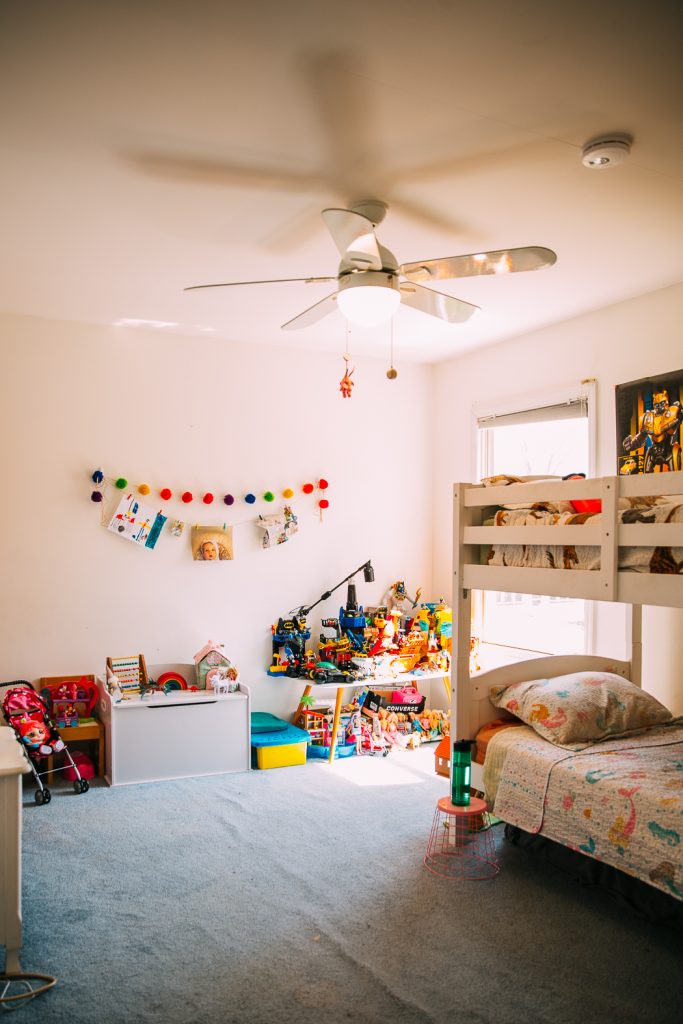
- Play zones: Set up a dedicated play area that contains all the toys and games. This encourages children to play within set boundaries and makes cleaning up afterward less daunting.
- Study zones: Establish a quiet corner for homework and reading, equipped with all necessary supplies, from books to stationery. This will help children associate a specific space with learning, enhancing their focus.
- Family zones: A communal space for family interactions, such as game nights or movie screenings, can bolster bonding. Keeping this area tidy ensures it remains inviting and functional.
By delineating specific zones and employing practical storage strategies, families can significantly simplify daily routines. The clutter that often hinders productivity can be minimized, allowing for more moments of connection and joy in everyday life. Additionally, these strategies encourage children to develop valuable skills related to organization and responsibility. As families embrace minimalism, they not only create a more orderly home but also instill values that help children thrive as they grow.
| Storage Strategies | Benefits |
|---|---|
| Decluttering Toys Regularly | Promotes a simpler play space, making it easier for children to engage with their toys. |
| Utilizing Vertical Storage | Maximizes floor space, providing a more open environment for kids to play. |
| Involving Children in Organization | Fosters a sense of responsibility and ownership in children about their belongings. |
| Regular Donation Drives | Encourages generosity while minimizing excessive clutter in the home. |
In the realm of minimalism, the key to maintaining order with children lies in adopting effective storage strategies. Regularly decluttering toys not only helps to achieve a more organized play area but also teaches children the value of appreciating what they have. Utilizing vertical storage systems, such as shelves and hooks, maximizes floor space and encourages children to explore their surroundings freely. Involving your children in the organization process not only nurtures their sense of responsibility but also encourages them to contribute actively to maintaining an orderly environment. Moreover, engaging in regular donation drives allows families to embrace the principle of sharing, thereby reducing clutter and imparting valuable lessons in generosity. Such approaches not only streamline household spaces but also cultivate a mindful and intentional lifestyle for families as a whole.
RECOMMENDED: Check out this similar article
Innovative Integration of Technology in Storage Solutions
In the digital age, technology can significantly enhance minimalist storage strategies for families. Nigerian families can take advantage of various technological tools to declutter their homes and streamline storage processes. Embracing these innovations not only maximizes physical space but also fosters an organized, efficient lifestyle.
- Digital documentation: Instead of holding onto piles of paper documents, consider transitioning to digital formats. Scan important documents, children’s artwork, or school projects, and store them in cloud-based storage services. This allows families to keep cherished items without physical clutter, while also ensuring that they are easily accessible.
- Smart home solutions: Several smart home devices can aid in maintaining order within the home. For instance, smart bins that can be programmed to remind children to dispose of waste or recycle can encourage responsibility. Additionally, smart storage solutions, like app-connected organizers that notify parents when items are out of place, can help uphold a minimalist standard.
- Online shopping and gifting solutions: Implementing a ‘one in, one out’ rule can actively support minimalism. For example, when a child receives a new toy, encourage them to donate an older one. Online platforms can simplify this process by making it easier to find and donate used items to local charities or to sell them on second-hand platforms, further emphasizing a clutter-free lifestyle.
Engaging Children in the Process of Minimalism
Involving children in the minimalism journey fosters a sense of responsibility and ownership. Teaching them how to manage their belongings effectively can reap lifelong benefits. Here are strategies to engage children in this process:
- Incorporating games: Children are naturally drawn to play, so transform decluttering into a game. Use timers to challenge their speed in sorting and organizing. You can even create a ‘spring-cleaning’ contest where they compete to see who can declutter their space the quickest. This not only makes the task fun but also instills a sense of accomplishment.
- Education about value: Aid children in understanding why minimalism matters. Discussions about sustainability, environmental impact, and emotional well-being can deepen their appreciation for decluttering. When children grasp the importance of keeping their surroundings organized, they are more inclined to participate willingly.
- Monthly review sessions: Designate a regular time each month to review and assess belongings as a family. Discuss what items are still loved or used, and decide together what can be let go. This collective effort reinforces family bonds and communicates that minimalism is a shared value.
By integrating technology and engaging children in the process, Nigerian families can effectively embrace minimalism. These innovative solutions not only simplify the physical spaces but also reinforce essential life skills in children, nurturing a generation that understands the benefits of living with less. As minimalism permeates family life, the lessons learned pave the way for a more sustainable and harmonious lifestyle.
SEE ALSO: Click here to read another article
Conclusion: Embracing Minimalism for a Harmonious Family Life
In a world where consumerism often overshadows simplicity, minimalism presents a refreshing avenue for families, especially in Nigeria, to cultivate order and foster deeper connections. By implementing effective storage strategies and engaging children in the decluttering process, families can not only streamline their physical spaces but also elevate their emotional well-being. The use of innovative technology, from digital documentation to smart home solutions, offers practical tools that enhance the minimalist approach, making organization both achievable and enjoyable.
Moreover, involving children in meaningful conversations about minimalism equips them with essential skills that extend beyond their upbringing. The lessons learned through monthly reviews and playful decluttering become stepping stones for responsible adulthood. The ‘one in, one out’ rule transforms the mindset around gifting and consumption, nurturing a generation that appreciates the value of having less while living more fully.
Ultimately, embracing minimalism in the family context is not merely about reducing clutter; it is about creating spaces that reflect intentionality and enrich daily life. As families adopt these strategies, they pave the way for deeper connections, enhanced responsibility, and a more sustainable lifestyle. By choosing to live with less, they can find the freedom to create lasting memories, all while cultivating an orderly environment that celebrates the essence of togetherness.