Music and Identity: How Musical Expression Reflects Our Life Experiences
Exploring the Depths of Music and Its Role in Shaping Identity
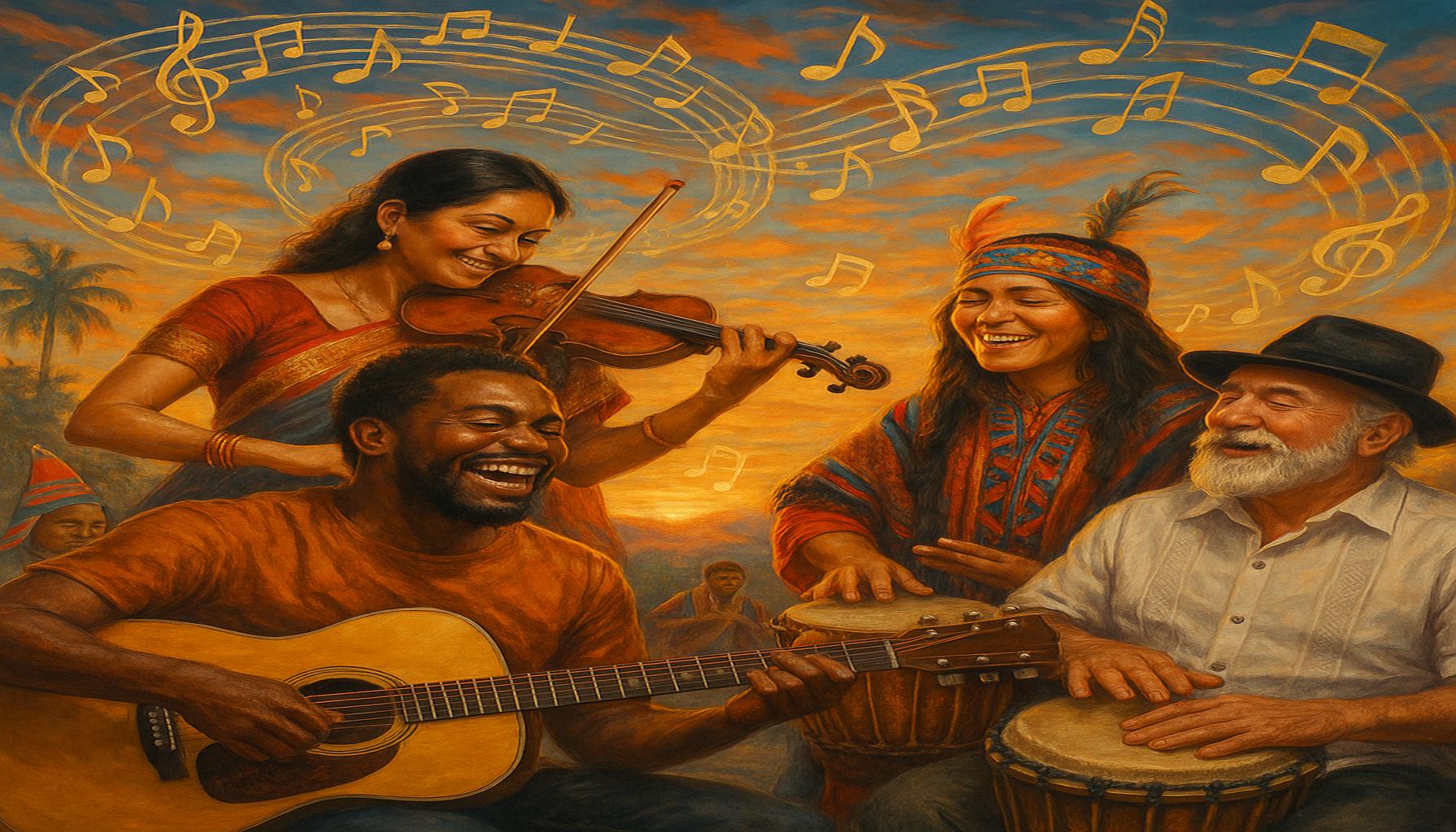
Music transcends mere entertainment; it transforms into a vital connector of our personal identities. Across different eras and cultures, music has acted as an echo of societal values, cultural traditions, and individual experiences. It encapsulates the essence of who we are, often intertwining with the fabric of our daily lives. To truly appreciate this phenomenon, we must delve deeper into several pivotal aspects that illustrate this relationship.
Cultural Heritage
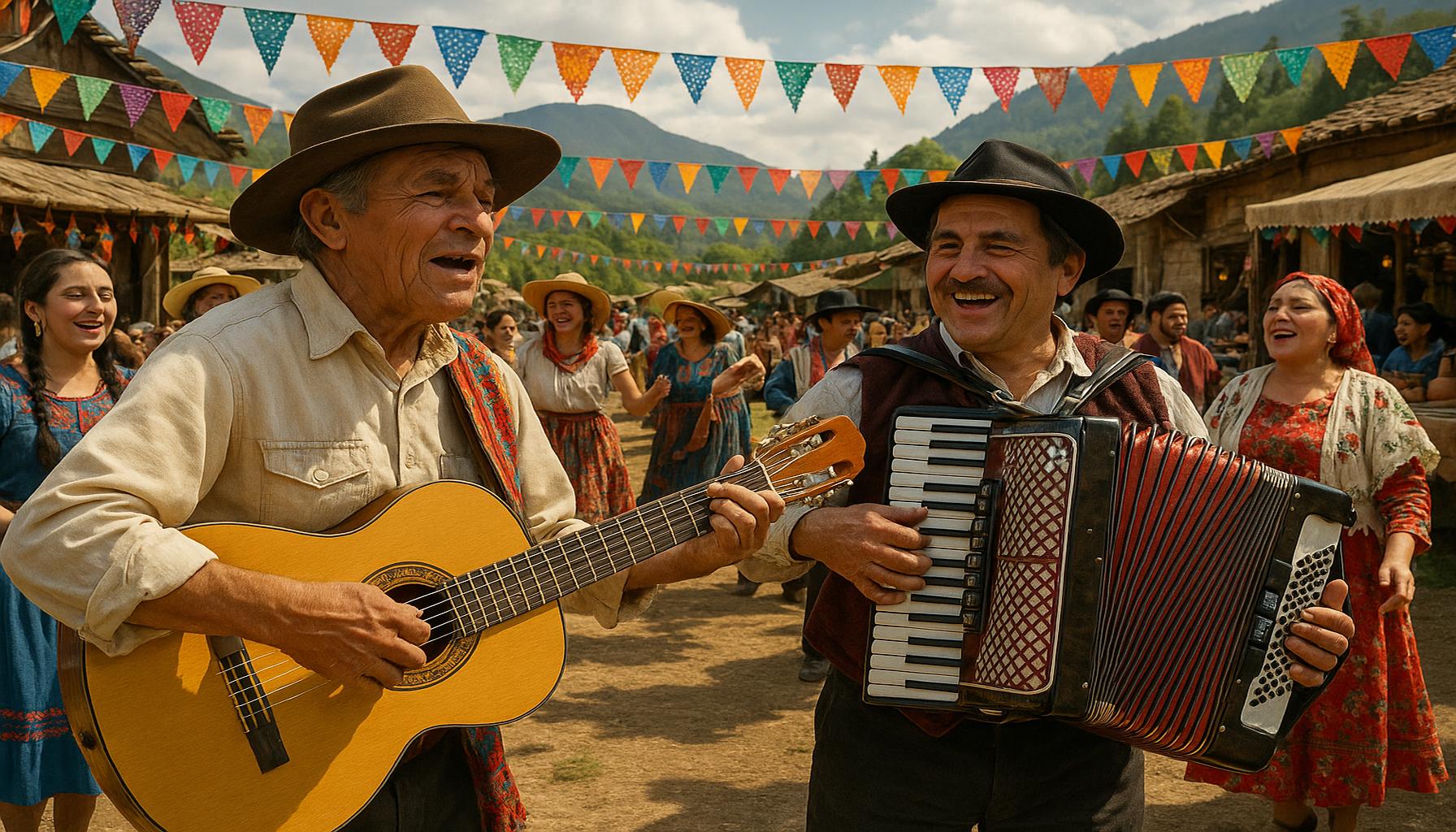
The rhythms and melodies originating from diverse cultures serve as a showcase of unique traditions and values. For instance, the powerful chants of Native American music reflect the communal narratives and spiritual beliefs of indigenous tribes. Similarly, the vibrant beats of Afro-Cuban music embody the rich history of syncretism, blending African roots with Spanish influences. Even genres like bluegrass and jazz have roots entrenched in African-American history, presenting stories of resilience, struggle, and celebration. Through these musical forms, listeners can sense a profound connection to different heritages, fostering a sense of pride and continuity.
Emotional Expression
One of the most compelling characteristics of music is its ability to encapsulate a vast range of human emotions. From exhilarating joy during a lively pop song to gut-wrenching sorrow in a melancholic ballad, music provides a platform for expressing feelings that often elude verbal articulation. The cathartic nature of music is palpable; for instance, many individuals turn to Taylor Swift’s poignant lyrics during times of heartbreak, finding solace in shared experiences. This emotional connection underscores music’s role as a therapeutic mechanism, enabling listeners to navigate their inner worlds more effectively.
Social Identity
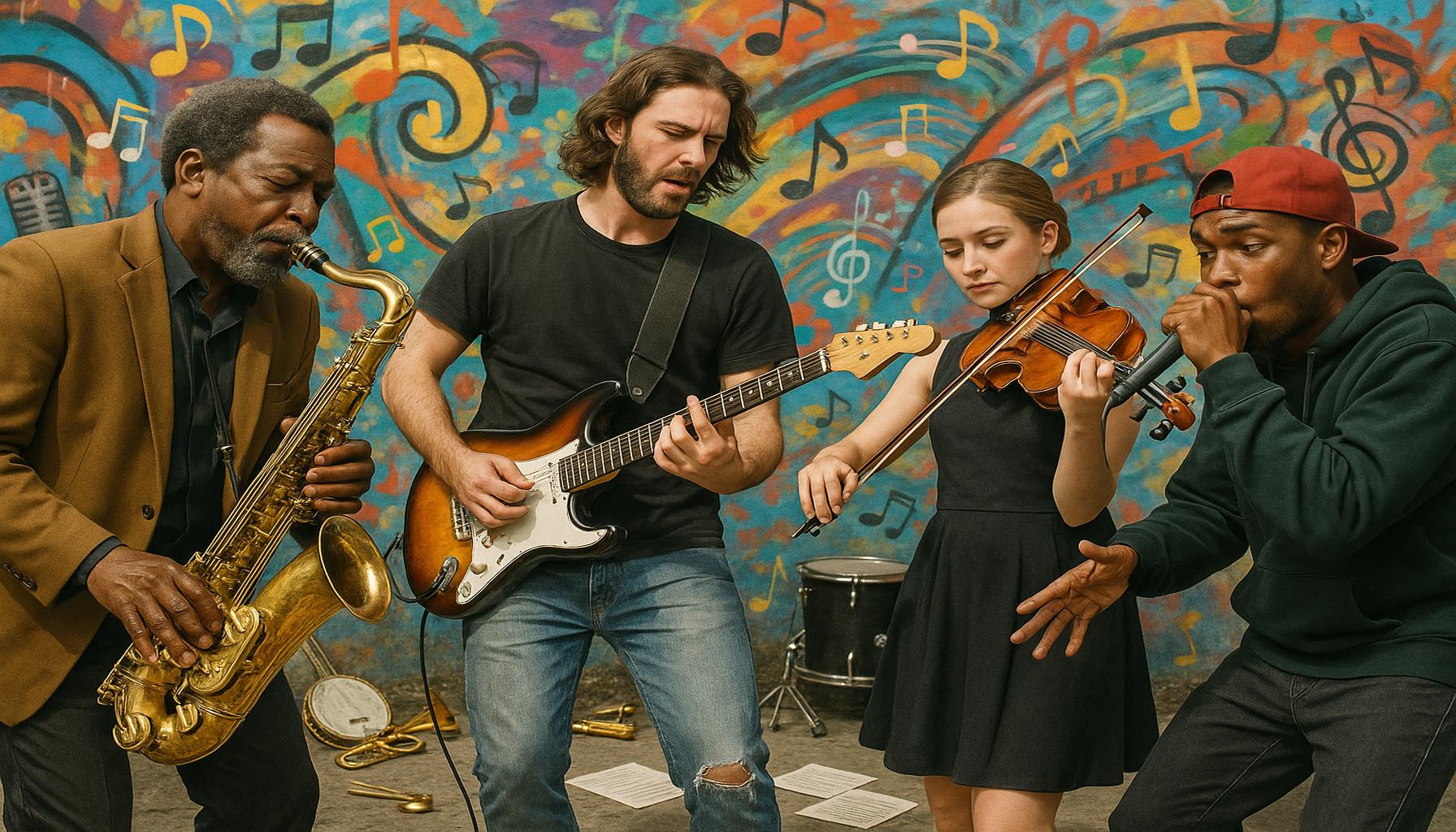
Music genres often serve as identifiers, creating an audible sense of belonging to specific communities. Genres like hip-hop have emerged not just as musical styles but as vehicles for cultural expression, representing the voices of marginalized groups and addressing significant social issues. In contrast, country music often evokes themes of home, family, and Americana, fostering camaraderie among its listeners. The festival scenes, such as Coachella or Lollapalooza, further illustrate this aspect as they create environments where like-minded individuals unite, celebrating shared passions and values.
As we journey through life, music becomes the soundtrack to our stories, shaping memories and dictating moods. Playlists often function as personal diaries, chronicling significant milestones and experiences:

- Celebrations resonate with upbeat anthems that energize the atmosphere, setting the tone for joyous gatherings.
- Heartbreaks can be soothed by the soul-stirring voices of artists like Adele, providing an emotional outlet and validation.
- Life milestones are often celebrated with nostalgic classics, connecting us to the past while marking our progression through time.
Ultimately, this exploration of music and identity highlights how musical expression not only mirrors our life experiences but also molds our collective culture. It functions as a bridge between generations, allowing us to share stories and cultivate understanding. Join us in uncovering compelling narratives and insights that expose the intricate bonds between rhythm, melody, and selfhood, encouraging a deeper appreciation for the role of music in our lives.
DIVE DEEPER: Click here to discover diverse craft techniques
The Resonance of Cultural Heritage in Musical Identity
To understand how music shapes identity, it’s essential to recognize its roots in cultural heritage. Each note and rhythm carries the weight of history, telling stories that connect individuals to their ancestral pasts. For example, the traditional folk songs of Irish immigrants in the United States not only reflect tales of longing and resilience but also provide a collective memory that bonds communities. As these songs are passed down through generations, they weave a rich tapestry of cultural identity, reinforcing connections to heritage while fostering pride in shared history.
The Traditional Soundscapes
In exploring the impact of music on identity, one cannot overlook the role of traditional soundscapes. Music genres such as bluegrass, jazz, and blues not only originated from the struggles of marginalized communities but also act as vessels for their experiences. The soulful melodies of the African-American spirituals emerged from a legacy of hardship and hope, resonating deeply with listeners, both past and present. These genres remain integral to America’s narrative, inviting audiences to reflect on social injustices and triumphs through their powerful rhythms and lyrics.
Emotional Landscapes and Musical Reflection
Moreover, music serves as a profound personal expression of emotional landscapes. The intricate relationship between music and emotion illustrates how artistic expression aligns with our lived experiences. For instance, during pivotal moments—such as graduations or weddings—specific songs become the soundtrack to our lives, encapsulating feelings of joy, nostalgia, or even melancholy. An individual’s playlist, often curated over time, acts as a personal timeline, illustrating life’s highs and lows, thus reinforcing personal identity through sound.
- Joyful occasions often feature upbeat tracks from genres like pop and dance, invigorating celebrations and uplifting spirits.
- Heartbreak and loss are echoed in soulful ballads, allowing listeners to process their emotions through shared narratives.
- Milestones such as birthdays and anniversaries are remembered with nostalgic songs that evoke memories and bond friends and family together.
Music’s ability to mirror life experiences extends beyond personal anecdotes, reaching into the communal sphere where shared musical expressions solidify group identities. For example, the punk rock movement not only provided an escape but also became a voice for rebellious youth, challenging societal norms and celebrating diversity. The unifying power of music within communities showcases how collective experiences can resonate deeply, transforming individual feelings of isolation into a sense of belonging.
As listeners, we find ourselves immersed in a world where music is more than entertainment; it shapes our identities and narrates our stories. The threads of cultural heritage, emotional expression, and community bonding intertwine, creating a complex relationship between music and identity that deserves exploration. Understanding these dynamics invites us to appreciate the multifaceted roles that music plays in our lives and culture.
Music and Identity: Exploring Personal Narratives
Music is a powerful medium through which individuals can articulate their life experiences and forge their identities. From childhood lullabies that soothe us to anthems that rally us during critical life moments, the sounds that shape our lives are deeply intertwined with our sense of self. For many, musical tastes often reflect cultural backgrounds and diverse experiences, acting as a canvas for personal expression.
Research shows that people’s musical preferences often align with their social identities, including ethnicity, age, and personal values. For instance, hip-hop has become a significant form of expression for marginalized communities, highlighting their struggles and triumphs through powerful lyrics. Meanwhile, classical music often conveys elegance and sophistication, echoing values associated with higher social status. These genres not only define personal taste but also reflect the societal narratives that shape individual identities.
Furthermore, the emotional impact of music cannot be understated. The soundtracks of our lives often evoke memories tied to specific events, reinforcing the connection between music and memory. For example, a particular song may remind someone of their first love or a moment of loss, making it a crucial part of their identity formation. As individuals share these stories, whether through personal anecdotes or public performances, they create a tapestry of shared experiences that unite communities and encapsulate diverse identities.
This dynamic interaction between music and identity not only allows individuals to express themselves but also prompts them to reflect on their journeys. As we explore the various ways music mirrors our life experiences, we uncover insights about our collective human experience, revealing how deeply musical expression shapes our identities.
| Category | Interpretation |
|---|---|
| Cultural Influence | Music reflects cultural backgrounds, shaping personal identity. |
| Emotional Connection | Songs evoke memories, enhancing the self-reflective process. |
Engaging with music thus becomes more than mere enjoyment; it transforms into a profound exploration of who we are and how we relate to others within our communities. The ongoing dialogue between our life experiences and musical expression invites us to delve deeper into the nuances of our identities. Exploring this connection can lead to a greater understanding of both individual and communal narratives, creating bridges where musical genres and identities converge.
DISCOVER MORE: Click here to dive deeper
Soundtracks of Personal Growth and Transformation
As individuals traverse the journey of life, music not only accompanies their experiences but profoundly impacts their development and identity formation. From discovering one’s self during adolescence to navigating complex transitions into adulthood, music serves as an auditory mirror reflecting the evolving self. For example, the emergence of identity among teenagers is often accompanied by a soundtrack tailored to their personal battles and victories. Genres such as hip-hop speak to empowerment and social issues, providing a voice to marginalized youth while inviting them to explore their identities in a creative and impactful manner.
Music as a Vehicle for Self-Discovery
Throughout life, various milestones lead to moments of self-discovery, and music frequently acts as the soundtrack for these transformative times. When individuals face challenges—be it the pressure of academic achievement or grappling with relationships—specific albums become lifelines that help articulate their struggles. The introspective lyrics of artists like Taylor Swift or the raw energy of bands such as Paramore can evoke strong feelings of recognition and validation, showing listeners that they are not alone in their experiences.
- Empowerment anthems like “Fight Song” by Rachel Platten become rallying cries for individuals seeking to reclaim their strength.
- Protest music, seen in the works of artists like Billie Eilish and Childish Gambino, resonates with young people, serving as a canvas for their frustrations and aspirations for social change.
- Reflective ballads guide individuals through heartbreak and allow listeners to feel understood in their most vulnerable moments.
Moreover, music extends beyond an individual journey; it creates spaces for collective healing and growth. Community events such as open mic nights and local music festivals become lively venues where artists and listeners share their narratives, fostering a sense of connection and inviting empathy among participants. Here, healing through shared musical experiences enables individuals to explore their identities collectively, emphasizing the profound role that music plays not just in personal evolution, but in shaping community ties.
The Influence of Globalization on Musical Identity
In today’s interconnected world, globalization has also transformed the musical identity landscape, blending diverse sounds and experiences in ways that transcend cultural boundaries. Genres such as reggaeton and K-pop demonstrate how cultural influences from around the globe reshape traditional music forms, creating hybrid identities that reflect a multitude of life experiences. Young Americans today often embrace a mosaic of sounds, from Latin rhythms to Asian pop, enriching their musical identity while challenging the conventional notions of genre and belonging.
This cultural fusion serves as more than mere entertainment; it invites individuals to embrace a broader worldview, challenging them to reconsider their place within a global society. As listeners explore new genres, they invariably engage with varied cultural narratives, expanding their understanding of themselves and others in the process. The conversation between local and global musical expressions illustrates how identity can be fluid, shaped by geography and personal interaction.
Ultimately, as we navigate the deep and often tumultuous waters of life, music continues to reflect our experiences and growth, crafting an intricate narrative of who we are and who we aspire to be. The connection among cultural heritage, emotional resonance, and transformational journeys underscores the essential role of music in identity—a realm where every note, lyric, and beat tells a story worth exploring further.
DISCOVER MORE: Click here to dive deeper
Conclusion: The Unbreakable Bond Between Music and Identity
As we have explored, the relationship between music and identity is profound and multifaceted. Music serves not just as a form of entertainment, but also as a potent vehicle for self-expression and exploration, resonating with our personal experiences and shaping our understanding of who we are. From the anthems of empowerment that uplift us during tough times to the reflective melodies that accompany feelings of heartbreak, the emotional spectrum of music mirrors our journeys through life.
In particular, the ways in which musical genres evolve and transform—often influenced by globalization—demonstrate how our identities are not static but continuously shaped by a blend of diverse experiences and cultural narratives. As we embrace sounds from around the globe, we create a more vibrant and inclusive musical identity that invites broader dialogues about belonging and cultural exchange.
This ever-evolving relationship highlights the necessity of engaging with music as a living art form, one that fosters individual growth and encourages collective healing within communities. Whether through a local music festival or an online platform, the shared experience of music creates a tapestry of stories that connect us, inviting us to listen, empathize, and reflect.
In conclusion, music is not simply a soundtrack to our lives— it is a powerful expression of our identity, reflecting our struggles, victories, and transformations. As we delve deeper into our musical journeys, we unveil the intricate layers that define who we are and how we relate to the world. Understanding this bond can lead us to a richer appreciation of both ourselves and the diverse communities we inhabit, compelling us to continue exploring the narratives woven through every note and lyric.