Music as Therapy: Benefits of Musical Expression for Mental Health

The Therapeutic Influence of Music on Mental Health
In a world where stress and anxiety often feel like constant companions, the exploration of practical mental health solutions has become vital. Among various therapeutic approaches, music therapy stands out as a powerful tool for enhancing emotional and psychological health. By tapping into the diverse realm of sound—from calming harmonies to motivating rhythms—individuals can experience notable improvements in their mental wellness.
Scientific research has substantiated the benefits of music in the realm of mental health, indicating several key advantages:
- Reduction of anxiety – Listening to serene melodies has been shown to lower heart rates and reduce cortisol levels, the hormone associated with stress. For instance, patients undergoing surgery often listen to soothing music in recovery to alleviate anxiety and pain.
- Boost in mood – Upbeat songs can trigger the release of dopamine, a neurotransmitter linked to feelings of pleasure. Many people report feeling uplifted after listening to their favorite tracks, demonstrating music’s ability to increase overall happiness and joy.
- Improved communication – For those on the autism spectrum or individuals facing social anxieties, music acts as a universal language. Therapeutic sessions often incorporate instruments and songwriting as tools for expression, helping participants convey feelings that are difficult to articulate verbally.
- Enhanced cognitive functions – Engaging with music can boost memory and learning capacity. Research shows that students who study while listening to classical music often retain information better than those who do not, indicating music’s influential role in education.
The practical applications of music therapy have expanded beyond traditional clinical environments. Hospitals, clinics, and community centers across the United States have begun implementing music therapy programs tailored to individual needs, ensuring a personalized therapeutic experience. For example, in pediatric hospitals, music therapists may use familiar songs to help young patients feel more at ease and express their emotions about health challenges.
Personal involvement with music can take many forms. Whether it’s through casual listening, playing an instrument, or even composing original songs, individuals are increasingly harnessing the therapeutic potential of music in their daily lives. Community initiatives, such as group drumming circles or sing-alongs, not only provide an outlet for self-expression but also foster a sense of belonging and connection among participants.
As we investigate further into the remarkable influence of music on mental health, it becomes clear that this art form does more than entertain; it serves as a vital link to personal healing and a tool for building social connections. With ongoing research and growing acceptance in various domains, music therapy is poised to play a transformative role in the landscape of mental wellness.
DISCOVER MORE: Click here to dive deeper
Exploring the Multidimensional Benefits of Music as Therapy
Music as therapy has garnered significant attention over the last few decades, recognized for its unique ability to foster mental health resilience and recovery. The integration of musical expression into therapeutic practices is not merely a contemporary trend but rather an age-old concept that resonates through cultures worldwide. From ancient rituals to modern clinical settings, the healing powers of music have been celebrated for their profound impact on the human psyche.
One of the primary reasons music therapy is so effective is its capacity to engage individuals on multiple levels—emotionally, cognitively, and socially. By utilizing rhythms, melodies, and harmonies, individuals can connect with their innermost feelings, often uncovering emotions that may be difficult to articulate through words. This emotional engagement facilitates not only personal expression but also self-reflection, leading to a deeper understanding of one’s mental health journey.
The Role of Neurobiology in Music Therapy
Understanding the neurobiological impact of music on the brain underscores its therapeutic potential. Neuroscientific studies reveal that music stimulates various brain regions associated with memory, emotion, and even motor control. For example, the release of oxytocin during musical interactions promotes feelings of bonding and trust, which can be especially beneficial for individuals in group therapy settings. Moreover, the rhythmic elements of music can help synchronize brain activity, improving emotional regulation and cognitive flexibility.
Another compelling aspect of music therapy is its versatility, accommodating various populations and settings. The following are some notable applications:
- Pediatric Populations – In children, particularly those facing chronic illnesses or developmental challenges, music therapy can ease feelings of isolation and fear. Songs and musical games can provide a sense of normalcy and comfort, enabling expression in non-verbal ways.
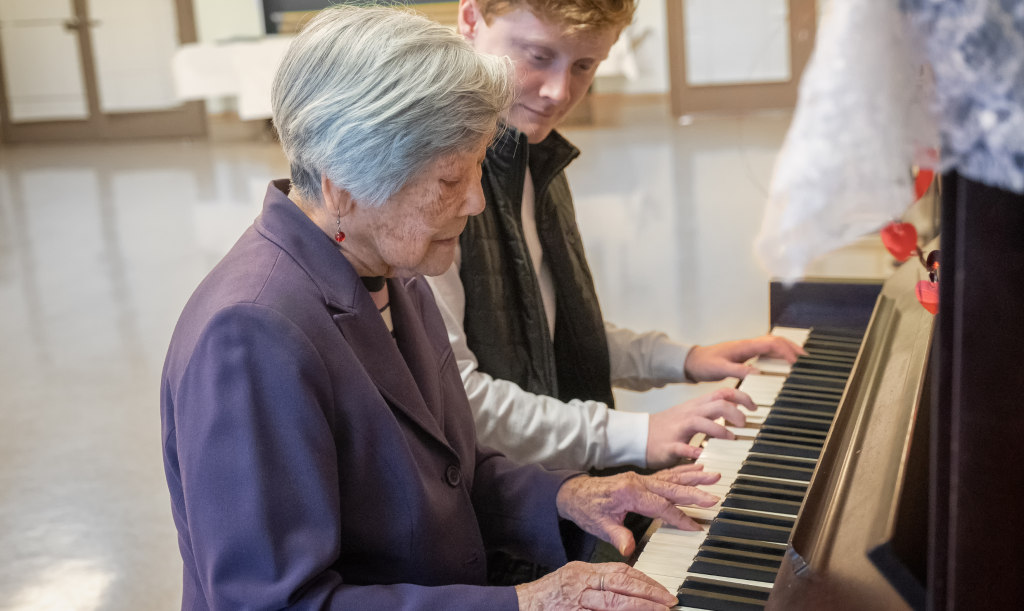
- Older Adults – For individuals with dementia or Alzheimer’s disease, music serves as a catalyst for memory retrieval and emotional connection. Familiar tunes often evoke memories and foster engagement, allowing caregivers to better connect and interact with these patients.
- Trauma Recovery – Music therapy is particularly effective in trauma recovery programs, helping individuals process their experiences and emotions in a safer and more manageable way. Creating or listening to music can facilitate healing and provide an essential outlet for pent-up feelings.
Furthermore, the increasing incorporation of music therapy in mental health clinics and rehabilitation centers across the United States highlights a growing recognition of its efficacy. Clinical trials have shown that patients participating in structured music therapy sessions experience reduced symptoms of anxiety and depression, paving the way for broader acceptance among healthcare professionals.
This multifaceted approach positions music not merely as a form of entertainment but as a profound therapeutic tool, emphasizing its critical role in promoting mental wellness. As we delve deeper into the practical implementations and success stories surrounding music therapy, it becomes increasingly evident that the harmonies we cherish hold the key to healing and self-discovery.
| Category | Benefits |
|---|---|
| Emotional Release | Music allows individuals to express complex emotions, alleviating stress and fostering psychological clarity. |
| Social Connection | Engagement in musical activities promotes bonding, facilitating social interaction and reducing feelings of isolation. |
Exploring the intersection between music and mental health reveals a compelling narrative on how sound can transcend the barriers of verbal communication. For many, the effects of musical expression serve as a vital outlet for emotional processing. Engaging with music—be it through listening, singing, or playing an instrument—can unlock feelings that clients might find difficult to articulate. Consider the applications of music therapy in clinical settings; patients battling anxiety, depression, or trauma often find solace in carefully curated playlists. These experiences not only provide a sense of peace but can also catalyze profound personal insights, fostering resilience and coping mechanisms. Furthermore, group musical sessions offer a unique blend of personal expression intertwined with community support. As individuals share their musical narratives, they build connections, reduce social anxieties, and strengthen their psychological well-being. As the field continues to expand, growing evidence supports the incorporation of music as a complementary treatment in mental health care, paving the way for innovative therapeutic approaches. Delving deeper into these practices offers valuable insights that can enhance therapeutic outcomes and foster holistic healing for those in need.
DISCOVER MORE: Click here to dive deeper
The Transformative Power of Music in Diverse Therapeutic Environments
As we continue to uncover the benefits of music therapy, it is essential to highlight how this powerful tool is utilized across various therapeutic environments to support mental health. Beyond just its clinical applications, music therapy is embraced in educational institutions, community organizations, and even corporate settings, demonstrating its wide-ranging influence.
Music Therapy in Educational Settings
In schools, music therapy is increasingly recognized as a resource for students dealing with emotional and behavioral challenges. Music provides an engaging outlet for students to express themselves, enhancing their emotional awareness and social skills. For instance, children with autism spectrum disorders may find it easier to communicate and connect with peers through music activities, helping to bridge gaps in social interactions. Programs like these often have a holistic approach, integrating music with other therapeutic techniques to effectively address various learning and developmental needs.
Community Programs and Workshops
Community-based music therapy programs have burgeoned across the United States, particularly in urban areas where access to traditional mental health services may be limited. Initiatives sponsored by non-profit organizations focus on at-risk populations, utilizing music to foster community cohesion and resilience. For example, weekly drumming circles or songwriting workshops offer individuals a chance to share their stories and connect with others, creating a sense of belonging that is vital for mental well-being. Participants frequently report an increase in self-esteem and improved coping mechanisms as a direct result of these group activities.
Corporate Wellness and Stress Reduction
Interestingly, the corporate world has also begun to recognize the importance of musical expression for employee mental health. Companies are increasingly incorporating music therapy sessions into their wellness programs, providing employees with opportunities to engage in creative outlets that promote relaxation and mental clarity. Studies show that participating in music-related activities at work can enhance employee morale, reduce stress levels, and foster a more collaborative workplace environment. This proactive approach not only benefits individual staff members but also contributes to overall organizational health.
Research and Evidence in Music Therapy
Research is continuously evolving around the effectiveness of music therapy. A significant meta-analysis published in the Journal of Music Therapy highlighted that individuals who participated in music therapy programs demonstrated greater improvements in measures of anxiety, depression, and overall quality of life compared to those who received conventional treatments alone. These findings validate the role of music therapy as an effective mental health intervention, further emphasizing its acceptance and integration into clinical practice.
Furthermore, a growing number of clinical trials are investigating the specific mechanisms behind music therapy’s effectiveness. These studies are assessing how different elements—such as tempo, genre, and active participation—can influence mental health outcomes. As more data become available, healthcare providers will be better equipped to tailor music therapy interventions to meet individual patient needs, ensuring that therapy is both engaging and impactful.
Ultimately, the integration of music into therapeutic processes is about more than just enjoyment; it is a deliberate strategy for healing and self-expression. As we explore the expanding horizon of music therapy, it is clear that this art form holds untapped potential for reshaping individual mental health experiences and community dynamics, inviting a deeper examination of how we interact with music in our lives.
DISCOVER MORE: Click here to learn about eco-friendly materials
Conclusion: Embracing the Healing Harmony of Music
As we delve deeper into the multifaceted role of music therapy, it becomes increasingly clear that musical expression serves as a vital resource for enhancing mental health across various settings. From schools to community initiatives and corporate wellness programs, music acts not only as a source of joy but also as a profound tool for healing and connection. The evidence gathered through rigorous research increasingly supports the notion that engaging with music can lead to significant improvements in anxiety, depression, and overall well-being.
Importantly, the power of music therapy extends beyond therapeutic environments; it permeates everyday life, presenting individuals with opportunities to foster emotional resilience and social bonds. Whether through a community drumming circle or collaborative songwriting sessions, these musical experiences can create a sense of belonging that is essential for mental health. Moreover, in the corporate sphere, integrating music into employee wellness initiatives is transforming workplace culture, highlighting the necessity of creative outlets for managing stress and enhancing productivity.
Looking ahead, the continual exploration of the ways music impacts the human psyche promises even more profound insights. As healthcare providers adopt more tailored approaches to music therapy, the potential for innovative interventions aimed at individual and collective mental health is limitless. Ultimately, embracing the healing harmony of music is not just about finding solace in sound; it is about recognizing music as an essential component of our journey toward emotional wellness and therapeutic growth. As we re-evaluate how we interact with music, we invite rich, new perspectives that can reshape our understanding of mental health and the vibrant human experience.