Sustainability in Handicrafts: Eco-Friendly Materials and Conscious Practices
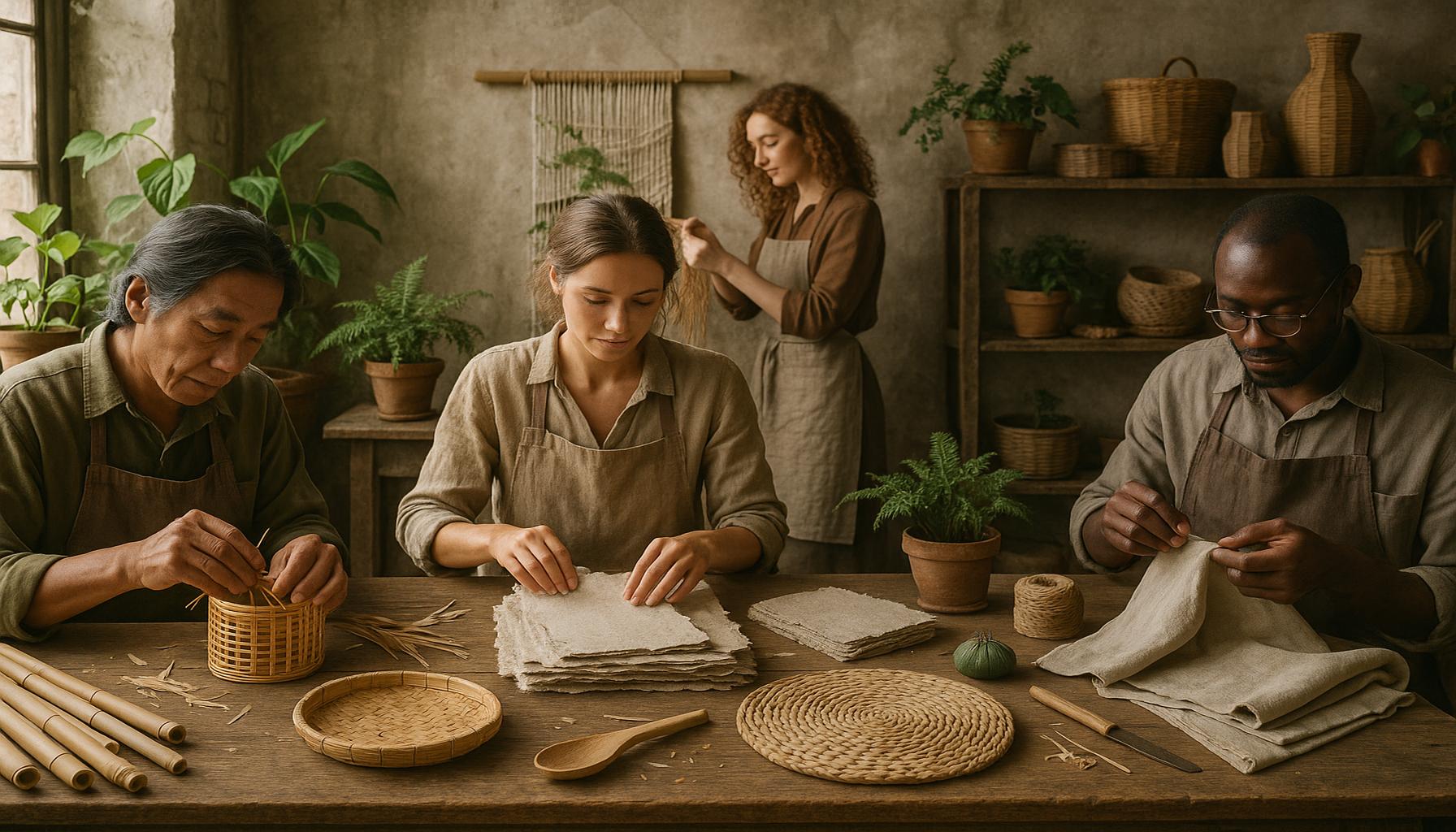
As environmental awareness escalates globally, various industries are exploring avenues to reduce their environmental impact, and the handicraft industry stands at the forefront of this movement. Artisans are not simply chasing a fleeting trend; they are embedding sustainability into the very fabric of their craft. The shift towards using eco-friendly materials and combining it with conscious practices represents a fundamental change in how artisans view their role in promoting environmental health.
The Importance of Eco-Friendly Materials
Artisans are increasingly opting for materials that lessen their ecological footprint while still allowing for creativity and artistic expression. Here are some notable examples:
- Bamboo: Known for its rapid growth and renewability, bamboo serves as a versatile material for everything from furniture to decorative items. Its biodegradability makes it an excellent alternative to conventional wood.
- Recycled fabrics: By transforming waste into striking creations, artisans are giving new life to discarded materials. This practice not only keeps textiles out of landfills but also brings forth unique, one-of-a-kind handicrafts.
- Organic cotton: Sourced from farms that prohibit the use of harmful pesticides and synthetic fertilizers, organic cotton supports environmental sustainability and promotes healthier agricultural practices.
Conscious Crafting Practices
Beyond materials, many artisans actively implement practices that further minimize their impact on the planet:
- Local sourcing: By purchasing materials from local vendors, artisans drastically cut transportation emissions, fostering community economic growth and reducing carbon footprints.
- Low-waste techniques: Techniques such as zero-waste pattern making ensure that every scrap of material is utilized, transforming potential waste into functional products.
- Community involvement: Many artisans engage with their communities to raise awareness about sustainability, teaching workshops that encourage others to adopt eco-friendly practices.
In the United States, there is a growing movement of consumers seeking out sustainable handicrafts, demonstrating a preference not only for unique products but also for those that align with their values. By choosing these eco-conscious options, consumers contribute to a harmonious future, supporting a circular economy where creativity compliments sustainability. The exploration of this dynamic world of eco-friendly craftsmanship is inviting, promising not only aesthetic appreciation but also a commitment to a greener planet. Each artisan’s journey reflects not only their artistic vision but also a collective dedication to safeguarding the environment for generations to come.
DISCOVER MORE: Click here to unlock new insights

Embracing Eco-Friendly Materials in Handicrafts
The transformation towards sustainability in handicrafts begins with the choice of materials. Artisans, fueled by a commitment to environmental stewardship, are increasingly embracing eco-friendly materials that align with their artistic ethos. This shift not only enhances the aesthetic appeal of their creations but also ensures that their work contributes positively to the environment. The dual focus on novelty and sustainability is creating a surge in the popularity of certain materials, generating awareness around their benefits.
Innovative Eco-Friendly Material Choices
Artisans utilize a variety of sustainable materials, each offering unique advantages that cater to both ecological concerns and the demand for originality. Here are a few standout materials that illustrate this exciting trend:
- Hemp: One of the oldest cultivated plants, hemp requires minimal water and no pesticides to grow. Its durable fibers are perfect for textiles, allowing artisans to create everything from bags to clothing that are both stylish and sustainable. Famous brands in the U.S. have begun incorporating hemp into their products, showcasing its versatility and endurance.
- Mushrooms: Particularly in the form of mycelium, mushrooms have emerged as a groundbreaking alternative to leather. This biodegradable material can be grown using agricultural waste, making it an excellent choice for eco-conscious consumers seeking innovative products. Designers such as Mylo, which produce leather-like materials from mushrooms, demonstrate how this sustainable alternative is gaining traction in the fashion industry.
- Salvaged wood: By repurposing old furniture or industrial scrap wood, artisans not only reduce deforestation but also add character to their work. Each piece tells a story, showcasing the inherent beauty of reclaimed materials while promoting sustainability. For example, reclaimed wood furniture has become a popular choice among environmentally-conscious consumers, as it allows for unique designs while minimizing environmental impact.
The Impact of Eco-Friendly Materials
The decision to use eco-friendly materials goes beyond mere aesthetics; it transforms the entire lifecycle of a product. Instead of following traditional, resource-intensive production methods, artisans implementing sustainable practices foster a responsible approach to crafting. By utilizing materials that are readily renewable or recycled, they can:
- Reduce waste production, minimizing items sent to landfills. For instance, artisans transforming discarded textiles into fashionable home decor items actively contribute to reducing textile waste.
- Lower greenhouse gas emissions associated with the manufacturing process. By favoring local sourcing and production methods, they also reduce transportation emissions, further decreasing their carbon footprint.
- Encourage sustainable agricultural practices, contributing to a healthier ecosystem. By supporting suppliers who utilize regenerative farming practices, artisans can help ensure that their materials do not contribute to environmental degradation.
As consumers in the United States increasingly gravitate towards handmade goods that honor both creativity and sustainability, artisans are becoming pivotal players in this ecological movement. Imagining a future where quality craftsmanship and environmental responsibility coexist is now within reach. The greater awareness of materials and their impacts not only encourages thoughtful consumption but also spurs an exciting dialogue around sustainable living, inspiring individuals and communities alike to consider the significance of their choices in everyday life.
In addition, the rise of online platforms, such as Etsy and local artisan markets, has played a crucial role in amplifying the reach of these environmentally-friendly products. Consumers have the opportunity to connect directly with makers, deepening their appreciation for the artistry and sustainability behind each piece. This connection not only supports local economies but also fosters a culture of sustainability that extends beyond the purchase of goods, as consumers increasingly seek to align their values with their buying habits.
| Category | Benefits |
|---|---|
| Natural Fibers | Using organic cotton, hemp, and linen reduces pesticide use and supports biodiversity. |
| Recycled Materials | Repurposing waste materials helps in decreasing landfill waste and promotes a circular economy. |
| Sustainable Sourcing | Utilizing locally sourced materials ensures lower carbon footprint and supports local artisans. |
| Eco-Friendly Dyes | Natural dyes reduce toxic waste and provide beautiful, long-lasting colors. |
| Conscious Production | Implementing ethical labor practices enhances community well-being and product authenticity. |
In the world of handicrafts, sustainability is not just a trend but a crucial pillar that supports the integrity of both artisans and the environment. By choosing natural fibers such as organic cotton and linen, artisans can create products that not only feel good but also respect the planet. The movement towards recycled materials signifies a shift in the paradigm, aiming to divert waste from landfills while promoting a culture of reuse and creativity. Moreover, sustainable sourcing practices are gaining traction, ensuring that materials are acquired responsibly and support local economies. Eco-friendly dyes are revolutionizing the way colors are applied, offering vibrant hues without the ecological toll associated with synthetic options. Ultimately, adopting conscious production values reflects a commitment to ethical craftsmanship that uplifts entire communities. Each of these practices plays a vital role in steering the handicraft industry towards a more sustainable future.
DISCOVER MORE: Click here to learn about the therapeutic power of writing
Conscious Practices: The Art of Sustainable Craftsmanship
In addition to utilizing eco-friendly materials, the movement towards sustainability in handicrafts is deeply rooted in conscious practices that shape how artisans create their work. These practices encompass every stage of the production process, from sourcing and crafting to marketing and distribution. By adopting more mindful approaches, artisans not only reduce their ecological footprint but also highlight a narrative of holistic sustainability that resonates with discerning consumers.
Ethical Sourcing and Local Communities
Artisans who prioritize sustainability often begin their journey by sourcing materials ethically. This means favoring suppliers who uphold fair trade principles and employ social responsibility within their communities. For example, many artisans tap into local resources, selecting regionally-sourced materials to reduce transportation impacts and support local economies. This practice not only empowers local communities but fosters relationships that lead to better standards of living and environmental action.
Moreover, initiatives such as the Fair Trade Federation encourage artisans to adopt sustainable practices while ensuring that workers receive equitable wages and labor conditions. This movement promotes a deeper understanding of the story behind each product, turning every crafted piece into a testament to collective responsible choices.
Waste Reduction Strategies
Another aspect of sustainable craftsmanship is the implementation of waste reduction strategies that align with the principles of a circular economy. The idea is to rethink waste as a resource. Artisans are increasingly finding inventive ways to recycle leftover materials or transform them into new products. For instance, fashion designers in the United States are creating garments from fabric scraps that would otherwise be discarded, showcasing that creativity knows no bounds even in the face of limited resources.
Moreover, events like upcycling workshops are gaining popularity, empowering individuals to repurpose old items instead of discarding them. This practice not only curtails waste but also promotes a culture of creativity and resourcefulness among consumers, allowing them to engage with sustainability on a personal level.
Minimal Packaging and Shipping Practices
As sustainability becomes a core principle in handicrafts, the focus extends to packaging and shipping practices. Craft artisans are often opting for minimalistic and biodegradable packaging solutions, avoiding plastic and opting for recycled materials that align with their eco-friendly ethos. For instance, brands are now utilizing compostable mailers and paper-based packaging, which significantly reduce plastic waste and impact on landfills.
Additionally, some artisans are implementing local pick-up options for consumers, reducing the need for shipping altogether. This not only lowers carbon emissions but also fosters a connection between makers and consumers, encouraging community support for local craftsmanship.
The Role of Education and Awareness
Finally, education plays a significant role in advancing sustainability within the handicrafts sector. Artisans, through workshops and online platforms, are sharing their practices and challenges, inspiring others to adopt similar responsibility-focused approaches. Platforms like Instagram and Pinterest see artisans sharing their processes, allowing a broader audience to appreciate not just the final products but the meticulous care that goes into crafting them sustainably.
By integrating education into their practices, artisans not just contribute to personal growth but plant the seeds of environmental consciousness in their customers, prompting them to rethink consumption habits. This holistic engagement creates a ripple effect, where the pursuit of sustainability evolves into a shared community goal, encouraging conscious living beyond the marketplace.
DISCOVER MORE: Click here to learn about the social connections formed through book clubs
Conclusion: Crafting a Sustainable Future
The journey towards sustainability in handicrafts is a multi-faceted one that intertwines eco-friendly materials with conscious practices. As artisans embrace ethical sourcing, often rooted in local communities, they not only reduce their environmental impact but also foster economic empowerment. By prioritizing fair trade principles and regional materials, they set a powerful example of how interconnected our choices can be.
Furthermore, waste reduction strategies and innovative recycling practices challenge traditional notions of resource management, transforming discarded materials into valuable new creations. This shift to a circular economy in the crafts sector invites consumers to view waste through a lens of opportunity and creativity. By participating in actions such as workshops focused on upcycling, individuals can become part of a larger movement that celebrates ingenuity while minimizing environmental harm.
In terms of logistics, the transition to minimalistic and biodegradable packaging reflects a growing awareness of the ecological consequences of our consumption habits. Artisans who adopt these methods are not only committed to reducing plastic waste but also forging a personal connection with consumers, encouraging community support and local engagement.
Ultimately, the emphasis on education and awareness serves as a catalyst for change in the handicraft industry. As artisans share their stories and practices, they inspire others to rethink their own consumption patterns and take meaningful steps towards sustainable living. In this way, sustainability in handicrafts transcends the markets, evolving into a communal endeavor that fosters a culture of mindfulness and responsibility. Embracing this ethos invites us all to contribute toward a more sustainable future, one artisan creation at a time.