The Evolution of Handicrafts: Traditions and Modern Trends
Understanding the Role of Handicrafts in Society
Handicrafts hold a unique place in the fabric of human culture, showcasing the interplay of tradition and innovation. Over time, these art forms have transcended mere utility, evolving into powerful expressions of identity and creativity. Understanding this evolution helps us appreciate both the rich heritage and the dynamic trends shaping modern handicrafts.
Historically, handicrafts were essential for daily life, serving crucial roles in various cultures, particularly in the United States. Key features of traditional handicrafts include a deep connection to local materials and techniques that reflect the environment and cultural backgrounds. For instance, the Native American tribes have long been celebrated for their intricate beadwork and pottery, which not only served functional purposes but also conveyed stories and spiritual significance.
- Material Use: Traditional crafts prominently feature natural resources like wood for furniture and home decor, clay for pottery, and various textiles for clothing and art. In the U.S., crafts such as Adirondack furniture or Appalachian quilts highlight the availability of local materials combined with unique artistic expressions.
- Techniques: Many methods have been skillfully passed down through generations, such as weaving, pottery, and woodworking. Techniques like basket weaving by the Shakers illustrate how craftsmanship is tightly interwoven with community and functionality.
- Purpose: Items crafted often serve practical functions, ranging from tools to clothing, demonstrating the artisans’ intimate relationship with their craft. In Alaska, traditional Inuit crafts blend utility with artistry, creating both tools and representations of their cultural heritage.
Today, modern trends are reshaping the landscape of handicrafts, making them relevant in the context of contemporary society. Notable trends include:
- Sustainable Practices: There is a significant shift towards eco-friendly materials and techniques. Artisans are now utilizing recycled materials and natural dyes to create products that are both beautiful and environmentally conscious, reflecting a global call for sustainability.
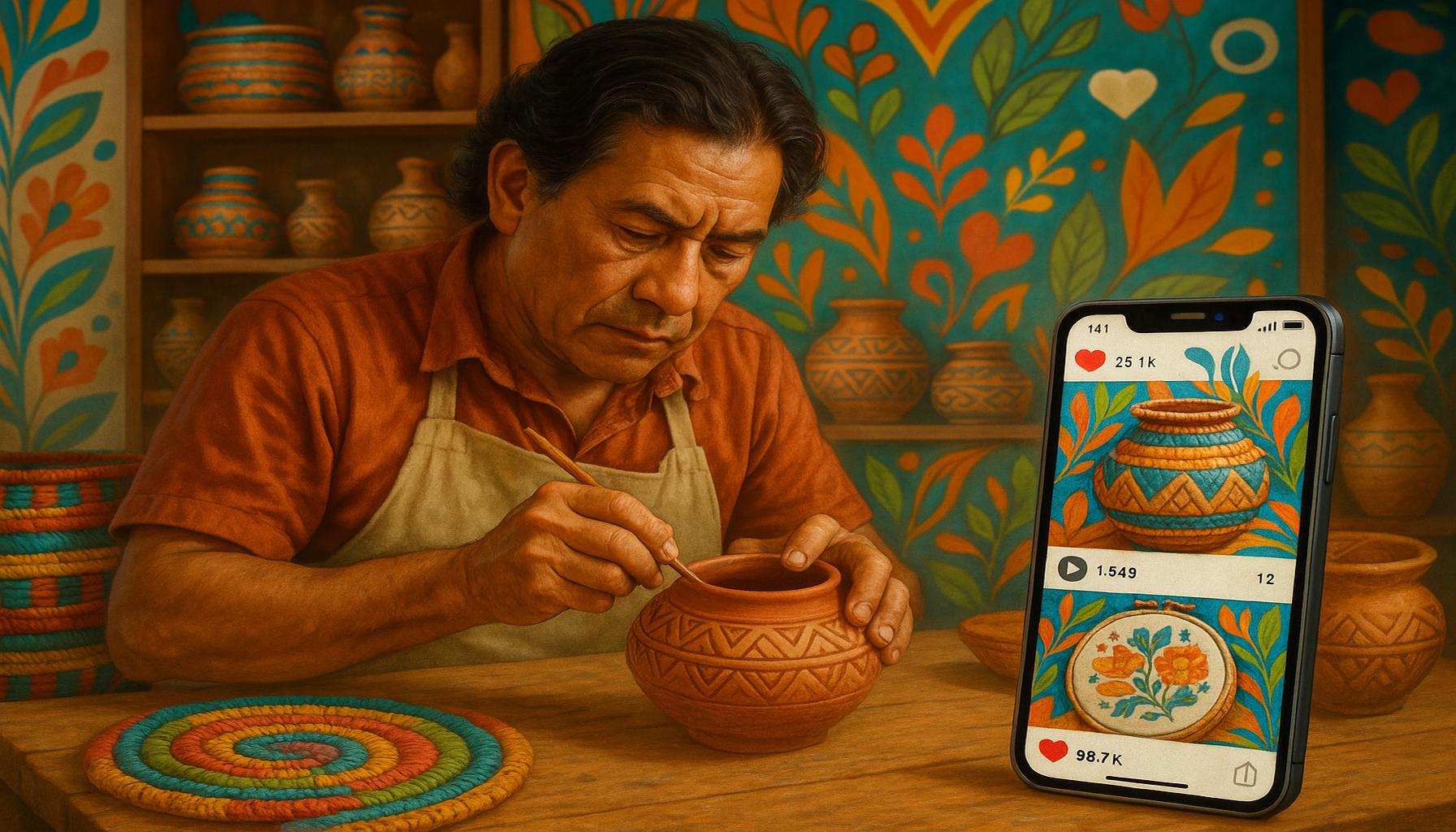
- Digital Influence: Social media platforms have transformed how artisans market their crafts and build communities. Platforms like Instagram and Etsy enable creators to showcase their work to a wider audience, fostering connections and providing platforms for sales.
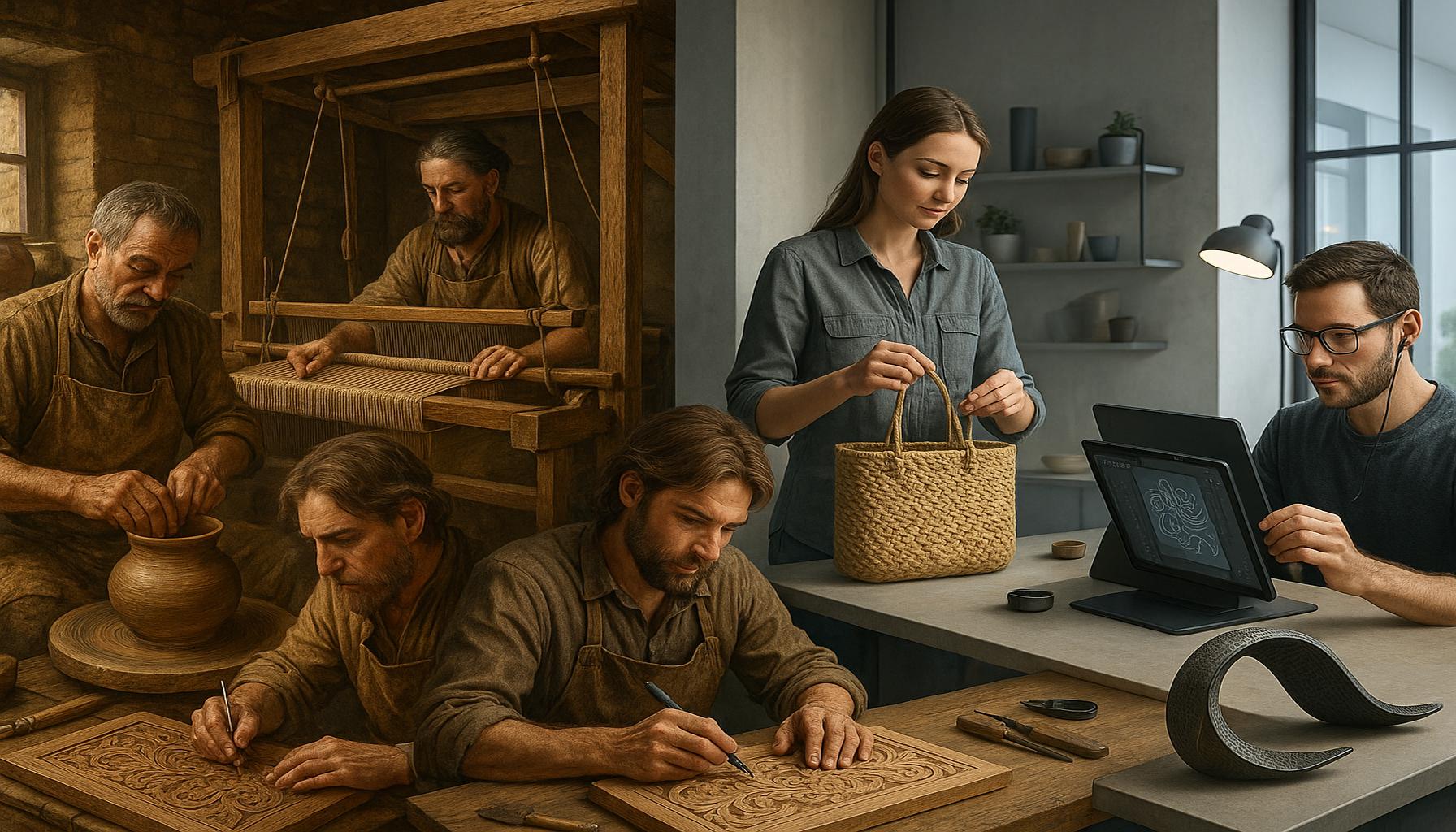
- Fusion of Styles: Many contemporary artisans are blending traditional methods with modern aesthetics, creating hybrid styles that appeal to both nostalgic consumers and those seeking innovation. This has resulted in a resurgence of interest in handcrafted items, from functional pieces to gallery-quality art.
This exploration into the fascinating journey of handicrafts reveals not only their historical significance but also their adaptability in a rapidly changing world. As we navigate through different eras of creativity, readers are invited to reflect on the enduring significance of crafts in our lives and their lasting impact on culture. Handicrafts are not merely relics of the past; they are living forms of expression that continue to evolve, representing our shared humanity.
DISCOVER MORE: Click here to uncover inspiring stories
From Craft to Art: The Historical Significance of Handicrafts
Handicrafts have long served as more than just functional items; they represent the soul of cultures around the world. In the United States, traditional handicrafts reflect the diverse histories of its people, shaped by indigenous practices and the influences of immigrant communities. The deep-rooted connection between artisans and their crafts is evident in the textures, patterns, and stories woven into each piece, allowing us to appreciate their significance beyond mere aesthetics.
Traditionally, the craftsmanship found in American homes has been an integral aspect of community life. Crafts such as Native American pottery or the loom-woven textiles from the Appalachian region each tell a unique story, showcasing specific techniques developed over centuries. Artisans used materials drawn from their surroundings, exemplifying a resourcefulness deeply embedded in their cultural identity.
- Regional Styles: Each area of the United States has cultivated its distinctive handicraft traditions. For example, Southwestern pottery, known for its intricate designs and vibrant colors, often depicts natural elements and holds spiritual significance, connecting artisans to their ancestral roots.
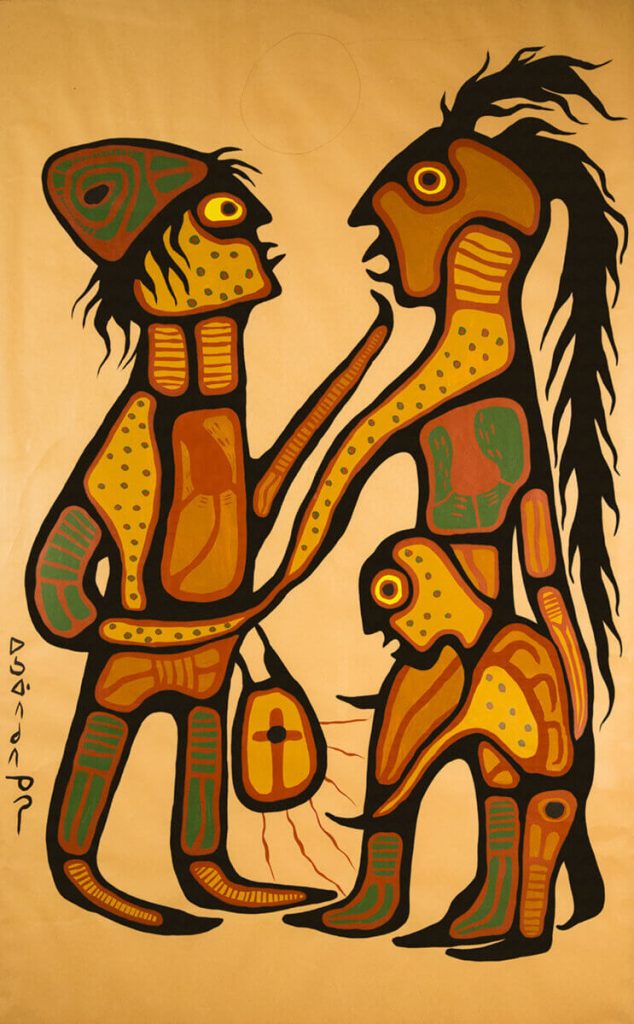
- Cultural Ceremonies: Handicrafts have also played vital roles in cultural celebrations, such as the vibrant crafts produced during the powwows of Indigenous tribes, which symbolize unity and tradition through dance regalia and decorative items.
- Functional Art: Many traditional crafts served practical purposes. The Shaker community is renowned for its simple, functional furniture, which illustrates the principle of ‘form follows function’ and emphasizes a minimalist aesthetic that remains popular today.
As the country evolved, so too did the trends associated with handicrafts. Following the Industrial Revolution, a notable transition occurred, shifting the focus from handmade to mass-produced goods. This led to a decline in traditional crafts, as cheap factory-made items flooded the market, making them accessible to a broader audience. However, this mass production inadvertently sparked a revival of interest in handicrafts, leading to the modern movement we see today.
In recent years, a notable resurgence of interest in handmade goods has emerged, rooted in a desire for authenticity and sustainability in a consumer-driven society. The rise of the Maker Movement emphasizes the value of skilled artisanship, prompting a new generation to reconnect with traditional techniques while exploring innovative practices. Many of today’s artisans take pride in creating products that honor the old ways while appealing to contemporary tastes.
This evolution is fuelled in part by the digital landscape, where artisans can showcase their work through social media and e-commerce platforms. This newfound visibility has not only revived interest in traditional crafts but has also provided opportunities for emerging artisans to establish their own voices, blending cultural heritage with modern sensibilities.
As we delve deeper into the transformations and trends in handicrafts, we invite readers to reflect on the legacy of artistry in our lives. This journey will highlight the enduring nature of these crafts and their ability to adapt within a fast-paced world, ensuring they continue to resonate with future generations.
The Return of Handicrafts: A Blend of Tradition and Innovation
The world of arts and crafts is experiencing a significant revival as more individuals embrace handmade creations that reflect personal stories and cultures. This resurgence can be attributed to growing interest in sustainability, where consumers are increasingly seeking out products that are ethically made and environmentally friendly. Furthermore, as digital technology proliferates, artisans have creatively incorporated modern techniques and tools to elevate their craft, ensuring that traditional practices are not lost but rather enhanced.
| Category | Description |
|---|---|
| Preservation of Traditions | Handicrafts serve as a medium to connect generations, preserving skills and stories that are fundamental to cultural heritage. |
| Emphasis on Sustainability | Modern trends encourage using eco-friendly materials and practices, appealing to socially conscious consumers. |
The fusion of traditional techniques with modern designs not only attracts a wider audience but also creates a unique market that celebrates both the art of craftsmanship and artistic innovation. This approach encourages skills development among artisans, often leading them to explore new markets and opportunities. The contemporary handicraft movement is also noted for its ability to adopt technology, such as online platforms for marketing, allowing artisans to reach global customers directly.
DISCOVER MORE: Click here to explore new literary trends
Reviving Heritage: The Intersection of Tradition and Innovation
As we navigate through the timeline of handicrafts, it becomes evident that the revival of traditional practices has not only served practical purposes but has also provided a canvas for artisans to merge history with contemporary artistry. Today, craftsmen and women across the United States are redefining the narrative of handicrafts by recalibrating age-old techniques to meet modern demands while telling compelling stories from their cultural heritage.
One striking aspect of this renaissance is the emergence of eco-friendly practices among artisans. Concern for the environment has led many to prioritize sustainable materials and processes, making environmentally conscious handicrafts a growing trend. For instance, textile artists are increasingly using natural dyes and organic fabrics to create stunning garments and home decor items that resonate with consumers looking for ethical alternatives to fast fashion.
- Upcycled Artistry: The practice of using discarded materials in new creations is gaining traction. Craftswomen and craftsmen are transforming everything from reclaimed wood to old textiles into eye-catching household items and jewelry. This not only promotes sustainability but turns waste into works of art, achieving a balance between creativity and environmental responsibility.
- Cross-Cultural Collaborations: Artisan communities are increasingly collaborating to create unique pieces that reflect a blend of cultural influences. For example, contemporary basket weavers might integrate traditional techniques from Native American crafts with modern aesthetics, showcasing the ability of handicrafts to evolve while still respecting their origins.
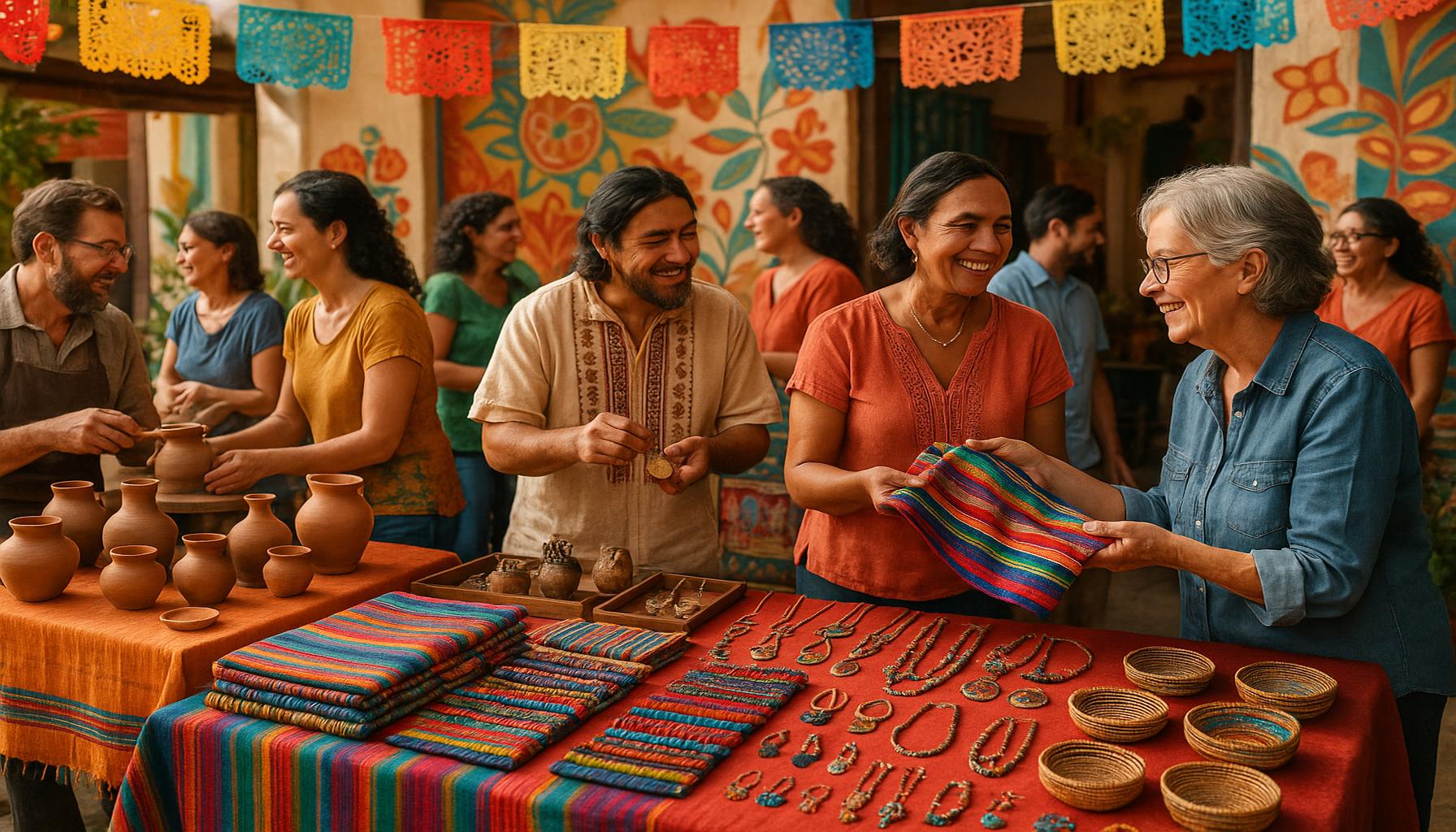
- Localized Artisanship: Support for local economies and craftsmanship has spurred an increase in artisan markets and festivals across the U.S. These initiatives allow consumers to engage directly with creators, fostering a sense of community and appreciation for the stories behind each handmade item. Events such as the Renegade Craft Fair and local farmers’ markets have become vibrant platforms for artisans to showcase their skills and cultural narratives.
Moreover, the digital age has revolutionized how artisans market their products. Social media platforms like Instagram and Pinterest serve not only as galleries for showcasing work but also as interactive spaces where artisans can build communities, share techniques, and inspire one another. Hashtags such as #HandmadeInAmerica and #ArtisanMade have garnered attention, fueling a movement that champions craftsmanship and creativity.
The incorporation of technology extends beyond social media, as digital fabrication methods like 3D printing and laser cutting are making their way into the toolkit of modern artisans. This blending of traditional techniques with innovative technology allows for precision and customization that was previously unattainable. Crafting circles are now experimenting with these technologies to create contemporary interpretations of traditional forms, enhancing their practical application while pushing the boundaries of artistic expression.
From pottery to textiles, the evolution of handicrafts across the United States not only highlights the rich tapestry of cultural heritage but also points to an exciting future. As artisans embrace both tradition and innovation, they invite us all to appreciate the craftsmanship and stories that lie within each piece, fostering a renewed interest in the tactile and personal relationships we share with our possessions.
DISCOVER MORE: Click here to dive deeper
Conclusion: Bridging the Gap Between Past and Present
As we reflect on the evolution of handicrafts, it becomes clear that these artifacts are more than just handmade goods; they are vessels of culture and continuity that adapt to the ever-changing fabric of society. The resurgence of interest in traditional crafts has led to an exciting juxtaposition of heritage practices and modern trends, resulting in a dynamic landscape where artisans thrive. The responsible approach to materials through upcycling and eco-friendly initiatives displays a collective commitment to sustainability, weaving environmentally conscious handicrafts into the narrative of contemporary artistry.
The integration of technology further amplifies this narrative, transforming how artisans create and connect with their audience. Social media not only democratizes exposure but also fosters a vibrant community around shared values of craftsmanship and creativity. The growth of artisan markets ensures that local histories and practices are celebrated, promoting a symbiotic relationship between consumers and makers. Through these channels, artisans are not merely crafters; they are storytellers, innovators, and crucial players in nurturing cultural identities.
Thus, the future of handicrafts is poised at an exciting crossroads where the past and the present converge. As we embrace both tradition and innovation, we are reminded to value the stories embedded in each handmade item. This ever-evolving craft landscape beckons us to explore, appreciate, and support the artisans whose work reflects the richness of our shared heritage while paving the way towards sustainable and meaningful consumption.