The Evolution of Poetry: How New Media Are Transforming Literature
The Transformation of Poetry in the Digital Age
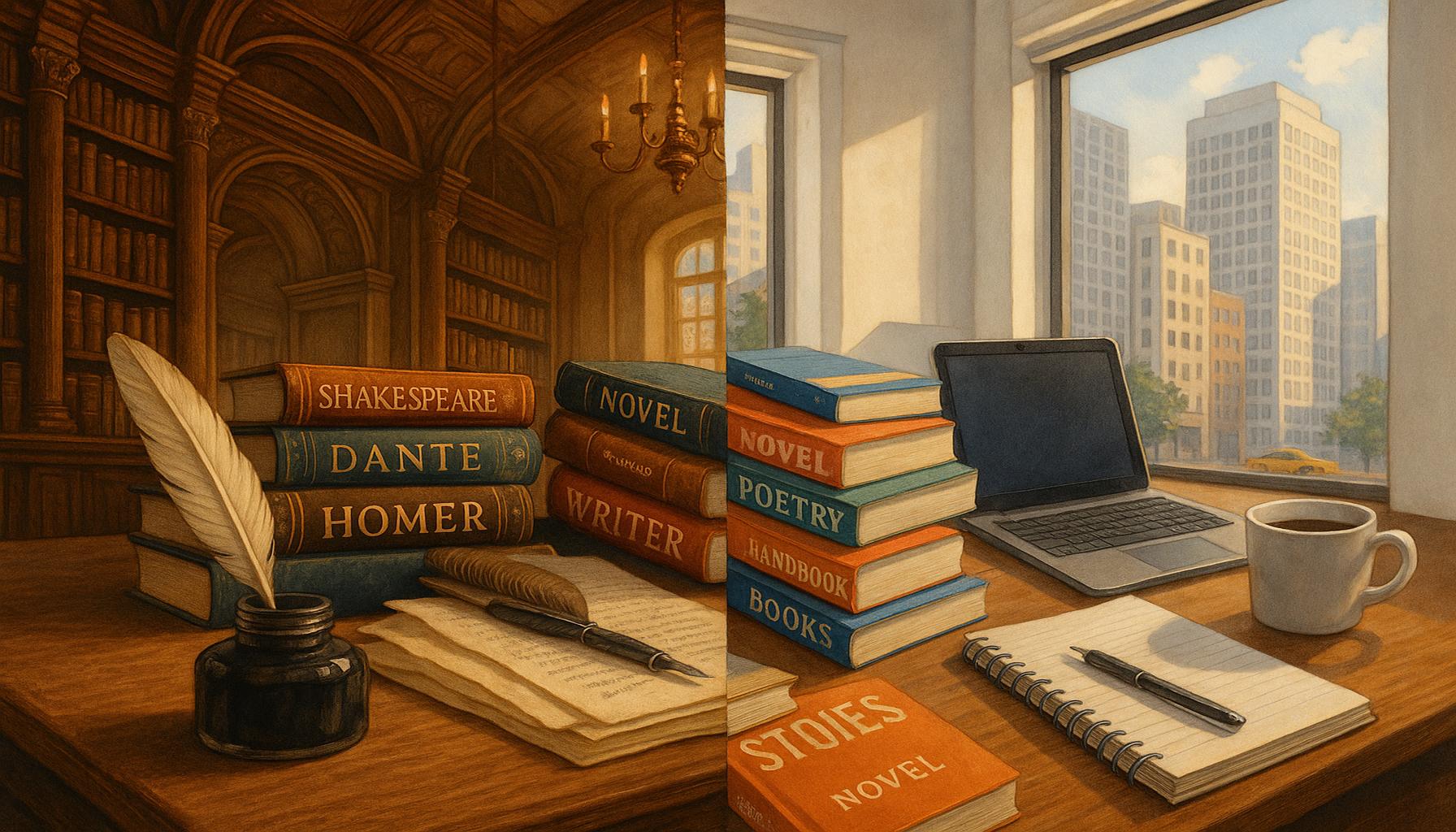
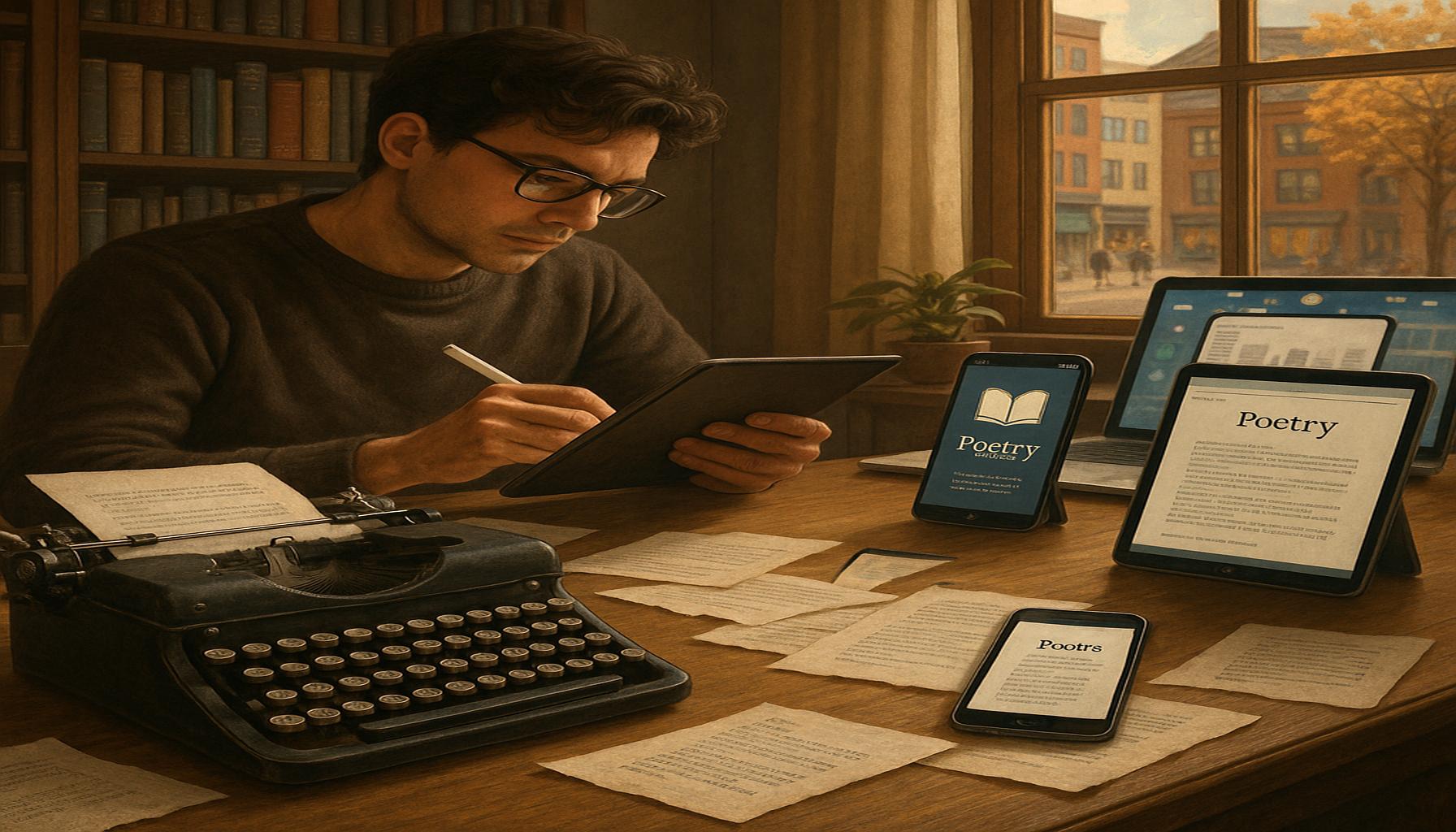
The intersection of poetry and technology is creating an exhilarating paradigm shift in how poetry is produced, consumed, and understood. With the advance of new media, poets are no longer confined to the pages of dusty books or the walls of traditional stages. Instead, they are utilizing modern platforms to broadcast their voices far and wide, transforming the poetic landscape into a vibrant, interactive space.
Digital Platforms
Social media platforms such as Instagram and Twitter have become the new literary salons, where poets share their work instantly with millions. These platforms are tailor-made for brevity and visual impact, encouraging poets to distill their ideas into striking lines and captivating imagery. For instance, the hashtag #poetrycommunity has blossomed into a thriving hub of creativity, showcasing diverse voices—from established poets to emerging talents. One standout example is Amanda Gorman, whose performance at the 2021 Presidential Inauguration attracted worldwide attention, illustrating the potential of social media to elevate poetic voices to the forefront of cultural conversations.
Multimedia Integration
The incorporation of multimedia elements into poetry has enriched the storytelling experience, transforming simple verses into multisensory narratives. Poets are now combining video, sound, and visual art to craft immersive experiences. Consider the work of poets who pair their readings with animations that enhance the mood and theme of their poetry. For example, the poetry collective Button Poetry often features videos that include spoken word performances intertwined with striking visual elements, creating a compelling blend that captivates audiences.
Interactive Works
In addition to traditional readings and multimedia presentations, interactive poetry is gaining traction. This innovative approach allows audiences to engage with the poem actively. Digital installations and apps turn poems into interactive experiences. An example can be seen in the art project “PoemGrid,” where users can rearrange words and phrases to create unique poems, fostering a sense of personal connection to the work. This participatory art form invites readers to become co-creators, further dissolving the distinctions between author and audience.
As these trends proliferate, poetry becomes more accessible, welcoming a multitude of voices that challenge traditional notions of authorship and publication. Writers who might have felt marginalized by conventional publishing avenues can now share their work widely, allowing for a richer tapestry of perspectives in contemporary poetry.
Ultimately, in our rapidly changing landscape, poetry remains a relevant and potent form of expression. Technology has not only reshaped how poetry is crafted and consumed but has also enriched its cultural significance. This dynamic evolution promises to redefine the very essence of poetic expression as we continue to explore and adapt to the ever-evolving cultural zeitgeist.
New Forms of Expression: The Impact of Technology on Poetic Creation
The advent of new media has not only expanded the platforms for poetry but has also diversified the forms through which it can be expressed. As a discipline that thrives on innovation and expression, poetry is embracing contemporary technologies and trends to create dynamic forms that resonate with today’s audiences. The accessibility and reach of digital tools have made it possible for even nascent poets to find their voice and share their work with the world.
Emergence of Spoken Word and Performance Poetry
One of the most remarkable developments in modern poetry is the rise of spoken word and performance poetry. This art form, which emphasizes the rhythm and emotional resonance of poetry recited aloud, has gained immense popularity through platforms like YouTube and TikTok. These platforms provide poets with a stage to showcase their work, allowing them to perform for audiences that surpass geographical boundaries.
Spoken word poetry often addresses pressing social issues, reflecting a cultural zeitgeist that is deeply engaged with themes of identity, injustice, and activism. The poems gain power as they are delivered through vocal inflections, gestures, and expressions that enhance their meaning. As a result, spoken word has emerged as a vibrant sub-genre, allowing audiences to connect with poets on a visceral level. What once required physical attendance at a poetry slam or local theater can now be experienced by anyone with an internet connection.
Digital Publishing: An Open Door for New Voices
Alongside performance, the realm of digital publishing is undergoing a revolution as online literary journals and self-publishing platforms make it easier than ever for poets to share their work. Opportunities abound for poets to submit their work to diverse publications, ranging from blogs dedicated to contemporary poetry to virtual anthologies. Notable platforms like Wattpad and Medium have opened doors for writers who previously faced barriers in the traditional publishing system.
Moreover, the self-publishing phenomenon allows poets to sidestep conventional gatekeepers. Through services such as Amazon Kindle Direct Publishing and CreateSpace, poets can publish their collections digitally without the need for a literary agent or publisher. This democratization of access means that we are witnessing an increasing variety of voices in contemporary poetry, enriching the overall literary landscape.
The Role of Online Communities
New media has facilitated the formation of vibrant online communities where poets can share their work, collaborate, and provide feedback to each other. These communities often manifest in social media groups, forums, and organized contests that encourage creativity and engagement. Some notable online poetry communities include:
- Poets.org – The Academy of American Poets, offering resources and connections.
- Stage For Poetry – An initiative focused on promoting video poetry and performances.
- Facebook Groups – Various poetry-focused groups that allow members to share their work and engage in discussions.
By fostering a sense of belonging and collaboration, these communities challenge the notion of the solitary poet and instead emphasize collective creativity in the age of technology. This shift is making poetry more reachable and relatable, enriching the fabric of literature in the digital age.
| Category | Key Features |
|---|---|
| Digital Platforms | Widespread access to poetry through blogs, social media, and e-books. |
| Engagement | Interactive and participatory experiences that invite reader feedback and collaboration. |
| Multimedia Integration | Visuals and audio elements enhance textual content, creating immersive experiences. |
| Diversity of Voices | New media platforms promote a plethora of cultural and linguistic expressions in poetry. |
The embrace of new media has irrevocably altered the landscape of literature, particularly poetry. Digital platforms have democratized access, enabling poets to share their work without the constraints of traditional publishing. Through blogs and social media, poetry can now reach a global audience, making literary voices more diverse and inclusive than ever before. Moreover, engagement has transformed; readers are no longer passive consumers but active participants in the creative process. The rise of interactive poetry invites feedback, participation, and collaboration, fostering a community of literary enthusiasts eager to contribute. Multimedia integration also plays a pivotal role, as poets combine words with visuals and audio. This fusion not only enhances the aesthetic experience but also broadens the interpretative possibilities, allowing for richer engagement with the text. Consequently, the evolution of poetry through new media continues to broaden literary horizons, inviting everyone to explore and discover previously unimaginable forms and expressions of art.
The Interplay of Visual Media and Poetry
As new media continues to reshape the landscape of poetry, the integration of visual art and multimedia is becoming increasingly prominent. This amalgamation of forms invites readers to engage with poetry in innovative ways that appeal to diverse senses. Platforms like Instagram have given rise to the phenomenon of visual poetry, where writers pair their poetic text with captivating imagery or design. This intersection fosters a rich storytelling approach, making the written word not only a source of meaning but also a feast for the eyes.
The Rise of Instagram Poetry
Instagram poetry has captured the attention of a generation seeking brevity and immediacy. Poets like Rupi Kaur and Atticus have garnered massive followings by sharing succinct pieces accompanied by aesthetically pleasing visuals. These poets create a unique blend of handwriting and graphic elements that establish a personal brand while resonating with themes of love, pain, and identity. According to a report by Statista, as of early 2021, Instagram had over one billion active users worldwide, providing a vast audience for aspiring and established poets alike.
With the platform’s emphasis on shareability, many poets experience fast viral success, leading to increased book deals and public engagements. This rapid evolution reflects changing consumer habits, where the traditional methods of literary consumption give way to more instantaneous and bite-sized formats. The engagement with poetry in this visual context invites audiences to experience literature through different lenses, further expanding its appeal.
Video Poetry and the Age of Multimedia
Video poetry emerges as another transformative medium within the poetic landscape. This genre combines the auditory and visual elements of performance with the written word, creating a powerful synergy that captivates viewers. Platforms like YouTube and Vimeo serve as conduits for these dynamic expressions, allowing poets to create immersive experiences that emphasize their messages through cinematography, music, and spoken word delivery.
Video poetry festivals, such as the Black Lantern Festival and the Tufts University Video Poetry Festival, showcase the growing recognition of this art form. These events encourage poets and filmmakers to collaborate and explore the creative potential of merging their talents, reinforcing the idea that poetry is not confined to the page. The ability to manipulate visuals and sound elevates the emotional impact of the poetry, making it more accessible to a wider audience.
Podcasts and Poetry: An Aural Revolution
In addition to visual platforms, the podcasting boom has introduced a new dimension to poetry consumption. By providing a forum for discussion, readings, and storytelling, podcasts like The Poetry Foundation and The Poetry Unbound Podcast allow poets to engage intimately with listeners. These audio experiences invite audiences into the thoughts and processes of poets, creating a more nuanced understanding of their work.
As platforms such as Spotify and Apple Podcasts become increasingly popular, the accessibility of poetry in audio form encourages more people to discover poetry as a genre. This shift aligns with contemporary lifestyles that prioritize on-the-go learning and entertainment, making poetry accessible during commutes, workouts, or household chores.
As these new media forms continue to evolve, they not only reinvent the relationship between poets and their audience but also contribute to a deeper cultural discourse surrounding poetry. The ongoing transformation highlights the necessity for poets to adapt their craft to fit an increasingly diverse and media-savvy audience.
Conclusion: Embracing the Future of Poetry
The landscape of poetry is undeniably shifting as new media platforms revolutionize the way we engage with this timeless art form. From the emergence of Instagram poetry that captures the attention of a millennial audience with its visual aesthetic, to the dynamic realm of video poetry where sound and sight harmonize, contemporary poetry is breaking free from conventional boundaries. This evolution is further enriched by the rise of podcasts, which bring forth an engaging auditory experience that fosters deeper connections between poets and their listeners.
As these forms of expression gain traction, it is clear that the embrace of technology and multimedia is not merely a trend, but rather a cultural shift that reflects our changing consumption of literature. Data shows that platforms like Instagram, with over one billion active users, and the growing popularity of podcasting illustrate the vast potential for poetry to reach diverse audiences. These innovations invite both experienced and new poets to explore their creativity in treating language not just as text, but as a multifaceted sensory experience.
Looking ahead, it is vital for poets to adapt and experiment with these emerging mediums, ensuring that the essence of poetry remains relevant in a world saturated with fleeting content. As we navigate this transformation, the dialogue surrounding poetry, literature, and their relationship with audiences will continue to evolve, leading us to question not just how we consume art, but how art shapes our understanding of the world around us. Ultimately, the future of poetry lies in its ability to innovate and resonate, enriching our literary landscape endlessly.