The Evolution of Visual Design: From Graphic to Digital
Transformative Milestones in Visual Design
The landscape of visual design has undergone remarkable transformation over the last few decades. From traditional graphic design rooted in print media to the expansive world of digital design, this evolution reflects changes in technology, culture, and consumer behavior. As society continues to embrace the digital age, the design field adapts to reflect these shifts, making it essential to navigate this evolving terrain.
Key milestones in this journey include:
- The Rise of Graphic Design: In the early 20th century, advertising and print materials dominated visual communication. The iconic works of designers such as Paul Rand and Saul Bass illustrated how the power of design could shape brand identity and consumer perception. Their innovative approaches went beyond mere aesthetics; they informed marketing strategies that are still impactful today.
- The Advent of Computers: The 1980s saw the introduction of personal computers, which revolutionized how designs were created and distributed. Software like Adobe Photoshop and Illustrator transformed the landscape by providing designers with tools that enabled rapid experimentation and execution. This allowed for a level of creativity and precision that previously relied on manual drafting and physical materials.
- Mobile Revolution: With smartphones becoming ubiquitous in the 21st century, designers now focus on creating responsive and adaptive interfaces. Apps like Instagram and Snapchat showcase the necessity for intuitive design, as they prioritize user experience across various devices. This mobile-first approach has not only changed design parameters but also the way users expect to interact with content.
This shift has prompted not just a change in tools but also in how audiences engage with visual elements. As consumers become increasingly accustomed to digital media, the demand for dynamic visual storytelling intensifies. Designers now harness technology to create:
- Interactive experiences that enhance user engagement, as seen in websites like Medium or BuzzFeed, which use storytelling techniques to keep audiences invested.
- Animation and motion graphics that attract attention and convey messages dynamically. Platforms such as YouTube have seen a surge in animated explainer videos, which simplify complex concepts while maintaining viewer interest.
- Data visualization to communicate complex information clearly and effectively. The rise of infographics, especially among news outlets and educational resources like NPR and Khan Academy, exemplifies this trend, translating dense statistics into visual formats that are easier to digest.
Understanding this evolution is crucial as it offers insight into the future of visual design, where technology continues to blend with creativity, crafting experiences that are both aesthetic and functional. As designers navigate these advancements, they will undoubtedly play an integral role in shaping how information is presented and consumed in an increasingly interconnected world.
EXPLORE MORE: Click here to discover the healing power of words

The Transition from Print to Digital: A New Design Paradigm
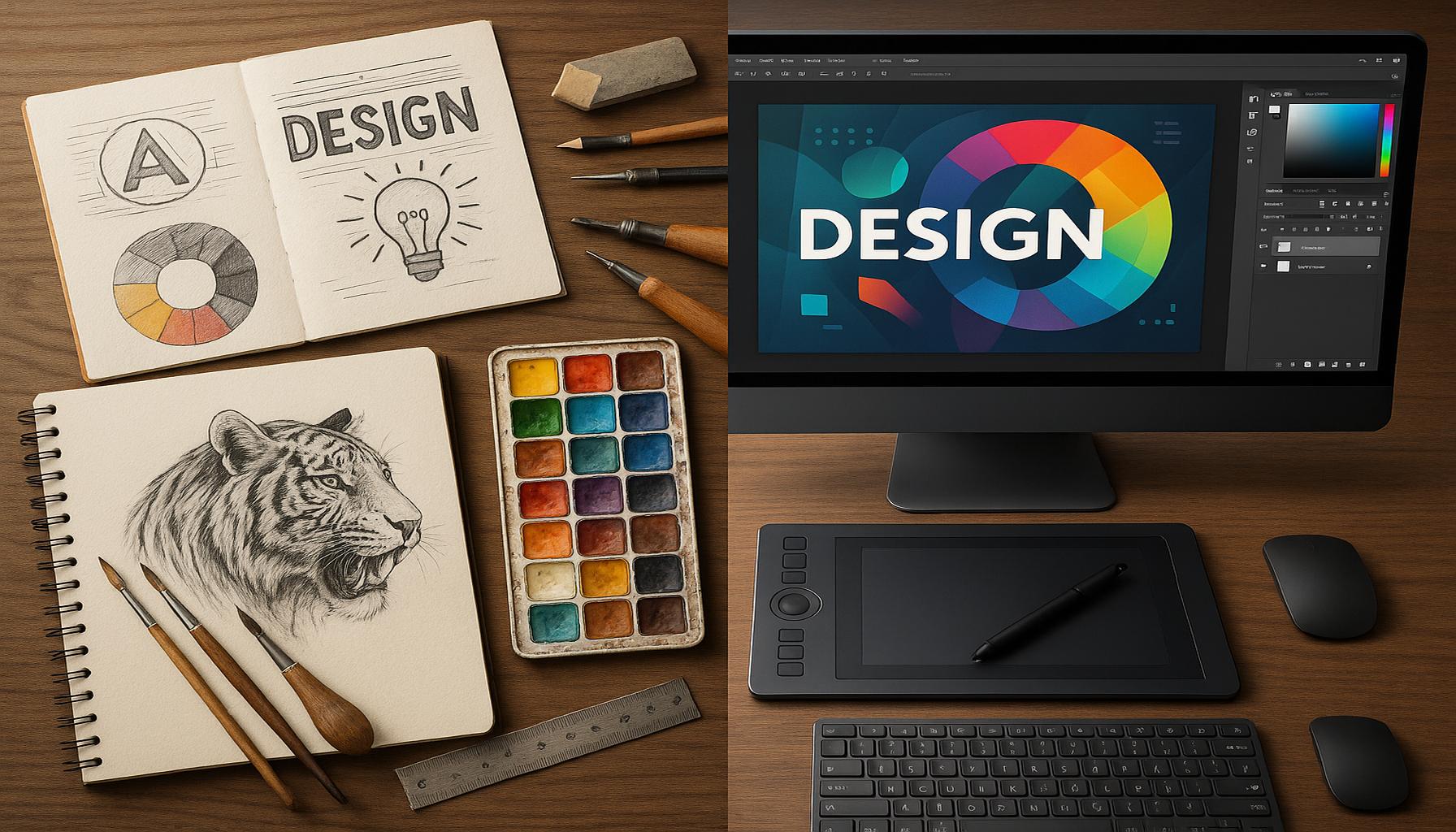
The transformation from graphic design to digital design has not only revolutionized the tools and processes involved but has also reshaped the very essence of how visual storytelling is conveyed. In the era of print, designers operated within the confines of physical limitations—ink, paper, and the tangible nature of their art. However, the transition to digital mediums has liberated creators, allowing for unparalleled innovation and interactivity. This shift has given rise to several key trends and approaches that exemplify how visual design continues to adapt and flourish in the digital realm.
One major development in this evolution is the concept of user-centered design. Unlike traditional graphic design that often prioritized aesthetics, the digital landscape necessitates a focus on the audience’s needs and behaviors. This approach ensures that visuals resonate with viewers, enhancing functionality and satisfaction. For instance, usability testing and user feedback have become integral components in the design process, allowing designers to create experiences that effectively meet user expectations.
As visual design transitioned online, the emergence of responsive web design marked another pivotal moment. With diverse screens ranging from smartphones to desktop computers, designers faced the challenge of creating visuals that adapt fluidly to various resolutions and orientations. Principles such as flexibility and fluidity became essential, leading to methodologies that ensure a seamless experience across devices. Recognizing that users interact with content in multifaceted ways has shifted the paradigm, placing emphasis on accessibility and inclusivity.
- Enhanced Interactivity: Modern digital experiences often incorporate interactive elements that invite user participation and engagement. Designers leverage techniques like hover effects, clickable buttons, and scroll-triggered animations to create immersive experiences. These design choices not only initiate a connection with users but also enhance comprehension and retention of information.
- Color Theory and Psychology: Colors are not merely decor in digital design; they evoke emotions and influence behavior. Designers meticulously select color palettes to convey messages and brand identities effectively. With tools like Adobe Color, creating cohesive and appealing color schemes has never been easier, allowing brands to maintain a consistent visual language.
- Typographic Evolution: The evolution of typography plays a crucial role in digital design. With web-safe fonts fading into obscurity, the advent of web typography has expanded the type choices available to designers. Google Fonts and Adobe Typekit offer a plethora of options, allowing for customization and enhanced readability across different devices.
In summary, the journey from graphic design to digital design has ushered in a plethora of new opportunities and challenges. As designers continue to harness the capabilities of technology, their work shapes not just visual aesthetics but also the way messages are experienced and understood in an increasingly connected world. Understanding these trends is vital for those interested in the dynamic field of visual design, as it highlights the ongoing shifts and the creativity required to thrive in this digital landscape. The question remains: how will these advancements continue to shape the future of design?
| Advantage | Description |
|---|---|
| Accessibility | Digital design allows for global reach, making it easier for creators to share their work and for consumers to access it. |
| Interactivity | Digital platforms enable designers to create engaging experiences through interactive elements, enhancing user engagement. |
The journey from graphic to digital design marks a monumental shift in the realm of visual aesthetics and functional communication. Accessibility stands out as a prime advantage, with digital design breaking geographical barriers. Artists and brands can now upload their designs to the web, instantly reaching a global audience. This democratization of design not only broadens exposure for creators but also offers a diverse array of choices for consumers, sparking innovation.Moreover, the realm of interactivity is reshaping how audiences engage with visual content. Unlike traditional static visuals, digital media invites users to partake in the experience through clickable elements and responsive layouts. This interactivity not only enhances user retention but also fosters a sense of connection between the viewer and the design, making the experience memorable.Understanding these advantages encourages exploration into the endless possibilities of digital design, where creativity knows no bounds.
DIVE DEEPER: Click here to learn more about diversity in literature
Embracing New Technologies: The Future of Design
As digital design continues to flourish, emerging technologies are poised to redefine the landscape even further. Among these, artificial intelligence (AI) stands out as a game-changer. Designers now have access to advanced tools that can analyze user behavior, automate mundane tasks, and even generate unique visual content. For example, platforms like Canva and Adobe Sensei use AI to suggest design elements, enabling users—regardless of their expertise—to create professional-quality visuals quickly and efficiently. This democratization of design tools is encouraging a wider range of individuals to engage in visual storytelling, thus enriching the creative ecosystem.
Another critical concept gaining traction is design systems. These are comprehensive guides that delineate a brand’s visual guidelines, including typography, color, and component standards, to ensure consistency across various platforms. Companies like IBM and Airbnb have successfully implemented design systems that have streamlined their product development processes and improved team collaboration. As digital products increasingly evolve and multiply, these systems help maintain a coherent brand identity, making it easier for designers to focus on creativity rather than reinventing the wheel.
Furthermore, the rise of augmented reality (AR) and virtual reality (VR) is opening new avenues for immersive experiences. For example, AR applications like IKEA Place allow users to visualize how furniture would look in their homes before making a purchase, thereby enhancing customer experience and minimizing buyer’s remorse. In contrast, VR enables entirely new environments for storytelling and interaction. The use of these technologies is not just limited to retail; sectors such as education, gaming, and healthcare have tapped into AR and VR to enrich their training programs and user engagement.
- Sustainable Design Practices: With increasing awareness about climate change and sustainability, there is a growing focus on eco-friendly design choices. This encompasses everything from using sustainable materials in physical products to optimizing digital designs for lower energy consumption. Initiatives in green web design promote websites that consume less energy, effectively contributing to a healthier planet.
- The Rise of Data Visualization: In an era inundated with information, data visualization has become indispensable. Designers can translate complex data sets into accessible visuals, making information comprehensible and engaging. Tools like Tableau and Microsoft Power BI help in creating compelling infographics that empower decision-making and promote data literacy across industries.
- Social Media Influence: Social platforms have become significant conduits for visual design. The demand for eye-catching posts has ushered in a new wave of graphic designers specializing in social media visuals. Understanding the nuances of various platforms, such as Instagram’s emphasis on aesthetics and Twitter’s focus on quick information dissemination, provides designers the ability to tailor content effectively.
As technology evolves, so too does the concept of visual design, moving beyond mere aesthetics to create meaningful interactions. Today, understanding user experience, leveraging innovative tools, and addressing societal needs represents the forefront of this evolution. As designers explore these themes, they continue to challenge traditional norms and forge new paths in the digital design landscape, ensuring that the discipline remains vibrant and relevant in a rapidly changing world.
DIVE DEEPER: Click here to discover inspiring narratives
Conclusion: A Transformative Journey in Visual Design
The evolution of visual design from its traditional graphic roots to a thriving digital domain highlights a remarkable journey of innovation and adaptation. As we find ourselves in an era defined by rapid technological advancements, the role of design has expanded significantly, transcending mere aesthetics to foster user connection and engagement. The integration of artificial intelligence, augmented reality, and data visualization not only enhances creative possibilities but also enriches the user experience, making design an essential component of communication in our increasingly digital world.
The growing emphasis on sustainable design practices and the establishment of design systems reflect a broader societal shift towards responsible and coherent branding. As designers collaborate across disciplines, they bring forth unique perspectives and solutions that resonate with diverse audiences. In particular, the influence of social media has rapidly transformed the landscape, propelling visual storytelling to the forefront of everyday communication.
Looking ahead, the future of visual design is poised for even greater evolution as emerging technologies continue to break boundaries, challenging designers to rethink their methods and approaches. This transformative journey underscores the importance of adaptability and creativity in shaping experiences that not only captivate but also inform. For those interested in exploring this exciting field, the opportunities are abundant, and the potential for meaningful impact greater than ever before. In a world where visual communication reigns supreme, staying attuned to the evolution of design is not just an asset; it is essential for success in today’s dynamic environment.