The Impact of Craftsmanship in the Community: Local Connections and Collaborations
The Significance of Craftsmanship in Building Community Bonds
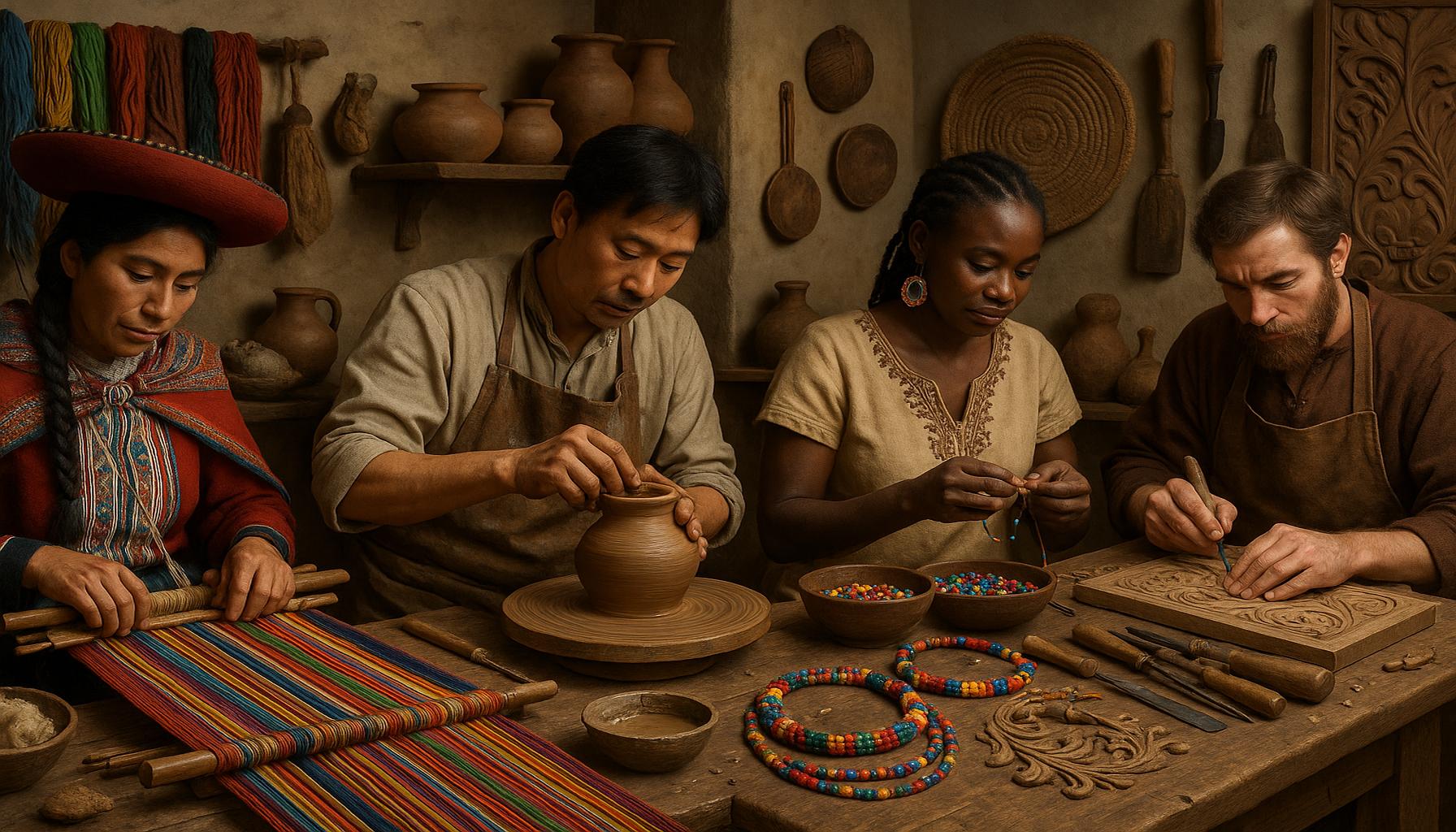
Craftsmanship encompasses a spectrum of skills and trades that go far beyond mere technical ability. It is about passion, dedication, and the pursuit of excellence, which in turn cultivates a strong sense of identity within communities. These artisans not only produce high-quality goods but also engage in a process that strengthens social cohesion, promotes economic development, and preserves cultural heritage. Craftsmanship acts as a conduit for not only creating beautiful items but also for weaving tighter webs of social fabric that connect community members.
In the United States, the impact of craftsmanship can be observed through various lenses, highlighting its multifaceted role in fostering community spirit.
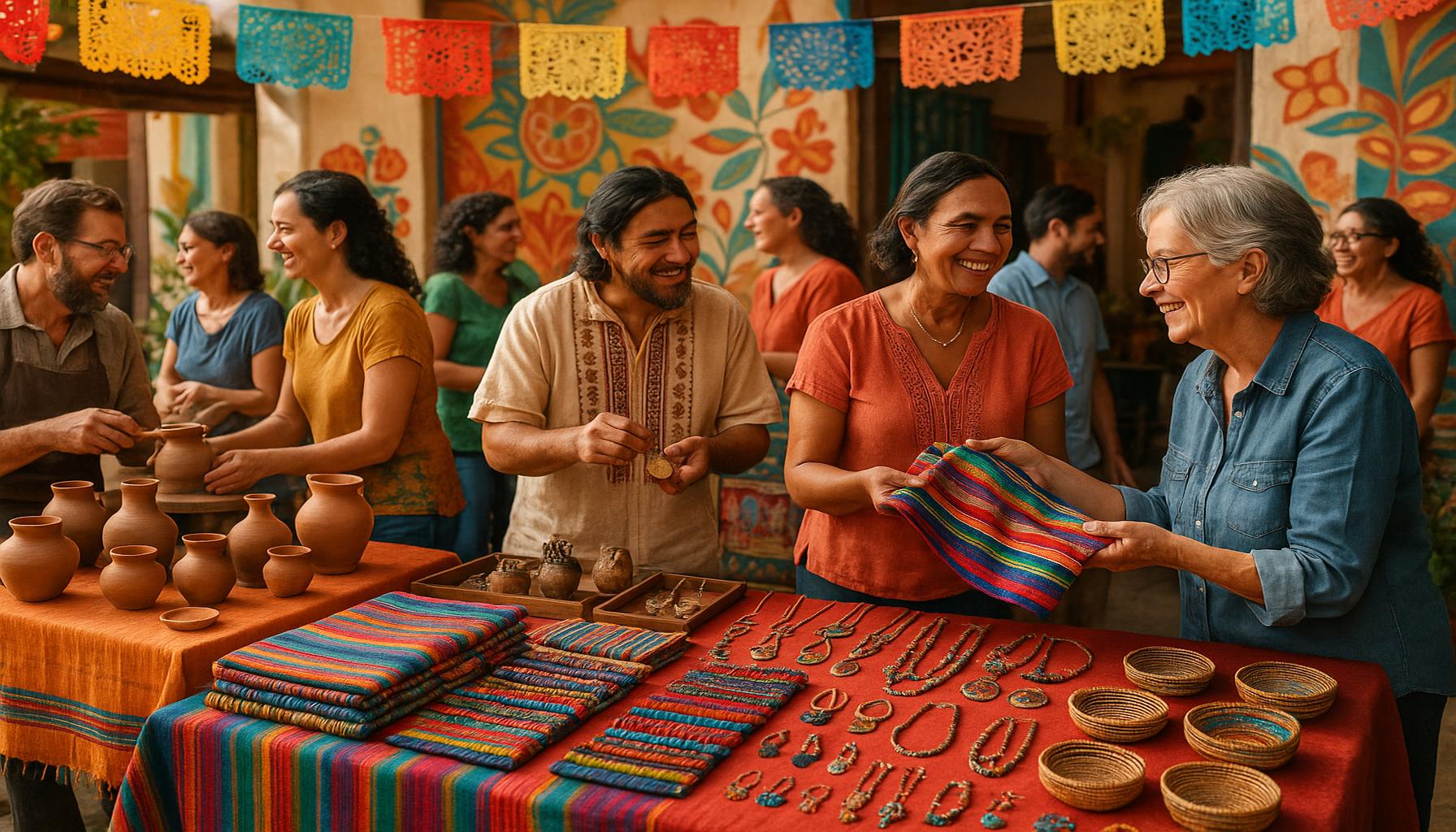
- Local Markets: Farmer’s markets and artisan fairs provide platforms for local craftsmen to showcase their unique products. For example, in cities like Asheville, North Carolina, artisanal food producers and crafters gather to not only sell their goods but to share stories and traditions. These markets not only boost the local economy by attracting visitors but also promote a sense of community pride as residents come together to support local talent.
- Workshops: Hands-on workshops led by local artisans are becoming increasingly popular in neighborhoods across America. Craft schools, such as the Penland School of Crafts in North Carolina, offer classes that teach pottery, weaving, and woodworking. These workshops not only preserve traditional crafts but also foster an environment of collaboration and learning among diverse community members, bridging generational gaps and encouraging the exchange of knowledge.
- Public Art Projects: Collaborative public art initiatives serve as another testament to the unifying power of craftsmanship. In places like Philadelphia, community mural projects bring together artists and local residents to transform blank walls into vibrant expressions of local culture and history. This not only beautifies neighborhoods but also instills a sense of pride and collective ownership. Such projects help to tell the stories of communities, making art accessible to all, and establishing a shared identity.
The spirit of craftsmanship offers a blueprint for contemporary collaborative initiatives. By reinforcing social ties and encouraging shared experiences, it whets the appetite for cultural exchange and mutual support among residents. The rise of the maker movement—emphasizing DIY culture and local production—exemplifies this trend, encouraging citizens to engage actively in creating their own environments. As we explore this vibrant interplay of craftsmanship and community dynamics, we reveal how intentionally fostering these connections can lead to resilient and thriving neighborhoods.
Ultimately, as communities recognize the cultural and economic value of craftsmanship, they find themselves not only preserving traditional skills but also creating a robust social framework that enriches the lives of all involved. The role of craftsmanship cannot be overstated, as it weaves a sense of community identity that bridges gaps and builds lasting relationships.
DISCOVER MORE: Click here to uncover the healing power of words
Embracing Local Traditions: A Catalyst for Community Development
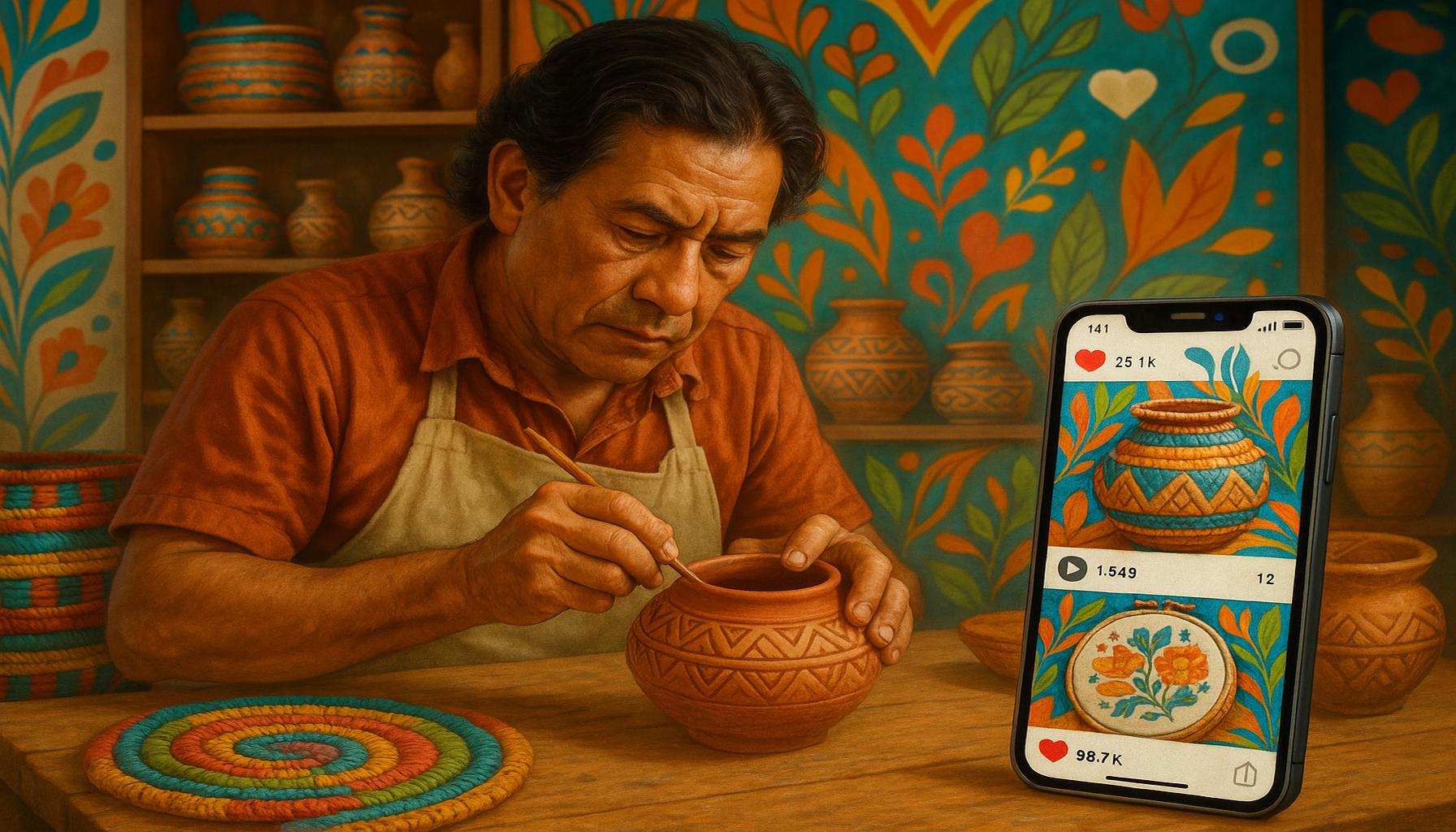
Craftsmanship serves as an integral driver of community development by preserving local traditions and encouraging collaborative connections. By engaging residents in the intricate processes of creation, craftsmanship not only fosters artistic expression but also motivates individuals to actively participate in their neighborhoods. This shared involvement reinforces a collective identity while also attracting attention to local histories and narratives that may otherwise risk fading into obscurity.
As we delve into various community initiatives that emphasize craftsmanship, it becomes clear that there is an essential relationship between locally-rooted skills and the broader social landscape. Many communities are looking to capitalize on this dynamic by harnessing craftsmanship to spark economic growth and enhance local pride. Here are a few notable outcomes illustrating the positive impact of craftsmanship on community development:
- Economic Empowerment: Local artisans often rely on sustainable practices that nourish both their craft and their community’s economy. Small businesses, including workshops and boutiques, thrive on collaborations between makers and consumers, transforming local economies into vibrant cultures of creativity. For instance, a collective of furniture makers in Portland, Oregon, harnesses reclaimed wood to create beautiful, functional pieces, leading to a growing movement that emphasizes environmentally friendly production while supporting the local economy.
- Cultural Preservation: Local craft traditions often encompass centuries of history, reflecting unique cultural identities that deserve to be celebrated. By promoting these crafts through markets, exhibitions, and partnerships, communities work together to protect their heritage. Programs like the National Heritage Fellowship celebrate traditional artisans in the U.S., highlighting their contributions to cultural continuity and fostering pride among community members.
- Cross-Disciplinary Collaborations: The rise of interdisciplinary projects showcases how different crafts can intersect, resulting in innovative and compelling community initiatives. For example, collaborative efforts combining woodworking, metalwork, and textile arts have created engaging installations in public spaces, sparking conversations about artistry and its role in society. These interactions encourage a spirit of teamwork that demonstrates the power of shared vision in producing enriching outcomes for communities.
The importance of craftsmanship extends beyond the tangible products that emerge; it fundamentally alters perceptions and relationships within the community. Through local collaborations, artisans work alongside residents, forging connections that transcend mere transactions. This dynamic exchange breeds a culture of respect and creativity, inviting individuals to contribute their unique perspectives and experiences. As such, craftsmanship emerges not just as a means of economic sustenance but as a vital thread in the intricate tapestry of community life.
It is within this ecosystem of artistry and local engagement that we witness the true impact of craftsmanship unraveling. The enthusiasm surrounding community-driven projects amplifies local connections, fosters collaboration, and ultimately enriches the identity of neighborhoods, illustrating how intertwined local craftsmanship and community development truly are.
As we delve deeper into the significance of craftsmanship within communities, it becomes evident that this practice is intricately woven into the fabric of local culture and economy. Craftsmanship fosters a sense of identity and pride among artisans, who often draw from traditional methods passed down through generations. This not only preserves cultural heritage but also nurtures local economies by attracting tourism and creating jobs.Moreover, craftsmanship encourages collaboration among local businesses, artisans, and community organizations. These connections lead to vibrant markets where unique handmade products can be showcased, directly linking creators with consumers. This relationship enriches local narratives, allowing storytellers to share their experiences and insights into the artistry behind each piece.In addition to economic benefits, the community impact of craftsmanship is profound. It offers a platform for social interaction, where residents gather to appreciate local creations and engage in workshops or fairs. Such events foster community spirit and encourage the exchange of knowledge and skills among diverse groups. This interaction also amplifies social cohesion, particularly in diverse neighborhoods, where artisans from various backgrounds can collaborate and learn from one another.Furthermore, the rise of sustainability in craftsmanship cannot be overlooked. Many artisans embrace eco-friendly materials and practices, reinforcing the importance of environmental stewardship within communities. This commitment to sustainability resonates with consumers who value ethical production, thereby enhancing local connections and collaborations. Craftsmanship not only nurtures artistic expression but also acts as a catalyst for change, inspiring communities to take pride in their local resources and cultural expressions.To illustrate the benefits of craftsmanship further, take a look at the following table that summarizes key advantages and relevant characteristics, encouraging readers to explore the impact this has on local communities:
| Advantages | Characteristics |
|---|---|
| Preservation of Heritage | Artisans keep traditional methods alive, enriching cultural identity. |
| Economic Growth | Creates jobs and promotes tourism, strengthening local economies. |
In summary, craftsmanship transcends mere creation. It is about building connections, fostering collaboration, and nurturing a sense of community pride. By understanding the impact of craftsmanship, we can appreciate how it not only shapes our culture but also supports a sustainable and interconnected future.
DISCOVER MORE: Click here to dive deeper
Crafting Community Resilience: The Social Fabric of Collaboration
Craftsmanship creates a unique social fabric that weaves together diverse individuals and fosters resilience within communities. In an era dominated by mass production and digital engagement, the revival of handcrafted goods rekindles a sense of connection that is often absent in contemporary life. As communities focus on craftsmanship, they come together not just to create physical items, but to build relationships and support networks that enhance their social capital.
Moreover, the value of craftsmanship extends into the realm of educational opportunities. Many artisan-led workshops and maker spaces have emerged nationwide, inviting community members to partake in skill-building activities. For instance, programs like Artisan’s Asylum in Somerville, Massachusetts, provide a collaborative workspace for creators of all levels, enabling participants to learn from one another while honing their craft. These spaces not only equip individuals with practical skills, but they also cultivate a sense of shared purpose and inclusivity that can transform a neighborhood.
The role of craftsmanship in community resilience is particularly evident in the wake of economic challenges. For example, communities affected by industrial decline have turned to artisan entrepreneurship as a means to revitalize local economies. A notable case study can be found in the Rust Belt, where cities like Detroit have embraced artisanal food movements, small-scale craft breweries, and handmade markets to stimulate economic revitalization. Local initiatives, such as the Detroit Economic Growth Corporation’s support for craft-related startups, illustrate how returning to traditional skills can lead to innovative solutions for contemporary issues.
In addition to economic impact, the act of creating handmade items fosters mindfulness and emotional well-being. Research indicates that engaging in craft activities can reduce stress and improve mental health, increasing overall community well-being. In the state of Oregon, community programs such as Crafting Community focus on providing therapeutic crafting experiences for individuals facing mental health challenges. These initiatives not only empower individuals to regain control over their lives but also encourage them to connect with others who share similar struggles, reinforcing the concept of communal healing.
Furthermore, the social advantages of craftsmanship intersect seamlessly with environmental sustainability. By prioritizing local materials and artisanal techniques, communities can champion eco-friendly practices that contribute to a healthier planet. The emphasis on sustainable methods not only addresses environmental concerns but also promotes local economies by reducing reliance on imported goods, creating a self-sustaining cycle of production and consumption. For example, the Slow Food movement emphasizes local, sustainable food production, with numerous artisan farmers and chefs working collaboratively to bring fresh, quality ingredients to their communities.
Ultimately, the bond formed through craftsmanship extends beyond individual artisans or products; it represents a collective network that strengthens community ties. By investing in local artisans and encouraging craftsmanship, communities lay the groundwork for stronger, resilient networks. As neighborhoods become more interconnected through shared experiences and creative pursuits, they inspire ongoing collaboration, adaptive problem-solving, and a heightened sense of belonging among residents.
DIVE DEEPER: Click here to discover emerging literary trends
Reimagining Community Through Craftsmanship
In conclusion, the impact of craftsmanship on community dynamics is profound and multifaceted, fostering not only local connections but also collaborations that resonate throughout neighborhoods. The revival of artisanal skills provides a powerful antidote to the isolation often exacerbated by modern technology, reestablishing a sense of belonging and shared purpose. By creating spaces for mentorship and skill-sharing, artisan-led initiatives promote inclusivity and empower individuals to contribute meaningfully to their communities.
Economically, the shift towards local craftsmanship has become a beacon of hope for revitalizing declining areas. Successful programs in cities such as Detroit demonstrate how embracing handmade movements can inject new life into local economies, while ecological efforts emphasize the sustainability aspect of craftsmanship. As community members prioritize environmentally responsible practices and local sourcing, they contribute to a more sustainable future that supports both local economies and the planet.
Furthermore, the emotional and mental well-being that arises from participating in crafting activities cannot be understated. Initiatives like Crafting Community in Oregon highlight the therapeutic benefits of craftsmanship, weaving healing into the very fabric of community life. As such, upcoming projects aimed at nurturing these values will likely draw even greater interest and participation.
As we navigate the complexities of modern life, it is essential to recognize that the act of creation can be a unifying force. Investing in craftsmanship not only enhances community resilience but also cultivates a spirit of collaboration, creativity, and social responsibility. Moving forward, let us celebrate and foster these connections, uncovering the remarkable potential that lies in our shared creativity.