The Influence of Folk Music on the Preservation of Culture and Identity
Folk Music as a Reflection of Cultural Identity
Folk music serves as a powerful vessel for the expression of cultural identity and heritage. Across generations, it has preserved traditions that might otherwise be lost, resonating deeply within communities. In the United States, various folk music traditions reflect a rich tapestry of historical narratives and social values, showcasing the diverse experiences that shape American life. From the storytelling of Appalachian ballads to the soulful cries of the blues, folk music captures the essence of human experience across different regions and eras.
Key Aspects of Folk Music
- Storytelling: Folk songs convey vivid stories that reflect the triumphs, struggles, and everyday lives of people within a community. For instance, in the Appalachian region, traditional ballads often delve into themes of love, loss, and local legends, preserving oral histories that connect generations.
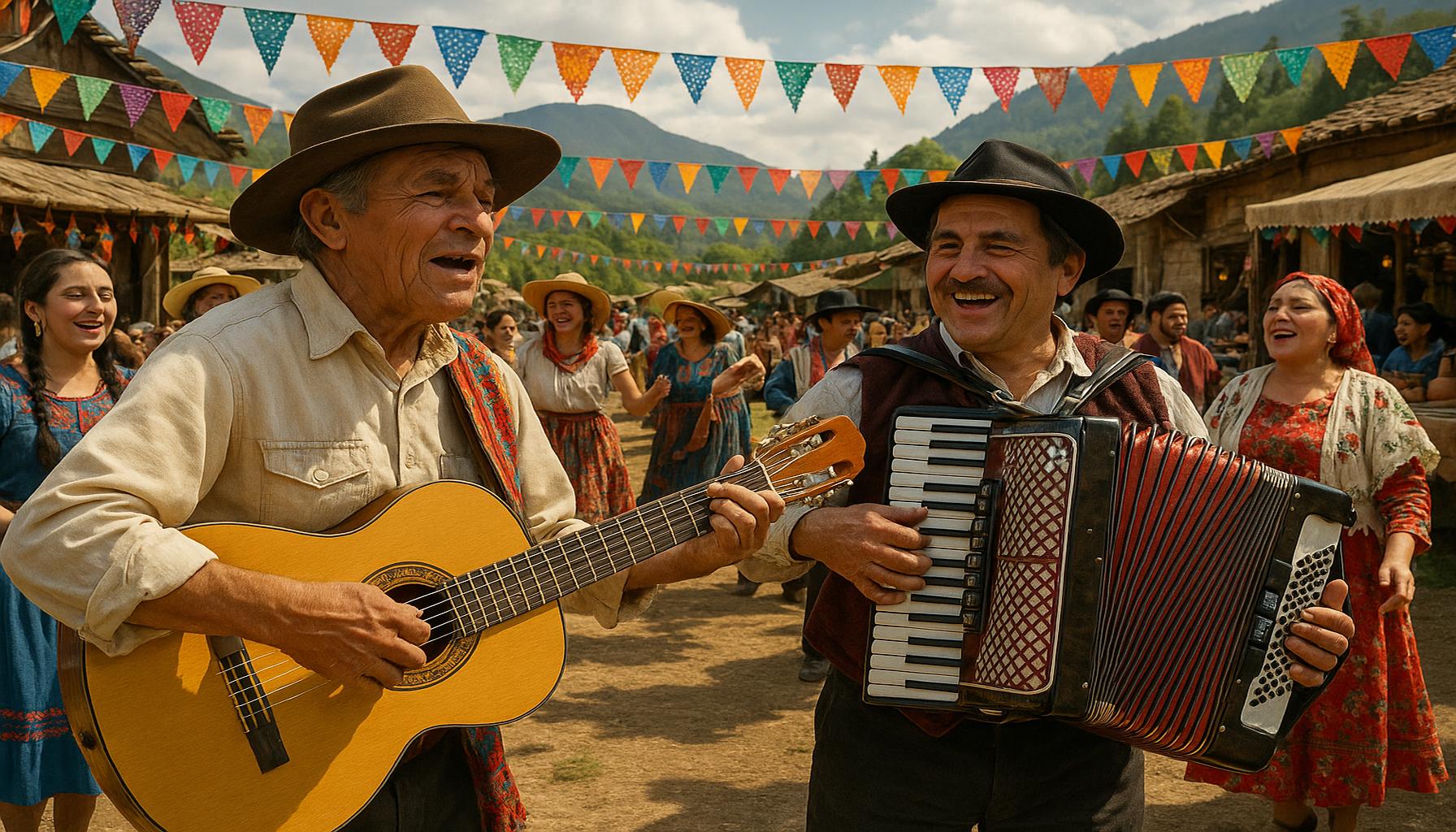
- Tradition: Each region showcases unique melodies and instruments, highlighting cultural diversity. In the Southwest, mariachi bands utilize guitars, trumpets, and violins to present a lively celebration of Mexican heritage, while the sounds of the banjo and fiddle dominate in Southern American folk styles.
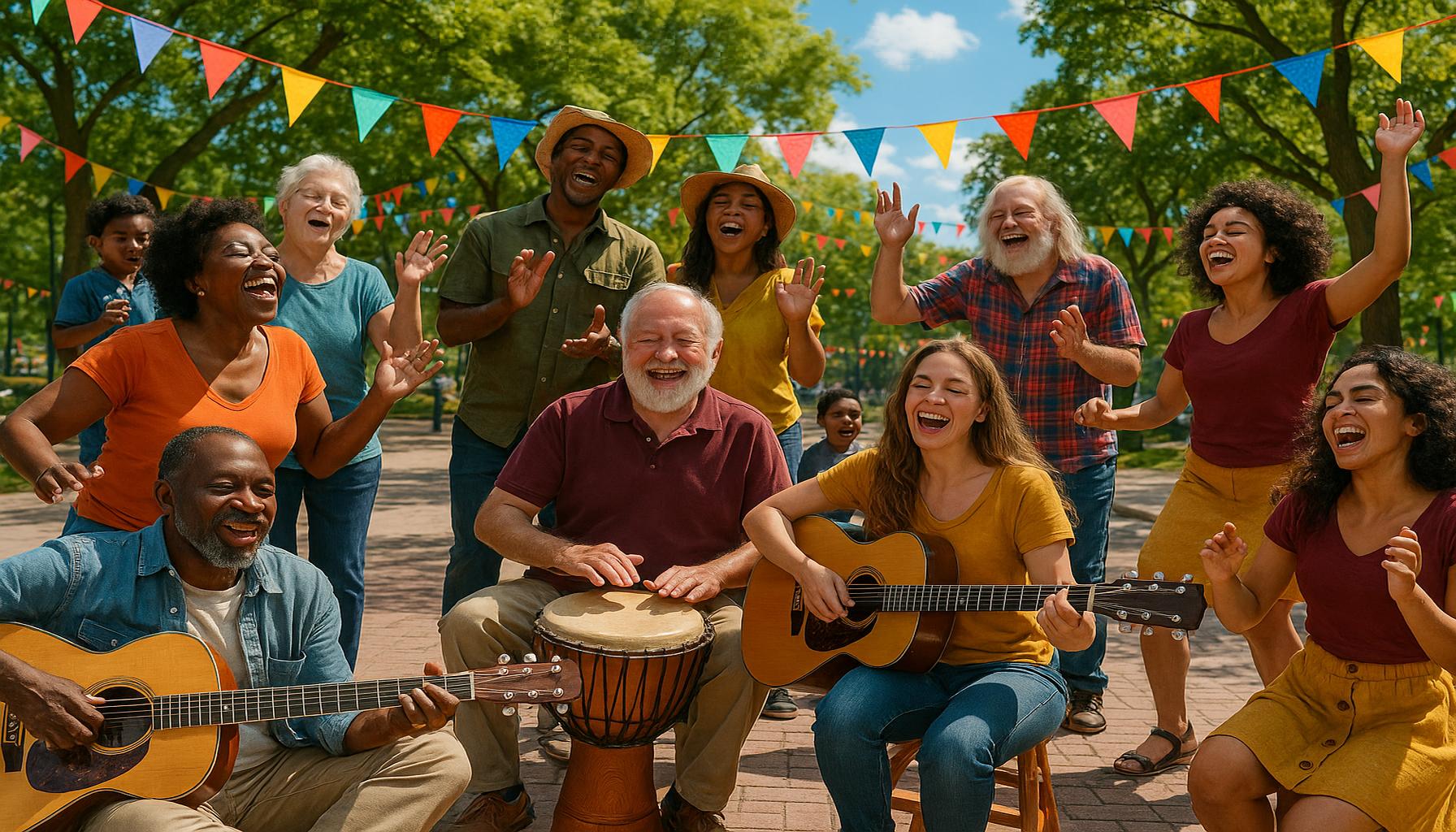
- Community Connection: Folk music brings people together, fostering a sense of belonging and shared identity. Festivals and community gatherings throughout the U.S. feature folk music as a central element, where people from various backgrounds unite to celebrate their heritage, creating new memories while honoring the past.
In contemporary society, the importance of folk music remains prevalent in various ways. It serves not only as a means of entertainment but also as an educational tool, often introducing younger generations to their cultural roots. Through community workshops and school programs, children learn about their heritage via folk songs, ensuring that these important traditions are not forgotten. Moreover, contemporary artists often reinterpret traditional folk songs, blending them with modern genres to invigorate interest and accessibility.
Examples in the United States
- Appalachian Folk: Known for its roots in storytelling and oral history, this style often features haunting melodies and heartfelt lyrics, singing of the struggles of mountain life and societal issues.
- Blues and Jazz: These genres have origins tied to African American history and experiences, fronting themes of resilience and expression in a society facing racial inequities. Notable figures like B.B. King and Billie Holiday used their music as platforms to address social issues.
- Native American Music: Integral to ceremonies and rituals, this form of folk music emphasizes the connection to land and spirituality. Many Native American musicians incorporate traditional instruments, like the flute and drums, while using music as a way to teach their history and cultural practices.
As we delve deeper into the influence of folk music on cultural preservation and identity, we uncover its significant role in shaping not just personal identities but also the collective consciousness of communities. Folk music acts as a living archive, ensuring that the lessons of history are passed down even as modernity attempts to reshape our understanding of what it means to belong. Thus, it remains a vital aspect of America’s cultural landscape, inviting all to engage in the rich heritage it embodies.
DIVE DEEPER: Click here to uncover global crafting techniques
The Role of Folk Music in Cultural Transmission
The intricate links between folk music, culture, and identity become increasingly evident when we explore how these musical traditions serve as vehicles for cultural transmission. Folk music does more than simply entertain; it intertwines societal values, historical narratives, and community bonds into a cohesive soundscape that enriches cultural life. As people share songs at gatherings, around campfires, or through family traditions, they are effectively passing down core aspects of their cultural heritage, ensuring that these legacies endure through the ages.
A Living Archive of History
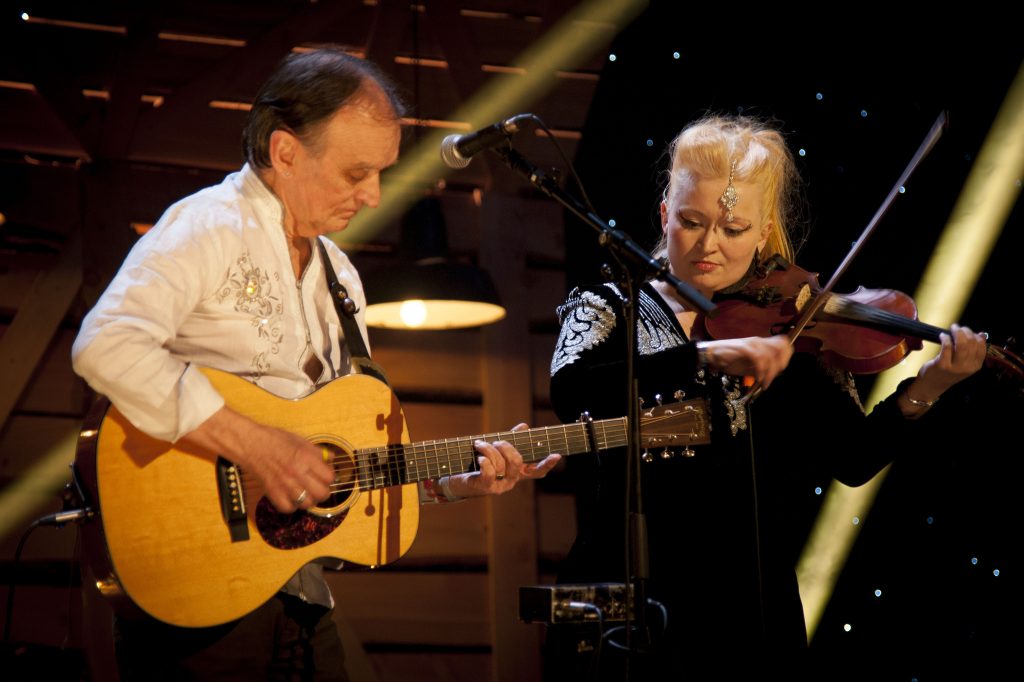
Folk music maintains a profound connection to cultural history, acting as what can be described as a living archive. Songs can embody significant events, reflect changes in society, and even voice collective hopes and dreams. For example, the labor songs of the early 20th century, which arose in response to industrialization, echo the struggles and aspirations of workers seeking better conditions. These songs preserve historical consciousness while offering a lens through which future generations can examine their heritage.
Regional Variations and their Cultural Significance
- New England Sea Shanties: These traditional work songs used by sailors not only aided in coordinating labor on ships but also chronicled the lives of those who toiled at sea, symbolizing a unique maritime identity.
- Texas Tejano Music: This genre exemplifies the fusion of Mexican and American sounds, showcasing the cultural hybridization that has taken place in the southwestern United States, and promoting vibrant celebrations of community and lineage.
- Bluegrass: Emerging from Appalachian roots, bluegrass showcases the instrumentals and vocal harmonies that reflect the geographical landscape and historical context of the region, contributing to the preservation of Southern cultural identity.
Understanding these regional variations of folk music is essential to appreciating its role in cultural preservation. Each melody, each chord progression tells a story that is rich with local folklore, historical events, and community-specific experiences. These songs often carry tales of personal significance, such as the experience of immigrants adjusting to a new land or the challenges faced by indigenous peoples striving to keep their culture alive. Thus, folk music captures the resilient spirit of communities as they navigate the complexities of identity and ancestry.
Connecting Generations Through Music
The role of folk music in connecting generations cannot be overstated. In many families, songs are passed down orally, evolving alongside cultural shifts while retaining elements of their original form. This practice not only creates a familial bond but also fosters a sense of belonging within the greater community. Festivals, such as the Newport Folk Festival in Rhode Island, celebrate this tradition by bringing together artists and audiences, creating a vibrant atmosphere where the dialogue between the past and present unfolds through music.
As we explore the various dimensions of folk music’s influence on cultural preservation, it becomes increasingly clear that these musical traditions are indispensable to the maintenance of identity. The songs that resonate within our communities reflect a unique story—a story woven with threads of history, struggle, and triumph that bind us to our roots and illuminate the path forward.
| Cultural Transmission | Folk Music as a Vessel |
|---|---|
| Oral Tradition | Folk music serves as a powerful medium for passing down stories, values, and histories. |
| Community Identity | Folk music reinforces a sense of belonging and solidarity within cultural groups. |
Folk music plays a pivotal role in the preservation of culture and identity through its function as a tool for cultural transmission. In many societies, music is not merely entertainment; it embodies the history and traditions of a community. For instance, the oral tradition prevalent in folk music allows for the storytelling of ancestral events, greatly enhancing the understanding of a group’s heritage.Moreover, folk music strengthens community identity. As various cultures experience globalization and modern influences, folk music emerges as a sanctuary for social cohesion. During festivals and communal gatherings, songs frequently evoke shared memories, allowing individuals to connect on a deeper level. This brings to the fore not just the rhythms and melodies but also the shared struggles and triumphs of a people. In essence, folk music acts as the keeper of a community’s identity, ensuring the values and beliefs are not only remembered but actively celebrated.
DIVE DEEPER: Click here for insights on improvisation
Folk Music as a Catalyst for Social Change
While folk music serves as a reservoir of cultural memory, it also acts as a catalyst for social change, guiding communities through periods of transformation. Historically, folk music has been employed as a tool for advocacy and awareness, compelling societies to confront the realities they face and often igniting movements that challenge injustices. This role further solidifies its significance in the preservation of cultural identity, providing a framework for collective action grounded in shared heritage.
Folk Music in Social Movements
Throughout American history, songs have been pivotal in social movements, forging connections that transcend individual experiences. The Civil Rights Movement, for instance, utilized folk music to unite voices advocating for equality. Songs like “We Shall Overcome” and “This Little Light of Mine” became anthems of hope and perseverance, reflecting deeply held beliefs while fostering a sense of solidarity among participants. By wearing their cultural pride on the sleeves of their melodies, activists used folk music to articulate their struggles, aspirations, and identity, making it a vital force in reshaping societal narratives.
A Beacon for Indigenous Voices
Folk music also serves as a crucial outlet for indigenous communities aiming to reclaim and revitalize their cultural narratives. For Native American tribes, traditional songs are integral to ceremonies, storytelling, and the transmission of ancestral knowledge. Contemporary artists like Keith Secola and Buffy Sainte-Marie have brought indigenous folk music into mainstream spaces, enhancing visibility and recognition of their rich cultural heritages. These musicians use their platforms to address issues faced by indigenous peoples today, such as land rights and cultural erasure, weaving modern struggles into the fabric of their music.
Technological Advancement and Folk Music Revitalization
The advent of technology has further revolutionized the ways in which folk music preserves culture and identity. Streaming platforms and social media allow artists to reach wider audiences, effectively bridging generational divides. Contemporary folk musicians blend traditional sounds with modern genres, creating a fusion that resonates with younger listeners while keeping the essence of their heritage alive. This cross-pollination fosters a re-examination of cultural identity within the context of modernity, providing fresh perspectives while paying homage to the past.
Virtual folk music festivals have emerged, especially during the COVID-19 pandemic, highlighting the adaptability of these traditions amid global challenges. Events like the Folk Alliance International Conference online enabled artists from diverse backgrounds to connect, collaborate, and showcase their cultural stories, demonstrating that folk music’s relevance transcends geographical boundaries and societal circumstances.
Educational Initiatives and the Role of Folk Music
- School Programs: Many educational institutions are integrating folk music into their curriculums, using it as a tool to teach students about cultural histories and diversity. Music workshops and storytelling sessions nurture a deeper appreciation for different heritages.
- Community Workshops: Local organizations are increasingly hosting folk music workshops, engaging community members in teaching traditional songs and dances, thereby cultivating a sense of shared responsibility for cultural stewardship.
- Multicultural Festivals: Events celebrating cultural diversity prominently feature folk musicians and performers, enabling various communities to showcase their traditions, thereby fostering a greater understanding and respect for one another.
The multifaceted role of folk music in cultural preservation continues to evolve, adapting to current societal contexts while remaining deeply rooted in history. It emerges as both a guardian of identity and a voice for change, reinforcing the idea that culture is not only a reflection of the past but also a dynamic entity shaping the future.
DIVE DEEPER: Click here to discover more
Conclusion: Embracing the Power of Folk Music
In conclusion, the influence of folk music on the preservation of culture and identity is profound and multifaceted. As a repository of tradition and a catalyst for social change, folk music not only keeps cultural narratives alive but also encourages communities to adapt and evolve. It embodies a dynamic linkage to history, allowing individuals to connect with their ancestry while navigating modern societal transformations.
The role of folk music in social movements and its potential to give voice to marginalized communities highlight its essential function as a tool for advocacy and unity. Artists such as Keith Secola and Buffy Sainte-Marie exemplify how contemporary iterations of these traditions can raise awareness and promote reconciliation, ensuring that indigenous and cultural stories are not lost in the noise of progress.
Technological advancements and educational initiatives further enhance the impact of folk music, fostering appreciation among younger generations. By integrating music into school curriculums and hosting community workshops, cultural institutions help to cultivate shared responsibility for heritage preservation while promoting dialogue about diversity.
As we continue to embrace the rich tapestry of folk music within our cultural landscape, it is imperative to recognize its capacity to bridge gaps and forge connections. In understanding its role in shaping cultural identities, we can appreciate that folk music is not just an echo of the past—it is a vibrant soundtrack to our present and future. By supporting and celebrating folk traditions, we actively participate in a legacy that honors our differences while weaving a collective narrative of humanity.