The Influence of Social Media on Handicrafts: From Tradition to Virality
The Transformative Role of Social Media in Handicrafts
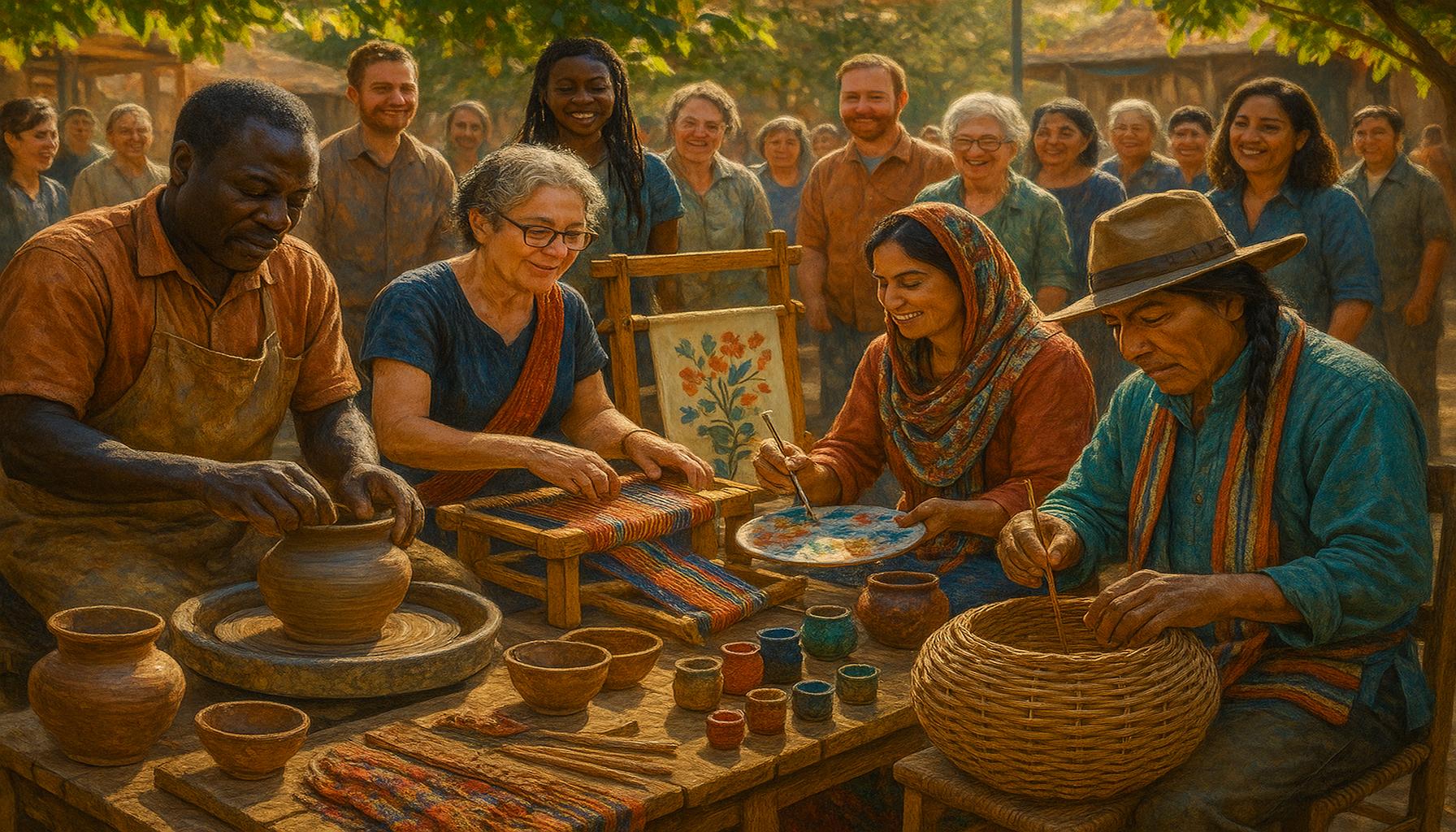
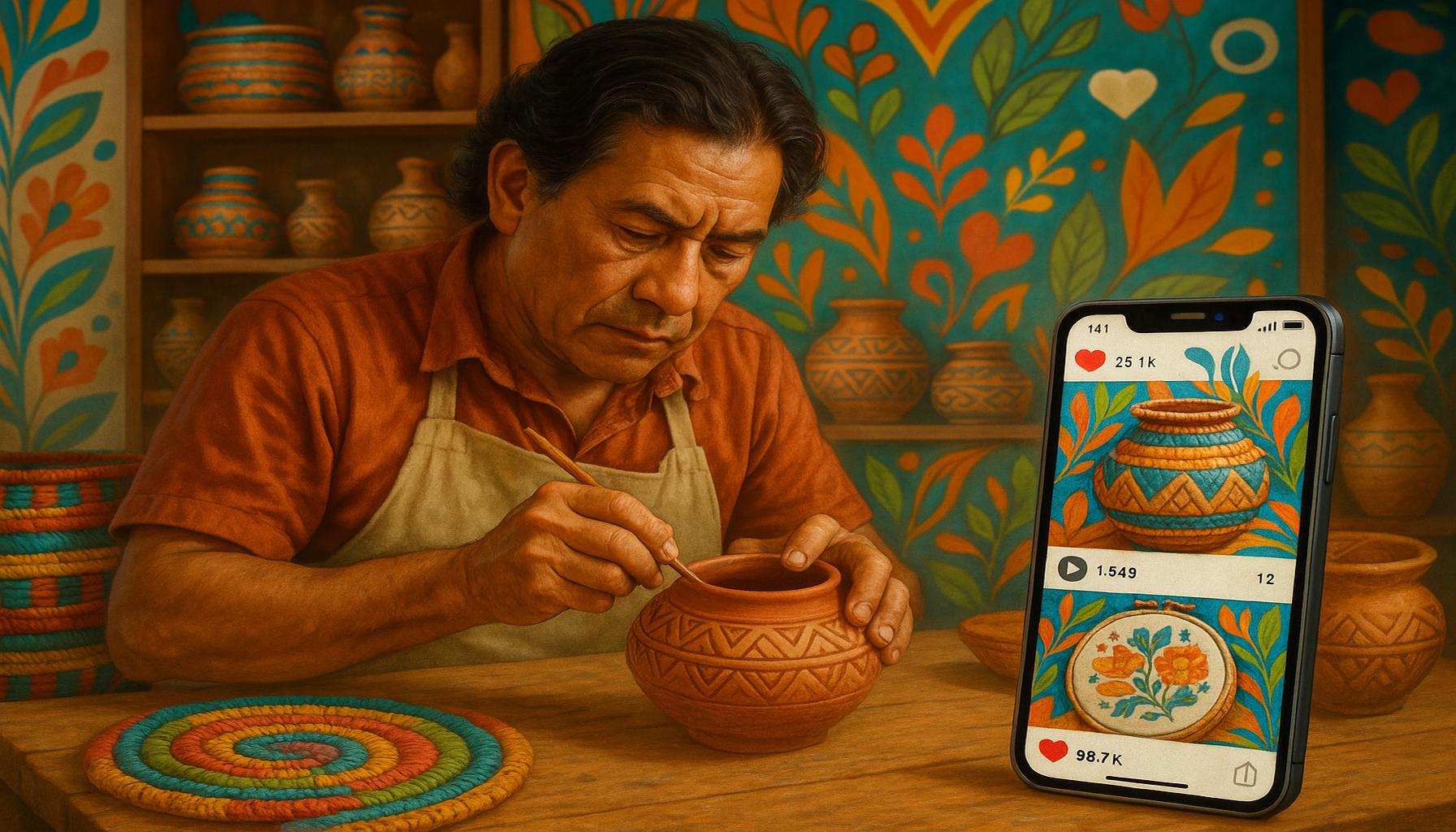
Social media has profoundly transformed various industries, and the world of handicrafts is no exception. Traditional artisanship, once confined to local markets and intimate communities, now dances on global stages, fueled by platforms like Instagram, Pinterest, and TikTok. This digital shift has created a vibrant online marketplace where creativity knows no bounds, accessible right from the palm of your hand.
This transition has ushered in both opportunities and challenges for artisans. For instance, a potter in Santa Fe can now sell her uniquely designed mugs to a customer in Tokyo with just a few clicks. This newfound reach showcases the vast scope of increased exposure: artisans can showcase their craft to a broader audience, breaking geographical barriers. Using hashtags, engaging visuals, and storytelling, they connect with potential buyers who may have never crossed paths with their work in a local bazaar.
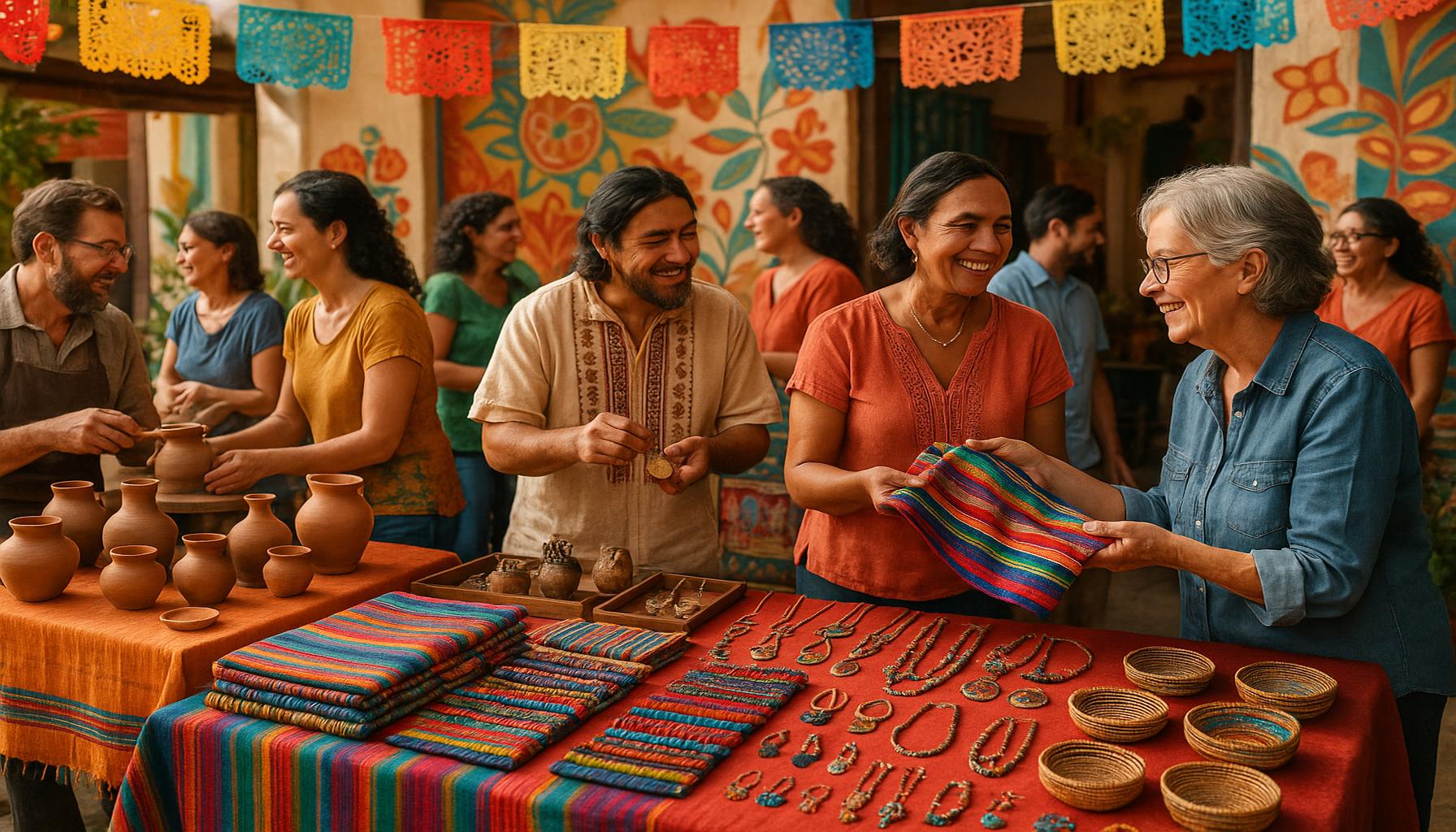
Moreover, this enhanced visibility leads to market expansion. Handmade products can reach consumers outside local boundaries, promoting cultural exchange. An artisan in India may share his intricate textiles with audiences in North America, where consumers are increasingly seeking unique, ethically-made products. This dynamic not only encourages sales but also fosters appreciation for traditional techniques, which can spark a renewed interest in the cultures from which these crafts originate.
The landscape also embraces the effects of trends and virality. Certain techniques and styles can become viral, sparking interest from a diverse demographic. For example, a video showcasing a unique marbling technique could lead to a surge in orders, as viewers are captivated by both the process and the final product. Platforms like TikTok have enabled artisans to display their skills in creative, bite-sized videos, making traditional craftsmanship more engaging and relatable to a younger audience.
Balancing Heritage with Innovation
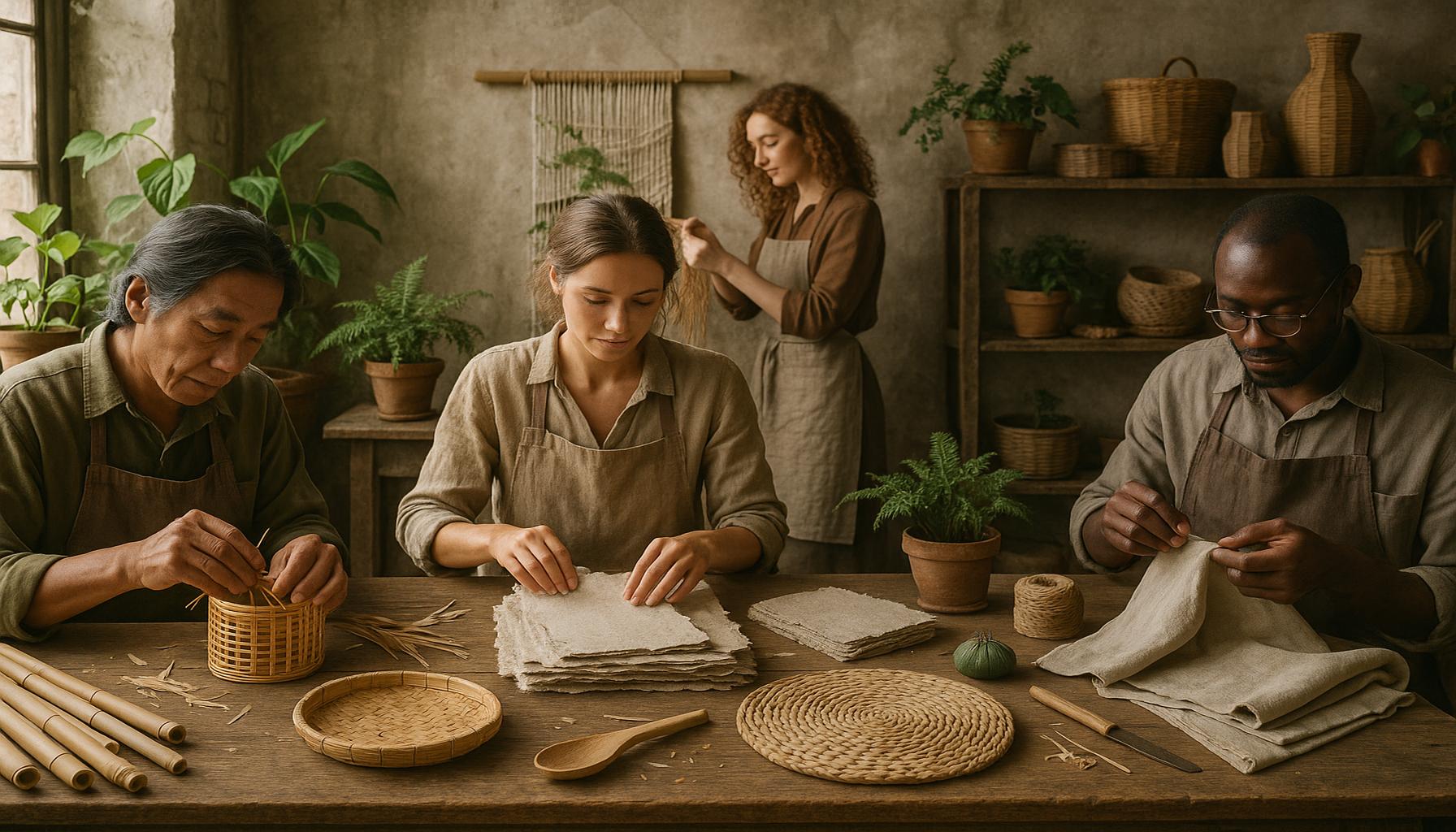
As we delve deeper into this phenomenon, it is essential to explore how these platforms facilitate not just the sale of handicrafts but also the evolution of traditional practices. The intersection of tradition and technology breeds a unique blend where age-old craftsmanship can get reimagined for a modern audience. For instance, artisans might experiment with contemporary designs or mixed materials to cater to current trends while still honoring their traditional roots.
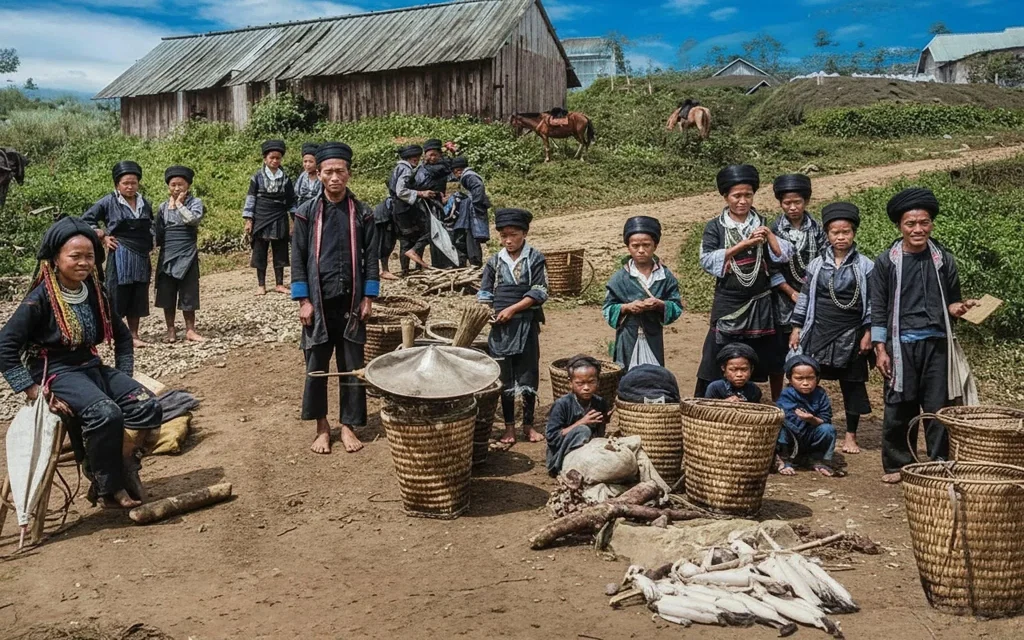
Artisans face the ongoing challenge of maintaining authenticity amidst the digital age’s demand for novelty and innovation. By examining this, we can uncover how artisans balance heritage with innovation. They must navigate the thin line between preserving traditional methods and adapting to the evolving tastes of consumers who are increasingly influenced by global trends.
Ultimately, the rise of social media in the handicraft industry not only transforms how these artisans reach their clientele but also molds the future landscape of craftsmanship itself, urging both consumers and creators to engage in more meaningful cultural dialogues.
DIVE DEEPER: Click here to discover more about diversity in literature
Navigating Trends in a Digital Marketplace
As social media continues to reshape the landscape of handicrafts, it’s essential to understand how influencers, trends, and user-generated content play a pivotal role in this transformation. The accessibility of platforms like Instagram and TikTok allows not only artisans but also consumers to engage in a communal celebration of craftsmanship. This participatory nature magnifies the potential for trends to emerge and proliferate at an unprecedented pace.
For example, the rise of the “handmade movement” in the United States has been fueled by shareable visual content, where users display their latest DIY successes online. This movement is more than just a passing fad; it represents a significant cultural shift towards valuing handcrafted goods over mass-produced items. As consumers increasingly search for authenticity and connection, they often look to social media to discover new styles, learn crafting techniques, or find inspiration for their own projects.
Social media has thus become a virtual marketplace where trends can rapidly ascend to virality, often propelled by certain pivotal factors:
- Visual Appeal: The striking visuals that artisans post can captivate audiences, drawing in potential buyers who are easily swayed by aesthetic presentations.
- Influencers and Collaborations: Partnering with popular social media influencers can expose artisans to a larger audience. A single post from a renowned content creator showcasing handcrafted items can lead to exponential increases in sales.
- Challenges and Hashtags: Engaging in viral challenges or utilizing trending hashtags can significantly amplify an artisan’s reach, enabling their works to be featured across various feeds.
- Community Interaction: Social media enables artisans to foster a sense of community through direct interaction with followers, where they can share behind-the-scenes content, engage in Q&A sessions, and build loyal customer bases.
The emergence of quick, digestible content – such as Instagram Reels or TikTok videos – has especially heralded a new approach to showcasing craftsmanship. Artisans can share short clips of their creative process, providing viewers with an engaging behind-the-scenes look. For instance, a sculptor sharing their method of shaping clay into artistic forms can inspire a newfound appreciation for the skilled hands behind the craft.
However, the inclination toward fast-paced trends presents its own set of challenges for artisans. While some crafts can benefit from viral attention, others risk losing their essence amidst the pursuit of the latest fad. The practice of balancing craftsmanship with consumer expectations calls for a careful balance; artisans must be discerning about which trends to adopt and which practices to uphold, thus preserving the integrity of their work.
In this digital age, the question arises: can traditional artisans adapt to the whims of social media while maintaining their cultural heritage? The exploration of this question sheds light on how artisans navigate the complex interplay of tradition and virality, reflecting a broader discourse on the evolution of handicrafts in the wake of social media’s unparalleled influence.
The Expanding Reach of Handicrafts Through Social Media
As social media platforms burgeon in popularity, the world of handicrafts has transformed dramatically. Artisans who once relied solely on local markets and word-of-mouth are now leveraging platforms like Instagram, Facebook, and Pinterest to showcase their talents on a global stage. This evolution has not only resulted in a wider audience but has also attracted diverse clientele interested in unique, handcrafted items.
Building Community Among Handcrafters
One of the most significant impacts of social media is the community-building aspect. Artists and crafters can now connect with like-minded individuals, share techniques, and foster collaboration across geographical boundaries. Hashtags such as #handmade, #artisan, and #craftcommunity have enabled users to discover new trends and learn from one another while promoting their work.
The Role of Virality in Product Popularity
The concept of virality has also played a crucial role in the rise of handicrafts. Social media enables the rapid spread of popular creations, pushing them into mainstream consciousness. A single viral post can turn an obscure craft into a must-have item almost overnight. This phenomenon is particularly beneficial for new artisans, providing opportunities for increased sales and brand recognition that would have been inconceivable in traditional market settings.
Sustaining Traditions in a Modern Context
While social media fosters innovation and virality, it also paves the way for the sustained appreciation of traditional crafts. By showcasing the stories behind each piece, artisans can educate consumers about cultural heritage, emphasizing the importance of preservation in an age of mass production. Social media users are often drawn to the narrative, seeking authenticity in their purchases and encouraging artisans to maintain their traditional practices.
Global Trends Influencing Local Crafts
In addition to creating a vibrant community, social media is a melting pot of global trends that impact local crafting scenes. Styles and techniques that may have originated in one part of the world can quickly influence makers elsewhere, creating a dynamic exchange of ideas. Online platforms act as breeding grounds for innovation, enabling artisans to experiment while remaining grounded in their roots.
| Category | Advantages |
|---|---|
| Global Exposure | Reaching audiences beyond local markets, increasing sales opportunities. |
| Community Support | Networking with fellow artisans and sharing techniques enhances creativity. |
| Cultural Preservation | Highlighting traditional crafts ensures they remain relevant in modern times. |
| Viral Trends | Trendy products can achieve mainstream success swiftly. |
Through these new opportunities and interactions, the world of handicrafts is not only thriving but is also being propelled into new realms, merging tradition with the vast and ever-evolving landscape of social media. Artisans and consumers alike are encouraged to engage with this unique cultural exchange, enriching their understanding of craftsmanship and community in the modern age.
DISCOVER MORE: Click here to learn about diversity in literature
The Role of Storytelling in Craft Appeal
Beyond mere visuals, the art of storytelling has emerged as a critical factor in enhancing the appeal of handicrafts in the social media sphere. As consumers become increasingly invested in the narratives behind products, artisans are discovering that sharing personal stories related to their creations not only captivates audiences but also fosters a deeper connection between creator and consumer. This expanding narrative encompasses aspects like the inspiration behind a craft, the techniques used, and the cultural significance of the materials.
Consider the case of a weaver in the American Southwest, whose handcrafted rugs not only reflect traditional patterns but also tell the stories of her ancestry and tribe. Through social media, she can share videos of her weaving process while intertwining tales of her family heritage, thus elevating her work from a mere product to an embodiment of rich cultural narrative. Such storytelling can ignite emotions in consumers, often leading them to feel more compelled to support artisans who place an emphasis on authenticity and tradition.
Moreover, there’s a growing trend of ‘transparency’ within the handicraft community, prompted partly by the rise of conscious consumerism. Consumers are often eager to understand the sourcing of materials, the techniques used, and the fair practices employed by artisans. Social media serves as a platform for artisans to showcase not just their craft but also their commitment to ethical practices, enabling consumers to make informed choices about their purchases. In this regard, social media acts as a bridge that connects the values of artisans with the expectations of consumers looking for ethical and sustainable products.
Embracing Diversity in Craftsmanship
The diverse landscape of social media also encourages artisans from various cultural backgrounds to celebrate and share their unique handicrafts. Platforms like Pinterest and Instagram provide an opportunity for marginalized voices to gain visibility, allowing artisans to tap into niche markets that may otherwise be difficult to reach. For instance, a potter utilizing indigenous techniques can showcase their distinctive styles and practices to an audience that appreciates unique histories and craftsmanship, linking them to a global community.
Furthermore, social media can democratize the landscapes of craftsmanship, allowing anyone—be it an experienced artisan or a hobbyist—to present their work. This increased access to showcasing creativity disrupts traditional barriers often upheld by artistic gatekeeping. A part-time craft enthusiast can go viral, capturing the attention of millions, which in turn can inspire professional artisans to rethink their marketing strategies. The challenge then becomes one of distinguishing one’s voice in a diverse marketplace saturated with creativity.
The Urgency of Adaptation
As the digital atmosphere shifts with emerging technology and changing consumer behaviors, artisans are faced with the urgency to adapt. Tools such as augmented reality (AR) are being integrated into social media platforms, allowing consumers to visualize handicrafts in their own spaces before purchasing. This innovation not only enhances the shopping experience but also serves as a new frontier for artisans looking to harness technology to their advantage. The incorporation of AR could very well be the next wave in ensuring that traditional craftsmanship maintains its relevance in a world that increasingly demands innovation alongside tradition.
In navigating these currents, artisans are not just adapting their craft; they are also learning to be savvy marketers. Balancing quality craftsmanship with media-savvy presence becomes a skill set in its own right, compelling artisans to diversify their talents. The intersection of tradition and virality becomes a rich tapestry that reflects contemporary culture, where respect for heritage coexists with the thrill of trends.
DISCOVER MORE: Click here to unlock powerful stories of transformation
Conclusion
In an era where the digital landscape profoundly shapes consumer behavior, the influence of social media on handicrafts is unmistakable. Artisans are not only preserving traditional techniques but are also embracing opportunities for storytelling, audience engagement, and market expansion. The blend of authenticity and modern marketing strategies is essential for artists striving to connect with a global audience.
As we’ve explored, the power of storytelling serves as a cornerstone in manifesting emotional ties between the creator and consumer. These narratives enrich the cultural significance of the crafts, allowing consumers to appreciate the deeper meanings behind each piece. Furthermore, the spotlight on transparency in sourcing materials and ethical practices meets the values of a growing demographic of conscious consumers, making it more vital than ever for artisans to be forthright about their creative processes.
The democratization of craftsmanship has also expanded access to niche markets, enabling diverse voices within the handicraft community to thrive. Social media platforms have become fertile ground for innovation, where a simple hobbyist can achieve viral acclaim, propelling even established artisans to reconsider their strategies for visibility and relevance.
Ultimately, as technology evolves and consumer expectations shift, artisans are called to adapt quickly. Harnessing tools like augmented reality presents exciting possibilities for enhancing consumer interaction while maintaining the essence of traditional artistry. In this intricate dance between tradition and virality, the future of handicrafts is vibrant and full of potential, encouraging artisans and enthusiasts alike to explore the boundless possibilities at the intersection of social media and cultural heritage.