The Intersection of Dance and Cinema: How Performing Arts Are Redefining Visual Narrative
The Interplay of Dance and Cinema
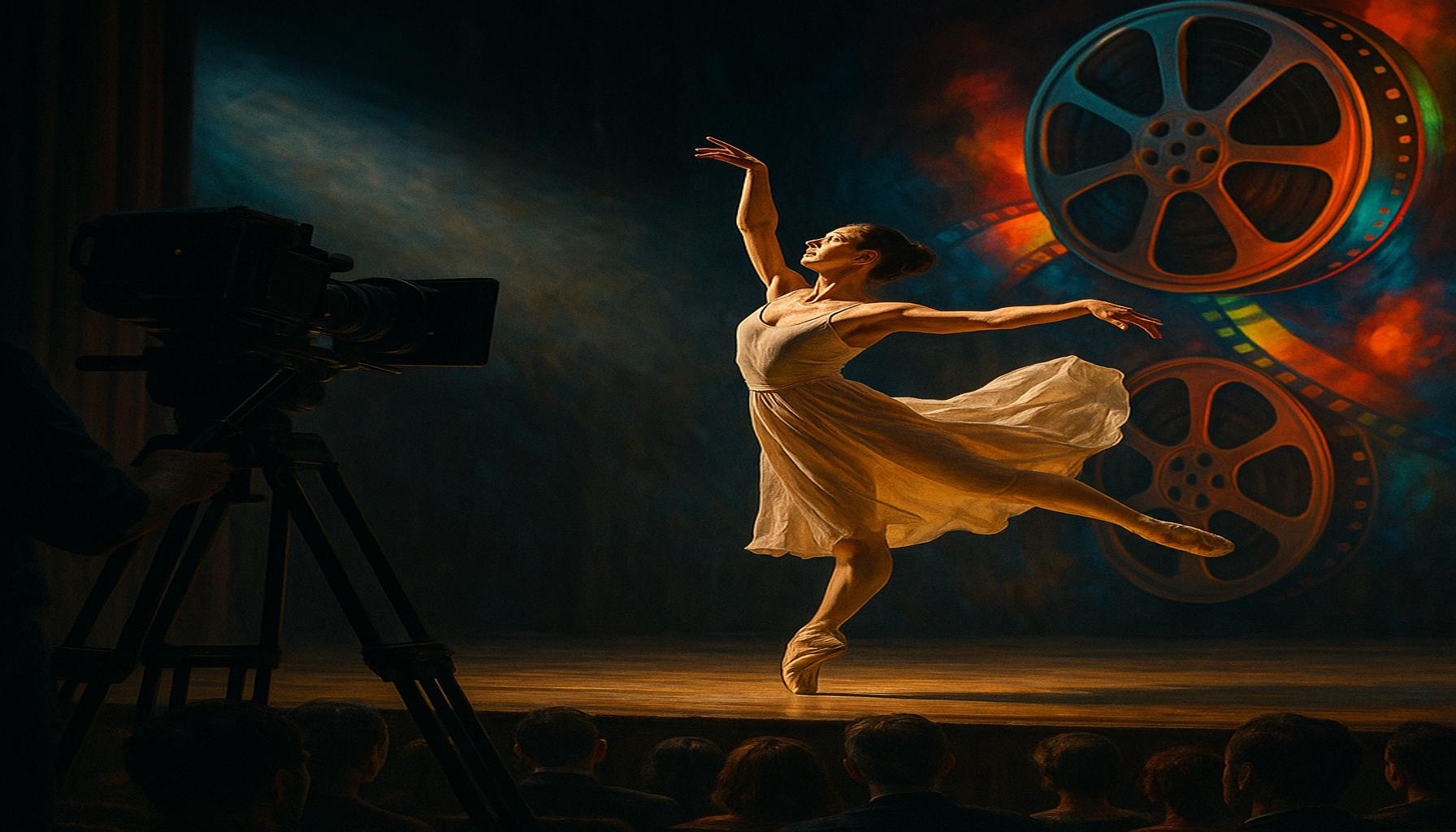
Dance and cinema have formed a complex partnership that has evolved over decades, manifesting in ways that transcend mere performance or visual representation. The synergy between these two art forms is not only a source of entertainment; it shapes perceptions and emotions, inviting audiences to engage on a more profound level. As filmmakers increasingly experiment with choreographed movement, the distinctions between dance and film dissolve, enriching the way stories are told.
This relationship is vibrant and multifaceted, with several key aspects that illuminate its significance:
- Choreography in Film: The integration of choreography into film can transform scenes into unforgettable experiences. In “La La Land,” for instance, the opening number “Another Day of Sun” seamlessly blends dance into the narrative, expressing hope and ambition while setting the film’s tone. Similarly, “Black Swan” employs dance to explore psychological depths, using ballet as both a competitive sport and a means of self-destruction, illustrating the duality of beauty and obsession.
- Visual Storytelling: Dance serves as a powerful storytelling device that transcends the limitations of spoken language. Through movement, emotions such as love, loss, and fear can be conveyed with striking clarity. For example, the poignant dance scene in “The Notebook” symbolizes the indelible connection between the characters, encapsulating their love story in a captivating way that resonates with viewers.
- Cultural Narratives: Films like “West Side Story” and “Step Up” exemplify how dance styles reflect cultural narratives and identities. “West Side Story,” which adapts Shakespeare’s “Romeo and Juliet,” uses dance to express the intense rivalry and cultural tensions between two groups, highlighting the significance of background in shaping life experiences. In “Step Up,” various dance styles represent personal journeys and community, showcasing talent and resilience within urban settings.
These elements illustrate that dance infuses a unique vibrancy and depth into film, allowing narratives to unfold in dynamic and unexpected ways. Rather than functioning merely as an embellishment, choreographed movement is an integral part of the cinematic experience that redefines storytelling.
As we explore the shifting paradigms within this interdisciplinary relationship, it becomes evident that the performing arts are more than ancillary components to cinema; they fundamentally reshape how stories are conveyed. The ways in which dance is interwoven into film will continue to evolve, presenting new opportunities for artistic collaboration.
Looking ahead, future filmmakers and choreographers should consider how this synergy can be harnessed to create innovative and meaningful works that captivate audiences. The fusion of dance and cinema not only enhances artistic expression but also invites viewers to engage with stories in a more connected and visceral manner.
DIVE DEEPER: Click here to learn more
The Power of Movement in Storytelling
The incorporation of dance into cinema is much more than just an aesthetic choice; it serves as a dynamic narrative tool that enhances the storytelling process in profound ways. Filmmakers have long recognized the ability of dance to convey emotional truths that dialogue alone may not capture. This harmony between movement and cinematography introduces audiences to a visceral experience, tapping into the universal language of body expression.
One of the most compelling aspects of the intersection of dance and cinema is how movement can convey complex emotions without a single word being spoken. Scenes that integrate choreographed performances often stand out as the emotional heart of a film. In “Dirty Dancing,” for instance, the climactic dance sequence between Baby and Johnny communicates their love and desire, culminating in a moment that speaks volumes beyond the script. This speaks to the influence of dance as a medium that transforms cinematic language, allowing deeper emotional connections to flourish.
The aesthetic evolution of dance within film reflects changing societal norms as well. Historically, dance sequences were relegated to the realms of musicals, where they served to entertain but lacked significant narrative weight. However, films like “Moonlight” and “Pina” showcase dance as a poignant vehicle for exploring identity and human experience. “Moonlight,” through its fluid movement, portrays the protagonist’s journey with vulnerability and authenticity, while “Pina,” a documentary by Wim Wenders, unveils the groundbreaking choreography of Pina Bausch, celebrating depth and emotion through movement.
Choreographers collaborating with directors have begun to create innovative sequences that blend styles and genres, contributing to a new language of visual storytelling. Notable examples include:
- Rocky Horror Picture Show: The cult classic employs campy dance routines to engage audiences in a whimsical yet thought-provoking exploration of sexual identity and societal norms.
- In the Heights: This film adaptation of Lin-Manuel Miranda’s musical beautifully marries contemporary choreography with traditional Latin dance, emphasizing cultural heritage and community resilience.
- Celebration of Dance Films: Documentaries like “Step Up: High Water” highlight different styles and subcultures, showcasing the accessibility of dance and its ability to unite diverse audiences in shared experiences.
These notable integrations reveal a growing recognition of dance as an essential narrative device rather than a mere embellishment. As contemporary motion pictures experiment more boldly with choreography, the lines between dance and traditional narrative structures blur. This continues to challenge filmmakers to think outside the box of conventional storytelling methods, inviting audiences to engage with characters and stories in new and uncharted ways.
The interwoven elements of dance and cinema create a rich tapestry that encourages viewers to rethink their understanding of narrative. As we delve deeper into the successful collaborations between choreographers and filmmakers, we uncover a shifting landscape where the performing arts play a transformative role in redefining visual narrative, paving the way for future explorations in cinematic creativity.
| Advantage | Details |
|---|---|
| Enhanced Storytelling | Dance in cinema articulates emotions and themes powerfully, creating a visceral connection to the audience. |
| Cultural Fusion | Incorporating diverse dance styles enriches films by showcasing various cultural narratives. |
| Unique Aesthetic | The choreography combined with visual elements adds a breathtaking layer to cinematic experiences. |
| Innovative Techniques | Filmmakers adopt new technologies that enhance the representation of dance, captivating audiences. |
As the realm of performing arts merges with cinema, a new narrative language emerges that transcends traditional storytelling methods. Filmmakers increasingly utilize choreographed expressions to convey complex emotions, allowing viewers to connect on a deeper level. Think of how modern dance sequences can evoke both joy and sorrow, all without a single spoken word. Moreover, the incorporation of disparate dance traditions opens doors to cultural dialogues that explore identity, history, and community. By highlighting underrepresented art forms, films are redefining the visual narrative landscape, pushing boundaries and inviting introspection.We are also witnessing groundbreaking aesthetic innovations where choreography becomes as critical to the narrative as the script itself. From lush visuals that blend movement with cinematography to the use of advanced filming techniques, the interplay between these arts captivates audiences and enhances their viewing experience.As dance and cinema continue to collaborate and innovate, they not only enrich each other but also inspire future artists, creating new avenues for creativity. The next wave of filmmakers and choreographers will inevitably carry this legacy forward, ensuring that the intersection of dance and cinema remains a vibrant facet of visual storytelling.
DISCOVER MORE: Click here to uncover deeper insights
Reimagining Choreography Through Cinematic Lenses
The evolution of film as a platform for dance has propelled choreographers to rethink their creative approaches, leading to pathways that transcend traditional boundaries. With the advent of advanced technologies and innovative filmmaking techniques, we witness a dynamic shift where choreography adapts to the unique capabilities of the camera. This reimagining of dance movement facilitates a deeper exploration of themes and narratives, seamlessly integrating the rhythm of body and lens.
Filmmakers are increasingly using cinematic techniques to enhance dance choreography, creating immersive experiences that captivate audiences. Techniques such as slow motion, aerial shots, and close-ups allow the viewer to appreciate the nuances of movement in unprecedented ways. Take, for example, the breathtaking dance sequences in “Fame,” where the use of varied angles and lighting illuminates the dancers’ artistry, magnifying both their physicality and emotional expression. It emphasizes how the choreography is not merely a spectacle but an integral thread woven into the film’s larger narrative.
The use of technology extends beyond filming techniques; it also includes digital elements that fuse live performance with animation and special effects. Movies like “The Red Shoes,” which transforming reality into a dreamlike realm through animation, reflect the limitless possibilities when dance and visual effects unite. These films demonstrate that dance can serve as a vital force, guiding the narrative through a dreamscape that resonates with the audience, leading them to introspection and emotional engagement.
Furthermore, the rise of dance in social media platforms offers fresh avenues for cinematic storytelling, reshaping how dance is consumed and appreciated. Platforms like TikTok and Instagram have spawned a digital revolution, where choreographers can create viral dances that carry their own narratives. These snippets, often shared widely, influence narrative structures in mainstream cinema. “Step Up” series has capitalized on this trend, drawing inspiration from viral dance challenges and infusing them into their storylines, appealing to a younger audience that resonates with relatable, quick-paced narratives.
In addition to the stylistic evolution, the collaborative spirit between choreographers and directors continues to thrive, leading to a burgeoning genre that prioritizes the synergy of dance and visual storytelling. Notable partnerships include that of director Damien Chazelle and choreographer Justin Peck in “La La Land.” Together, they crafted dance sequences that not only celebrate the fusion of jazz music and motion but also drive the film’s narrative forward, making the characters’ emotional journeys more palpable.
Moreover, the expressive power of dance is being harnessed to reflect social issues and cultural identity. Films like “Paris Is Burning” and “Black Swan” delve deeply into themes of representation, identity, and self-discovery through the lens of dance. In particular, “Black Swan” masterfully uses dance as a metaphor for ambition and the pressures of perfection, showcasing how this art form can communicate complex societal critiques while still achieving breathtaking visual artistry.
As the landscape of dance and cinema continues to evolve, it becomes evident that this intersection is not merely a trend but a transformative movement redefining visual narrative. With each innovative fusion of dance and film, new stories emerge, inviting audiences to experience the world through vibrant, kinetic expressions of life and emotion. This ongoing dialogue between performing arts and cinematography challenges creators to continuously push the boundaries of storytelling, further enriching the diverse tapestry of modern cinema.
DIVE DEEPER: Click here to learn how to enhance your hobby presentation on social media
Conclusion: A New Horizon of Storytelling
The intersection of dance and cinema is not just a mere blending of two art forms; it signifies a profound transformation in how stories are told and experienced. As we’ve explored, the advent of technological advancements and innovative filmmaking techniques has given rise to a myriad of possibilities where choreography can be intricately tied to visual narrative. With techniques like slow motion and immersive cinematography, filmmakers breathe new life into dance, allowing audiences to engage with it on a deeper emotional level.
Moreover, the integration of digital tools and the burgeoning influence of social media platforms has opened fresh avenues for storytelling. Viral dance trends and the collaboration between choreographers and directors serve to redefine the fabric of contemporary cinema. Films harnessing these evolving dynamics not only entertain but also provoke thought, challenging societal norms and cultural identities. The expressive capacity of dance offers a unique lens through which to examine significant themes, providing a rich platform for discourse and reflection.
As we move forward, one can only anticipate the exciting directions this intersection will take. The realm of dance-centric cinema is likely to evolve into an even more captivating landscape, pushing the boundaries of what narrative can be. In light of these developments, an invitation is extended to creators and audiences alike: delve into this evolving tapestry, explore the stories being told, and uncover the layers of meaning woven through the graceful movements of dance and the powerful frames of film. The conversation between these art forms continues, promising to drive a cultural renaissance in visual storytelling.