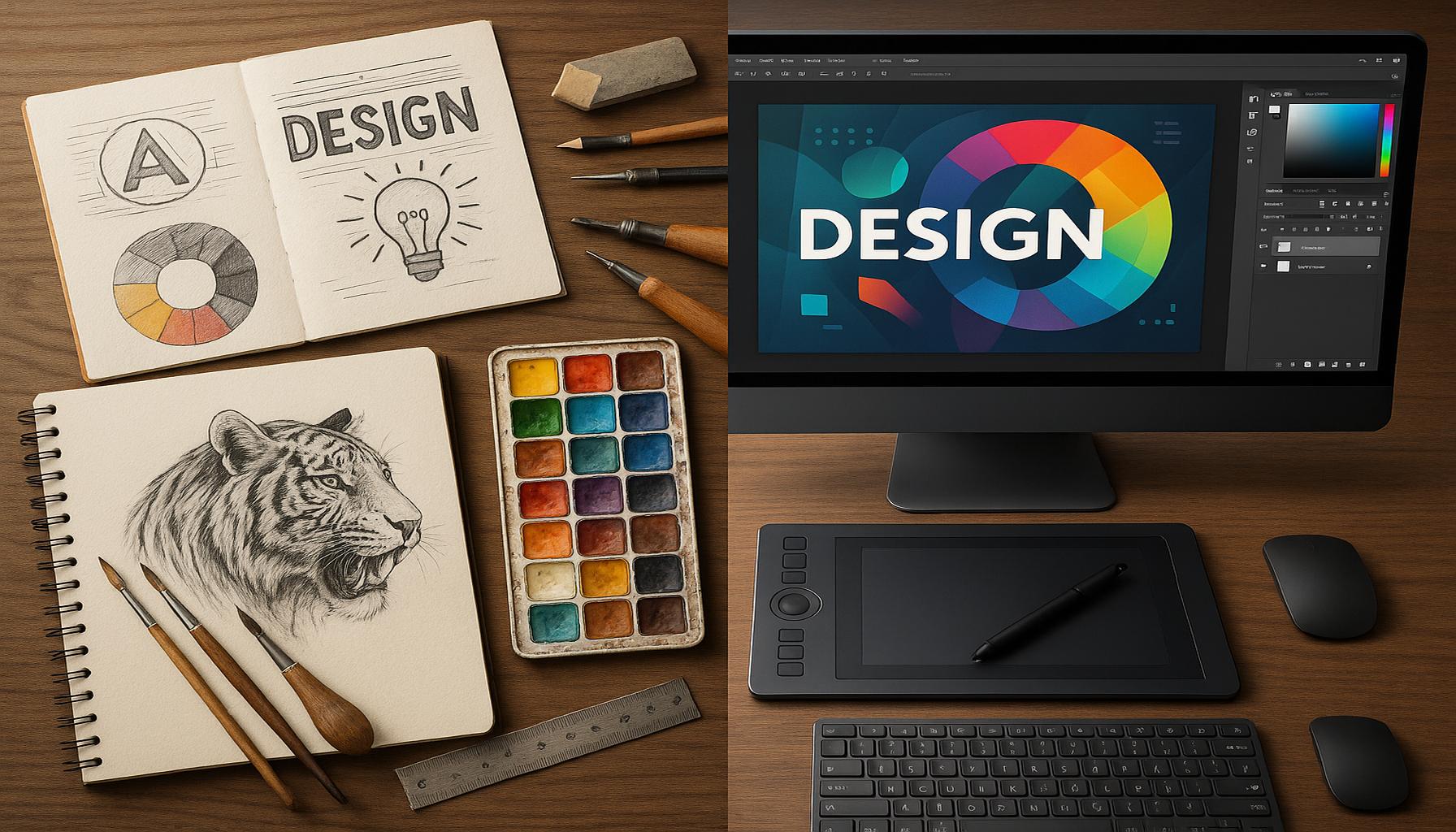
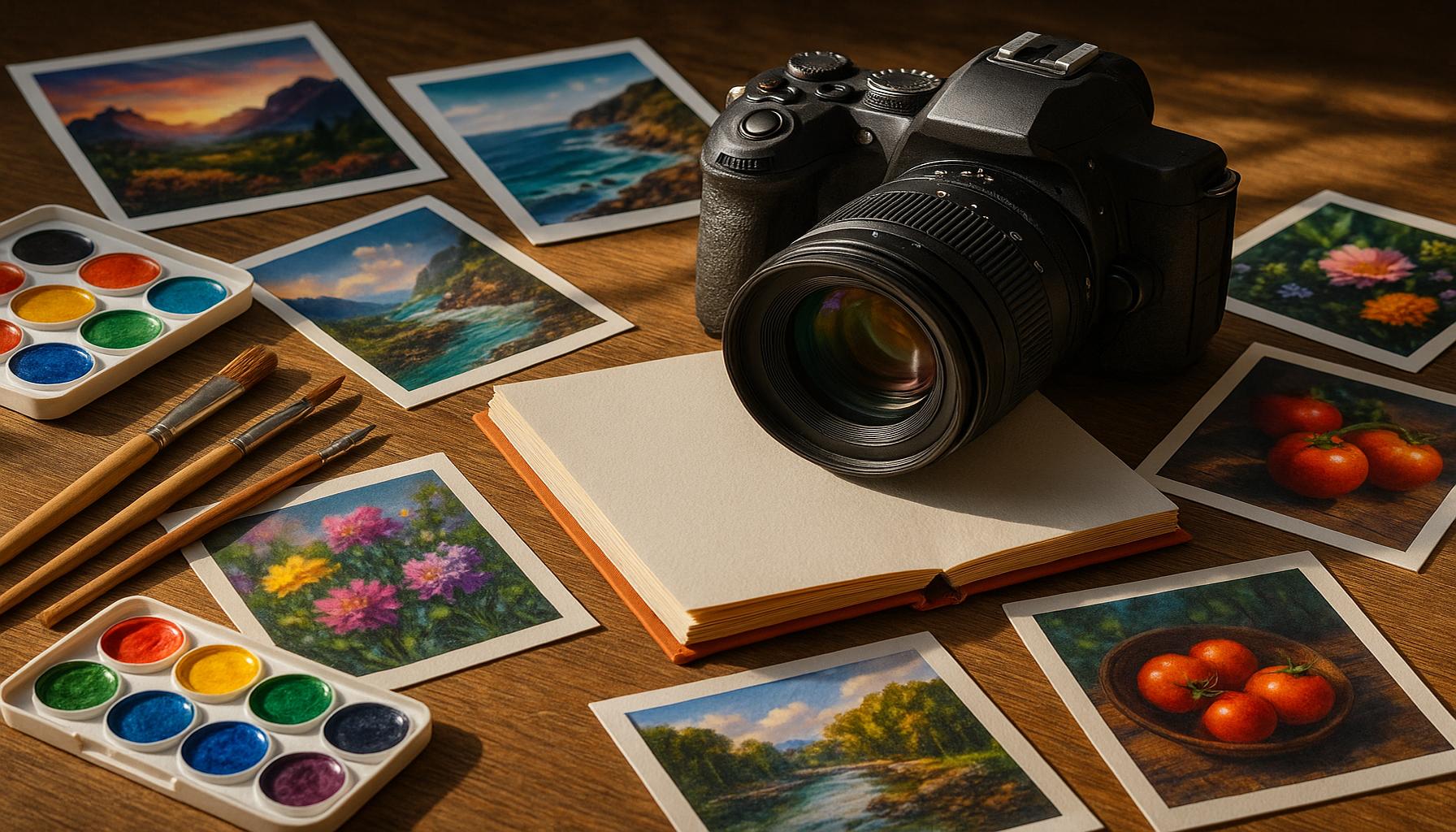
Visual Design Techniques for Creating Art Projects at Home
Exploring Visual Design Techniques
Transforming your home into a creative studio can be an exciting journey. Leveraging visual design techniques is essential for anyone looking to enhance their art projects. Whether you’re a beginner or an experienced artist, these methods can elevate the quality and impact of your final pieces, creating a more rewarding artistic experience.
One of the foundational concepts in visual design is color theory. Understanding how colors interact through their hues, tints, and shades can significantly impact the emotional response elicited by your artwork. For example, warm colors like reds and yellows can evoking feelings of warmth and energy, while cooler colors, such as blues and greens, can impart a sense of calm and tranquility. Artists can explore color palettes using tools like the color wheel or online resources like Adobe Color to find complementary and contrasting hues that enhance their message.
- Composition: The arrangement of elements within your artwork is vital for creating harmony and guiding the viewer’s eye. Techniques such as the rule of thirds or leading lines can provide structure and flow. Placing focal points according to these principles can increase viewer engagement and allow for a more intuitive experience.
- Texture: Incorporating a variety of materials and techniques—ranging from brushstrokes to mixed media—adds depth and dimension to your projects. For example, using sandpaper for a rough finish or acrylic mediums for a glossy effect can transform flat surfaces into multi-dimensional experiences.
Art is more than just aesthetics; it’s about conveying message and meaning. Exploring various design elements can expand your creative possibilities and expression.
- Line: The strategic use of lines not only creates structure and defines shapes but also influences movement within your art. Curvilinear lines can add softness and flow, while angular lines may impart a sense of energy and chaos.
- Space: Mastering the balance between filled and empty space is essential for enhancing your compositions. Negative space can draw attention to the subject and provoke thought, creating a dialogue between what’s there and what’s not.
- Form: Including three-dimensional elements can provide realism and intrigue. Sculptural elements or layered materials encourage viewers to interact with your art physically as well as visually, drawing them closer to appreciate intricate details.
Home art projects offer a unique opportunity for experimentation. By incorporating these techniques into your practice, you not only enrich your work but also nurture your artistic voice. Taking risks in your creative process often leads to unexpected and enriching results, allowing for personal and artistic growth.
Ready to dive into the world of visual design techniques? Discover how simple adjustments can transform your home-based art projects into captivating masterpieces that leave a lasting impact on your audience. The possibilities are endless; embrace creativity and watch your artistic skills flourish.
DIVE DEEPER: Click here to uncover the fusion of tech and creativity
Fundamentals of Visual Design in Home Art Projects
When embarking on your artistic endeavors at home, it’s essential to establish a strong foundation in visual design techniques. These techniques can transform everyday materials and spaces into a canvas for creativity, allowing artists to express themselves more effectively. By understanding and applying design principles, you can create compelling compositions that resonate with your audience.
One critical movement in art design is composition. The way you arrange elements within your artwork can dictate the viewer’s experience. Engaging with established principles such as the rule of thirds, where you divide your canvas into a grid, can enhance visual interest. This technique encourages you to place focal points along the lines or intersections, making your work more dynamic. Artists can also experiment with leading lines—paths within the artwork that guide the viewer’s eye towards the main focus or through the piece, creating a natural flow and inviting exploration.
Beyond composition, understanding the impact of texture can elevate your projects. Adding variety to surfaces through different techniques engages not just visual perception but also tactile interaction. For example, incorporating materials like fabric, wood, or sand can give a textural dimension that invites the viewer to connect on multiple sensory levels. Additionally, using techniques like collage or layering can create intriguing contrasts and complexity in your artwork.
Another pivotal element to explore is line. Lines are fundamental in defining form and structure in art. Consider how different types of lines—straight, curved, thick, or thin—can express emotions or thoughts. For instance, a series of sharp diagonal lines can create tension or excitement, while gentle, flowing lines suggest calmness or serenity. Incorporating various lines skillfully can lead to a compelling narrative within your artwork.
- Balance: Striking a balance between different elements—such as color, line, and texture—can unify your artwork and enhance its overall impact. Experimentation with symmetry and asymmetry can lead to visually striking results.
- Contrast: Utilizing contrasting colors, shapes, or sizes can create visual interest and emphasize key features of your work. This duality draws attention and can highlight the themes or messages you wish to convey.
- Harmony: Maintaining a sense of harmony among various components in your piece ensures that the artwork feels cohesive and complete. It can foster a connection between the viewer and the artist’s intent.
As you delve deeper into the world of visual design techniques, remember that experimentation is key. Don’t hesitate to deviate from traditional methods; the home art project landscape is ripe for innovation. Embrace your creativity and allow these principles to enrich your artistic expression while nurturing your unique vision. The process of exploration can lead to breathtaking results beyond your initial expectations.
| Advantages | Insights |
|---|---|
| Enhances Creativity | Visual design techniques stimulate imagination and drive artistic expression, allowing for unique home projects. |
| Cost-Effective Solutions | Utilizing materials at hand, these techniques offer affordable ways to create art while maintaining a professional look. |
| Mix Media Exploration | Encourages experimentation with various materials, fostering a diverse portfolio of work right at home. |
| Improved Focus | Engaging in such projects can enhance concentration and mindfulness, creating a therapeutic environment. |
Harnessing visual design techniques for art projects at home can truly diversify your artistic skills. These approaches not only foster individual creativity but also provide affordable methods to produce remarkable pieces. By incorporating elements from various media, artists can push the boundaries of their comfort zones and produce exceptional works. Additionally, the act of creating art helps enhance focus and provide a sense of tranquility, making it an effective way to unwind and reflect.Diving deeper into these advantages reveals a world of possibilities. Exploring color theory, understanding composition, and effectively utilizing space can make all the difference in achieving professional results. Whether you’re a seasoned artist or a novice looking to experiment, these techniques can significantly enrich your repertoire. Engage with visual design techniques and watch your artistic journey flourish from the comfort of your home.
DIVE DEEPER: Click here to discover the impact of craftsmanship
Exploring Color and Communication in Home Art Projects
As you embark on your artistic journey at home, the use of color can serve as one of the most powerful visual design techniques in your toolkit. Colors are not merely superficial; they evoke emotions, set moods, and even convey messages. Understanding color theory can profoundly influence your artwork and how it resonates with viewers. Familiarize yourself with concepts such as the color wheel, which organizes colors into primary, secondary, and tertiary categories, allowing you to explore harmonious pairings and contrasts. For instance, complementary colors, which sit opposite each other on the wheel, can create striking visual tension that captures attention.
The psychological effects of color are also crucial to consider. Warm colors like red and orange often evoke feelings of energy and passion, while cooler colors like blue and green convey calmness and tranquility. By strategically selecting your color palette, you can guide the viewer’s emotional response to your work, enhancing the overall impact. A simple exercise to explore this concept is to create several miniature compositions using different color schemes: a warm palette, a cool palette, and a monochromatic scheme. Observing the emotional differences in each piece can provide vital insights into effective color usage.
Incorporating Patterns and Shapes
Another fascinating aspect of visual design is the use of patterns and shapes. Patterns can add rhythm and visual “music” to your art projects, while shapes provide a structural framework. When creating patterns, consider the scale; large patterns often command attention, while smaller ones can serve as subtle enhancements. For DIY projects, items such as stencils, stamps, or even natural elements like leaves can be employed to develop unique patterns that celebrate your personal style.
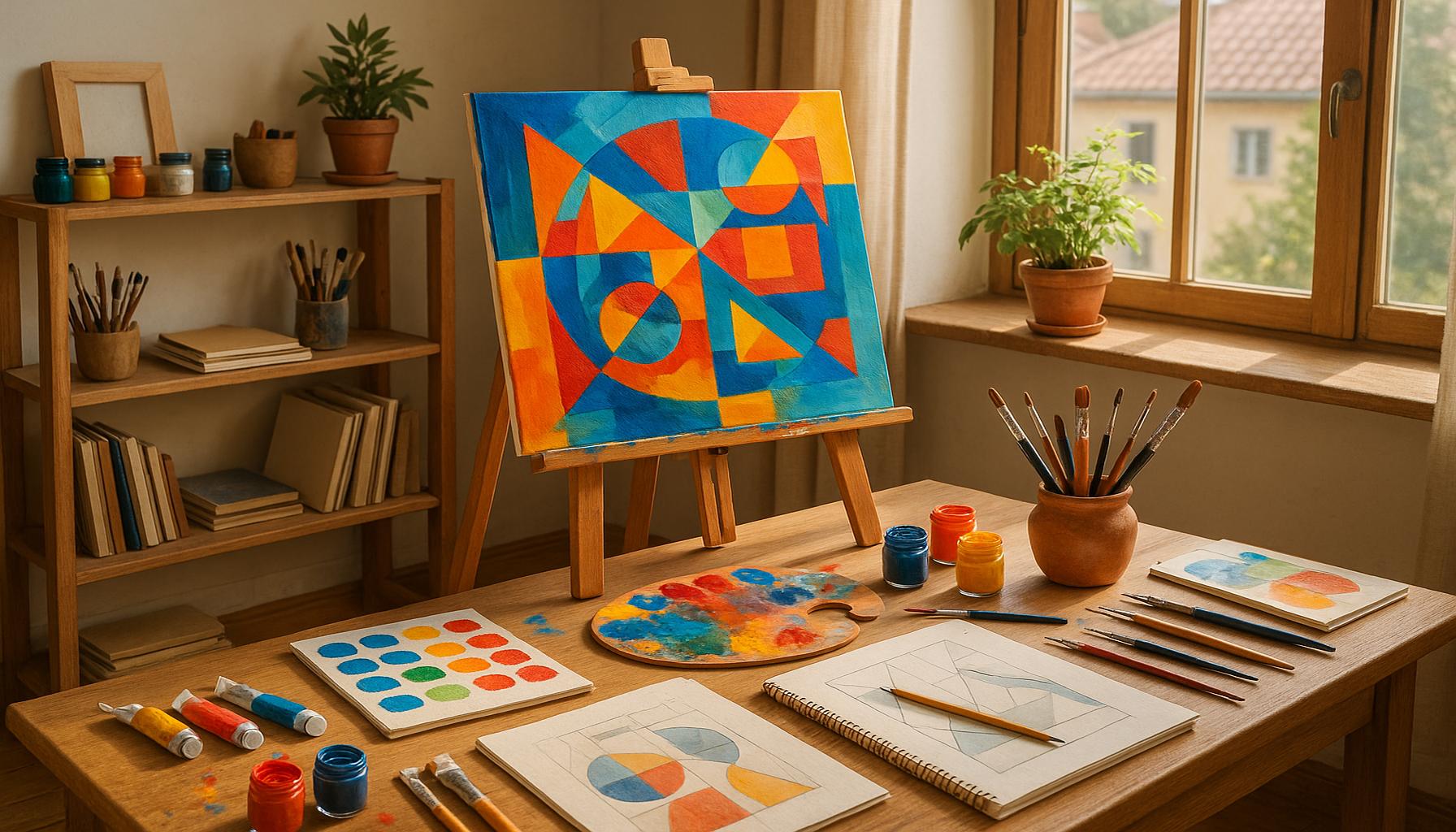
Shapes play a similar role in design. The interplay between geometric shapes, such as squares and circles, can convey different feelings. Geometric shapes tend to feel more structured and stable, while organic, freeform shapes evoke a sense of movement and fluidity. Try mixing various types of shapes in your artwork to generate contrast and interest. This technique can be particularly effective in abstract projects, where the combination of shapes can create a narrative or visual path for the viewer to follow.
Emphasizing Space and Depth
Understanding space and depth is another vital aspect of visual design. The concept of positive and negative space can help you achieve balance and harmony in your compositions. Positive space refers to areas occupied by subject matter, while negative space refers to the background or unoccupied areas. Effectively utilizing both can create a sense of depth and dimension in your artwork. Consider trying different techniques, such as overlapping elements or utilizing atmospheric perspective, where objects appear lighter and less detailed the further away they are.
- Foreground, Midground, and Background: Delineating these spatial layers within your composition can enhance three-dimensionality. Use varied levels of detail and saturation to distinguish layers.
- Shadow and Light: Incorporating shadows can further enrich the perception of depth. Clear differentiation between light and dark areas within a piece can dramatically influence how forms are perceived.
As you apply these visual design techniques in your home art projects, remember that there is no right or wrong way to express your creativity. Explore these concepts freely, and let them inspire innovative expressions that reflect your artistic voice.
DISCOVER: Click here to learn how writing can heal
Conclusion: Unlocking Your Creative Potential at Home
In conclusion, exploring visual design techniques can greatly enhance your ability to create impactful art projects at home. By understanding the intricacies of color, you can evoke specific emotions and create dynamic interactions within your artwork. Harnessing psychological insights about color psychology not only allows you to choose hues that resonate with your audience but also enables deeper personal expression.
The utilization of patterns and shapes adds an essential layer of rhythm and depth to your creations. Experimenting with various shapes can transform ordinary compositions into engaging narratives that draw viewers in. Similarly, by effectively manipulating space and depth, you can create an immersive visual experience, guiding the observer’s eye through foreground, midground, and background elements. These techniques breathe life into your work, making it not just visually appealing but also compelling and memorable.
Ultimately, the most crucial aspect of your artistic journey is to embrace the process of creation. Allow yourself the freedom to experiment with these design techniques, resulting in unique art pieces that reflect your voice and style. Remember, there are no strict rules in art – just opportunities for exploration. So gather your supplies, unleash your imagination, and take full advantage of the endless possibilities that lie within the world of home art projects. Your creative potential is waiting to be discovered!