
Advancements in Healthcare Through Machine Learning
The integration of machine learning within the healthcare sector is reshaping how medical professionals approach diagnosis, treatment, and patient care. This innovative technology plays a pivotal role in enhancing operational efficiency and the accuracy of healthcare services. With the remarkable capacity to analyze vast amounts of data, machine learning transforms traditional healthcare practices into evidence-based, data-driven systems.
Key benefits of machine learning in healthcare include:
- Predictive Analytics: The use of historical data to make predictions about future events, such as disease outbreaks and patient deterioration, allows healthcare providers to intervene proactively. For instance, hospitals can analyze patient data to predict which individuals are at risk for conditions like diabetes or heart disease, enabling early intervention that can drastically improve outcomes.
- Personalized Medicine: By tailoring treatment plans to an individual’s unique genetic profile and health history, machine learning enhances the effectiveness of therapies. An example is how oncologists are using machine learning algorithms to analyze tumor genetics to determine the most effective chemotherapy regimen, thus increasing the likelihood of treatment success while minimizing side effects.
- Medical Imaging: Advanced algorithms in radiology are improving diagnostic accuracy in interpreting complex radiological scans. For example, machine learning has been employed to detect early-stage cancers in mammograms more efficiently than traditional methods, leading to earlier treatments and better patient outcomes.
- Drug Development: The drug research process has been significantly expedited by machine learning technologies that identify viable drug candidates more efficiently. Using historical drug interaction data, algorithms can predict which compounds are most likely to succeed in clinical trials, saving pharmaceutical companies time and resources.
Recent studies have shown that hospitals implementing machine learning solutions reported a significant reduction in operational costs and an increase in patient satisfaction. For instance, a case study involving a prominent healthcare system in California noted that automating scheduling through predictive algorithms reduced wait times by 30%, leading to improved patient experiences. This growing trend has sparked interest across various healthcare domains, particularly within the United States, where technological investment in healthcare is booming.
As the technology evolves, many healthcare providers are exploring how machine learning can further transform patient care and operational procedures. With ongoing research and development, the future implications of machine learning in the industry could be groundbreaking, offering potential solutions to longstanding challenges such as healthcare accessibility and affordability. This article will delve into real-world applications, the challenges faced in implementation, and prospectively transformative innovations awaiting the healthcare sector, a crucial focus for stakeholders invested in the future of healthcare.
DISCOVER MORE: Click here to explore the future of urban mobility
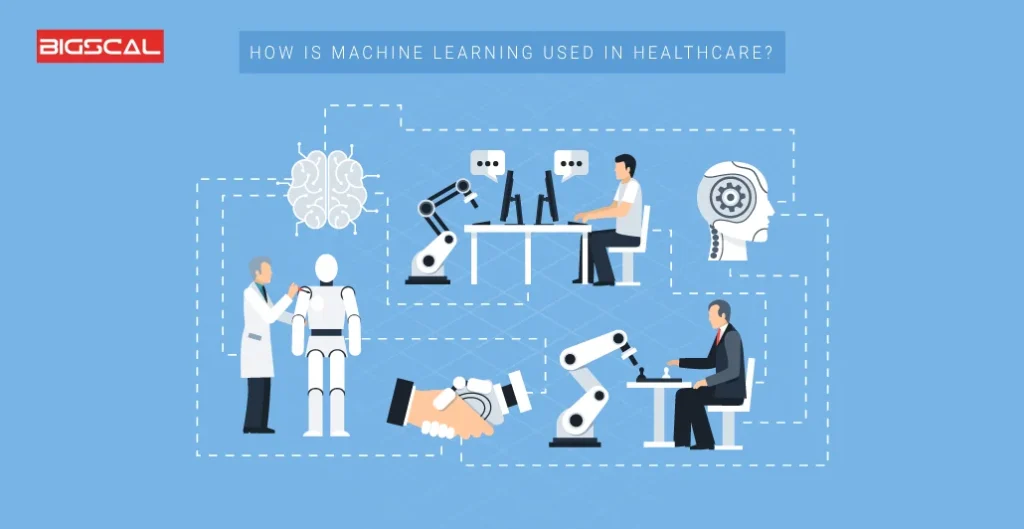
Revolutionizing Patient Diagnosis and Treatment
The integration of machine learning in healthcare is not merely a trend; it is a powerful transformation that is enhancing the way medical professionals diagnose diseases and develop treatment plans. With traditional methods often requiring extensive manual analysis, machine learning algorithms streamline these processes, resulting in more accurate and timely decisions. One of the key areas where this technology is making an indelible impact is in the field of patient diagnosis.
Diagnostic Accuracy is one of the most significant areas of improvement facilitated by machine learning. Recent advancements in natural language processing enable algorithms to analyze electronic health records (EHRs) and extract meaningful insights that would otherwise be buried in large datasets. For example, a study published in a prominent medical journal highlighted how an algorithm developed at a leading U.S. hospital could review notes and make diagnostic predictions that matched the accuracy of expert physicians. This not only reduces the margin of human error but also aids healthcare professionals in making quicker decisions.
Furthermore, machine learning-enabled tools can assist in identifying patterns and correlations that might escape human observation. By analyzing data from various sources including lab tests, medical histories, and even social determinants of health, these algorithms can suggest potential diagnoses that guide healthcare providers toward more appropriate treatments. Estimates from healthcare analytics firm Optum indicate that implementing machine learning-driven diagnostic tools has the potential to improve diagnostic accuracy by up to 20%.
In addition to diagnostics, machine learning also plays a crucial role in streamlining administrative tasks within healthcare organizations. From optimizing staffing schedules to managing patient flow, these technologies enhance operational efficiency, thereby allowing healthcare professionals to focus more on patient care. For instance, predictive analytics programs can forecast patient admission rates and help hospitals allocate resources effectively, minimizing operational downtime and improving service delivery.
Telemedicine, an area that gained traction during the COVID-19 pandemic, is another sector where machine learning is proving to be transformative. With the rise of virtual consultations, machine learning algorithms analyze patient data to prioritize cases based on urgency, ensure more efficient triage processes, and help in remote monitoring of chronic conditions. For example, companies that develop wearable health devices utilize machine learning to generate insights from real-time data, which can then be shared with healthcare providers to tailor treatment plans accordingly.
Challenges in Implementing Machine Learning
While the potential benefits of machine learning in healthcare are enticing, significant challenges remain. Chief among these is the need for comprehensive data governance and cybersecurity measures. The integration of machine learning systems requires access to vast amounts of sensitive health data, raising concerns about privacy and the risk of data breaches. As regulations evolve, healthcare providers must navigate complex legal environments while ensuring compliance with HIPAA and other statutes concerning patient information.
In conclusion, the current landscape reflects a growing acceptance of machine learning as a vital tool for enhancing patient diagnosis, optimizing administrative tasks, and fostering collaboration through telemedicine. However, as organizations embrace this transformative technology, they must also address the challenges it presents in terms of data security and compliance. The interplay between opportunity and responsibility will shape the future of machine learning in the healthcare sector, paving the way for innovations that could revolutionize how care is delivered.
| Advantage | Description |
|---|---|
| Enhanced Diagnostics | Machine learning algorithms analyze vast datasets to identify patterns in patient symptoms, leading to earlier and more accurate disease detection. |
| Personalized Treatment Plans | By leveraging data on patient history and genetic information, ML systems tailor treatment recommendations, boosting treatment effectiveness and patient satisfaction. |
The profound impact of machine learning (ML) in the healthcare industry cannot be overstated. As a robust tool for data analysis, ML enables healthcare professionals to delve deep into patient data, uncovering insights that were previously unimaginable. For instance, ML is revolutionizing diagnostics by implementing techniques such as predictive modeling, which enhances the accuracy of early disease detection.Moreover, the creation of personalized treatment plans based on an individual’s unique genetic and clinical data sounds promising as it reshapes patient care. The potential for ML to tailor solutions specifically enhances the effectiveness of treatments and promotes a more patient-centered approach to healthcare. This personalized methodology not only optimizes therapeutic outcomes but significantly increases patient compliance and overall healthcare efficiency.As we explore these advantages, it is also essential to understand the challenges and implications of integrating such technologies into existing healthcare systems. This ensures a balanced view of how machine learning might drive the industry forward, fostering further discussions on its ethical and operational dimensions.
DISCOVER MORE: Click here to dive deeper
Enhancing Drug Discovery and Development
The journey from initial drug discovery to market readiness is often a lengthy and expensive process, typically taking over a decade and costing billions of dollars. However, machine learning is catalyzing a paradigm shift in pharmaceutical research and development, streamlining this arduous journey. By utilizing algorithms that can learn from vast datasets, researchers are now equipped to identify potential drug candidates with unprecedented speed and precision.
Predictive modeling is at the forefront of this innovation. Machine learning can analyze biological data to predict how various compounds will interact with specific biological targets. For instance, a notable collaboration between tech giants and pharmaceutical firms has led to the development of AI models that successfully identify effective drug compounds early in the research process. A study revealed that these algorithms could predict the success rates of drug candidates with a 90% accuracy, thus significantly reducing the number of trials that fail during later stages.
Moreover, machine learning algorithms are transforming clinical trial design. By analyzing previously collected patient data, these systems can help to design more efficient trials that focus on the most promising candidates. They can also aid in identifying suitable patient populations, optimizing treatment regimens, and even determining trial endpoints. A recent clinical trial for a cancer drug illustrated this impact: leveraging machine learning resulted in a 30% reduction in recruitment times, allowing researchers to expedite bringing essential therapies to market.
However, machine learning’s contributions extend beyond drug development; it also has implications for personalized medicine. This approach tailors treatments to individual patients based on their genetic makeup, lifestyle, and other unique factors. Machine learning algorithms analyze genomic data and identify biomarkers that can predict how patients will respond to specific treatments. A prime example can be found in oncology, where genomic profiling has been increasingly adopted. One study demonstrated that utilizing machine learning to analyze tumor genomes was instrumental in identifying targeted therapies for over 60% of patients with metastatic breast cancer, showcasing a significant leap toward personalized treatment strategies.
Ethical Considerations and Future Directions
While machine learning has the potential to vastly improve the healthcare landscape, it is essential to address the significant ethical considerations that accompany its implementation. Issues like algorithmic bias can have dire consequences, as biased data can lead to disparities in treatment outcomes. Ensuring that datasets are representative of diverse populations is critical to achieving equitable healthcare solutions. For example, a 2021 report highlighted concerning disparities in machine learning models used for diagnosing skin cancer, where algorithms were less accurate when evaluating skin conditions in people of color, leading to potentially harmful underdiagnosis.
Future directions for machine learning in healthcare are exceedingly promising. As technology evolves, we can anticipate more sophisticated algorithms that integrate diverse datasets, including social and environmental factors, to provide a holistic view of patient health. The potential for interoperability between healthcare systems supports this vision, making it easier for healthcare providers to access and share patient data, allowing machine learning models to offer even deeper insights.
The healthcare industry stands at a pivotal juncture in its relationship with machine learning, filled with potential for groundbreaking advances. As providers, researchers, and technologists work synergistically, the possibilities for improvement in patient care and outcomes are boundless, but it is crucial to tread carefully, ensuring innovation goes hand in hand with ethics and equity.
DIVE DEEPER: Click here to explore the impact of deep learning in medicine
Conclusion: Embracing the Future of Healthcare with Machine Learning
The integration of machine learning into the healthcare industry signifies a pivotal advancement in not only clinical practices but also patient care as a whole. As we have explored, machine learning plays a transformative role in various areas, from enhancing drug discovery to revolutionizing personalized medicine and optimizing clinical trial design. These applications are not just trends; they represent a seismic shift in how healthcare professionals approach diagnosis, treatment, and patient management.
Despite the remarkable promise machine learning holds, it is vital to remain vigilant about the ethical considerations that accompany its implementation. Issues such as algorithmic bias and disparities in treatment outcomes must be addressed to ensure equitable healthcare for all populations. Notably, as machine learning systems become more sophisticated, they must be developed with inclusivity in mind, incorporating diverse data sets to avoid compromising patient safety and effectiveness.
As we look to the future, the ongoing collaboration between tech innovators and healthcare providers holds immense potential for breakthroughs that could redefine patient experiences and outcomes across the United States and beyond. Healthcare systems that embrace these advanced technologies stand to gain unparalleled insights into health patterns and trends, allowing for preemptive care strategies and a more resilient healthcare infrastructure.
In conclusion, the journey of incorporating machine learning into healthcare is just beginning, and its impact is bound to expand exponentially. As stakeholders navigate this evolving landscape, a commitment to innovation, ethical responsibility, and patient-centered care will be essential to unlocking the full spectrum of benefits that machine learning promises to deliver.