Robotics Automation

Ethical Challenges of Robotic Automation in Work Environments

The increasing adoption of robotic automation in workplaces raises significant ethical challenges, including job displacement, skills gaps, and data privacy concerns. Striking a balance between technological advancement and ethical responsibility is crucial for fostering a fair workforce and ensuring holistic employee well-being in the evolving job landscape.

Ethical Challenges of Robotic Automation in Work Environments Read Post »

The Evolution of Human-Robot Interaction in Service Automation

The evolution of human-robot interaction in service automation highlights advancements in AI, communication, and task versatility. Robots are transforming industries by enhancing efficiency, personalizing customer experiences, and redefining workforce dynamics. This integration promises innovative solutions while emphasizing the importance of ethical considerations and collaborative intelligence for future success.

The Evolution of Human-Robot Interaction in Service Automation Read Post »

The Influence of Robotic Automation on Sustainability and Waste Reduction

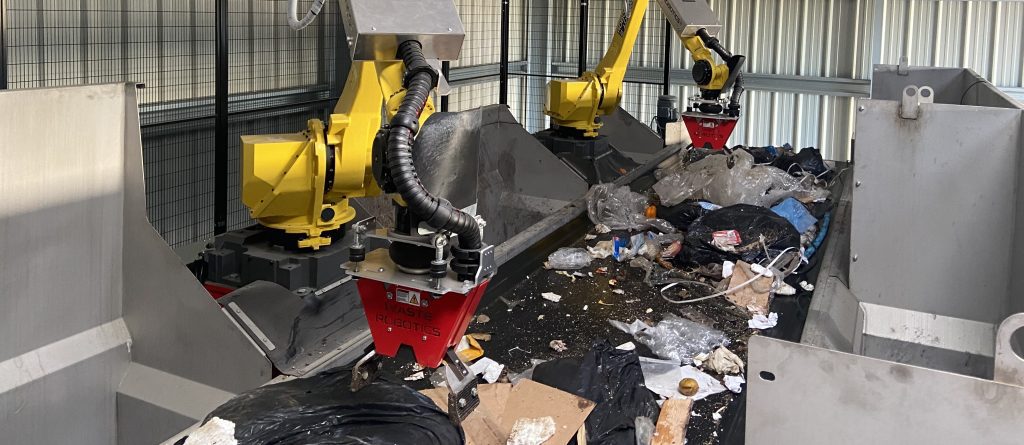
Robotic automation is revolutionizing industries by enhancing sustainability and reducing waste. By optimizing production, energy management, and recycling processes, automation technologies are streamlining operations and minimizing resource consumption. This innovation drives significant reductions in carbon emissions, supporting businesses in achieving their sustainability goals and fostering environmental responsibility.

The Influence of Robotic Automation on Sustainability and Waste Reduction Read Post »

Robotic Automation and Digital Transformation in Supply Chains

Robotic automation is revolutionizing supply chains by enhancing efficiency, reducing costs, and improving accuracy. This integration, fueled by digital transformation, equips companies to meet consumer demands and navigate complexities. Embracing these technologies is essential for organizations striving for resilience and competitiveness in today’s dynamic market landscape.

Robotic Automation and Digital Transformation in Supply Chains Read Post »

Artificial Intelligence and Ethics in Automation: Challenges and Solutions

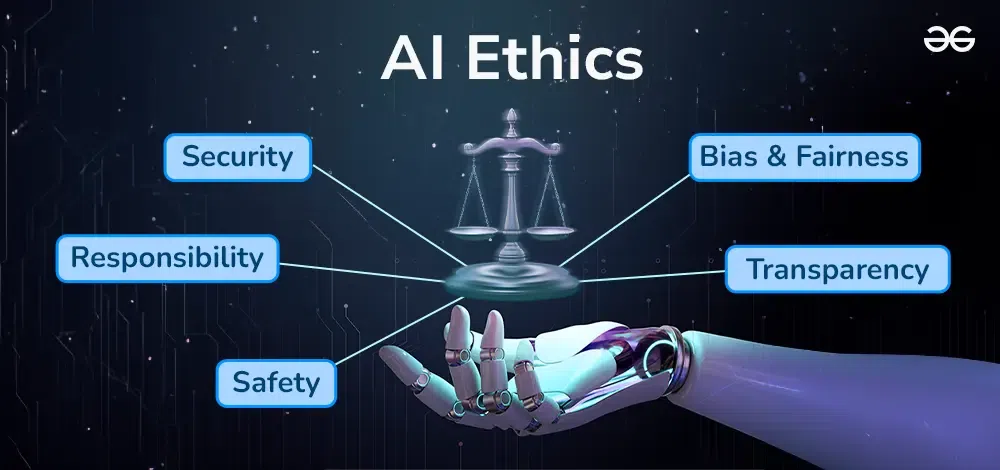
The integration of Artificial Intelligence in automation presents significant ethical challenges, including job displacement, algorithmic bias, and accountability. Proactive solutions, such as ethical guidelines, transparency, and workforce reskilling, are essential to navigate these complexities and ensure AI technologies contribute positively to society and maintain fairness.

Artificial Intelligence and Ethics in Automation: Challenges and Solutions Read Post »

Autonomous Robotics and the Future of Urban Mobility

The progression of autonomous robotics is revolutionizing urban mobility, promising safer, more efficient, and eco-friendly transportation. By integrating intelligent technologies and smart infrastructure, cities enhance accessibility and reduce environmental impact, while addressing safety and regulatory challenges. This transformation aims for a future where urban travel becomes seamless for all citizens.

Autonomous Robotics and the Future of Urban Mobility Read Post »

Robots in Education: Enhancing Learning with Artificial Intelligence

The integration of robots in education harnesses artificial intelligence to revolutionize learning experiences. By promoting personalized and interactive environments, these technologies enhance student engagement, foster inclusivity, and prepare learners for future careers in STEM fields. This innovative approach combines technology and teaching, shaping a brighter educational landscape.

Robots in Education: Enhancing Learning with Artificial Intelligence Read Post »

The Revolution of Robotic Automation in Agriculture: Efficiency and Sustainability

Robotic automation is transforming agriculture by enhancing efficiency and sustainability. This innovative technology aids precision farming, automated harvesting, and resource conservation, addressing labor shortages and reducing environmental impact. As farmers embrace robotics, they ensure food security while promoting eco-friendly practices for a sustainable agricultural future.

The Revolution of Robotic Automation in Agriculture: Efficiency and Sustainability Read Post »

Development of Collaborative Robots: The New Frontier of Automation in Small Businesses

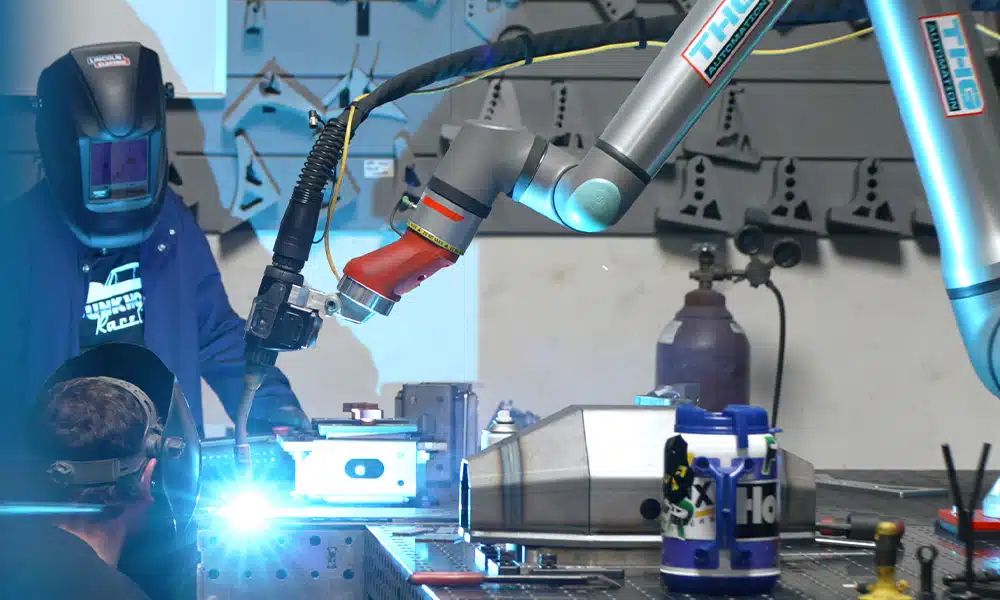
Collaborative robots, or cobots, are revolutionizing automation in small businesses by enhancing efficiency, safety, and flexibility. Working alongside human operators, these user-friendly machines empower employees, reduce costs, and enable rapid adaptation to market changes, marking a significant advancement in the automation landscape for small enterprises.

Development of Collaborative Robots: The New Frontier of Automation in Small Businesses Read Post »

Integration of Robotics Systems with Artificial Intelligence in Healthcare

The integration of robotics systems with artificial intelligence in healthcare is revolutionizing patient care, enhancing diagnostics, surgical precision, and real-time monitoring. This technological synergy promises improved outcomes, personalized treatment plans, and increased efficiency, ultimately reshaping healthcare delivery and enhancing the patient experience.

Integration of Robotics Systems with Artificial Intelligence in Healthcare Read Post »

Robotics and the Transformation of the Labor Market: The Future of Employability

The rise of robotics and automation is reshaping the labor market, impacting job availability and demands for new skills. As industries evolve, opportunities in tech-focused roles emerge, necessitating a focus on reskilling and soft skills. Embracing lifelong learning will be vital for future employability in this automated landscape.

Robotics and the Transformation of the Labor Market: The Future of Employability Read Post »

Security Challenges in the Implementation of Automated Robotics in Urban Environments

The integration of automated robotics in urban environments offers significant benefits but also presents substantial security challenges. Key concerns include data security vulnerabilities, cybersecurity threats, and the need for robust legal frameworks. Addressing these challenges is essential for ensuring public trust and the safe advancement of smart city technologies.

Security Challenges in the Implementation of Automated Robotics in Urban Environments Read Post »

Scroll to Top
serversdesktop.com
Privacy Overview

This website uses cookies so that we can provide you with the best user experience possible. Cookie information is stored in your browser and performs functions such as recognising you when you return to our website and helping our team to understand which sections of the website you find most interesting and useful.