
Redefining Automation
The emergence of collaborative robots, often termed cobots, signifies a crucial shift in the realm of automation, especially for small businesses. Unlike traditional industrial robots, which often operate in isolation, cobots are engineered to work alongside human operators. This remarkable design enhances workplace efficiency while ensuring that employees remain integral to the production process. The advent of cobots has dramatically democratized automation, enabling smaller enterprises to compete more effectively against their larger counterparts.
Key Features of Collaborative Robots
The integration of cobots can profoundly influence small businesses, providing several significant features:
- Safety: Cobots are equipped with advanced sensors and safety mechanisms that detect human proximity, allowing them to halt operations if someone comes too close. This characteristic minimizes workplace accidents and fosters a safer working environment.
- Flexibility: These robots are remarkably adaptable. With user-friendly programming, cobots can be re-configured to perform a multitude of tasks across various workflows, whether in manufacturing, packaging, or assembly lines, making them suitable for diverse business needs.
- Cost-effectiveness: The upfront investment required for cobots is significantly lower compared to traditional automation systems. Moreover, the fast deployment of these robots means that businesses can see a quicker return on their investment, often within a year.
Advantages for Small Businesses
The advantages of incorporating collaborative robots into small enterprises are extensive, paving the way for enhanced operational capabilities:
- Enhanced Efficiency: By automating routine and repetitive tasks such as pick-and-place operations or quality inspections, cobots allow human employees to redirect their focus toward more strategic, high-value tasks that demand critical thinking and creativity.
- Increased Production: With their ability to work continuously, cobots can support human workers during peak demand periods without fatigue, thus maximizing output and ensuring that customer orders are met promptly.
- Skill Augmentation: Collaborating with cobots enables workforces to improve their skills as they engage in more sophisticated operations. This collaboration fosters a culture of learning and adaptability, essential attributes in today’s rapidly evolving marketplace.
As collaborative robots continue to advance technologically, extending their potential will be crucial for the growth and success of small businesses. Moreover, industries such as manufacturing, logistics, and even healthcare are progressively embracing this technology. As these cobots become commonplace, they present an exciting frontier for small enterprises eager to harness automation’s benefits while retaining their valuable human workforce. With further exploration and understanding, small businesses can realize significant opportunities for innovation and success in the market.
DIVE DEEPER: Click here to discover the future of personalized education
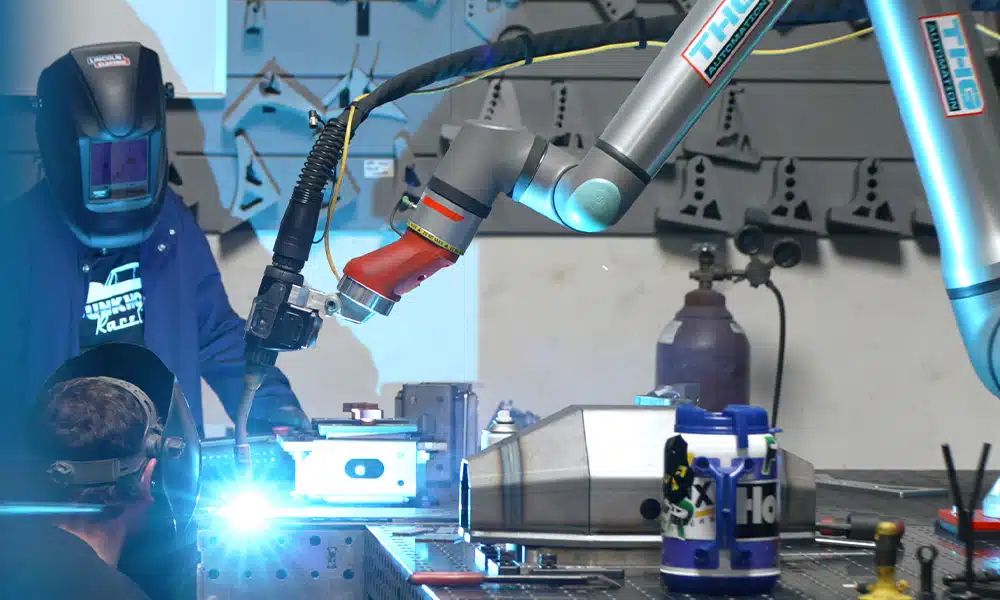
The Rise of Collaborative Robotics in Small Businesses
The landscape of automation is evolving, and small businesses are at the forefront of this revolution with the integration of collaborative robots or cobots. Designed to work in tandem with human operators, these cutting-edge machines represent a transformative approach to enhancing productivity while ensuring safety and adaptability. As small businesses navigate challenges such as increased competition, rising operational costs, and the need for greater efficiency, the incorporation of cobots has emerged as a strategic solution.
Understanding Collaborative Robots
What exactly sets cobots apart in the realm of automation? Here are several key characteristics that define their uniqueness:
- Easy Integration: Cobots can seamlessly integrate into existing workflows without requiring extensive modifications to existing processes, making them an attractive option for small enterprises looking to enhance productivity without major overhauls.
- User-Friendly Programming: Unlike traditional robots that often necessitate specialized technical knowledge, cobots are designed for easy programming and operation. Many models allow operators to teach tasks through simple demonstrations, reducing training time and costs.
- Cost-Optimized Solutions: Small businesses typically operate with tighter margins; therefore, cobots provide a budget-friendly option that allows for rapid deployment and a swift return on investment.
The Impact of Cobots on Operational Dynamics
The implementation of collaborative robots is not merely a trend; it heralds a new epoch in operational dynamics for small businesses by offering specific benefits:
- Operational Adaptability: Cobots can be swiftly reconfigured from one task to another, facilitating flexibility in production processes. This allows small businesses to pivot easily to meet shifting market demands or seasonal fluctuations.
- Workforce Empowerment: By partnering with cobots on mundane tasks, employees are encouraged to engage in more complex and fulfilling work. This not only boosts employee morale but also fosters a culture of innovation within the organization.
- Reduction of Human Error: Cobots excel at precision tasks that require consistent accuracy, significantly reducing the likelihood of errors compared to manual operations. This aspect is particularly beneficial in sectors like manufacturing and assembly, where precision is paramount.
As the technology behind these robots continues to advance, businesses that embrace collaborative robots are likely to find themselves equipped with a competitive edge. Evidence from various sectors demonstrates that companies utilizing cobots experience enhanced operational efficiencies, greater employee satisfaction, and an improved bottom line. By adapting to this technological shift, small businesses are not just keeping pace; they are becoming pioneers in the new frontier of automation.
| Advantages | Description |
|---|---|
| Increased Efficiency | Collaborative robots can operate alongside human workers, enhancing productivity through seamless integration into existing workflows. |
| Cost Savings | Implementing robotics can significantly reduce labor costs and operational expenses, allowing small businesses to allocate resources more effectively. |
| Enhanced Safety | Designed with safety features, collaborative robots mitigate risks by handling dangerous tasks, safeguarding human workers. |
| Flexibility | These robots can be easily reprogrammed for various tasks, adapting quickly to changing production needs in today’s dynamic market. |
| Skill Development | The integration of collaborative robots encourages upskilling of the workforce, leading to improved employee engagement and job satisfaction. |
The rise of collaborative robots in the landscape of small businesses heralds a revolutionary shift in automation. With their ability to work alongside human operators, these intelligent machines are not just tools; they are partners in enhancing productivity. Incorporating collaborative robots into small business operations catalyzes significant cost reductions. By minimizing reliance on manual labor for repetitive or hazardous tasks, businesses can redirect their resources towards strategic growth initiatives. Moreover, ensuring workplace safety becomes a secondary yet crucial advantage. Collaborative robots are equipped with advanced safety mechanisms, minimizing the potential for workplace injuries, which is particularly vital in high-risk industries. Additionally, their intrinsic flexibility allows businesses to switch gears smoothly, responding adeptly to market fluctuations and production requirements. Each of these benefits contributes to a robust ecosystem where small businesses can thrive in an increasingly automated economy, driving the trend toward collaboration.
DISCOVER MORE: Click here to learn about the role of natural language in social research
Challenges and Considerations in Implementing Cobots
While the adoption of collaborative robots presents numerous benefits, small businesses must be mindful of the challenges and considerations involved in integration. A successful transition to automation requires a thoughtful approach that encompasses strategic planning, workforce training, and ongoing maintenance.
Evaluating the Specific Needs of the Business
Before embarking on the implementation of cobots, it is crucial for small businesses to conduct a thorough assessment of their operational needs. Understanding which tasks are most suitable for automation can often determine the effectiveness of cobots. For instance, businesses in sectors such as logistics might benefit significantly from cobots in warehouse applications that involve repetitive picking and packing tasks, while those in manufacturing could leverage their precision in assembly lines.
The Importance of Workforce Training
As cobots become more prevalent, training becomes increasingly pivotal. Employees must be equipped with the skills to work alongside these robots effectively. This includes understanding how to program the machines, troubleshoot minor issues, and ensure safety protocols are adhered to. Some companies are investing in training programs that not only educate employees on the technology but also foster a collaborative mindset that embraces automation as a partner rather than a threat. According to a recent study by the National Institute of Standards and Technology (NIST), organizations that invested in comprehensive employee training enhanced productivity by up to 25% and reduced turnover rates.
Safety and Compliance Factors
Safety is a primary concern when integrating cobots into workplaces. While cobots are designed to be safe and can operate in close proximity to human workers, it is essential for small businesses to conduct risk assessments and develop safety protocols specific to cobot operations. The Occupational Safety and Health Administration (OSHA) provides guidelines that outline safety measures for businesses incorporating robotic systems. Adhering to these standards not only protects workers but also helps small businesses avoid potential legal ramifications.
Long-Term Maintenance and Support
Once implemented, ongoing maintenance is vital to ensure that cobots continue to operate efficiently. Like all machinery, cobots require routine checks, updates, and occasional repairs to maintain optimal functionality. Small businesses should establish a partnership with reliable vendors who offer comprehensive support and maintenance services, allowing operators to focus on their core activities without disruption. Furthermore, adopting predictive maintenance strategies can help identify issues before they escalate into costly downtimes, thus safeguarding the investment in automation.
The Future of Collaborative Robotics
The future of collaborative robotics appears promising, with ongoing advancements in artificial intelligence and machine learning paving the way for even more sophisticated capabilities. As technology evolves, cobots are expected to become increasingly autonomous, taking over more complex tasks. The result is a synergistic relationship between humans and machines, where both coexist to drive efficiency and innovation. Small businesses that adapt to these advancements are not just participating in the automation wave; they are spearheading a movement toward smarter, more agile operations. The journey into the world of cobots is punctuated by ongoing learning and development, where the only limit is the imagination of those willing to embrace change.
DIVE DEEPER: Click here to discover how data science is shaping machine learning
Conclusion: Embracing the Collaborative Revolution
The development of collaborative robots, or cobots, marks a significant evolution in the landscape of small business automation. As these sophisticated yet user-friendly machines continue to advance, their role in enhancing productivity and efficiency becomes undeniable. By understanding the unique needs of their operations, small businesses can integrate cobots to optimize processes, reduce labor costs, and allocate human resources towards more value-added activities.
Training employees to work alongside these intelligent machines is not just an operational necessity; it fosters a culture of collaboration that embraces innovation. With the right training programs in place, businesses can reap the rewards of increased productivity, as evidenced by the NIST study highlighting a 25% productivity boost. Moreover, ensuring that safety measures and compliance standards are met cultivates a secure working environment, minimizing risks associated with automation.
As we gaze into the future of collaborative robotics, the potential for even greater advancements looms large. The rise of artificial intelligence and enhanced machine learning capabilities will enable cobots to tackle more complex tasks, providing businesses with unprecedented flexibility and resourcefulness. In this light, small businesses that proactively engage with these technologies will not only enhance their operational capabilities but also position themselves at the forefront of an automation revolution.
In conclusion, the journey into the realm of cobots is one filled with opportunities for growth and transformation. By embracing this new frontier, small businesses can redefine their operational frameworks, fostering a harmonious relationship with technology that paves the way for innovative success in an ever-demanding marketplace.