
The Role of Robotic Automation in Sustainability
As industries evolve, robotic automation is stepping into the spotlight, transforming the way we approach sustainability and waste reduction. With rising environmental concerns, businesses are seeking innovative solutions to minimize their carbon footprint while maximizing efficiency. The integration of advanced robotics is not only reshaping production lines but also enhancing resource management across various sectors.
Key Areas Impacted by Robotic Automation
Robotics are making significant contributions across several key industries. Each sector benefits uniquely from automation, driving sustainability in various forms.
- Manufacturing: In manufacturing, automation technologies, such as robotic arms and AI-driven machinery, are streamlining production processes. By utilizing precise measurements and optimized workflows, these systems significantly reduce material waste and energy consumption. For example, automating the assembly line can decrease excess material use by up to 25% and reduce energy costs through enhanced efficiency.
- Agriculture: The agricultural sector is witnessing a shift towards automation with the use of drones and autonomous tractors. Robotics optimize crop yield while decreasing pesticide usage by allowing for precise application of treatments only where necessary, thus minimizing environmental impact. Innovations like vertical farming, powered by robotic systems, also contribute to sustainable food production in urban areas, reducing transportation emissions.
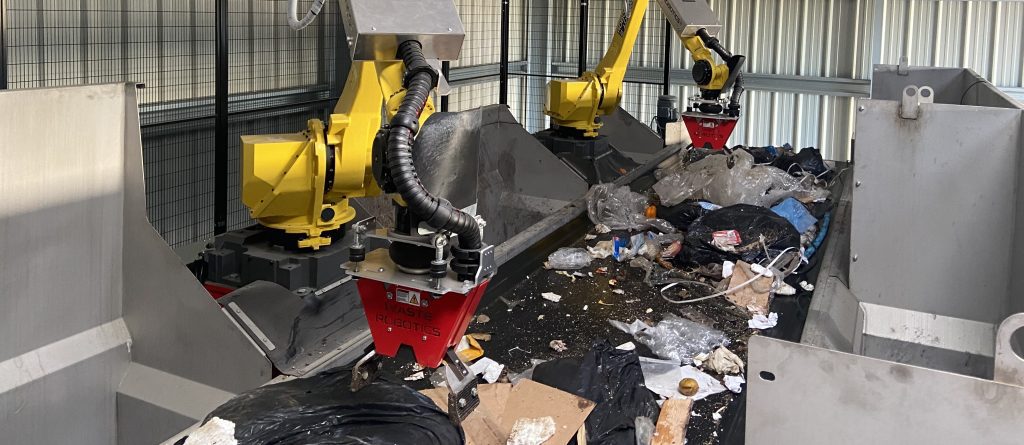
- Recycling: Intelligent systems are revolutionizing recycling processes. Advanced robotics equipped with vision systems can identify and sort materials more efficiently than human workers. This enhancement increases recovery rates significantly, as shown by some facilities reporting up to a 90% recovery rate of recyclables, compared to less than 50% in traditional settings.
Evidence of Reduced Waste Generation
According to recent studies, implementing robotic systems can lead to a 30% reduction in waste generation compared to traditional methods. This substantial decrease highlights the potential of robotics to pave the way for a more sustainable future. Such advances not only underscore the profitability of automation but also reinforce the commitment of industries to environmental stewardship.
Exploring the Future of Robotics and Sustainability
As we delve into the influence of robotic automation, it is essential to explore the technology’s capabilities and its role in streamlining operations. With the U.S. aiming for ambitious sustainability goals such as achieving net-zero emissions by 2050, understanding these advancements is crucial for industries looking to stay ahead in a competitive market. Robotics holds the promise to foster sustainable practices that align with both economic and ecological priorities.
Ultimately, the effective integration of robotic automation can serve as a catalyst for innovation, driving a transformation that not only ensures higher output but also embraces the vital principles of sustainability and waste reduction. Industries that leverage these technologies may find themselves not only leading their markets but also playing a crucial role in building a more sustainable planet.
DIVE DEEPER: Click here to learn more
Transformative Effects of Robotic Automation on Various Industries
As industries face mounting pressure to adopt sustainable practices and reduce waste, robotic automation emerges as a pivotal solution. The adaptation of robotics spans multiple sectors, each reaping unique benefits that contribute to a significant reduction in waste and resource consumption. By capitalizing on precision and efficiency, businesses are not only streamlining their operations but also aligning with broader sustainability goals.
Manufacturing: Streamlining Production for Sustainability
The manufacturing sector, often criticized for its environmental impact, is undergoing a transformative shift through the deployment of robotic automation. Robots equipped with advanced sensors and AI capabilities can monitor production processes in real time, ensuring that raw materials are utilized to their fullest potential. This not only minimizes excess waste but also conserves energy during production.
A recent report highlighted that automated manufacturing systems have the potential to cut operational costs by up to 30%, while also decreasing material waste by approximately 20%. Such efficiency allows companies to maintain profitability while simultaneously contributing to sustainability efforts. Moreover, robotic systems can tailor production volumes to actual demand, further minimizing overproduction—a key contributor to industrial waste.
Agriculture: Precision Farming and Resource Optimization
In agriculture, the integration of robotic technologies is revolutionizing the cultivation process. Drones and automated machinery can meticulously monitor crop health and soil conditions, allowing farmers to make informed decisions based on data rather than instinct. This precision farming approach not only enhances crop yields but also significantly reduces the use of pesticides and fertilizers, which are notorious for their environmental impacts.
Through the deployment of robotic systems, farmers can reduce chemical application by as much as 40%, thereby promoting greater biodiversity and healthier ecosystems. Furthermore, initiatives like vertical farming are emerging, powered by robotics to optimize space and resources, especially in urban environments where land is scarce. By localizing food production, transportation emissions are drastically reduced, further aiding sustainability.
Recycling: Enhancing Recovery Rates with Automation
One of the most promising applications of robotic automation in sustainability is in the recycling sector. Traditionally, recycling facilities have struggled with low recovery rates due to manual sorting processes that are often inefficient and labor-intensive. However, the introduction of intelligent robotic systems is changing the game.
- Advanced Vision Systems: Robotic arms equipped with state-of-the-art vision technology can accurately identify, sort, and process recyclable materials at unprecedented speeds.
- Increased Efficiency: Facilities utilizing robotic automation have reported recovery rates soaring to 90%, significantly surpassing the 50% recovery rate typical in manual operations.
- Resource Conservation: By ensuring that more materials are successfully recycled, these systems reduce the demand for raw materials, further decreasing the ecological footprint of production.
The impact of robotic automation on waste reduction and sustainability is undeniable and multifaceted. With continued investment and innovation, the potential exists not only for economic benefits but also for substantial environmental gains. As industries embrace these technologies, the path toward a greener future becomes increasingly attainable.
Robotic automation is transforming industries by incorporating innovative technologies aimed at enhancing sustainability and reducing waste. These intelligent systems are designed to optimize production processes, minimize resource consumption, and increase efficiency in a way that traditional methods simply cannot match.One significant influence of robotic automation on sustainability is the ability to streamline operations. Robots can analyze real-time data to adjust workflows dynamically, ensuring that materials are used judiciously. For example, in agricultural sectors, automated machines can perform precise planting, watering, and harvesting functions, significantly reducing water usage and preventing chemical excesses that can harm ecosystems.Additionally, robotic automation contributes to waste reduction by implementing advanced recycling techniques. Automated sorting systems can differentiate between various materials at recycling facilities more effectively than human workers. This level of accuracy not only increases the quantity of recyclable materials processed but also ensures that less waste ends up in landfills, promoting a circular economy.Moreover, robots are being integrated into factories for enhanced manufacturing processes, which reduces energy consumption. For instance, precise machining and assembly can minimize scrap rates, meaning fewer resources are wasted in production. As companies adopt these technologies, they position themselves as leaders in sustainability efforts, drawing attention from eco-conscious consumers.Emerging data reveals that industries utilizing robotic automation have seen reductions in carbon emissions and resource waste of up to 30%. This not only enhances their sustainability credentials but also provides a competitive edge in a market increasingly dominated by environmental considerations.The combination of improved efficiency, waste management, and resource conservation reflects a paradigm shift where robotic automation is not just a tool for productivity, but a crucial ally in the quest for a sustainable future. The further integration of these automated systems promises to reshape industries while fostering a culture of responsibility and innovation.To explore the advantages of robotic automation in sustainability and waste reduction, consider the structured comparison below.
| Robotic Automation Benefits | Sustainability Impact |
|---|---|
| Enhanced Efficiency | Robots optimize resource use, leading to lower energy consumption. |
| Waste Reduction | Automated systems enable better sorting, resulting in higher recycling rates. |
As the integration of robotic automation deepens, its role as a catalyst for sustainable practices will become increasingly evident, illustrating the powerful relationship between technology and environmental stewardship.
DISCOVER MORE: Click here to dive deeper
The Role of Robotic Automation in Energy Management and Optimization
Beyond improving efficiency in production and recycling processes, robotic automation plays a critical role in the field of energy management, which is integral to sustainability efforts. Industries are increasingly integrating robotics with energy monitoring systems to optimize resource usage while minimizing waste. This burgeoning trend showcases the potential of automation to facilitate significant energy savings across various sectors.
Energy Efficiency: Intelligent Systems in Action
In industrial environments, robotic systems can autonomously manage energy consumption by adjusting machinery settings based on real-time demand. For instance, manufacturing facilities are implementing smart robots equipped with machine learning algorithms that analyze energy usage patterns, allowing them to operate machinery at optimal times. This leads to a reduction in energy waste, as systems can cut down on energy consumption during peak demand hours when rates are higher.
A notable case study involved a manufacturing plant in Michigan that adopted automated energy management solutions, achieving a remarkable 25% reduction in energy costs over one year. Such financial incentives, coupled with reductions in carbon footprints, illustrate the compelling case for robotic automation as a potential game-changer in energy efficiency.
Smart Grids: Enhancing Energy Distribution
In the energy sector, robotic automation extends to the management of smart grids, which are instrumental in facilitating an eco-friendly energy landscape. Robotics are deployed for real-time monitoring and maintenance of these grids, enabling the efficient flow of renewable energy sources like solar and wind. By automating tasks such as fault detection and response, utilities can enhance grid reliability while empowering higher integration of renewable energy.
Research indicates that the adoption of autonomous drones for inspecting power lines has led to maintenance cycle reductions, enabling faster repairs while minimizing downtime. This responsive approach not only conserves energy but also significantly reduces the environmental impact of traditional maintenance practices that often involve ground-based vehicles emitting pollutants.
Transportation: Autonomous Vehicles and Reduced Emissions
The transportation sector is another crucial area where robotic automation can make strides toward sustainability. Autonomous vehicles are being developed to facilitate efficient logistics, potentially minimizing waste associated with transportation and delivery processes. For instance, companies are leveraging self-driving trucks that optimize routes to avoid congestion, thereby reducing fuel consumption and greenhouse gas emissions.
- Last-Mile Delivery: Robotics is reshaping last-mile delivery systems through autonomous delivery bots and drones. These solutions not only decrease the consumption of fossil fuels but also optimize delivery routes to lower overall carbon footprints.
- Fuel Efficiency: Fleet management systems utilizing robotic automation can monitor vehicle performance, providing maintenance insights and promoting eco-driving techniques that collectively enhance fuel efficiency.
The intersection of robotic automation with energy and transportation reveals the potential for multifaceted waste reduction and sustainability initiatives across industries. The momentum gained from this technological integration prompts wider adoption, fostering a culture of environmental responsibility while addressing the need for economic viability. The unfolding narrative concerning robotic automation highlights transformative solutions aimed at creating a sustainable future, ultimately reshaping the correlation between industry growth and environmental stewardship.
DISCOVER MORE: Click here to learn how AI is reshaping sustainability
Conclusion: Embracing Robotic Automation for a Sustainable Future
The integration of robotic automation into various industries signifies a pivotal shift towards enhanced sustainability and significant waste reduction. By optimizing energy management, streamlining production processes, and innovating transportation systems, robotics not only increase efficiency but also align business operations with environmentally responsible practices. The compelling case studies, such as the 25% reduction in energy costs observed in Michigan, highlight the tangible benefits of adopting automated solutions that prioritize resource conservation.
As industries evolve, the role of robotics becomes increasingly crucial in advancing sustainability goals. The deployment of smart grids and autonomous vehicles creates a dynamic landscape where renewable energy sources can be integrated efficiently, thereby mitigating reliance on fossil fuels. Furthermore, innovations in logistics and last-mile delivery pave the way for reduced emissions and a lower carbon footprint, contributing to the global movement for ecological stewardship.
Looking ahead, the potential of robotic automation to drive economic viability while fostering environmental responsibility cannot be understated. As technological advancements continue to emerge, it is imperative for businesses to explore new avenues for integrating automation into their sustainability efforts. Engaging in this transformative journey offers an opportunity not only to enhance operational performance but also to make a positive impact on the planet.
In conclusion, the influence of robotic automation on sustainability and waste reduction is a compelling narrative that encourages ongoing exploration. As industries embrace these innovative solutions, they align themselves with a future where economic growth is harmonized with environmental preservation, ultimately reshaping the industrial landscape towards a sustainable tomorrow.