
Transforming the Manufacturing Landscape
The integration of collaborative robots—often referred to as cobots—into the manufacturing sector is fundamentally reshaping operations, particularly for small and medium enterprises (SMEs). With their ability to work alongside human operators, these innovative machines bring a host of advantages. The ongoing shift towards automation is prompting SMEs to explore the transformative potential of cobots, paving the way for enhanced productivity, efficiency, and overall competitiveness in the marketplace.
Key Features of Collaborative Robots
- Ease of Use: A significant advantage of cobots is their user-friendly interface. Many models can be programmed with little to no technical training, enabling workers to quickly adapt and start utilizing these robots, minimizing downtime and facilitating a smoother transition into automation.
- Safety: Safety is paramount in any workspace, and cobots are equipped with advanced sensors and technologies that allow them to work safely alongside humans. They can detect nearby workers and adjust their movements to avoid accidents, thus enhancing workplace safety while maintaining high efficiency.
- Cost-Effective: Compared to traditional automation solutions that often involve extensive investment in infrastructure and training, cobots represent a more affordable option. With lower operational costs and a quicker return on investment, SMEs can implement automation without breaking the bank.
In the face of increasing competition across various industries, businesses are actively searching for ways to improve their operational efficiency. Collaborative robots are becoming an appealing solution for SMEs, moving beyond traditional manufacturing processes to embrace a more dynamic and flexible approach. This shift not only boosts productivity but also enhances product quality, as cobots can perform repetitive tasks with precision that often surpasses human capabilities. For example, in assembly lines, cobots can precisely place components together, reducing the likelihood of errors and defects.
Why SMEs Should Consider Cobots
- Scalability: One of the standout features of cobots is their scalability. As demand for products fluctuates, these robots can be adjusted or added without major system overhauls, allowing enterprises to respond swiftly to market changes.
- Enhanced Labor: By taking over manual, repetitive tasks, cobots free employees to focus on more strategic roles that require human ingenuity, such as process improvement or customer engagement. This shift not only increases job satisfaction among workers but also fosters a more innovative workplace culture.
- Integration: The ability to seamlessly integrate cobots into existing workflows is another significant benefit. Many cobots are designed with universal compatibility, allowing businesses to incorporate them without the need for significant modifications to their current systems.
As the automation landscape continues to evolve, SMEs that leverage the capabilities of collaborative robots are positioned to thrive in the era of Industry 4.0. The future holds promising advancements in technology that could redefine efficiency and productivity standards. For SMEs looking to not only survive but thrive, investing in cobots might just be the key to unlocking their full potential in a competitive landscape.
DISCOVER MORE: Click here to dive deeper
Unlocking Efficiency Through Collaboration
The adoption of collaborative robots, or cobots, represents a paradigm shift in how small and medium enterprises (SMEs) approach automation. Unlike traditional industrial robots, which often operate in isolation, cobots are designed to collaborate with human workers, creating a synergy that enhances productivity and operational efficiency. In an era where agility is paramount, SMEs are finding cobots to be an invaluable asset, as they offer the flexibility to adapt to varying workloads and processes while maintaining a focus on safety and user-friendliness.
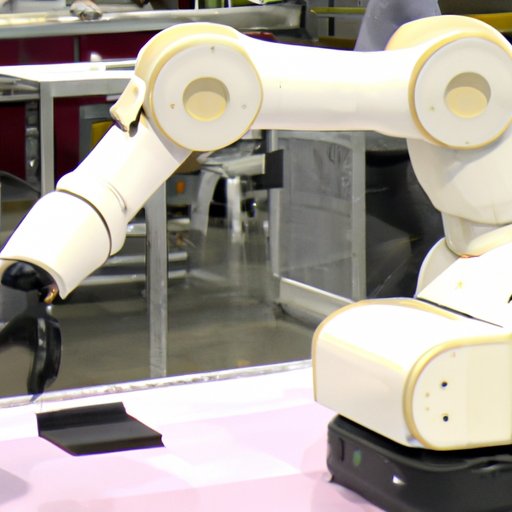
Benefits of Collaborating with Cobots
- Increased Productivity: Cobots can execute repetitive tasks with remarkable speed and accuracy, which significantly boosts throughput. This allows SMEs to scale operations quickly, meeting the demands of a fast-paced market without compromising quality.
- Flexibility in Operations: The versatility of cobots means they can be easily reassigned to different tasks or production lines. For instance, a cobot initially programmed for an assembly task can just as easily be utilized for packaging, thanks to its easy reprogramming capabilities.
- Reduced Employee Burnout: Manual labor tasks can lead to fatigue and decreased employee morale. By automating these repetitive functions, cobots not only enhance the working environment but also empower human workers to engage in more fulfilling and creative roles within the organization.
According to a recent report by the Association for Advancing Automation, the market for cobots in North America is projected to grow exponentially, reflecting the increasing recognition of their utility among SMEs. As businesses struggle to cope with labor shortages and rising operational costs, cobots emerge as a feasible solution, enabling enterprises to maximize their resources and optimize their human capital.
Revolutionizing Workforce Dynamics
The integration of cobots is changing the dynamics of the workforce itself. Rather than seeing automation as a threat to jobs, many SMEs are beginning to view it as an opportunity for employee upskilling and development. When workers are liberated from mundane tasks, they can focus on roles that require critical thinking, creativity, and complex problem-solving. This not only enhances employee satisfaction but also drives innovation within the enterprise.
Furthermore, cobots serve as a bridge between human abilities and technological advancements. They are capable of collecting valuable data during operations, providing insights on productivity metrics and potential areas for improvement. This data can be used for refining processes and guiding decision-making, ultimately leading to more informed strategies and better outcomes for small and medium enterprises.
As cobots become increasingly prominent in manufacturing and other sectors, SMEs willing to embrace this technology may find themselves equipped not just to compete, but to lead in their respective markets. Investing in collaborative robots resonates with a forward-thinking approach, essential in navigating the complexities of today’s industrial landscape.
Collaborative Robots: Enhancing Efficiency and Innovation
In today’s rapidly evolving industrial landscape, collaborative robots (cobots) are emerging as pivotal tools that redefine operational efficiency in small and medium enterprises (SMEs). These advanced robots complement human workers by taking on mundane and repetitive tasks, thereby freeing up valuable human resources for more creative and complex functions. As SMEs face increasing pressure to improve productivity while managing costs, cobots offer a variable, scalable solution that aligns perfectly with their needs. With intuitive programming and ease of integration into existing workflows, collaborative robots serve as an accessible entry point for SMEs looking to harness automation without the steep learning curve often associated with traditional industrial robots. This adaptability allows companies to have a smoother transition into automated processes, minimizing downtime and maximizing output. Moreover, the ability of cobots to work safely alongside human operators not only enhances workplace safety but also boosts morale among employees, knowing they can focus on higher-value tasks. Their presence is creating a culture of innovation, where human creativity is amplified rather than replaced. Recognizing the potential of collaborative robots means recognizing the future of automation. By investing in these technologies, SMEs position themselves at the forefront of industry trends, capable of competing in an increasingly automated marketplace.
| Category 1 | Category 2 |
|---|---|
| Cost Savings | By reducing labor costs and improving efficiency, cobots enable SMEs to operate within tight budget constraints while enhancing productivity. |
| Flexibility | Cobots can be reprogrammed for different tasks, allowing SMEs to adapt quickly to changing market demands and project requirements. |
As these advantages unfold, it becomes clear that the shift towards collaborative automation is not just a trend, but a necessary evolution in the operations of SMEs that strive to stay competitive in the modern economy. By embracing the capabilities of collaborative robots, businesses can not only streamline their processes but also unlock new opportunities for innovation and growth.
DISCOVER MORE: Click here to learn about the future of urban mobility
Transforming Industries: The Impact of Cobots on SMEs
The impact of collaborative robots extends beyond mere operational efficiency; it is reshaping entire industries and redefining the competitive landscape for small and medium enterprises (SMEs). The integration of cobots is facilitating a transformation that is not only technological, but also strategic, positioning SMEs to respond effectively to emerging market demands.
Industry-Specific Applications
In industries such as manufacturing, logistics, and even healthcare, cobots are making significant inroads. For example, in manufacturing, automotive companies like Ford are leveraging cobots for assembly lines to enhance precision and reduce cycle times. Similarly, in logistics, companies such as Amazon are employing cobots to assist with inventory management and order fulfillment, streamlining operations while reducing human error.
Healthcare is another sector witnessing the rising adoption of cobots, where they assist in hospitals by managing supply chains, sterilizing rooms, or supporting in patient care tasks. This not only reduces human workload but also minimizes the risk of contamination, essential for patient safety.
Cost-Effective Automation Solutions
For SMEs, one of the primary concerns is often the cost associated with automation. However, cobots offer an affordable entry point into the world of automated processes. Unlike traditional robots, which can involve extensive investment in equipment and infrastructure, cobots are designed to be user-friendly and require less technical expertise to operate effectively. A recent study by Deloitte found that SMEs can see a return on investment from cobots within just 12 months, making them a financially viable automation solution.
This affordability opens a myriad of opportunities for SMEs. By automating even small tasks, businesses can reallocate resources towards growth-oriented projects and focus on enhancing customer experience. For instance, a small furniture manufacturer can deploy cobots to automate the sanding process, allowing artisans to devote more time to complex design tasks and customer engagement, ultimately enhancing product quality and satisfaction.
Embracing the Future of Work
The rise of cobots indicates a broader shift towards a hybrid workforce model—a blend of human talent and robotic assistance. This change necessitates a reevaluation of how SMEs approach workforce planning and talent management. Companies can foster a culture of continuous learning, encouraging employees to engage with these robotic systems. Upskilling initiatives can be implemented, allowing workers to understand how to work alongside cobots effectively and leverage their capabilities for greater creativity and innovation.
Moreover, the integration of cobots allows SMEs to attract new talent who are increasingly inclined toward technologically-driven workplaces. A survey conducted by the National Institute of Standards and Technology found that workplaces incorporating cobots reported higher levels of job satisfaction, as employees felt empowered by technology rather than threatened by it.
As adoption rates continue to rise, small and medium enterprises must actively explore opportunities to incorporate collaborative robots into their operations. The businesses that recognize and harness the capabilities of cobots will not only streamline processes but will also position themselves as frontrunners in their industries, ready to face the challenges and opportunities of future market fluctuations.
DISCOVER MORE: Click here to delve deeper
Conclusion: Harnessing Cobots for Sustainable Growth
The emergence of collaborative robots (cobots) signifies a pivotal moment for small and medium enterprises (SMEs) navigating the evolving terrain of automation. With their ability to enhance productivity, reduce operational costs, and foster innovation, cobots are not merely supplementary tools; they are integral partners in building resilient business models that can adapt to changing market dynamics.
As explored, the varied applications of cobots, from manufacturing to healthcare, showcase their versatility in addressing industry-specific challenges while promoting efficiency. Furthermore, the cost-effectiveness of cobots provides SMEs a unique opportunity to implement automation without the financial burdens typically associated with traditional robotics. By streamlining routine tasks, SMEs can refocus their energies on strategic initiatives that drive growth and enhance customer satisfaction.
However, embracing this technological advancement calls for a cultural shift within organizations, where workforce collaboration, continuous learning, and upskilling become the norm. SMEs that invest in their employees’ development and foster a synergy between human and robotic labor will create not only a more satisfied workforce but a more innovative and responsive enterprise.
In conclusion, for SMEs in the United States and beyond, the timely adoption of collaborative robots presents a compelling pathway towards sustainable competition. By proactively integrating cobots into their operations, these businesses can redefine their future, embracing innovation while ensuring long-term viability in an increasingly automated world. The future of work is collaborative, and those who harness the potential of cobots today will lead the charge into tomorrow.