
Unleashing the Power of Language in Research
The rapid advancement of natural language processing (NLP) technologies is revolutionizing how qualitative data is analyzed in social sciences. As researchers seek to understand the myriad complexities of human behavior, the language used by individuals becomes a treasure trove of insights. By delving into their words, researchers can uncover a wealth of information regarding emotions, beliefs, and societal trends, making NLP an indispensable tool in qualitative analysis.
One of the most significant contributions of NLP to qualitative data analysis lies in its ability to facilitate textual analysis. For instance, through techniques such as sentiment analysis, researchers can quantitatively measure the emotional tone behind collected texts, whether they be tweets, survey responses, or interview transcripts. This methodology allows for a nuanced understanding of public sentiment regarding hot-button issues like healthcare reform or social justice initiatives, providing valuable context that can shape research conclusions.
Additionally, NLP excels in pattern recognition. As qualitative researchers often grapple with vast amounts of textual data, tools equipped with machine learning algorithms can swiftly sift through content to identify recurring themes and trends. For example, a study analyzing online customer reviews could reveal emphatic dissatisfaction surrounding a particular product feature, which might not be immediately apparent through traditional qualitative methods.
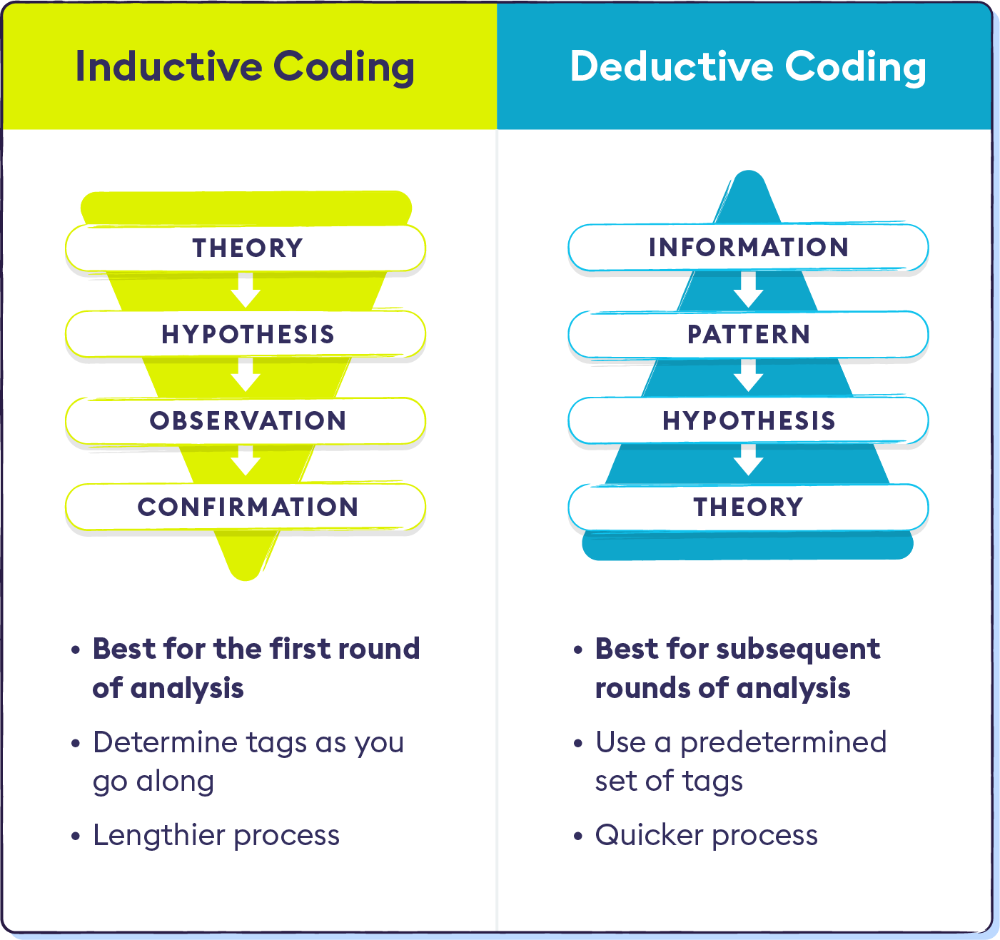
Furthermore, the integration of NLP into research processes leads to enhanced coding. Automated coding tools can help researchers assign categories and themes to data more efficiently, drastically reducing the time required for manual coding while minimizing human errors. This efficiency is especially beneficial in large-scale studies where data sets can be overwhelming.
The implications of these advancements are profound across various fields within the United States, including sociology, public health, and political science. In public health, for instance, NLP can analyze social media content to track mental health trends during crises, such as the COVID-19 pandemic. Meanwhile, in the realm of sociology, it aids in understanding societal attitudes toward race and equity through digital conversations.
Moreover, the insights drawn from NLP not only enhance academic literature but also ripple out to influence public policy and community initiatives. The informed narratives generated from qualitative findings can lead to meaningful changes within communities and provide data-driven recommendations for policymakers.
This exploration of natural language processing reveals its immense potential to reshape qualitative analysis, inviting researchers to harness its capabilities for deeper investigations into social issues. By effectively integrating NLP tools into their methodologies, social scientists can unveil fresh perspectives that challenge preconceived notions and catalyze positive change.
DISCOVER MORE: Click here to learn about the vital role of data quality
Transformation of Qualitative Insights through NLP
The integration of natural language processing (NLP) within the realm of qualitative data analysis marks a paradigm shift, enabling researchers to probe deeper into the intricacies of human interaction. Traditional qualitative methodologies often involve painstaking manual analysis of texts, but with NLP, the speed and efficiency of data interpretation have surged, allowing for an enhanced understanding of social phenomena. In a society driven by information exchange, harnessing these advancements is critical for producing actionable insights and promoting informed decision-making.
One of the standout features of NLP technologies is their capacity for thematic analysis. Researchers can use NLP tools to scan extensive datasets for thematic relevance, which might otherwise go unnoticed in manual reviews. By using algorithms that detect latent themes within text, researchers gain access to a broader array of qualitative insights. For instance, when analyzing focus group transcripts on public health interventions, NLP could reveal unforeseen correlations between respondents’ personal experiences and their perceived effectiveness of those interventions. This approach not only enriches the data analysis process but also sheds light on factors that could influence public perception and health outcomes.
Moreover, the rise of topic modeling through NLP has fundamentally altered how qualitative researchers address data complexity. Topic modeling techniques can effectively categorize sections of text into clusters based on shared themes, providing a structured approach to the largely messy world of qualitative data. For example, an analysis of public comments during policy discussions can reveal underlying sentiments about economic measures, showcasing distinct clusters of opinion that could be pivotal for shaping government responses.
- Contextual understanding: NLP allows for an in-depth understanding of the context in which words are used, revealing the subtleties that can drastically change meaning.
- Real-time analysis: Social researchers can engage in real-time monitoring of sentiments surrounding pressing social issues, such as immigration or climate change.
- Integration of multiple languages: With diverse communities in the United States, NLP can accommodate bilingual studies, allowing researchers to analyze sentiments across different languages seamlessly.
Beyond data processing, NLP also offers enhanced levels of discourse analysis, allowing researchers to examine how language reflects social structures, power dynamics, and identities. By assessing the way phrases are constructed or the frequency of certain words, researchers can gain insights into the cultural and societal influences driving conversations. For instance, analyzing discourse around racial equality movements could illuminate how different demographics interpret and engage with social justice themes.
This multifaceted role of NLP highlights the urgency for social researchers to become adept in these technologies. The ability to leverage automated techniques will not only expedite research processes but empower scholars to engage with larger datasets that represent diverse perspectives. While the advent of NLP presents a complexity of its own, it ultimately enhances the richness of qualitative data analysis, promoting a more informed discourse on critical social issues facing the United States today.
| Category | Description |
|---|---|
| Natural Language Processing (NLP) | NLP enables researchers to analyze large volumes of qualitative data efficiently. |
| Enhanced Data Interpretation | NLP technologies can unpack underlying themes and sentiments within social research, providing deeper insights. |
| Streamlined Analysis | Automating repetitive tasks allows researchers to focus on critical interpretations. |
| Rich Contextual Understanding | Natural language analysis captures cultural nuances, enriching qualitative findings. |
The exploration of Natural Language Processing (NLP) in qualitative data analysis has become increasingly significant in social research. By employing this powerful technology, researchers can handle extensive datasets that traditional methods would find cumbersome. The ability to efficiently parse through vast amounts of text enables the extraction of meaningful patterns, thus presenting a more comprehensive view of social phenomena. Moreover, NLP facilitates enhanced data interpretation, where underlying themes and sentiments can be identified more swiftly than through manual coding. This innovation not only enriches the quality of insights gained but also saves valuable time. By automating repetitive and tedious analytical tasks, researchers are liberated to concentrate on critical insights and in-depth discussions of their findings.The potential for a rich contextual understanding is another compelling advantage. Through advanced language analysis techniques, researchers can engage with cultural contexts that shape participant responses. This cultural lens is vital for thorough qualitative assessments, as it allows for a deeper understanding of social dynamics and individual narratives. By incorporating these advanced methods, social research stands to gain in relevance and applicability, driving forward our understanding of complex societal issues.
DISCOVER MORE: Click here to dive deeper
Bridging the Gap Between Quantitative Data and Qualitative Insights
The strategic use of natural language processing (NLP) in qualitative research has paved the way for bridging the often-perceived divide between quantitative and qualitative data. Traditionally, quantitative research emphasized measurable parameters and numerical data, while qualitative research sought to uncover deeper human insights through narrative analysis. With NLP, researchers can merge these two methodologies, harnessing the strengths of each to yield a more comprehensive understanding of social issues.
One significant advantage is the ability to conduct sentiment analysis, which quantifies sentiments expressed in qualitative text data. Researchers can apply NLP tools to gauge public sentiment on controversial topics, such as health care reform or immigration policy. By analyzing thousands of social media posts or public comments, researchers can not only identify the overall positive or negative sentiment but also delve into the underlying reasons behind these sentiments. For example, a study analyzing tweets during political debates might reveal demographic differences in sentiment, highlighting varying public opinions across regions, age groups, or even political affiliations.
Additionally, the fusion of qualitative and quantitative data has become increasingly relevant with the incorporation of big data into social research. Large datasets derived from social media, forums, or customer feedback provide a wealth of qualitative insights that can be analyzed through advanced NLP algorithms. Researchers today can sift through terabytes of unstructured data to extract themes, emotions, and opinions relevant to specific social phenomena. This capacity transforms the landscape of social research, offering a comprehensive view enriched by both large-scale trends and personal narratives.
- Enhanced user experience: Organizations can utilize NLP’s analytical capabilities to improve user experience by gaining insights into customer feedback or suggestions.
- Public engagement: By monitoring online discourse, social researchers can track the effectiveness of community outreach and engagement efforts.
- Policy development: Insights gained through NLP can be injected into policy formulation processes, ensuring that policies are rooted in the public’s lived experiences and sentiments.
The implications extend beyond singular studies. By identifying patterns and trends through large-scale analysis, researchers can effectively communicate findings to practitioners and policymakers. For instance, during the COVID-19 pandemic, NLP tools were employed to analyze public sentiment toward health mandates, providing real-time feedback that influenced public health messaging strategies. States could respond more dynamically to public concerns, ushering in a new era of adaptable and responsive governance.
Furthermore, applications of NLP also streamline the coding process in qualitative research, where researchers traditionally assigned categories to segments of data manually. Automated coding algorithms can vastly improve this process, minimizing the human bias in categorization and allowing for more objective analyses. By automating such tasks, researchers can devote more time to in-depth interpretation and theory-building phases, ultimately enhancing the overall quality of qualitative research.
In a nation where disparities and social issues continue to evolve, the integration of NLP tools into qualitative data analysis is not just a technological evolution; it is a methodological revolution. Embracing these advancements can enable researchers to formulate a more nuanced narrative around societal dynamics, informed by accurate, timely, and diverse perspectives. As these tools enhance research capabilities, they also empower researchers to advocate for change grounded in a comprehensive understanding of public sentiments and social realities.
DISCOVER MORE: Click here to delve deeper
Conclusion
As we navigate an increasingly complex social landscape, the role of natural language processing (NLP) in qualitative data analysis emerges as a transformative force. This integration facilitates a deeper understanding of human sentiments, beliefs, and behaviors, enabling researchers to tackle pressing social issues more effectively. By combining the precision of quantitative metrics with the richness of qualitative narratives, NLP not only enhances data analysis but also fosters a more holistic view of societal dynamics.
The implications of NLP in social research extend well beyond mere academic inquiry. The ability to conduct sentiment analysis enables organizations and policymakers to gauge public opinion swiftly, ensuring that responses are informed by real-time data. In an era characterized by information overload, the swift analysis of large volumes of unstructured data provides researchers with the insights necessary to advocate for policy reforms that resonate with community needs.
Moreover, the automation of coding processes minimizes human bias, allowing researchers to approach qualitative analysis with greater objectivity. This technical evolution not only enriches data interpretations but also liberates scholars to focus on critical thinking and theory creation, pushing the boundaries of knowledge in social sciences.
Ultimately, the intersection of NLP and qualitative analysis represents a paradigm shift in social research methodologies. By leveraging these innovative tools, researchers can contribute to more informed dialogue and actions that reflect the multifaceted experiences within diverse populations. As we look ahead, embracing the expansive possibilities of NLP will undoubtedly enrich our understanding of society, paving the way for effective solutions to today’s most urgent challenges.