
The Importance of Natural Language in Digital Accessibility
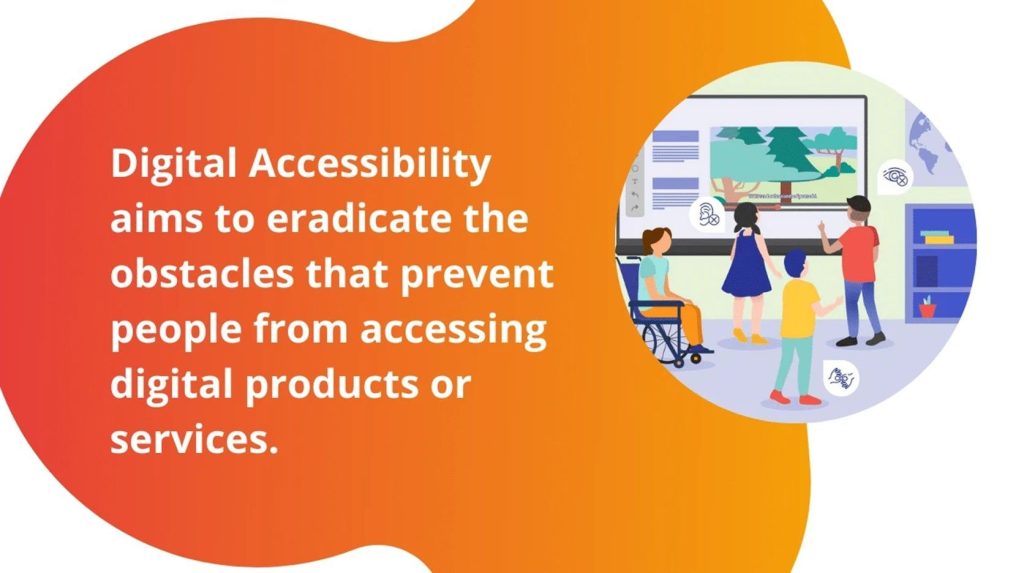
Digital accessibility is not merely a technical requirement; it is an essential aspect of fostering an inclusive online environment for all users, irrespective of their individual abilities. As technology continues to advance, the role of natural language processing (NLP) becomes increasingly significant, granting devices the capability to comprehend and engage with human language in a more intuitive manner. This evolution is particularly crucial in a world that relies heavily on digital interaction, making the demand for effective accessibility solutions more urgent than ever.
Natural language serves as a vital link between human communication and technology. By harnessing NLP, technology can now cater to a diverse audience, enhancing user experience in numerous ways. Here are several key dimensions where NLP is making a noticeable impact:
- Enhanced Communication: Through tools such as voice recognition systems and conversational chatbots, NLP facilitates a more natural interaction between users and devices. For example, an individual with limited mobility can utilize voice commands to execute tasks that were once challenging, such as sending emails or searching the web, thereby opening doors to independent living and greater autonomy.
- Text-to-Speech: This highly beneficial feature allows individuals with visual impairments or reading disabilities to access written material effortlessly. Applications like Screen Readers and voice assistants read text aloud, converting digital content into audio format. This level of accessibility ensures that news articles, educational resources, and social media platforms can be consumed by all, fostering an informed population.
- Contextual Understanding: Cutting-edge NLP tools possess the capability to interpret context, allowing for personalized content recommendations and more meaningful user experiences. For instance, a user searching for information on health-related topics may receive tailored suggestions based on their previous interactions, streamlining their journey through the vast array of online information.
By embedding natural language functionalities into digital platforms, we significantly enhance the ability of diverse populations to communicate, share knowledge, and connect with one another online. This integration not only promotes inclusivity but also combats the digital divide, ensuring that everyone, including those with disabilities, has equal access to information and resources.
As we dive deeper into the nuances of digital accessibility, it becomes clear that leveraging natural language solutions is essential—not merely as an innovation but as a fundamental right in our digital landscape. This journey toward an equitable online environment is ongoing, inviting further exploration and collaboration among developers, organizations, and policymakers.
In conclusion, as the intersection of natural language and accessibility continues to evolve, it poses exciting possibilities for a future where technology can truly serve every user. Join us as we explore how these advancements pave the way for a more just and inclusive digital experience.
DIVE DEEPER: Click here to explore advanced techniques
Transformative Applications of NLP in Digital Accessibility
The integration of natural language processing (NLP) into digital platforms has revolutionized the way individuals with disabilities interact with technology. This advanced technology translates human language into a format that both machines and users can understand, facilitating smoother and more intuitive communication. As a result, NLP not only enhances accessibility but also enriches the overall user experience.
One of the most profound impacts of NLP is seen in the realm of assistive technologies. These technologies have evolved significantly, driven by the capabilities of NLP to bridge gaps in communication and information access. A closer examination of its applications reveals how NLP is reshaping the landscape of digital accessibility:
- Voice Assistants: Devices like Amazon’s Alexa and Google Assistant leverage NLP to understand user commands articulated in natural speech. This usability is particularly advantageous for individuals with mobility challenges or cognitive impairments, allowing them to control smart home devices, set reminders, or access information hands-free. Voice technology promotes a sense of independence and integration within the digital space.
- Online Learning Platforms: In educational settings, NLP applications enhance learning experiences for students with disabilities by adapting content to their specific needs. For instance, platforms can provide real-time captioning and transcription services during lectures, ensuring that students with hearing disabilities fully participate. This adaptability not only aids comprehension but also fosters equity in education.
- Search Functionality: Enhancements in search algorithms powered by NLP can yield more relevant search results for users with disabilities. Customized search options can accommodate users who may not communicate their inquiries in conventional language, allowing more inclusive access to vast online content.
The implications of these advancements extend far beyond convenience; they highlight the necessity of ensuring that everyone has the opportunity to engage meaningfully with digital content. As organizations strive to create accessible websites, applications, and services, the role of NLP becomes even more pronounced. It acts as a catalyst in the quest for digital equity, empowering individuals with disabilities to effectively navigate the digital landscape.
Moreover, NLP’s ability to understand context and sentiment fosters more personalized experiences online. As users interact with various platforms, their preferences and behaviors can be discerned, allowing for tailored content delivery that meets diverse needs. This level of personalization is critical in a world increasingly reliant on online communication, enabling users to feel seen and understood, regardless of their unique challenges.
In summary, the remarkable capabilities of natural language processing are transforming digital accessibility, ensuring that technology is not a barrier but rather a bridge for individuals with disabilities. As we continue to explore the endless possibilities that these innovations present, the commitment to inclusivity within the digital realm must remain at the forefront of every discussion. The future promises even more groundbreaking changes, and the urge to embrace these advancements should be a collective priority moving forward.
| Aspect | Description |
|---|---|
| Enhanced Communication | Natural language processing (NLP) allows for improved interaction between users and digital content, ensuring that everyone can understand the conveyed messages. |
| Inclusive Content Creation | Utilizing natural language in digital accessibility promotes the creation of content that is easily digestible for diverse audiences, including those with cognitive disabilities. |
| Accessibility Tools | Tools like screen readers and voice recognition applications leverage natural language to assist visually impaired users in navigating digital spaces efficiently. |
| Search Engine Optimization | Implementing natural language principles can enhance SEO, making it easier for individuals to discover relevant content, thus broadening audience reach. |
The importance of natural language in digital accessibility cannot be overstated. It serves as a bridge between technology and users, ensuring equitable access to information for all, including marginalized groups. By integrating natural language features, websites can become more navigable and engaging for people with varying abilities, paving the way for a more inclusive digital environment. The call for continuous improvements in this area remains paramount, urging developers and designers to prioritize user-centric measures that promote understanding and usability. As we explore this further, the impact of these advancements will undoubtedly shape the future of how we interact with digital content.
DISCOVER MORE: Click here
Enhancing Communication and Interaction Through NLP
The significance of natural language processing transcends mere technical enhancements; it fundamentally transforms the way individuals with disabilities communicate and interact with digital systems. As technology continues to permeate every aspect of daily life, effective communication plays a critical role in ensuring that everyone, regardless of ability, can engage and contribute. The following applications of NLP illustrate how fostering better communication creates more accessible digital environments:
- Real-time Translation Services: Language barriers can present challenges to accessibility, particularly for non-native English speakers or individuals with speech impairments. NLP-powered translation tools, such as Google Translate and Microsoft Translator, enable real-time translation of spoken or written language, making digital content more accessible to a diverse audience. This technology not only supports communication across languages but also helps individuals with disabilities participate more fully in global conversations.
- Chatbots and Virtual Assistants: Intelligent chatbots enhanced by NLP capabilities can assist users in navigating websites and applications without human intervention. These chatbots are capable of understanding user queries, enabling them to provide relevant information or guide users through complex processes. For individuals with visual impairments, this tool can be invaluable in helping them access online services that may otherwise be difficult to navigate.
- Text-to-Speech and Speech-to-Text Technologies: NLP underpins the functionality of text-to-speech (TTS) and speech-to-text (STT) solutions that cater to users with varied accessibility needs. TTS software can vocalize written texts, allowing visually impaired individuals to consume digital content efficiently. Conversely, STT technologies enable people with physical disabilities to dictate text using their voice, facilitating written communication without relying on traditional typing methods.
Such technological advancements are critical, particularly as accessibility laws continue to evolve. In the United States, regulations like the Americans with Disabilities Act (ADA) are guiding organizations to make their digital content more inclusive. As a result, businesses are increasingly prioritizing the implementation of NLP tools in their accessibility strategies to ensure compliance and enhance user reach.
Furthermore, the integration of NLP in customer service platforms can lead to significant improvements in user satisfaction. Research indicates that users prefer interacting with automated systems that can understand and respond to human language nuances effectively. By employing NLP in customer service settings, businesses can not only cater to a wider audience but also foster relationships built on inclusivity and understanding.
Beyond customer engagement, NLP can play a transformative role in the workplace. Many companies are beginning to recognize the importance of providing accessible tools for employees with disabilities. From virtual meeting transcriptions to automated scheduling assistants, NLP technologies are streamlining workflows while creating an inclusive working environment. As businesses adapt to these advancements, they signal a commitment to fostering a diverse workforce where individuals can thrive regardless of their abilities.
In essence, the advancements in natural language processing herald a new era of communication where barriers can be dismantled, allowing individuals to participate fully in digital spaces. The ability of NLP to interpret and generate human-like language is not just a technical feat; it is a social imperative. As tools become increasingly sophisticated, so too does the responsibility of organizations to ensure that these innovations are leveraged inclusively, paving the way for a truly accessible digital future.
DISCOVER MORE: Click here to dive deeper
Conclusion
As we navigate an increasingly digital world, the role of natural language processing (NLP) in enhancing accessibility cannot be overstated. By bridging communication gaps and removing barriers, NLP technologies empower individuals with disabilities in both personal and professional realms. From real-time translation services that foster global dialogue to text-to-speech and speech-to-text innovations that accommodate various needs, the advancements in NLP reflect a commitment to inclusivity. These tools are not just options; they are essential components of a holistic accessibility strategy.
The ongoing evolution of accessibility laws in the U.S., such as the ADA, reinforces the imperative for businesses and organizations to adopt NLP technologies proactively. Compliance is closely tied to user engagement and satisfaction, with research indicating that a significant segment of the population prefers interacting with systems that understand natural language. However, the journey toward inclusivity requires more than just compliance; it necessitates a cultural shift within organizations to prioritize accessibility in all digital interactions.
In conclusion, embracing the potential of NLP is a crucial step toward ensuring that everyone can participate fully in our connected society. As technological innovations continue to develop, businesses, educators, and policymakers must work collaboratively to foster a digital landscape where diversity is celebrated, and every individual, regardless of ability, can communicate and contribute without obstacles. The future of digital accessibility lies in our collective commitment to harnessing the capabilities of natural language to create a more inclusive world.