
The Impact of Robotics and AI on Healthcare
The convergence of robotics systems and artificial intelligence (AI) is redefining the realm of healthcare, promising groundbreaking advancements that extend beyond mere efficiency improvements. The innovative pairing of these technologies is reshaping how medical professionals interact with patients, diagnose conditions, and execute treatment plans. By unleashing the power of robotics, paired with sophisticated AI algorithms, healthcare providers are now equipped to offer not only expedited care but also enhanced personalization in treatment methodologies.
One of the pivotal areas benefitting from this integration is improved diagnostics. AI algorithms can sift through enormous datasets, including patient history, genetic information, and imaging studies, to identify patterns that human practitioners might overlook. For instance, predictive analytics have shown success in early detection of conditions like diabetes or certain cancers, which historically required extensive testing. A notable example is IBM’s Watson for Oncology, which analyzes medical literature to recommend treatment options based on patient-specific data, streamlining the decision-making process for oncologists.
Precision surgery is another domain experiencing a significant overhaul due to robotic assistance. Robotic surgical systems like the da Vinci Surgical System facilitate minimally invasive procedures that result in less trauma to the body and shorter recovery times for patients. For example, surgeons equipped with this technology can perform delicate cardiovascular surgeries with unprecedented precision, reducing the risk of complications and improving patient outcomes. Such advancements showcase how robotic arms, guided by AI-enhanced visual recognition, contribute to a new standard in surgical excellence.
The role of patient monitoring also cannot be overstated. Intelligent robotic systems have become integral in hospitals to continuously track patients’ vital signs and health metrics. Devices such as the HealthPatch MD can monitor a patient’s ECG, heart rate, and respiratory rate in real time, sending alerts directly to healthcare professionals in case of abnormalities. This real-time monitoring not only helps in preventing deteriorations in health but allows for rapid responses in critical situations, thus enhancing safety and patient trust.
Across the United States, hospitals are increasingly incorporating these cutting-edge robotic systems. For example, the Cleveland Clinic has reported remarkable improvements in surgical recovery times and overall patient satisfaction with the introduction of robotic-assisted surgeries. As these innovations evolve, they empower healthcare providers with real-time data analysis and decision support, thereby enabling them to deliver the most effective and timely interventions to their patients.
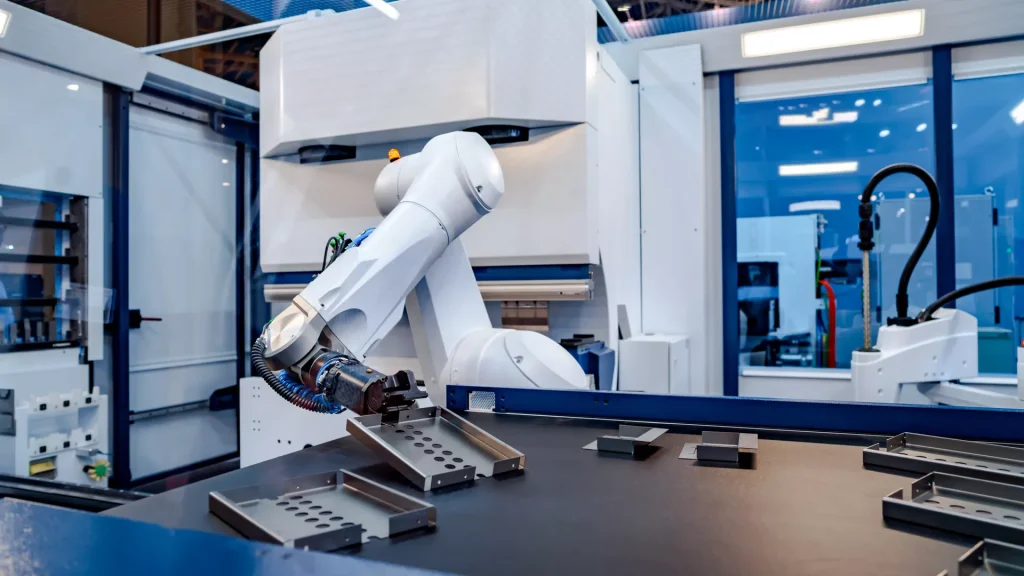
Looking ahead, the integration of robotics systems with AI paints an optimistic picture for the future of healthcare. It envisions a scenario where technology not only complements the expertise of healthcare practitioners but also amplifies the essential human connection that is the cornerstone of effective medical treatment. Through ongoing research, collaboration, and development, the healthcare sector anticipates a time when these technologies will be commonplace, fundamentally shifting how care is conceptualized and delivered.
EXPLORE MORE: Click here to dive deeper
Advancements in Patient Care Through Robotics and AI
The integration of robotics systems with artificial intelligence is heralding a new era in patient care, one where technology and human expertise collaborate to enhance treatment outcomes. Among the myriad applications of this revolutionary partnership, one can discern a clear trend: the prioritization of patient safety, efficiency, and tailored healthcare solutions. This convergence not only streamlines operations but also opens avenues for innovations that were once thought to be merely aspirational.
As healthcare systems around the world face increasing demands due to growing populations and complex medical needs, the role of robotics and AI has become more pronounced. The ability to automate routine processes and assist in intricate medical procedures has led to an increasing reliance on these advanced technologies in clinical settings. For instance, robotic exoskeletons are now being utilized to assist patients with mobility challenges, allowing paraplegics to regain movement and independence. This blend of robotics with AI allows for personalization in rehabilitation, adapting movements according to a patient’s specific needs and progress. Hospitals like the University of California, San Francisco have begun implementing such technology, showcasing the tangible effects of robotics on improving quality of life.
Moreover, the use of robotic systems in pharmacy automation has begun to revolutionize medication management. Automated dispensing units can precisely prepare and deliver medications, significantly reducing human error and saving pharmacists valuable time. According to recent studies, hospitals that have adopted these systems have experienced a reduction in adverse drug events by over 20%. This accuracy not only ensures that patients receive the correct prescriptions but also empowers healthcare workers to focus on more critical duties, enhancing overall operational efficiency.
The application of AI within telemedicine platforms marks a further transformative step in healthcare accessibility. These advanced systems utilize AI algorithms to facilitate remote consultations and diagnostics, breaking geographical barriers between patients and medical professionals. Telehealth services have surged, especially during the COVID-19 pandemic, illustrating a shift towards more flexible healthcare delivery. Importantly, AI can analyze patient data in real time, providing physicians with vital insights that assist in making informed decisions without the need for in-person visits.
Benefits of Integrated Robotics and AI in Healthcare
- Enhanced Precision: Robotic systems driven by AI provide remarkable accuracy in diagnostics and surgical interventions, leading to improved patient outcomes.
- Increased Efficiency: Automation of routine tasks minimizes time spent on manual operations, allowing healthcare professionals to devote more attention to patient care.
- Personalized Treatment Plans: AI algorithms analyze individual patient profiles, enabling tailored therapeutic approaches that enhance recovery rates.
- 24/7 Monitoring: Continuous patient monitoring through robotic systems ensures that any health deterioration is promptly addressed, increasing patient safety.
As hospitals across the United States explore these technological advancements, the integration of robotics systems with artificial intelligence is paving the way for a more effective and patient-centric future in healthcare. The enthusiasm surrounding these innovations underscores the potential for reshaping delivery models, ultimately aiming to enhance the patient experience while addressing the demands of a modern healthcare landscape.
| Advantage | Description |
|---|---|
| Improved Diagnostics | AI-driven analytics enable precise and faster diagnostic processes, ensuring timely interventions. |
| Enhanced Surgical Precision | Robotic systems assist surgeons with unmatched dexterity, minimizing risks and enhancing outcomes. |
| Robotic Rehabilitation | AI-powered robots provide personalized rehabilitation exercises, accelerating recovery. |
| Data-Driven Insights | Integrating AI allows for the analysis of vast medical datasets, driving research and innovations. |
The integration of robotics systems with artificial intelligence in healthcare is not just a technological advancement; it represents a revolutionary shift in the way medical services are delivered. With improved diagnostics, healthcare professionals are now equipped with AI-driven analytics that enhance the accuracy and speed of diagnoses. This is crucial, as faster diagnosis leads to timely treatment, potentially saving lives.Moreover, robotic systems have transformed surgical procedures, lending surgeons unprecedented precision that minimizes the risks associated with traditional techniques. This advancement not only improves patient safety but also contributes to better surgical outcomes, significantly reducing recovery times. In rehabilitation, AI-powered robots are paving new paths to recovery by offering customized exercise programs that adapt to patients’ progress, offering a tailored approach to healing. Simultaneously, the incorporation of AI in healthcare is generating data-driven insights, enabling extensive research that fosters breakthroughs in treatment methodologies. The future of healthcare, characterized by the symbiotic relationship between robotics and artificial intelligence, promises not only innovations but also enhanced patient care, making it a captivating area worthy of exploration and understanding.
DISCOVER MORE: Click here to learn about the impact of data science
Transforming Surgical Procedures with Robotics and AI
The integration of robotics systems with artificial intelligence has begun to significantly alter the landscape of surgical procedures, leading to enhanced accuracy and minimized patient recovery times. Robotic-assisted surgeries have gained widespread acceptance, particularly in fields such as urology, gynecology, and orthopedics. For instance, the da Vinci Surgical System, which combines robotic arms with AI-driven precision, allows surgeons to perform complex procedures through tiny incisions, reducing patient pain and scarring while ensuring faster recovery.
AI algorithms play a critical role in these surgical interventions by providing real-time data analysis and assisting with preoperative planning. Through machine learning, these systems can analyze vast datasets encompassing thousands of surgical procedures to predict potential complications or recommend optimal surgical approaches tailored to individual patient anatomy. Recent research suggests that integration of AI in robotic surgery can lead to up to a 15% improvement in surgical outcomes compared to traditional techniques, demonstrating the potential of these technologies to enhance procedural efficacy.
Benefits of Robotic-Assisted Surgeries
- Minimally Invasive Techniques: Patients experience reduced postoperative pain and shorter hospital stays, which translates into lower healthcare costs for facilities and patients alike.
- Strain Reduction on Surgical Teams: Robotics aid surgeons by allowing for more ergonomic positioning, thereby reducing fatigue and enhancing focus during lengthy procedures.
- Consistent Outcomes: AI-driven systems can operate within set parameters, contributing to consistent and standardized results across multiple surgeries.
Another significant aspect of the integration of robotics and AI in healthcare is in the domain of diagnostic imaging. Advanced AI systems now analyze medical imaging data—such as X-rays, MRIs, and CT scans—faster and with greater accuracy than traditional methods. For example, Google’s DeepMind has developed algorithms that can detect over 50 types of eye diseases from retinal scans with remarkable accuracy, sometimes outperforming seasoned ophthalmologists. This capability not only facilitates earlier intervention but also reduces the backlog experienced in many healthcare facilities.
Furthermore, the fusion of robotics and AI extends into mental health care, where robotic companions are being introduced as supportive tools for patients dealing with anxiety and depression. Robots like PARO, a therapeutic robotic seal, provide comfort and companionship to individuals, particularly the elderly and those in assisted living facilities. These companions, powered by AI, can analyze user interactions and adapt their responses to offer personalized support, resulting in improved emotional well-being for patients. Recent studies indicate that patients interacting with therapeutic robots showed a 20% reduction in feelings of loneliness, underscoring the profound impact of this technology.
Challenges and Future Directions
- Ethical Considerations: Integrating AI in healthcare raises important ethical questions surrounding patient data security and consent, particularly as technologies continue to evolve.
- Training and Education: As robotic systems gain traction, ongoing education for healthcare providers is essential to ensure safe and effective use of these technologies.
- Cost Implications: While robotic systems streamline processes, the initial investment for healthcare facilities can be substantial, which presents a barrier to widespread adoption.
The intersection of robotics and artificial intelligence in healthcare is set to redefine not just the operational efficiency of medical facilities, but the very nature of patient interaction and care. As technological advancements continue to unfold, the potential to enhance patient outcomes and democratize access to quality healthcare becomes increasingly plausible.
DIVE DEEPER: Click here to learn more
Conclusion: The Future of Healthcare through Robotics and AI Integration
As we stand on the cusp of a technological revolution in healthcare, the integration of robotics systems with artificial intelligence emerges as a game-changer that promises to enhance the overall quality of patient care. The convergence of these two advanced technologies is already paving the way for incredible advancements in surgical precision, diagnostic accuracy, and even emotional support through robotic companions. Robotic-assisted surgeries are proving to be not just efficient but also safer, leading to shorter recovery times and substantial cost savings for patients and healthcare facilities alike.
Nevertheless, the journey toward widespread adoption of AI-driven healthcare solutions is not without challenges. Ethical concerns regarding data privacy, the need for ongoing education of medical professionals, and the substantial initial costs of robotic systems are hurdles that must be addressed to fully unlock the potential of these technologies. As institutions grapple with these issues, it is imperative to ensure that patient safety and care remain at the forefront of these innovations.
Looking ahead, the future of healthcare will increasingly rely on the capabilities of integrated robotics and AI systems to not only treat conditions but also enhance the patient experience. Understanding the complexities and benefits of this integration will be crucial for stakeholders across the healthcare ecosystem—including policymakers, practitioners, and patients alike. Engaging in informed discussions and collaborative efforts will pave the way for a healthcare environment that adapts to individual needs while harnessing the power of technology to deliver superior outcomes.
In conclusion, the integration of robotics systems with artificial intelligence in healthcare stands as a promising frontier, one that invites exploration and innovation. As we continue to witness the unfolding of this technological narrative, the implications for improved patient care, efficiency, and accessibility hold the potential to transform the healthcare landscape for generations to come.