
Revolutionizing Agricultural Practices
In recent years, the agricultural sector has witnessed a groundbreaking shift towards robotic automation. This transformation promises to enhance both efficiency and sustainability in farming practices across the United States. With the growing pressure of feeding an expanding global population, the need for innovative solutions has never been more crucial. As the world’s population is projected to reach nearly 10 billion by 2050, the challenge of providing sufficient food while safeguarding environmental resources becomes paramount.
Robotic technology is proving instrumental with a variety of applications. These include:
- Precision farming: Utilizing drones and sensors enables farmers to monitor crop health and optimize resource usage with unparalleled accuracy. For instance, farmers in California are employing drone technology to conduct aerial surveys that identify areas requiring specific interventions, such as additional irrigation or pest control.
- Automated harvesting: Advanced machines are capable of picking fruits and vegetables at an impressive rate, significantly faster than human laborers, while minimizing waste. Take, for example, the development of robotic harvesters that can pick strawberries in half the time it would take a human, helping to address inefficiencies in labor as well as decreasing spoilage during harvesting.
- Soil analysis: Robots equipped with high-tech sensors can conduct thorough assessments of soil quality and nutrient levels. In the Midwest, farmers are using mobile robots that analyze soil samples in real time, providing crucial data that helps tailor soil amendments to restore optimal fertility.
The role of robotic automation extends beyond mere productivity; it also addresses vital issues such as:
- Labor shortages: Many U.S. farms are grappling with a declining availability of farm labor due to stringent immigration policies and an aging workforce. Introducing autonomous machinery can help mitigate these labor challenges, ensuring that crops are harvested timely and efficiently.
- Environmental impact: Robotic applications can reduce the need for harmful chemical use through targeted application techniques. For instance, by using robots that apply herbicides only on areas where weeds are present, farmers can lessen the overall chemical footprint on the land.
- Resource conservation: Enhanced water management systems, integrated with robotic technologies, ensure optimal irrigation practices. In arid regions, smart irrigation systems use data collected by soil moisture sensors to water crops precisely, conserving this vital resource.
As this revolution unfolds, it presents an intriguing opportunity to explore how these innovations will shape the future of agriculture. Farmers embracing these technologies not only aim for increased yields but also commit to sustainability. In doing so, they pave the way for a deeper understanding of responsible farming practices that align with ecological preservation.
As we delve deeper into the transformative power of robotic automation, it becomes clear that the modernization of agriculture is not just a matter of efficiency but is crucial for building a resilient food system for years to come. The marriage of technology and tradition holds the potential to redefine farming as we know it, leading to a more sustainable and efficient agricultural landscape that can thrive in the face of tomorrow’s challenges.
DISCOVER MORE: Click here to dive deeper
Transforming Agricultural Productivity
At the heart of the robotic automation revolution in agriculture lies a desire for enhanced productivity coupled with environmental stewardship. It is no longer sufficient for farmers to focus solely on crop yields; they must also consider sustainability as a key component of modern farming. Robotic systems are now being utilized not only for their ability to perform tasks at unprecedented speeds but also for their capacity to implement precision methods that align closely with ecological best practices.
One of the most striking features of this shift is the integration of smart technologies that provide real-time data analysis. Farmers are harnessing innovations such as artificial intelligence (AI) and machine learning, enabling them to make data-driven decisions that optimize operational efficiency. For example, AI-driven platforms can analyze weather patterns and soil conditions to recommend the best planting times and methods. This reliance on technology does more than just streamline operations; it ensures that environmental impact is minimized by reducing the over-application of fertilizers and water.
The application of robotic systems spans multiple facets of farming, each contributing to a more sustainable agricultural framework:
- Autonomous tractors: These machines are revolutionizing fieldwork by allowing farmers to cover large plots of land with greater efficiency. With GPS guidance and onboard sensors, autonomous tractors can navigate fields and conduct operations with minimal human intervention, reducing fuel consumption and labor costs.
- Robotic weeders: The emergence of autonomous weeding robots is a game changer. These devices utilize computer vision to identify and remove weeds, significantly cutting down on herbicide use while ensuring that crops remain unharmed.
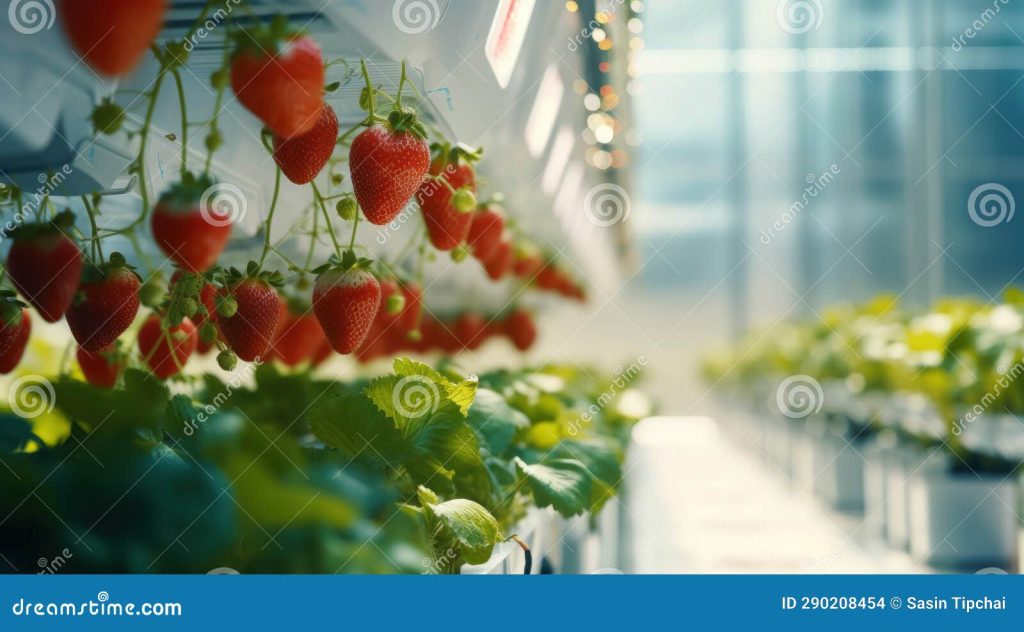
- Climate-controlled greenhouses: Robotics are also being employed in controlled environments, where they monitor and adjust humidity, temperature, and light levels. Through automated adjustments based on real-time data, these greenhouses can operate more efficiently, yielding better quality crops with less resource waste.
Furthermore, robotic automation directly tackles the pressing issue of labor shortages in the agricultural sector. With many regions facing a diminishing workforce due to aging populations and various economic pressures, the introduction of robotic technology offers a viable alternative. In states like California, which heavily rely on manual labor for harvesting crops, robotic systems can efficiently fill the gaps left by human workers, ensuring that production does not decrease due to labor availability.
Beyond addressing labor challenges, the environmental benefits associated with the evolution of agricultural technology cannot be overstated. The use of targeted application methods helps lower carbon footprints and contributes to responsible resource management, allowing farmers to adopt a more sustainable approach. As farmers increasingly face the dual challenge of increasing productivity while concurrently adhering to environmental regulations, robotic automation provides a promising avenue for achieving these goals.
This transformation underscores the profound changes taking place within the agricultural world. By embracing technological innovations, farmers can work toward a future that balances productivity and sustainability, securing food resources for generations to come. As we look ahead, it is evident that the convergence of technology and agriculture will continue to redefine our understanding of farming and its potential to thrive sustainably.
The agricultural landscape is undergoing a remarkable transformation driven by advancements in robotic automation. These technologies not only enhance operational efficiency but also promote sustainability, aligning with the global demand for eco-friendly practices.
Robotic systems are designed to carry out various tasks, such as planting, harvesting, and monitoring crops, with precision that surpasses traditional farming methods. By utilizing advanced sensors and artificial intelligence, these machines can analyze soil health, predict weather patterns, and optimize water usage, ensuring that resources are used effectively. For instance, data-driven decision-making helps in reducing water wastage, which is crucial in regions facing drought conditions.
Moreover, the integration of robotic automation minimizes labor shortages—especially in regions where agriculture heavily relies on seasonal workers. Automated systems can operate continuously, addressing labor scarcities while enhancing productivity and reducing operational costs. As a result, farmers can focus their efforts on strategic tasks, allowing for better crop management and overall yields.
The impact of robotic automation extends beyond just efficiency; it plays a vital role in enhancing sustainability practices. By providing precise application of fertilizers and pesticides, these technologies help in minimizing chemical runoff, preserving local ecosystems. Furthermore, the capability to track and manage crop health reduces the reliance on harmful agricultural practices, paving the way for organic farming initiatives and promoting biodiversity.
As we witness the revolution of robotic automation in agriculture, it is essential for stakeholders to stay informed about the latest innovations and their implications for future farming methods. With the right advancements and stewardship, robotic automation will continue to set the course for a more sustainable agricultural future.
| Advantage | Details |
|---|---|
| Increased Efficiency | Robots perform tasks with higher precision and speed, significantly improving operational workflows. |
| Sustainable Practices | Reduces chemical usage and conserves resources, helping to maintain environmental sustainability. |
DISCOVER MORE: Click here to dive deeper
Enhancing Crop Monitoring and Pest Management
In addition to improving efficiency, robotic automation is profoundly changing the way farmers monitor crops and manage pests. Traditional farming practices often relied on broad-spectrum pesticides and generalized assessments of crop health, which can overlook specific issues harming yields. However, advanced robotic technologies, equipped with sensors and imaging capabilities, are enabling a more targeted approach that conserves resources while protecting crops.
One remarkable development is the use of drones for crop monitoring. These aerial vehicles are capable of capturing high-resolution images and conducting thermal imaging to assess plant conditions. By analyzing these datasets, farmers can identify plants that might require additional nutrients or water and detect early signs of disease or pest infestations. According to a study conducted by Purdue University, precision agriculture technologies, including drone usage, can increase crop yields by as much as 15% while simultaneously reducing input costs by 10% to 15%.
Moreover, robotic systems are now being integrated with internet of things (IoT) solutions, enabling an interconnected network of digital tools that enhance farm operations. Sensors can be placed within fields to track various indicators, such as soil moisture levels and nutrient content. This data feeds directly to farmers, allowing them to adjust irrigation and fertilization practices based on real-time information. Such exactitude not only boosts productivity but also aligns with sustainable practices, as it minimizes runoff and ensures that inputs are used judently.
Pest management is another area where automation makes a significant impact. Traditional pest control practices have often relied on blanket applications of chemicals, resulting in the unnecessary use of harmful substances that can adversely affect non-target species and ground water. However, robotic solutions, such as autonomous drones equipped with spraying capabilities, can strategically apply pesticides only when and where needed, greatly reducing chemical use. This approach not only protects beneficial insects but also promotes a healthier ecosystem on the farm.
As robotics continue to evolve, we are witnessing innovations such as robotic pollinators designed to aid and complement natural pollination. With a decline in bee populations posing a threat to many crops, these mechanical pollinators can step in to ensure adequate pollination, thus safeguarding the yield potential of crops like almonds and tomatoes. By utilizing these robots, farmers can bolster their defenses against potential crop losses while promoting biodiversity.
In the United States, multiple farms are already embracing these robotic advancements. For instance, vineyards in California are deploying robotic vineyard monitoring systems that track grape ripeness, enabling winemakers to harvest at the ideal time. Similarly, rice fields in Arkansas have begun trialing autonomous rice planters that adapt to specific field conditions, ultimately optimizing both yield and sustainability.
The infusion of robotic automation into crop monitoring and pest management reflects a broader commitment to sustainability in agriculture. As farmers leverage technology to gain greater control over their operations, they are not only enhancing productivity but also safeguarding the environment. The intersection of these advancements underscores the critical role that innovation plays in adapting to both market demands and ecological challenges, setting the stage for a future where farming coexists harmoniously with nature.
DISCOVER MORE: Click here to dive deeper into the impact of data science
Conclusion: Pioneering the Future of Agriculture
As we stand on the brink of a revolution in agriculture, the integration of robotic automation symbolizes a transformative shift towards heightened efficiency and sustainability. Farmers are no longer simply reliant on traditional methods; instead, they are embracing groundbreaking technologies that deliver precision and insight. From drones monitoring crop health to robotic pollinators safeguarding yields, these innovations streamline operations and enhance productivity while significantly reducing the environmental footprint.
Furthermore, the focus on targeted pest management and resource conservation represents a pivotal change in agricultural practices. As farmers adopt solutions that minimize chemical use and optimize inputs based on real-time data, they are not only increasing their economic viability but also championing ecological health. This trend towards sustainable agriculture speaks to a broader commitment to preserve our planet for future generations while meeting the growing demands of a global population.
Looking ahead, the collaboration between farmers and technology developers will be essential in shaping the next phase of agriculture. With ongoing research and advancements propelling the industry forward, the potential for improved efficiency and sustainability is boundless. By continuing to leverage robotic automation, the agricultural community is well-equipped to navigate the complexities of modern farming while ensuring food security and environmental stewardship. As we witness this evolution, one thing becomes clear: the future of agriculture is not only bright but also intricately intertwined with the responsible use of technology.