
Understanding the Technological Framework
The rapid advancements in technology are significantly influencing various sectors, with deep learning leading the charge in revolutionizing transportation. One of the most profound impacts is evident in the development of autonomous vehicles. As these vehicles gain traction, they are not only changing our daily commutes but also how we perceive mobility in a broader sense.
At the heart of this transformation are complex technological systems designed to ensure that vehicles can operate safely and efficiently. Machine learning algorithms form the backbone of this technology, enabling vehicles to adapt and refine their operations based on experiences collected from their environment. For instance, these algorithms learn to recognize different traffic signals, pedestrian movements, and even changes in road conditions, allowing for improved decision-making in real-time scenarios.
The Role of Computer Vision
Computer vision is another critical component, allowing vehicles to perceive and understand their surroundings much like humans do. Through advanced image processing techniques, autonomous cars can identify hazards such as cyclists, animals, and obstacles on the road. This technology is pivotal in ensuring road safety, as it can significantly reduce the likelihood of collisions, a crucial advancement considering that, according to the National Highway Traffic Safety Administration, approximately 94% of serious crashes are attributed to human error.
Significance of Sensor Fusion
Sensor fusion integrates data from various sensing modalities, such as radar, lidar, and ultrasonic sensors, to create a comprehensive view of the vehicle’s surroundings. This multi-faceted approach enhances situational awareness, allowing autonomous vehicles to make informed decisions even in complex environments, such as busy urban streets or adverse weather conditions.
Real-World Applications and Trials
Across the United States, cities like San Francisco, Phoenix, and Austin are becoming live testing grounds for these groundbreaking technologies. Major players in the field—such as Tesla, Waymo, and General Motors—are pushing the envelope, developing sophisticated algorithms and creating smart infrastructures that significantly enhance the driving experience.
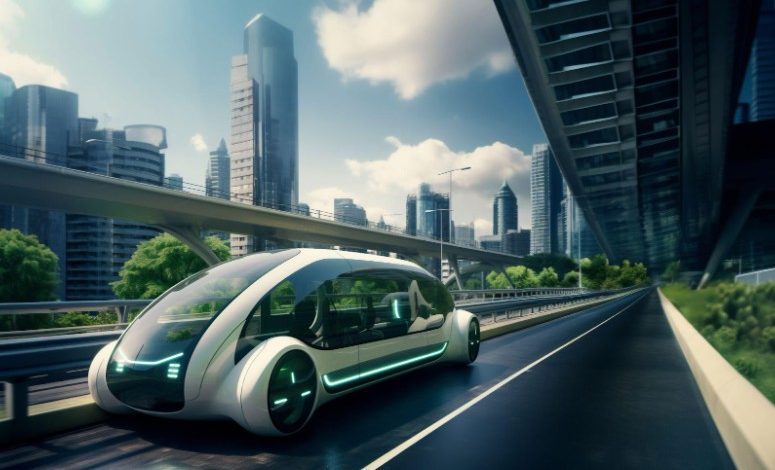
- Safety: Autonomous vehicles have the potential to dramatically decrease accident rates. A successful implementation could save countless lives and reduce insurance costs for consumers.
- Efficiency: Through optimized routing and real-time traffic analysis, autonomous vehicles can improve overall traffic flow, potentially decreasing commute times and reducing fuel consumption.
- Accessibility: These technologies promise to create transportation options for individuals with disabilities or those unable to drive, offering newfound independence and mobility.
As we continue to explore the intersection of deep learning and autonomous vehicles, it becomes evident that intelligent driving capabilities are poised to reshape our everyday lives and redefine societal norms surrounding transport. This shift not only involves intricate technology enhancements but also raises questions about regulatory frameworks, ethical considerations, and the future of urban planning. The journey into the era of autonomous mobility is just beginning, and its implications are vast and compelling, inviting us to look ahead with both caution and excitement.
DISCOVER MORE: Click here to learn about the impact of natural language on our interactions with machines
Revolutionizing Transportation with Deep Learning
The potential of deep learning to transform the transportation landscape is becoming increasingly evident, particularly through the advent of autonomous vehicles. These smart vehicles leverage advanced algorithms that continuously learn from vast amounts of data, allowing them to navigate complex environments and make intelligent decisions. The intersection of artificial intelligence and mobility is not just a technological marvel but also a profound shift in how we view travel and transportation.
One of the key attributes of autonomous vehicles is their ability to perform real-time data analysis. By utilizing deep learning techniques, these vehicles can evaluate surroundings at breathtaking speeds. For instance, through pattern recognition, they can predict the behavior of other road users, such as detecting subtle cues indicating that a pedestrian might step off the curb. This predictive capability is crucial in mitigating risks and enhancing overall road safety.
The Impact on Urban Mobility
As cities grapple with increasing traffic congestion and associated environmental concerns, autonomous vehicles emerge as a sustainable solution. They promise to optimize urban mobility by integrating with smart city infrastructure, such as traffic signals and public transportation systems. Imagine a scenario where your self-driving car communicates with these systems to find the fastest route, minimizing idle time and emissions.
- Ecological Benefits: With optimized routing, autonomous vehicles could significantly reduce carbon footprints, contributing to cleaner urban environments.
- Information Sharing: The continuous flow of information between vehicles can effectively reduce traffic jams and improve emergency response times, leading to more efficient city planning.
- Economic Opportunities: The growth of the autonomous vehicle sector is expected to create countless jobs, from data analysts to engineers, shaping an entirely new workforce dedicated to intelligent driving technologies.
Moreover, the socio-economic implications of autonomous driving extend beyond individual convenience. As these technologies become mainstream, they will likely influence public policies and regulatory frameworks governing transportation. Discussions around liability in accidents involving self-driving cars and the infrastructure necessary to support them are already underway, signaling a profound shift in governmental approaches to mobility.
Deep Learning: The Engine Behind the Wheels
At the core of this revolution lies deep learning, enabling vehicles to not only perform tasks but improve upon them autonomously. By processing vast data sets collected from sensors, cameras, and communication networks, the algorithms driving autonomous vehicles can continuously refine their capabilities. This results in smarter systems that are capable of real-time adjustments based on diverse inputs. Such adaptability is essential for navigating the unpredictable nature of road travel, making it a game-changer in the quest for reliable autonomous driving.
As we explore the potential and challenges of deep learning in the context of autonomous vehicles, it is clear that we stand at the forefront of a mobility revolution. This journey is not solely about technological advancements, but also about societal shifts that compel us to rethink the future of transportation. Engaging with these innovations today will shape how we drive, commute, and interact with our environments in the years to come.
| Advantages | Impacts |
|---|---|
| Enhanced Safety | Reduction in accidents due to precise decision-making algorithms and real-time data |
| Increased Efficiency | Optimized routes through machine learning leads to shorter travel times and reduced fuel consumption |
| Cost-Effectiveness | Reduced insurance costs and maintenance fees due to fewer accidents and lower wear-and-tear |
| User Convenience | Autonomous vehicles provide better accessibility for individuals unable to drive |
As we delve deeper into the transformative potentials of deep learning in the domain of autonomous vehicles, it becomes evident that the future of intelligent driving is not just about technological advancement but also about reshaping how we navigate our world. The core advantage of employing deep learning algorithms lies in their ability to process vast amounts of data efficiently, leading to enhanced safety on the roads. With the integration of camera and sensor data, autonomous cars can detect potential hazards and react instantaneously, aiming to significantly decrease traffic accidents.Moreover, the movement towards mobility revolution is concerted with efforts to improve energy efficiency. Advanced algorithms allow these vehicles to calculate the best routes in real-time, potentially reducing fuel consumption and overall emissions. This data-driven approach also seizes the opportunity for economic savings, translating into lower insurance premiums and maintenance costs for owners. In addition, autonomous vehicles are revolutionizing user experience, providing mobility solutions for the elderly and disabled, thus fostering inclusivity in urban transportation ecosystems. As society navigates this technological shift, the implications of intelligent driving stretch far beyond mere transportation; they beckon a complete transformation of urban planning and personal mobility.
DISCOVER MORE: Click here to find out how data science is shaping AI accessibility
Challenges and Ethical Considerations in Autonomous Driving
While the benefits of deep learning in autonomous vehicles are clear, there are significant challenges and ethical considerations that must be addressed as we navigate this revolutionary landscape. One pressing issue is the need for robust data security measures. Autonomous vehicles generate and rely upon an immense amount of data—from location tracking and sensor readings to user preferences and environmental factors. This creates potential vulnerabilities that could be exploited by malicious entities, leading to privacy breaches or even dangerous hacks that compromise vehicle control.
Another major concern is the ethical dilemma of decision-making in critical situations. For instance, how should an autonomous vehicle prioritize the safety of its passengers versus the safety of pedestrians in the event of an unavoidable accident? Such scenarios, often referred to as “trolley problems,” present complex moral questions that engineers and policymakers must grapple with. Public trust in autonomous driving technologies hinges on transparent discussions and ethical frameworks that address these dilemmas within the scope of AI programming.
Regulation and Standardization
As the technology evolves, so does the urgent need for regulatory frameworks that ensure the safe deployment of autonomous vehicles. The United States faces a patchwork of state and federal regulations that can stifle innovation while leaving potential safety gaps. A well-defined and flexible regulatory environment is necessary to encourage the growth of intelligent driving while ensuring public safety remains paramount.
Moreover, the standardization of communication protocols—particularly among different manufacturers—will be essential as the market evolves. Ensuring that various vehicles can communicate effectively with one another and the infrastructure will minimize accidents and enhance the efficiency of urban mobility. Organizations such as the Society of Automotive Engineers (SAE) are already working on establishing guidelines to harmonize these efforts across the industry.
Public Acceptance and Adaptation
The successful deployment of autonomous vehicles hinges not only on technology but also on societal acceptance. Surveys indicate a level of skepticism among the public regarding self-driving technology, often fueled by sensationalized media coverage of accidents involving autonomous cars. Public education campaigns emphasizing safety, reliability, and the long-term benefits of autonomous driving are crucial to overcoming these obstacles.
Furthermore, as autonomous vehicles become more integrated into our lives, individuals will need to adapt to new modes of transportation. This transition could involve rethinking everything from insurance policies to licensing requirements, as the roles of drivers evolve in a world increasingly dominated by intelligent driving systems. Behavioral shifts, including the acceptance of car-sharing and ride-hailing services powered by autonomous vehicles, will likely become more commonplace.
The Future of Mobility
The mobility revolution propelled by deep learning promises to transform the way we approach transportation. Cities designed with autonomous vehicles in mind could enhance the livability of densely populated areas, reduce traffic congestion, and create valuable green spaces by minimizing parking requirements. As this technology continues to develop, it will be imperative to remain vigilant in addressing ethical, regulatory, and societal challenges while maximizing the positive impacts on urban environments.
The symbiosis of deep learning and mobility not only offers a glimpse into an autonomous future but also invites us to rethink our relationship with transportation, making this a pivotal moment in the evolution of travel.
DIVE DEEPER: Click here to uncover the evolution of machine learning
Conclusion: Embracing the Future of Intelligent Mobility
As we stand on the brink of a mobility revolution fueled by deep learning technologies, the transformative potential of autonomous vehicles and intelligent driving systems is becoming increasingly clear. These advancements promise to reshape our cities, enhance road safety, and redefine personal transportation, paving the way for a future where mobility is more efficient, sustainable, and accessible. However, realizing this vision requires not only cutting-edge technology but also a concerted effort to address the looming challenges and ethical dilemmas that accompany such profound change.
The need for robust data security measures and comprehensive regulatory frameworks remains paramount to ensure public trust and safety as these systems are deployed. Furthermore, fostering a culture of public acceptance hinges on transparency about self-driving technology’s capabilities and limitations. Both consumers and policymakers must engage in ongoing conversations that emphasize the reliability and safety of autonomous vehicles while navigating the moral complexities that arise in critical driving scenarios.
Ultimately, the path forward for intelligent mobility will involve an intricate dance between technological innovation, regulatory oversight, and societal adaptation. As we embrace this new paradigm, reflecting on our relationship with transportation is essential; we must be vigilant in ensuring that the benefits of deep learning in mobility are equitably shared. By doing so, we can aspire to create a future where autonomous vehicles not only enhance our travel experiences but also contribute positively to the fabric of our communities. The journey toward a fully autonomous future is just beginning, and our commitment to addressing these multifaceted challenges will determine its success.