
Understanding the Convergence of Technologies
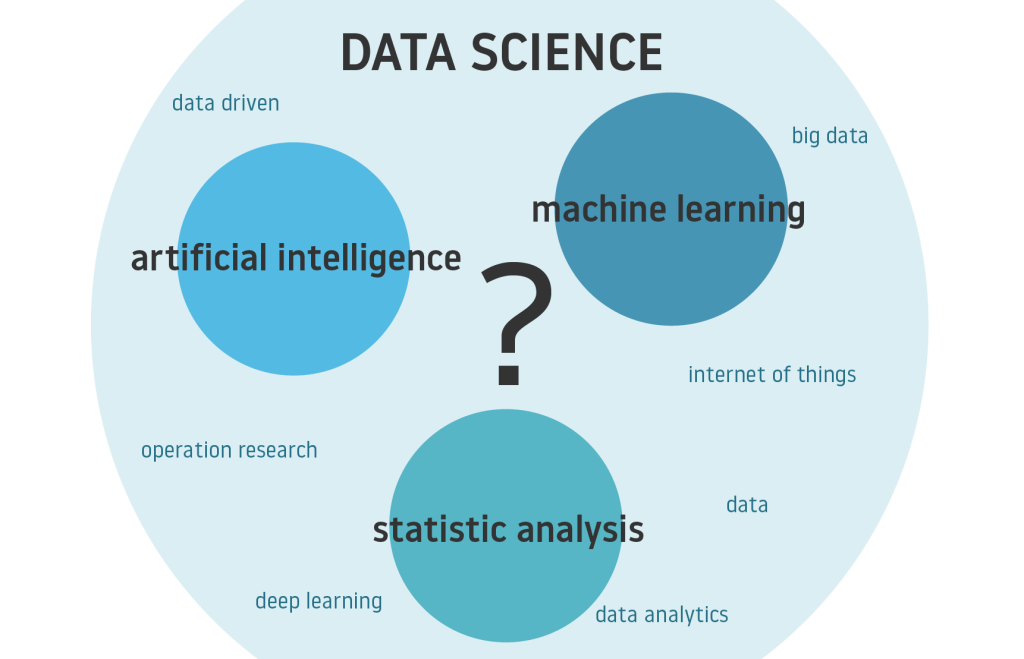
The convergence of data science and artificial intelligence (AI) is not merely a trend; it is a transformative force that is reshaping industries and creating opportunities for innovation that were unimaginable just a decade ago. By combining the vast potential of big data with sophisticated machine learning algorithms, organizations can glean insights that go beyond simple analytics, enabling predictive models capable of identifying hidden patterns and potential future scenarios.
In the healthcare sector, for example, the integration of AI and data science is paving the way for breakthroughs in diagnostics and personalized medicine. Machine learning algorithms analyze enormous datasets composed of patient histories, genetic information, and treatment outcomes to predict individual responses to treatments. Companies like IBM Watson Health harness these insights to assist healthcare professionals in making more informed decisions, ultimately improving patient outcomes.
The finance sector is undergoing a similar transformation, with AI enhancing the mechanisms of fraud detection and risk assessment. Financial institutions utilize machine learning techniques to analyze transactions in real-time, uncovering anomalies that might indicate fraudulent activity. This real-time capability empowers banks to respond instantaneously, a vital feature in an industry where every second counts. For instance, PayPal has implemented AI-driven processes to identify and mitigate threats, thereby securing its platform and instilling greater consumer confidence.
In the realm of retail, AI-driven predictive analytics enables businesses to anticipate consumer behavior, tailoring the shopping experience to individual preferences. Retail giants like Amazon utilize these insights to recommend products, optimize pricing, and enhance inventory management, all while engaging customers in a personalized manner. The result is not only increased sales but also a more satisfying shopping experience for consumers.
Moreover, the evolution of smart cities demonstrates how AI and data science can optimize infrastructure and resource management. By analyzing traffic patterns through IoT (Internet of Things) devices and city data, municipalities can reduce congestion, lower energy consumption, and improve public safety. Cities like San Francisco and New York are beginning to deploy such technologies, enhancing urban life and sustainability through data-driven solutions.
Emerging Trends in Data Science and AI
As organizations lean into these capabilities, several key trends emerge that profoundly affect operational strategies:
- Automation: The use of AI is streamlining decision-making processes, enabling businesses to automate routine tasks and focus on more strategic initiatives.
- Real-time Analytics: Companies are increasingly capable of acting on insights derived from large datasets, allowing for faster responses to market changes and consumer demands.
- Ethical AI: With the growing reliance on AI, addressing biases and ensuring a responsible approach to data usage is paramount. Organizations are now prioritizing transparency and fairness in AI algorithms to foster trust with consumers.
The collaboration between data science and AI presents a myriad of possibilities that can help redefine entire industries. With these technologies rapidly evolving, staying informed about their integration is essential for stakeholders aiming to remain competitive. In the tales woven by emerging trends such as automation, real-time analytics, and ethical AI, the future is not merely anticipated—it is actively being shaped. As this dynamic landscape unfolds, it invites exploration and examination, compelling us to consider both the challenges and opportunities that lie ahead.
DIVE DEEPER: Click here to discover more
Transformative Applications Across Emerging Sectors
As data science and artificial intelligence (AI) continue their rapid evolution, their collaborative applications are becoming increasingly prominent across various emerging sectors. Businesses are beginning to leverage these technologies not only to enhance operational efficiency but also to drive innovative solutions that meet the evolving demands of consumers and the marketplace. This synergy is creating a new frontier where data-driven decision-making and machine intelligence intersect, leading to groundbreaking advancements.
One of the sectors primed for transformation is renewable energy. With the advent of smart grids, data science and AI are working hand-in-hand to optimize energy distribution and consumption. By analyzing patterns in energy usage and integrating weather forecasts, AI models can predict energy demands with remarkable accuracy. This helps utility companies in the United States manage resources more effectively, reduce waste, and increase the reliability of renewable energy sources such as solar and wind power. Firms like Siemens are investing in these technologies to create intelligent energy systems that adapt in real time, promoting sustainability on a larger scale.
Transportation is another realm where the collaboration between data science and AI is making waves. The rise of autonomous and connected vehicles relies heavily on data analytics and machine learning algorithms. These technologies harness data from sensors, GPS, and traffic patterns to enhance safety and efficiency on the roads. For instance, companies like Waymo and Tesla are leveraging vast amounts of data to train their AI systems for self-driving capabilities. Such advancements not only aim to reduce accidents but also have the potential to transform urban mobility and reduce congestion.
Furthermore, the agriculture sector is undergoing a profound evolution through the marriage of data science and AI. Precision farming techniques utilize predictive analytics to assess soil health, weather conditions, and crop yields. This integration allows farmers to make informed decisions about resource allocation, pest management, and crop planning. By employing drones and IoT devices, companies like AeroFarms are capturing real-time data and deploying AI solutions to maximize productivity while minimizing environmental impact, showcasing how the collaboration fosters a sustainable future in food production.
The education sector is also increasingly benefiting from these technologies. Machine learning algorithms can analyze student performance data to tailor educational materials and identify at-risk students. Platforms such as Coursera and Khan Academy are utilizing AI to provide personalized learning experiences that adapt to individual student needs, making education more accessible and effective. This trend signifies a shift towards data-informed educational practices that can lead to improved learning outcomes.
Key Innovations Driving Collaboration
As organizations continue to explore the partnership between data science and AI, several key innovations are emerging that promise to shape the future landscape:
- Predictive Maintenance: Industries are implementing AI-driven predictive maintenance strategies, allowing for timely repairs and reducing downtime by preemptively addressing equipment failures.
- Supply Chain Optimization: Firms are increasingly using AI and data science to enhance supply chain operations, improving inventory management, demand forecasting, and logistics efficiency.
- Personalized Marketing: Retail and service industries are applying these technologies to analyze consumer behavior, leading to highly targeted marketing strategies that resonate with specific audience segments.
The future trends in the collaboration between data science and AI are only beginning to unfold, and as more sectors embrace these innovations, the potential for transformation is both exciting and limitless. Organizations that harness these advancements will not only stay ahead of the curve but also contribute to a more efficient, sustainable, and equitable world.
| Advantage | Description |
|---|---|
| Enhanced Decision-Making | The synergy between Data Science and AI facilitates deeper insights, enabling organizations to make more informed decisions based on predictive analytics. |
| Automation of Complex Tasks | Combining machine learning and data analysis allows for the automation of labor-intensive processes, freeing up resources for creativity and strategic planning. |
| Customization and Personalization | By leveraging AI-driven insights, businesses can offer tailored experiences to their clients, enhancing customer satisfaction and loyalty. |
| Scalability of Innovations | The collaboration enables emerging sectors to scale their innovative solutions rapidly, adapting to market changes with agility thanks to powerful data processing capabilities. |
The collaboration between Data Science and AI is paving the way for revolutionary changes in various emerging sectors, including healthcare, finance, and transportation. Healthcare applications harness predictive analytics to anticipate patient needs, while in finance, fraud detection systems utilize machine learning algorithms to identify suspicious activities effectively. As businesses strive for innovation and efficiency, the intertwining of these fields will accelerate the development of solutions that were previously unimaginable, leading to vastly improved outcomes across industries. With the profound impact on operational efficiency and strategic foresight, this collaboration exemplifies the potential to reshape the future landscape of enterprises worldwide, ensuring a robust framework for continued growth and exploration.
DISCOVER MORE: Click here to dive deeper
Expanding Horizons: The Role of Data Ethics and Collaboration
As the collaboration between data science and artificial intelligence (AI) continues to advance in emerging sectors, the conversation around data ethics is gaining traction. With the massive influx of data generation and collection, stakeholders must prioritize ethical considerations to ensure responsible usage. In domains like healthcare, incorporating AI into patient care presents ethical dilemmas surrounding privacy and consent. Organizations such as the American Medical Association are actively exploring guidelines that would shape the responsible integration of AI while preserving patient trust and safety.
In the context of healthcare, the dynamic partnership between data science and AI is facilitating improvements in predictive analytics for patient outcomes. By leveraging vast datasets from electronic health records and wearable devices, AI can identify potential health risks, enabling healthcare providers to intervene proactively. A notable example includes the collaboration between universities, tech companies, and healthcare organizations to develop AI systems capable of predicting diseases such as diabetes or heart disease up to five years in advance. Technologies like these not only enhance patient care but also optimize resource allocation in hospitals, effectively merging technological innovation with data-driven healthcare solutions.
The financial sector is another area reaping the benefits of data science and AI collaboration. As the sector undergoes transformation through the integration of fintech innovations, firms are relying on advanced algorithms to detect fraudulent activities and analyze market trends. AI systems are capable of sifting through voluminous transaction data, identifying patterns that hint at potential fraud, and alerting financial institutions in real time. Banks like JPMorgan Chase are at the forefront of this movement, utilizing AI to create more robust security measures while offering personalized financial advice to customers via intelligent chatbots.
Additionally, the budding field of smart city development showcases the power of data science and AI collaboration in urban planning. Leveraging AI and extensive datasets, city planners can optimize resources, improve traffic management, and enhance public safety. AI models can analyze transportation patterns to manage congestion, ultimately creating a more efficient urban environment. Initiatives in cities like San Francisco and New York are piloting projects that employ AI to collect real-time data on urban living, allowing local authorities to make data-driven decisions that enhance the quality of life for residents.
The Impact of Interdisciplinary Collaboration
To further deepen the impact of data science and AI, interdisciplinary collaboration is becoming essential. Experts from diverse fields, including sociology, economics, and environmental science, are coming together to create solutions that leverage data analytics and AI in innovative ways. This fusion of knowledge and expertise allows for more comprehensive insights, fostering the development of solutions tailored to complex challenges in areas like climate change and urban development.
- Climate Science: The collaboration between data scientists and AI specialists is pivotal in climate research, using predictive analytics to model climate change effects and develop strategies to mitigate environmental risks.
- Social Innovation: Organizations are utilizing data science and AI to address social issues, such as homelessness and educational disparities, enabling more informed policymaking and targeted interventions.
- Public Safety: The fusion of data science and AI in public safety initiatives can enhance emergency response systems, utilizing real-time data to allocate resources and deploy services efficiently during crises.
As data science and AI innovations continue to reshape these emerging sectors, the potential to create significant societal impacts is enormous. By fostering ethical considerations and interdisciplinary collaborations, organizations can unlock new opportunities for advancement while addressing the complexities of modern challenges.
DIVE DEEPER: Click here to learn how data science is reshaping machine learning
Looking Ahead: Embracing Change and Innovation
In conclusion, the collaboration between data science and artificial intelligence is poised to redefine the landscape of emerging sectors through an infusion of innovation, efficiency, and strategic insights. The integration of these technologies is not merely a trend but a fundamental shift that equips organizations to address complex challenges and harness new opportunities. From enhancing patient care in healthcare to revolutionizing financial security in the fintech sector, the transformative impact of data-driven decision-making is becoming increasingly evident.
As we navigate these changes, the importance of data ethics and interdisciplinary collaboration cannot be overstated. Stakeholders must remain vigilant about the ethical implications of data usage, ensuring that the advancements benefit society while safeguarding individual rights. The collaboration across disciplines is equally vital, as it invites diverse perspectives that are essential in tackling multifaceted issues such as climate change and social inequality.
Emerging trends will likely focus on optimizing systems within smart cities, improving operational efficiencies, and enhancing public safety. As data scientists and AI experts continue to innovate and collaborate, we can expect a surge in solutions tailored to the unique challenges facing urban environments and social structures. The future of this collaboration promises not only enhanced performance but also a profound societal impact, paving the way for a more connected, efficient, and just world.
As these changes unfold, staying informed and adaptable will be key for businesses and individuals alike. The synergy between data science and artificial intelligence opens up a world of possibilities, encouraging all stakeholders to embrace this transformation while prioritizing ethical and responsible practices in all initiatives.