
Transformative Applications of Deep Learning and IoT
As the digital landscape evolves, two transformative technologies are emerging at the forefront: Deep Learning and the Internet of Things (IoT). Together, they are revolutionizing the way we analyze and interact with vast streams of real-time data. Their convergence presents remarkable opportunities and challenges for industries eager to harness their power.
The synergy of deep learning and IoT is laying the groundwork for smarter functionality across various sectors. This intersection allows for advanced data analytics capabilities, which can turn ordinary observations into actionable insights. Consider the following potential applications:
- Smart Cities: Enhanced traffic management systems that optimize routes using real-time data from connected vehicles are becoming increasingly common. For instance, platforms like Waze leverage user data to provide real-time navigation. Cities are now integrating this technology to manage traffic signals dynamically, reducing congestion and improving air quality by minimizing idle times.
- Healthcare: Wearable devices that monitor patients’ health metrics, such as heart rate and glucose levels, are utilizing deep learning algorithms for predictive analytics. Companies like Fitbit and Apple are pioneering this field, employing AI to not only track health data but to alert users about potential health risks. Predictive analytics can lead to early interventions, significantly improving patient outcomes.
- Manufacturing: Predictive maintenance systems are set to revolutionize the industrial sector by analyzing equipment performance data to minimize downtime. Companies like GE have integrated deep learning systems that predict machinery failures before they occur, saving millions in repair costs and boosting operational efficiency.
The combination of deep learning and IoT enables companies to process information at unprecedented speeds. By leveraging neural networks, organizations can extract patterns and insights from data collected by smart devices. This synergy not only boosts efficiency but creates a robust framework for real-time decision-making—an essential trait for navigating today’s fast-paced market environments.
With the surge in connected devices, it is estimated that there will be more than 75 billion IoT devices by 2025, according to various industry forecasts. This exponential growth demands innovative approaches to data management and analysis. As businesses embark on this journey, the ability to harness deep learning to make sense of the colossal amounts of data generated by IoT devices becomes essential for staying competitive.
Organizations that embrace this technological evolution will not only improve their operational efficiencies but will also enrich customer experiences. The future landscape, shaped by the interplay of deep learning and IoT, beckons a new era of innovation poised to enhance everything from urban living to preventive healthcare. Those who remain aware of these advancements and adapt accordingly will lead the charge into a data-driven world.
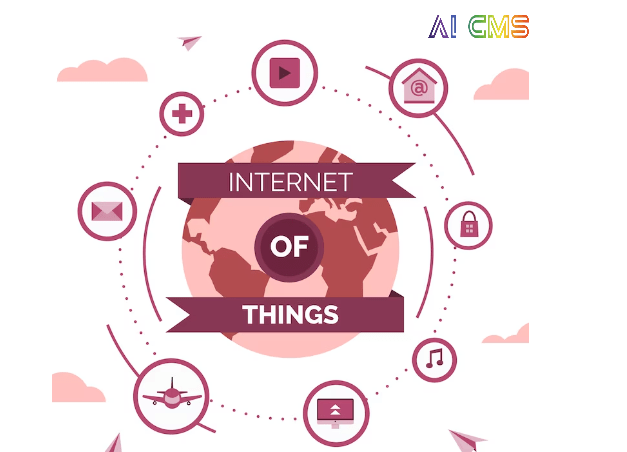
DIVE DEEPER: Click here to uncover advanced techniques
Harnessing Deep Learning for Enhanced IoT Data Management
At the heart of the transformative power of deep learning and the Internet of Things (IoT) lies the ability to efficiently manage and analyze vast amounts of data generated by interconnected devices. The intricate relationship between these technologies not only facilitates faster data processing but also enhances the quality and reliability of the insights derived from real-time data streams. In this evolving digital ecosystem, organizations are recognizing that intelligent data analysis is critical for driving innovation and improving overall operational efficiency.
As IoT devices proliferate in both consumer and industrial applications, they generate immense volumes of data that require immediate analysis. That’s where deep learning comes into play. Leveraging artificial neural networks, deep learning algorithms can analyze real-time data from a multitude of devices, enabling organizations to react swiftly to changing conditions. For example, consider the realm of smart agriculture. Farmers can utilize connected sensors to monitor soil moisture levels and crop health in real-time. Deep learning models can process this data to predict optimal irrigation schedules or crop harvesting times, thus maximizing yield and sustainability.
The applications of deep learning in the IoT landscape are vast and varied, providing numerous advantages across multiple sectors. Here are some key benefits:
- Scalability: The ability to handle increased data loads as more devices become interconnected. Deep learning algorithms improve in performance as they are exposed to larger datasets, ensuring better insights over time.
- Automation: By automating data analysis, organizations can reduce human error and labor costs. For instance, automated visual inspection systems in manufacturing leverage deep learning to detect defects in products faster and with greater accuracy.
- Predictive Insights: The proactive identification of potential issues before they escalate is another significant benefit. In transportation, for example, deep learning can forecast vehicle maintenance needs based on real-time performance data, minimizing costly breakdowns and enhancing safety.
Moreover, the road to a data-driven future is not without challenges. Issues such as data privacy, security, and the need for seamless integration of different systems must be addressed. To mitigate these concerns, the development of robust cybersecurity measures is essential. As data from various sources becomes more centralized through cloud computing, ensuring secure data transmission and storage will be vital for maintaining consumer trust and safeguarding sensitive information.
As businesses harness the power of deep learning in conjunction with IoT, the potential for real-time decision-making grows exponentially. Industries that effectively implement these technologies can gain a competitive edge, enhancing not only operational capabilities but also customer satisfaction. The journey of optimization through deep learning and IoT is just beginning, but its implications are profound, promising a future enriched with smarter, data-driven solutions that can transform everyday experiences.
| Advantages of Deep Learning | Impact on IoT Data Analysis |
|---|---|
| Improved Accuracy | Deep learning algorithms enhance data processing accuracy, leading to better decision-making in IoT applications. |
| Scalability | As IoT devices proliferate, deep learning frameworks can scale to handle expanding datasets. |
| Real-Time Processing | Deep learning enables instantaneous data analysis, crucial for applications like predictive maintenance. |
| Automated Insights | Generates actionable insights without manual intervention, allowing for faster responses in dynamic environments. |
In the realm of Deep Learning combined with the Internet of Things (IoT), the transformation of real-time data analysis is profound. By leveraging advanced machine learning algorithms, we can effectively handle the deluge of data generated by myriad devices. For example, smart sensors equipped with deep learning capabilities can identify patterns and anomalies in data flows, leading to enhanced operational efficiencies across sectors like healthcare, manufacturing, and automotive.Moreover, the fusion of these technologies opens pathways for seamless interoperability among devices, granting extensive interoperability, which can further optimize systems and resource allocations across various platforms. The synergy between deep learning and IoT not only empowers organizations to make data-driven decisions but also fosters innovation in developing new applications that leverage real-time analytics, ultimately paving the way for smarter, connected ecosystems.
DISCOVER MORE: Click here to learn about ethical challenges in NLP
Transformative Applications of Deep Learning in IoT Environments
The integration of deep learning with the Internet of Things (IoT) is transforming numerous industries by enabling enhanced data analysis capabilities that were previously unattainable. As organizations seek to leverage these technologies, innovative applications are emerging across various sectors, from healthcare to smart cities, all aiming to optimize real-time data utilization.
In the healthcare sector, for example, real-time data from wearable devices is making strides in patient monitoring. Devices that track heart rates, blood sugar levels, and even sleep patterns generate continuous streams of data. Deep learning algorithms can analyze this data in real-time, identifying anomalies that might indicate potential health issues. This capability not only facilitates timely medical interventions but also enhances personalized treatment plans tailored to individual patients, marking a significant shift towards evidence-based healthcare.
The transportation industry is also experiencing a paradigm shift driven by deep learning and the IoT. Consider the development of autonomous vehicles. These vehicles rely on a network of sensors that collect data on surroundings, speed, and driving conditions. Deep learning models process this information in real-time, allowing the vehicle to make instant decisions like lane changes or emergency stops. This interactivity not only enhances safety but also improves traffic efficiency, as these vehicles can communicate with each other to prevent congestion.
Moreover, deep learning can elevate the operational efficiency of smart cities. With the aid of IoT devices like smart traffic lights and surveillance cameras, city managers can collect and analyze urban data to optimize resource allocation. For example, by using deep learning algorithms, city infrastructures can predict traffic patterns and adjust traffic signals dynamically. This optimization leads to reduced emissions and enhanced mobility for city dwellers. In places like San Francisco, where traffic congestion is a significant concern, such smart city implementations are pivotal in creating a sustainable urban environment.
In terms of energy management, the intersection of deep learning and IoT is equally promising. Smart grids equipped with IoT sensors can monitor energy consumption patterns in real-time, allowing for predictive maintenance and demand response strategies. Deep learning can analyze trends in electricity usage, leading to more efficient distribution of energy based on consumer needs. This technology not only enhances energy efficiency but also contributes to renewable energy sources being utilized more effectively, as seen in initiatives across communities in California that integrate solar energy into their smart grid systems.
While the advantages of intertwining deep learning with IoT data analysis are evident, the path comes with its own set of challenges. Achieving interoperability among diverse devices and platforms is essential for maximizing the potential of these technologies. Furthermore, edge computing is becoming increasingly important as it allows data to be processed closer to where it is generated, significantly reducing latency and bandwidth usage. By deploying deep learning models on edge devices, businesses can achieve faster decision-making and enhance the responsiveness of their systems.
As organizations increasingly adopt these advancements, staying ahead of technology trends is crucial. Continual research, development, and regulatory compliance must align to ensure that the deployment of deep learning and IoT yields sustainable and ethical outcomes. Embracing this technological confluence will ultimately lead to a smarter, more interconnected world, unlocking limitless possibilities for innovation.
DISCOVER MORE: Click here to learn about how machine learning enhances education
Conclusion
The dynamic interplay between deep learning and the Internet of Things (IoT) is reshaping how we approach data analysis, enabling industries to harness real-time insights like never before. As we’ve explored, the implications of this integration are profound, ranging from enhanced patient outcomes in healthcare to improved traffic flow in smart cities. The ability to analyze vast amounts of data instantly is not merely a technological advancement; it represents a pivotal shift towards more informed decision-making across various sectors.
However, the journey is filled with challenges that must be navigated to unlock the full potential of these technologies. Interoperability among devices and platforms remains a critical concern that organizations must address to maximize efficiency and effectiveness. Moreover, as we venture further into an era dominated by intelligent systems, the incorporation of edge computing has become increasingly relevant, facilitating faster data processing and reduced latency. businesses will need to prioritize staying ahead of evolving trends, regulatory standards, and ethical considerations.
In conclusion, as the synergy between deep learning and IoT continues to evolve, it paints an exciting horizon where innovation knows no bounds. By proactively addressing challenges and embracing the opportunities this intersection presents, we stand on the brink of a smarter, more efficient, and connected world. The potential for transformative developments across industries urges us to delve deeper into research, collaboration, and the practical applications of these technologies, ultimately paving the way for an extraordinary future driven by intelligent data utilization.