
The Impact of Automated Robotics on Supply Chain Resilience
The world of logistics is undergoing a radical transformation, and at the forefront of this evolution is the integration of automated robotics. With the disruptions caused by events like the COVID-19 pandemic and escalating geopolitical tensions, companies have been pushed to rethink their operational strategies. The unpredictable nature of global supply chains has catalyzed a shift towards robotics, allowing businesses to innovate and fortify their supply lines against future challenges.
Increased Efficiency is one of the hallmark benefits of robotics in logistics. Automated systems can handle tasks around the clock, ensuring that bottlenecks are minimized and productivity levels remain consistent, even during peak demands. For instance, major retailers such as Amazon utilize automated warehousing technologies where robots rapidly navigate through stock, picking items with precision. This means items can be sorted and shipped faster than ever, leading to improved customer satisfaction and quicker turnaround times.
Another significant advantage concerns Cost Savings. The introduction of automated robotics significantly reduces reliance on human labor, thus lowering operational costs associated with wages, benefits, and training. Additionally, robots are less prone to error compared to their human counterparts. This reduction in mistakes can lead to decreased returns and better inventory management, driving profitability. According to a report from the McKinsey Global Institute, automated systems could add approximately $2 trillion to the manufacturing industry by enhancing productivity and cutting costs.
The flexibility offered by automation is also noteworthy. Modern automated systems can be programmed and reconfigured to handle various tasks, making it easier for businesses to adapt to changing circumstances. For instance, during supply chain disruptions, companies can pivot their logistics strategies by deploying robots for different roles, such as packaging or sorting without the need for extensive retraining. This adaptability is crucial for staying competitive in a fast-changing marketplace.
Across the United States, industries are eager to incorporate these technological advancements. Robotics are already reshaping the landscape from automated picking systems in warehouses to autonomous delivery drones enhancing last-mile logistics. Companies like Grid.ai are experimenting with drones that can transport medical supplies and equipment to remote areas, exemplifying how robotics can not only improve operational efficiency but also support community health and safety needs.
Looking Ahead
As more organizations incorporate automated robotics into their supply chains, the potential for resilience becomes increasingly clear. However, transitioning to these technologies is not without its challenges. Issues such as high initial investment costs, potential cybersecurity threats, and the need for skilled technicians to operate advanced machinery complicate the landscape. Therefore, businesses must carefully consider their approach to implementation, weighing the benefits against the potential hurdles.
In conclusion, the future of logistics appears bright with the rise of automated robotics. As industries explore the myriad benefits that these technologies provide, it becomes evident that they are not just short-term fixes to current crises, but rather crucial components that will shape the future of supply chains in an increasingly volatile world. By investing in robotics, businesses are not merely responding to immediate challenges; they are laying the groundwork for a more robust and resilient future.
DIVE DEEPER: Click here to learn more
Transforming Supply Chains through Automation
The integration of automated robotics in supply chains has initiated a profound transformation in how businesses manage their operations, particularly during times of crisis. As companies confront the ongoing challenges created by global disruptions, these technologies offer not only solutions but also opportunities for shaping the future of logistics. A remarkable aspect of this shift is the way in which robotics improves supply chain agility, making it possible for organizations to respond swiftly to unforeseen circumstances.
In the face of crises, operational agility becomes essential. Automated systems, such as collaborative robots or “cobots,” work alongside human employees to enhance workflow and reduce the burden of repetitive tasks. This synergy ensures that workforce productivity is maintained while adapting to fluctuating demand. A report by the World Economic Forum highlights that the use of cobots can improve productivity by as much as 30%, allowing businesses to adjust rapidly to the demands of a fluctuating market.
Moreover, the data-driven capabilities of automated robotics create another layer of resilience in supply chain management. Modern robots are equipped with advanced sensors and software that enable real-time monitoring and data analysis. These systems can track inventory levels, predict stocking needs, and analyze consumer behavior instantaneously. By harnessing this wealth of data, companies can make informed decisions about production and distribution strategies even in chaotic environments. Companies like Walmart, for instance, have begun implementing such technologies to streamline their inventory processes, allowing them to maintain stock levels effectively during peak periods.
The benefits of employing automated robotics extend beyond efficiency and agility; they also encompass improved safety and health protocols. In the wake of the COVID-19 pandemic, many companies have recognized the importance of minimizing human contact in production and logistics settings. Automated solutions can perform hazardous tasks that previously required human labor, reducing the risk of injury and exposure to health threats. For example, companies such as Swisslog have pioneered solutions with autonomous vehicles and robotic systems that deliver products while ensuring compliance with health guidelines.
As we analyze the landscape of automated robotics in supply chain resilience, it is important to identify the key areas where these innovations make a profound impact:
- Operational Efficiency: Automation enhances processes by reducing time delays and labor costs.
- Data Analytics: Real-time data tracking and analysis provide insights for better decision-making.
- Health and Safety: Reduced human interaction lowers risks of contamination and workplace injuries.
- Adaptability: Robots can be reprogrammed for various tasks, facilitating quick shifts in logistics strategies.
The integration of these elements into the logistic framework not only drives operational success in the present but also prepares businesses for future challenges. As the landscape continues to evolve, the call for companies to explore how they can leverage automated robotics becomes increasingly pertinent, emphasizing the need for a forward-thinking approach in supply chain management.
| Advantage | Explanation |
|---|---|
| Cost Efficiency | Automated robotics reduce operational costs by minimizing labor expenses and enhancing productivity through precision and speed. |
| Flexibility in Operations | Robotics allow for dynamic adjustments within supply chains, enabling quick responses to market demand changes during crises. |
The integration of automated robotics in supply chains not only optimizes efficiency but also enhances overall resilience during unpredictable circumstances. One major advantage is the cost efficiency achieved as robots perform tasks faster and with greater accuracy, thus significantly lowering the costs associated with human error or delays. The reliance on technology means companies can function with fewer personnel, reducing labor overhead while maintaining or increasing output.Moreover, the flexibility provided by these systems allows businesses to reconfigure their operations swiftly, adapting to new challenges that arise during a crisis. For example, in instances of sudden demand spikes or supply shortages, robotics can seamlessly redistribute tasks, permitting companies to pivot quickly without extensive downtime. As consumers turn to e-commerce, the capacity of automated solutions is crucial in sustaining supply chain demands, ensuring timely deliveries and customer satisfaction even in turbulent times.
DISCOVER MORE: Click here to learn about the significance of data quality
Enhancing Supply Chain Resilience through Smart Robotics
As businesses navigate through crises, there is an increasing recognition of the role that smart robotics play in enhancing supply chain resilience. Automated robotics are not merely a supplementary asset; they represent a pivotal shift towards a more flexible and responsive logistic infrastructure capable of enduring significant disruptions. The evolution of sensor technology and artificial intelligence (AI) has enabled robots to perform complex tasks that were once thought to be exclusive to human workers.
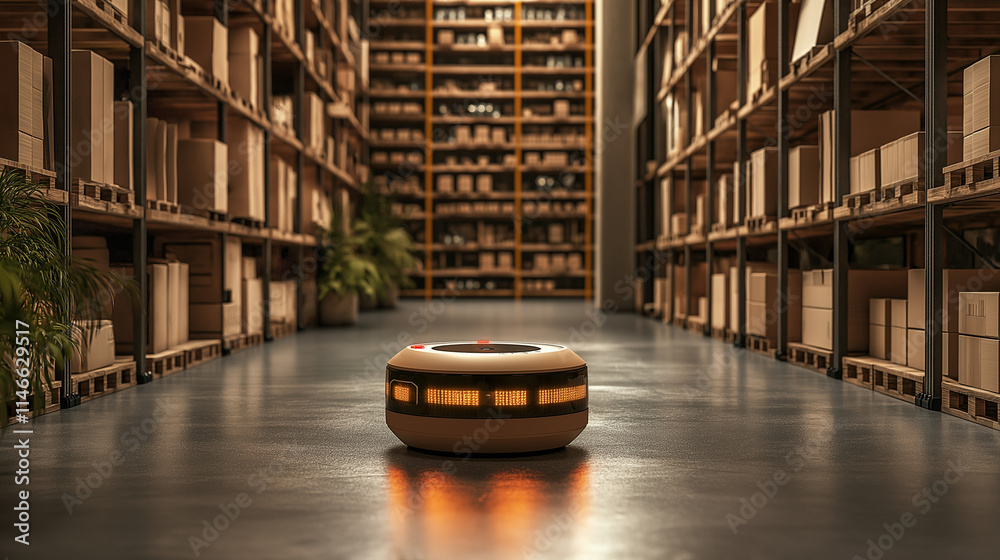
One noteworthy advancement is the development of autonomous mobile robots (AMRs), which are transforming warehousing operations. These robots navigate dynamically through warehouse spaces, optimizing travel routes and enhancing storage efficiency through advanced algorithms. For instance, Amazon employs AMRs in their distribution centers to streamline order fulfillment, particularly during peak seasons when demand surges, as witnessed during the recent pandemic. According to a study by the McKinsey Global Institute, the deployment of AMRs can lead to a reduction in order retrieval times by up to 75%, allowing companies to meet increased customer demands swiftly.
A critical factor contributing to the robust performance of automated robotics during crises is their ability to perform real-time risk assessments. Equipped with machine learning capabilities, these robots can predict potential breakdowns and operational inefficiencies before they escalate into major issues. For example, Cisco’s implementation of IoT sensors within their robotics has helped mitigate disruptions by identifying performance anomalies that could signal supply chain bottlenecks. This predictive maintenance approach allows organizations to maintain continuity and effectively allocate resources to avoid unnecessary downtime.
The evolution of online shopping and the dramatic increase in e-commerce during recent crises have also underlined the necessity of automated robotics in last-mile delivery solutions. The ability to quickly adapt to shifts in consumer behavior has prompted companies like FedEx and UPS to experiment with delivery drones and robotic delivery vehicles. These innovations not only expedite deliveries but also provide contactless solutions that are essential in maintaining consumer trust and safety.
Moreover, the collaboration between various automated systems is becoming increasingly sophisticated. The integration of robotic process automation (RPA) with existing supply chain management software allows companies to automate repetitive clerical tasks, freeing up employees for more strategic initiatives. This interconnectedness is exemplified by companies such as Siemens, where robotic systems gather comprehensive operational data, leading to enhanced decision-making processes across multiple layers of the supply chain.
As automation continues to advance, the discourse around cybersecurity also becomes crucial. With increased reliance on technology comes the need for effective safeguarding against potential cyber threats. Automated robotics operating in supply chains must be protected from vulnerabilities that could compromise the entire system. Companies are responding to this challenge by implementing stringent security measures, ensuring that their automated solutions remain resilient not just in operation but also against threats that may arise from dependence on technology.
In recognizing the transformative impact of automated robotics, it is clear that businesses must strategically consider their implementation within their supply chains. As organizations prepare for future crises, embracing these advanced technologies can potentially unlock new pathways for growth and sustainability, indicating a shift towards a robust, adaptable supply chain landscape.
DISCOVER MORE: Click here to dive deeper
Conclusion: The Future of Supply Chain Resilience with Automated Robotics
In conclusion, the integration of automated robotics in supply chains plays a crucial role in enhancing resilience during unpredictable crises. As evidenced by the transformative capabilities of autonomous mobile robots (AMRs) and predictive maintenance systems, companies are finding innovative ways to adapt to fluctuating market demands while maintaining operational efficiency. The ability of these systems to perform real-time assessments allows organizations to address potential disruptions proactively, rather than reactively, ensuring smoother operations even amidst chaos.
The accelerated growth of e-commerce further demonstrates the necessity for robust automated solutions, with companies like FedEx and UPS pioneering advancements in drone} and robotic deliveries. These innovations not only meet the increasing demand for quick and safe deliveries but also strengthen consumer confidence during tumultuous times. As organizations harness the power of robotic process automation (RPA) and enhance collaboration between automated systems, they are not just automating tasks but redefining the very fabric of supply chain management.
Moreover, as the reliance on technology deepens, prioritizing cybersecurity must become a fundamental component of any automated supply chain strategy. Safeguarding these systems ensures not only operational integrity but also the protection of sensitive data against potential threats.
Ultimately, the journey toward a resilient supply chain is one of continuous innovation and adaptation. By embracing automated robotics, businesses can forge new pathways toward sustainable growth, positioning themselves as agile leaders in an ever-evolving landscape. As we move forward, the exploration of these advanced technologies will be paramount, ensuring that organizations can not only survive crises but thrive amidst them.