
Unpacking the Role of Algorithms in Contemporary Art
Art has long served as a mirror to human experiences, emotions, and societal changes. However, the introduction of algorithms into the artistic realm prompts a fundamental reassessment of how we define creation and authenticity. As machine learning continues to evolve, its ability to generate and interpret artistic content raises compelling questions about the nature of creativity itself.
To illustrate this point, let’s delve into the concept of algorithmic art generation. This encompasses various methods through which computers can produce visual art, music, and literature autonomously or in collaboration with human artists. Programs like DeepArt and DALL-E showcase how algorithms analyze existing artworks, learning from styles and patterns to create new pieces. For instance, when creating a painting in the style of Van Gogh, these tools study the artist’s brush strokes and color palettes, generating artwork that resembles the iconic artist’s technique. Yet, one must ponder: can a computer truly grasp the emotional depth that underpins a masterpiece, or is it merely replicating established forms without true understanding?
Moreover, interactive experiences open another avenue for exploration. Artists worldwide are utilizing AI to engage viewers in immersive installations. Take Refik Anadol’s work, which employs real-time data to morph visual representations based on audience interaction. These dynamic installations not only invite spectators to engage with the art but also make them integral participants in its creation, blurring the lines between artist and audience. Contemporary art institutions, like the Whitney Museum in New York, are showcasing such works, which challenge traditional perceptions of authorship and craftsmanship.
The intersection of culture and technology also highlights the reinterpretation of cultural narratives. Through the analysis of vast datasets, machine learning algorithms can provide fresh insights into historical events or artistic movements. For example, AI projects that analyze literature can reveal underlying themes across various periods, reshaping our understanding of cultural evolution. Such practices raise important questions: how do algorithm-driven interpretations affect our perception of historical accuracy and cultural significance?
Furthermore, the presence of intelligent design tools in creative industries exemplifies the partnership between human intuition and machine efficiency. Adobe’s Sensei technology, which powers features like automatic photo adjustments and content-aware fill, allows artists to focus more on their creative vision while the software manages technical details. This dynamic partnership encourages a reexamination of artistic authority: when technology contributes significantly to the creative process, who possesses ownership over the resulting artwork?
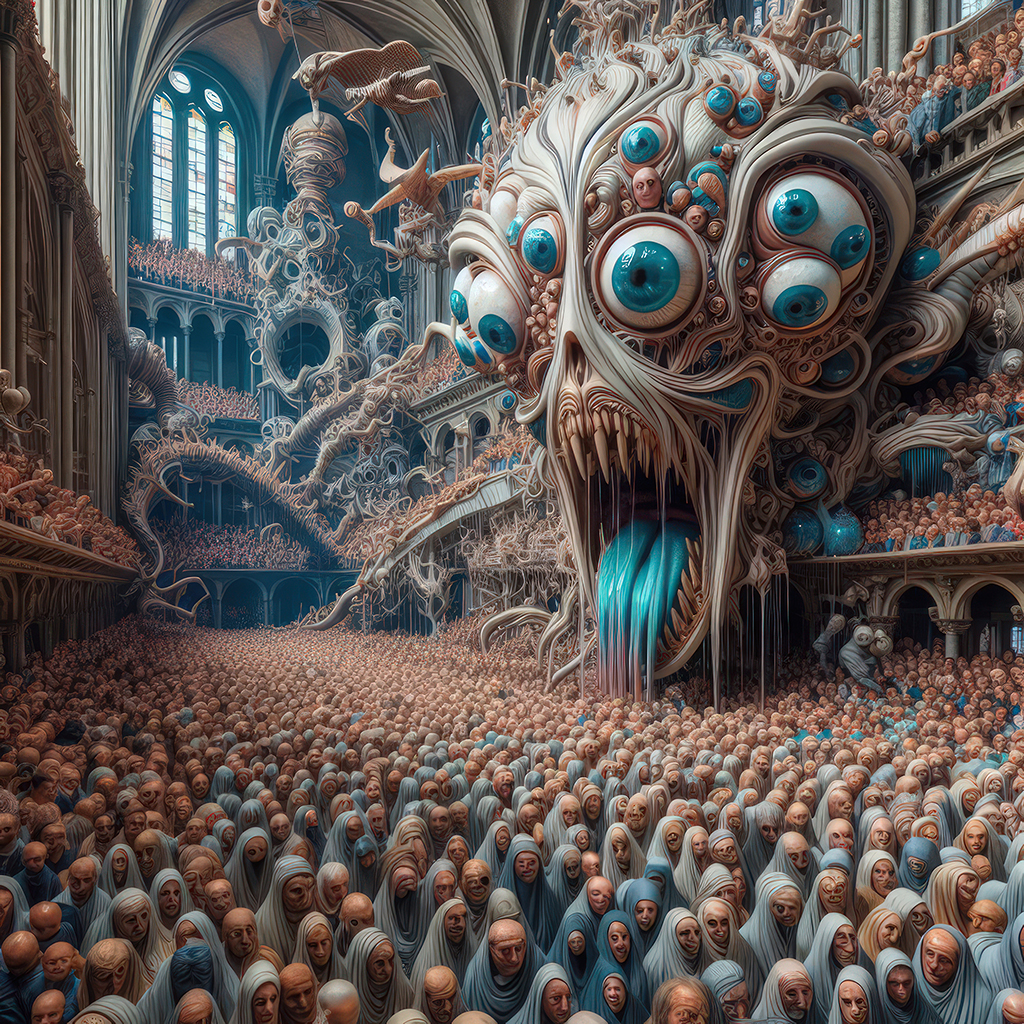
As we journey deeper into this realm, it becomes evident that the alliance between humans and machines is more than just a passing trend. It signifies a pivotal moment in the evolution of artistry and culture. Will these innovations redefine what we consider artistic merit, or will they remain tools for human expression? Only time will unveil the full implications of this intriguing collaboration.
DIVE DEEPER: Click here to learn more
The Mechanics of Algorithmic Art Generation
As we explore the relationship between machine learning and art, it is essential to understand the mechanics behind algorithmic art generation. Algorithms function as the backbone of this artistic evolution, capable of analyzing and synthesizing vast amounts of data to create original artworks. Programs like DeepArt and DALL-E are at the forefront, harnessing the power of neural networks to emulate styles drawn from existing masterpieces. This process involves numerous stages, including data ingestion, pattern recognition, and creative synthesis, transforming digital canvases into mesmerizing pieces that belied their machine origins.
One of the most fascinating aspects of this technology is its reliance on machine learning models that can learn from large datasets of art history. By inputting numerous examples of specific styles, these models can begin to grasp the nuances and intricacies found within art. Take Generative Adversarial Networks (GANs), for instance. These algorithms operate through a dual process: the generator creates new images while the discriminator evaluates their authenticity against real artworks. This back-and-forth not only enhances the quality of the generated art but also leads to innovative new styles that can challenge established norms.
The rise of interactive experiences utilizing AI adds another layer to the conversation around algorithmic art. These installations often use real-time data inputs, allowing audiences to witness art change dynamically in response to their actions. For example, teamLab, a Tokyo-based digital art collective, creates immersive environments where digital elements react to visitors’ movements, thus making the audience an integral part of the artistic experience. This participatory approach raises questions about authorship and the role of the artist. If viewers can influence the artwork’s trajectory, can they also be considered co-creators?
Key Benefits of Machine Learning in Art Creation
- Enhanced Creativity: Algorithms can introduce unique styles and techniques that humans may not have previously considered, pushing the boundaries of artistic expression.
- Increased Accessibility: Digital tools powered by machine learning democratize art creation, enabling individuals without formal training to engage in artistic endeavors.
- Insights into Art History: Analyzing trends and patterns across vast datasets can yield fresh perspectives on historical movements and influential artists.
- Real-time Adaptation: Interactive installations driven by AI offer audiences personalized experiences, making art more engaging and relevant to contemporary contexts.
In essence, the marriage of machine learning and art presents a unique reconfiguration of creativity. The possibilities are vast, inviting both seasoned artists and newcomers alike to explore new mediums and methodologies. Yet, the technological prowess raises another compelling question: As machines become more potent collaborators in the creative process, how do we maintain the sanctity of human intuition and emotion in art? The answer may lie in understanding that both elements can coexist, shaping the artistic landscape in unprecedented ways.
| Category | Advantages |
|---|---|
| Cultural Accessibility | Machine learning algorithms democratize creative processes, allowing diverse voices to be heard and appreciated. |
| Innovative Collaborations | Combining algorithms with traditional art forms generates unique pieces, forging new artistic landscapes. |
| Data-driven Insights | Machine learning offers insights into trends and preferences, enabling targeted creations that resonate. |
The integration of machine learning into the world of art produces an exciting fusion of technology and creativity. Through the lens of cultural interpretation, machine learning enables artists to analyze vast datasets which, in turn, enhances the understanding of societal themes embedded in artworks. Artists who harness algorithms stand to create works that resonate deeply with diverse audiences, promoting cultural narratives that might otherwise go unnoticed. These algorithms can identify common aesthetic preferences or emerging styles that reflect community sentiments, allowing creators to develop art that is more aligned with contemporary cultural dialogues. Moreover, the collaborative opportunities afforded by the intersection of art and algorithms provide fascinating avenues for artistic exploration, pushing boundaries and expanding the definition of creativity. The ability to utilize AI as a co-creator empowers artists to experiment with forms that challenge the traditional notions of authorship and originality. Such innovation doesn’t just signal a shift in artistic practice, but it raises essential questions about the role of machines in the creative space, provoking a critical dialogue on the future of art in a digitized world.
DISCOVER MORE: Click here to learn about future trends
The Cultural Implications of AI-Generated Art
As we delve deeper into the intersection of machine learning and art, we unearthed not just the mechanics of creation but also the profound cultural implications that arise from this technological paradigm shift. The emergence of AI in the art world is instigating dialogues about authorship, originality, and the value of human creativity. When a machine composes a symphony or paints a canvas, it forces us to reevaluate what it means to be an artist and how we perceive artistic merit.
Importantly, the integration of algorithms into artistic practice has democratized the act of creation, allowing for a more diverse range of voices to emerge. For instance, platforms like RunwayML are equipping artists and hobbyists alike with tools to create compelling visuals without extensive training in traditional techniques. Accordingly, this framework fosters not just individual expression but also collective cultural narratives. The art that emerges from these collaborations often reflects the multiplicity of human experiences, transcending boundaries found in the more traditional art world.
Moreover, AI-generated art can serve as a mirror reflecting societal norms and concerns. There have been projects like “Edmond de Belamy”, created by the Paris-based collective Obvious, which raised eyebrows when it auctioned for $432,500 at Christie’s. This portrait, generated by a GAN, ignited debates on the nature of creativity and the commodification of art. Is a piece created by an algorithm truly a work of art, or is it merely a synthesis of human influence? These discussions underscore the implications of machine learning as a tool—not merely an artist but a cultural interpreter, capturing and reproducing societal aesthetics.
Machine Learning’s Influence on Contemporary Artistic Themes
Analyzing the output of machine learning models also sheds light on modern artistic themes that resonate with today’s societal landscape. For example, art generated from algorithms often grapples with themes of technological evolution and the anxieties surrounding it. Through visually striking pieces, artists explore the ramifications of living in an algorithmically driven world, where curations and recommendations influence personal choices in everything from music to fashion. This reflective capacity of AI art prompts viewers to confront their relationship with technology critically.
Furthermore, there’s an intriguing paradox at play: while machine learning can analyze and predict human emotion to create appealing art, it lacks the inherent human understanding that accompanies emotional and visceral experiences. The art produced from machine learning algorithms often sparks debates about authenticity and emotional resonance, provoking questions around whether art devoid of lived experience can ever truly capture the depths of the human condition.
To further illustrate the societal impact, the rise of AI in the art realm is also reshaping educational and institutional frameworks. As museums and galleries begin to embrace machine-generated works, curators are increasingly tasked with balancing traditional art forms with these new, algorithmically produced pieces. Institutions like the Museum of Modern Art (MoMA) in New York are beginning to integrate AI art into their exhibitions, thereby broadening their collections to include works that challenge conventional perceptions of creativity.
Ultimately, the relationship between machine learning and art serves as a reminder that both technology and culture are ever-evolving landscapes. As we explore this intersection, we are left with more questions than answers, propelling the conversation forward and encouraging deeper inquiry into how algorithms are not merely facilitators of creative expression but actors within the cultural discourse.
DIVE DEEPER: Click here to discover more
Conclusion: The Future of Art in the Age of Algorithms
As we stand at the crossroads of machine learning and artistic expression, we witness a transformative evolution in how art is created, interpreted, and valued. The emergence of algorithm-driven creativity not only challenges traditional definitions of artistry but also prompts a broader cultural dialogue about our relationship with technology. With tools like RunwayML empowering a diverse range of creators, we are presented with new forms of expression that encapsulate the richness of human experience.
Moreover, AI-generated works serve as intriguing reflections of contemporary societal concerns, navigating themes of technology, originality, and the essence of creativity. As seen with notable pieces like “Edmond de Belamy,” the commodification of AI art raises fundamental questions about authorship and value, reinforcing the notion that machine learning is not merely an artist’s assistant but a pivotal player in our cultural narrative. The discussion that surrounds these artifacts encourages a reassessment of the emotional and experiential depth that art conveys and their authenticity.
Looking ahead, as galleries and institutions integrate AI art into their collections, a new paradigm of artistic merit emerges—one that blends human and machine creativity. The journey of machine-generated art invites us to explore further the intricate relationship between culture and technology, illuminating pathways for future discussions on the meaning of art and its impact on society. Thus, as we continue to explore the dynamic interplay between machine learning and art, we must remain open to redefining our perceptions, celebrating this collaboration while critically engaging with its implications for the future.