
The Rise of Machine Learning in Financial Services
In a rapidly evolving market landscape, where competition is intensifying, financial institutions are embracing machine learning as a game-changer. The integration of this technology not only optimizes operations but also sets the stage for a more robust approach to risk management, making it a crucial player in the evolution of finance.
At the heart of these advancements lies a suite of innovative applications, each tailored to address specific challenges within the industry:
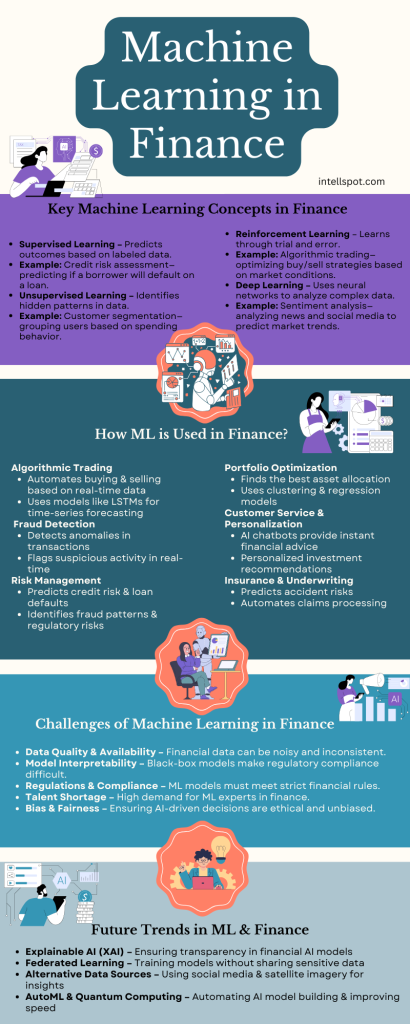
- Fraud Detection: In the United States, financial losses due to fraud have surged into the billions annually. Machine learning algorithms can analyze vast amounts of transaction data to uncover trends and patterns. For instance, a supermarket chain might employ a model that flags unusual purchasing behaviors, such as a sudden spike in high-value items purchased with new credit cards. By detecting these anomalies in real-time, organizations can act swiftly to prevent losses.
- Credit Scoring: Traditional credit scoring methods often rely on credit history, which can disadvantage younger borrowers or those with limited financial backgrounds. Machine learning models utilize diverse data sources, such as social media activity and even mobile phone usage patterns, to create a more comprehensive picture of potential borrowers. This not only facilitates a more inclusive lending process but also minimizes the risk for lenders.
- Algorithmic Trading: The stock market’s vast and volatile nature demands quick decision-making. Machine learning enhances trading strategies by analyzing historical data and market trends. For example, hedge funds might deploy algorithms that consider various indicators and execute trades at speeds unattainable by human traders, capitalizing on fleeting opportunities.
- Portfolio Management: Financial advisors are increasingly leveraging machine learning to optimize asset allocations. By continuously monitoring market conditions and asset performance, these systems can recommend adjustments in real-time based on predictive analytics, ensuring that portfolios align with clients’ risk tolerance and investment goals.
The rapid adoption of machine learning in finance indicates a shift from traditional processes to data-driven strategies. Organizations are not only focusing on operational efficiency but are also enhancing their capabilities to predict market behavior and comply with regulations. This integration promises to yield cost reductions while simultaneously unlocking new revenue streams.
As the financial landscape becomes more intricate, embracing machine learning for risk management transcends being a mere option; it has become essential for survival and growth in this dynamic environment. The potential for heightened precision and adaptability aligns well with the industry’s increasing demands for accountability and foresight. By delving deeper into the innovative merger of technology and finance, stakeholders will uncover a myriad of opportunities that could redefine the future of investing and financial operations.
DISCOVER MORE: Click here for insights on automatic translation innovations
Transforming Operations Through Automation
As the financial sector grapples with the challenges of an increasingly digital age, process automation driven by machine learning emerges as a pivotal force. This technological shift is not merely about speed; it encompasses the ability to unlock new levels of efficiency and accuracy. Financial firms, from major banks to investment houses, are leveraging machine learning models to streamline operations and minimize human error.
One significant area where machine learning enhances automation is in customer service. Chatbots powered by natural language processing can manage customer inquiries 24/7, addressing issues ranging from basic account information to complex transaction queries. Research indicates that nearly 70% of banking interactions may soon be automated through AI-driven platforms. This not only reduces operational costs but also enhances customer satisfaction by providing instant support.
Moreover, the processing of vast amounts of paperwork, traditionally a labor-intensive task, is now being revolutionized through machine learning technologies such as optical character recognition (OCR). Financial institutions utilize OCR to convert different types of documents, including loan applications and contracts, into editable and searchable data. This, in turn, expedites the underwriting process in lending and significantly reduces the time required for compliance checks.
- Risk Assessment: Machine learning models can analyze a broader range of data compared to traditional methods, allowing financial institutions to assess risks more accurately. For instance, during loan underwriting, these models evaluate not just credit scores but also behavioral data, thus providing a more nuanced understanding of the borrower’s potential risk.
- Regulatory Compliance: Ensuring compliance in an industry as regulated as finance can be daunting. Machine learning helps automate compliance processes by continuously monitoring transactions for anomalies that may indicate breaching of rules and regulations, which is essential for avoiding hefty fines and reputational damage.
- Transaction Monitoring: Continuous transaction monitoring is critical for identifying potentially fraudulent activities. Machine learning algorithms can learn from historical transaction data to create dynamic risk profiles. They can adapt to evolving fraud tactics, significantly reducing the risk of false positives that can disrupt legitimate customer transactions.
The integration of machine learning in these contexts signifies a robust shift towards a data-driven future. As firms continue to embark on their digital transformation journeys, the optimization of operations through automation will not only ensure long-term sustainability but also provide competitive advantages in an ever-evolving market. Embracing this technology paves the way for more informed decision-making, laying the groundwork for richer insights into consumer behavior and market trends.
In parallel, the emphasis on risk management continues to grow. As the financial services sector faces various vulnerabilities, machine learning stands out as a transformative solution—enabling organizations to identify, assess, and mitigate risks in real-time. The necessity of adopting these smart systems is becoming increasingly evident as businesses aim to navigate complex market dynamics, ensuring not just survival but robust growth.
| Advantages | Features |
|---|---|
| Enhanced Decision-Making | Machine learning algorithms analyze vast datasets, providing deeper insights that support strategic financial decisions. |
| Risk Mitigation | Predictive analytics enable firms to identify potential risks before they materialize, enhancing the risk management process. |
| Cost Efficiency | Automation reduces operational costs while increasing speed and accuracy in financial transactions. |
| Fraud Detection | Machine learning can flag unusual patterns, thus improving detection rates of fraudulent activities. |
The implementation of machine learning in finance offers transformative benefits, particularly in process automation and risk management. By taking advantage of machine learning technologies, financial institutions can not only optimize their operations but also greatly enhance their ability to mitigate risks. With the powerful capabilities of data-driven insights, organizations gain a competitive edge, allowing for better forecasting and analysis.Incorporating these advanced technologies allows firms to harness real-time data, leading to improved financial predictability and efficiency. The intelligent systems do not merely process historical data—they continually learn and adapt, fine-tuning predictions and analyses as new information surfaces. Hence, financial entities investing in such innovative solutions are likely to flourish amid the rapidly changing economic landscape. The question remains: are you ready to delve deeper into the realm of machine learning and redefine your financial strategies?
DISCOVER MORE: Click here to learn how robotics enhance supply chain resilience
Revolutionizing Risk Management with Machine Learning
As financial institutions pivot towards machine learning, the ability to enhance risk management practices has gained paramount importance. The traditional paradigms of risk assessment are often unable to effectively cope with the complexities and volume of modern financial transactions. By harnessing the predictive capabilities of machine learning, organizations can create more sophisticated models that provide deeper insights into potential risks.
One of the most profound applications of machine learning in risk management can be observed in credit risk assessment. Traditional credit scoring systems rely heavily on historical financial data and predetermined thresholds to determine borrower eligibility. In contrast, machine learning algorithms analyze a diverse array of factors, from social media activity to purchasing behavior, providing a richer and more holistic view of a borrower’s creditworthiness. Studies have shown that banks employing these advanced techniques can reduce bad debt rates by up to 30%, while simultaneously increasing loan approval rates.
- Market Risk Analysis: Market volatility presents a significant challenge for financial entities. Machine learning tools enable firms to analyze past market conditions and real-time data, predicting potential shifts in market dynamics. For example, neural networks can analyze massive datasets related to economic indicators and sentiment analysis to forecast stock trends. This proactive approach allows investment managers to adjust their portfolios ahead of time to mitigate losses.
- Operational Risk Management: Operational risks—those stemming from internal processes, people, and systems—can pose profound threats. Machine learning models facilitate the identification of patterns and anomalies in operational processes. By examining historical incident reports, firms can predict and prevent future operational failures. A 2020 study revealed that organizations implementing machine learning in operational risk management reduced unforeseen operational losses by over 25% within the first year.
- Cybersecurity and Fraud Prevention: As financial institutions become increasingly digitized, the threat landscape of cyber-attacks continues to evolve. Machine learning plays a significant role in enhancing cybersecurity strategies. By employing adaptive algorithms that learn from previous attacks, institutions can respond to real-time threats, improving both detection and mitigation. For example, a financial tech firm recently reported that their machine learning-based fraud detection system reduced exposure to fraudulent transactions by 60%, owing to its ability to analyze behavioral changes rapidly.
Furthermore, the implementation of machine learning fosters a culture of continuous learning and adaptation. With the ability to process new data inputs continuously, these systems fine-tune their algorithms, thus ensuring that risk management strategies remain relevant amidst shifting market landscapes. This adaptability is crucial as organizations encounter new financial products and evolving regulatory landscapes that require consistency in compliance.
The convergence of automation and machine learning not only streamlines operational workflows but also provides a robust foundation for a proactive risk management strategy. Financial institutions that embrace these innovations position themselves not just to withstand volatility, but to thrive under conditions that may previously have been deemed as insurmountable risks. As the conversation about digital transformation in finance unfolds, the synergy between process automation and advanced risk management techniques heralds a new era defined by learning, adaptation, and resilience.
DISCOVER MORE: Click here to learn about the future of personalized education
Conclusion: Embracing the Future of Finance
The integration of machine learning in finance is no longer a distant vision; it is the current reality that is reshaping landscape. By automating processes and enhancing risk management practices, financial institutions are discovering new dimensions of efficiency and accuracy. The advancements in credit risk assessment, alongside robust tools for market risk analysis, operational risk management, and cybersecurity, illustrate how machine learning can propel organizations forward in a rapidly evolving market.
As organizations increasingly adopt these technologies, the ability to leverage big data for insightful decision-making will define success. The decision-making framework becomes adaptable; machine learning algorithms refine their outputs based on new data, allowing for timely and informed choices that mitigate risks effectively. Moreover, the shift towards continuous learning creates a financial ecosystem capable of not only responding to current challenges but anticipating future trends and threats.
In a landscape characterized by uncertainty, the fusion of automation and machine learning stands as a beacon of resilience. Financial institutions that embrace this digital transformation will not just survive unforeseen challenges, but will also unlock potential and create opportunities in previously insurmountable environments. As we look ahead, it is clear that the intersection of innovation and finance, driven by machine learning, invites further exploration and ongoing evolution, making it imperative for industry players to stay informed and engaged. This transformative journey will inevitably shape a new era in finance that prioritizes agility, accountability, and foresight.